




Glycerin
Description
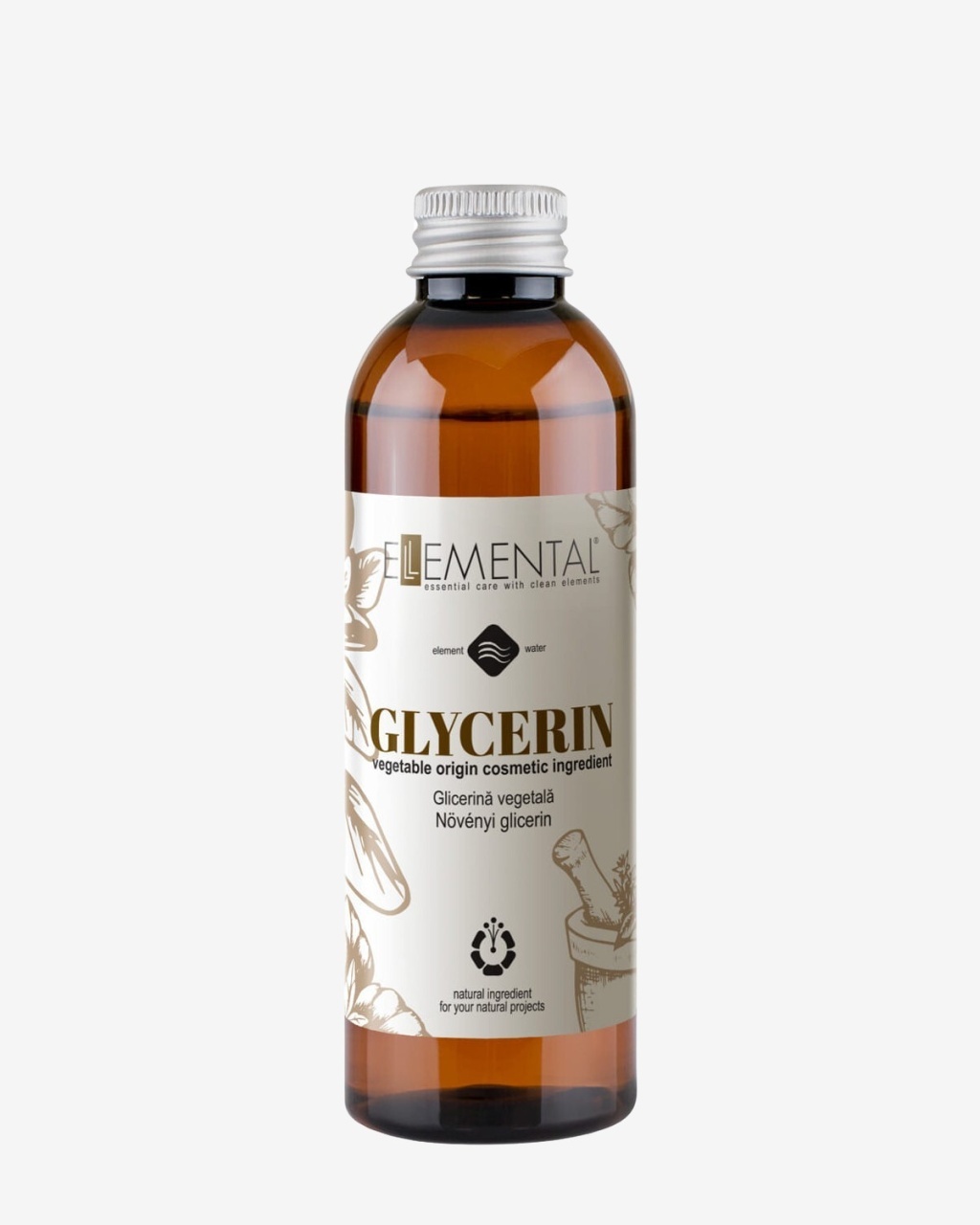
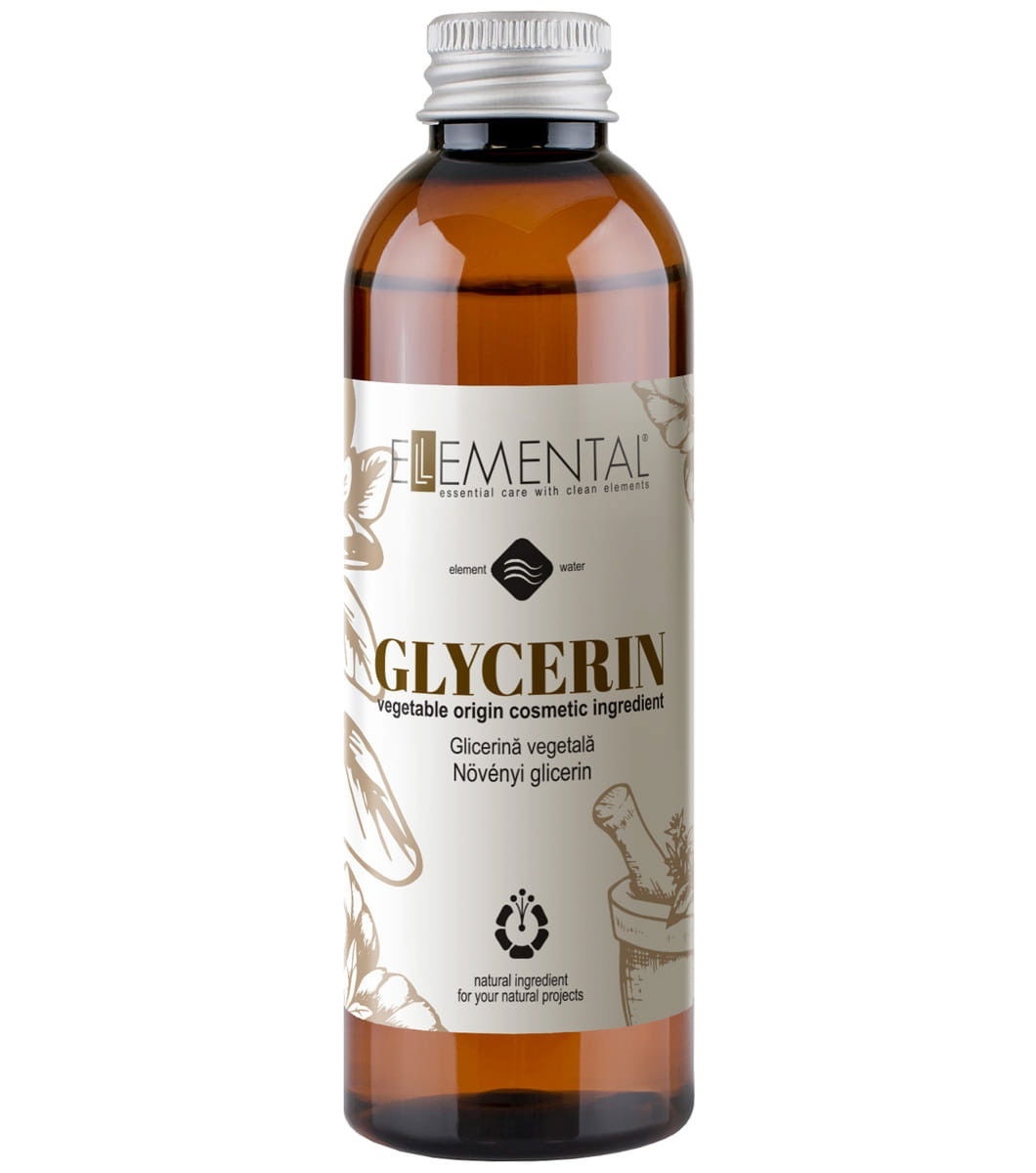
Vegetable Glycerin
Classic plant-derived humectant with one of the longest and most solid histories of use in cosmetics.
Glycerin is one of the most widely used ingredients in cosmetic formulations due to its excellent ability to attract and retain water in the skin. Alongside urea, it is a key component of the skin's Natural Moisturizing Factor (NMF) and directly contributes to maintaining a supple, smooth, and well-hydrated appearance.
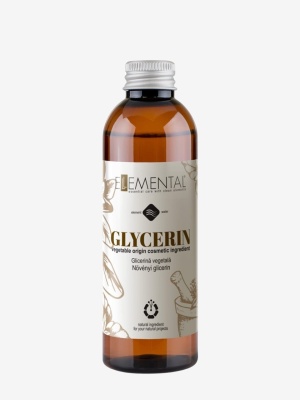
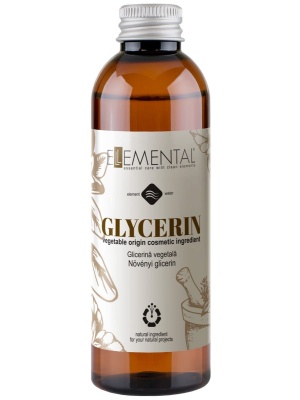
Ellemental Glycerin is a high-purity, plant-derived glycerin obtained through the refining of a byproduct from vegetable oil processing. It is a versatile ingredient used both as a humectant in skin, body, and hair care products, and as a solvent or texturizing agent in numerous types of formulations.
Ingredients (INCI): Glycerin
Technical Characteristics
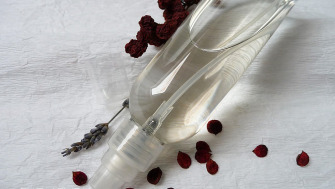
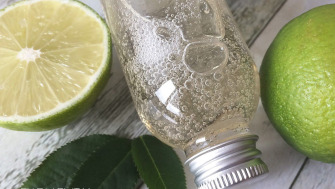
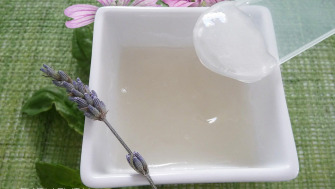
- Appearance: Clear, colorless syrupy liquid; discreet odor
- Solubility: Completely miscible in water; soluble in alcohol
- Quality: Plant-derived glycerin with a minimum glycerol content of 99.7%
- Recommended Dosage: 3 - 20%, depending on formulation type and desired effect
Scientific Studies and Documentation
The role of glycerin as a humectant is extensively documented in dermato-cosmetic literature. Reference studies in the field, such as those published by Fluhr, Darlenski, and Surber (2008), demonstrate that glycerin acts both on the surface of the skin and deep within the stratum corneum, where it supports hydration, reduces transepidermal water loss (TEWL), and helps maintain skin barrier integrity. The same sources indicate that glycerin promotes the normal maturation of skin cells, a mechanism that explains why it is so well tolerated even at higher concentrations compared to other humectants.
Properties and Benefits
- Powerful humectant with immediate and long-lasting moisturizing effect
- Supports the skin's natural barrier function
- Softening and smoothing effect on skin texture
- Good tolerance, suitable even for sensitive skin
- Acts as a solvent for various water-soluble active ingredients
- Contributes to formula stability and texture through viscosity regulation
Applications
- Facial care: serums, creams, toners, hydrating masks
- Body care: body creams and milks, hand creams
- Hair care: shampoos, conditioners, scalp treatments
- Hygiene products: shower gels, liquid and bar soaps
- As a solvent for extracts and water-soluble actives in DIY formulations
Formulation Guide
- Low concentrations (3 - 5%): general hydration effect without a sticky feel on the skin, suitable for most everyday products
- Medium concentrations (5 - 10%): more pronounced humectant effect, frequently used in moisturizing creams, gels, and lotions
- High concentrations (above 10%): used in products dedicated to very dry skin; at these levels, a tacky feel may occur on the skin, especially in low-humidity environments
- Mixes easily into the aqueous phase of the formulation, either at room temperature or heated
- Hygroscopic by nature, which is why the container must be tightly closed between uses
- Compatible with most preservatives, actives, and texturizers commonly used in cosmetic formulations
Usage Safety and Storage
- Profile: Safe ingredient with good skin tolerance
- Precautions: External cosmetic use
- Storage: Store in a closed container in a cool, dry place, protected from light
Details
Related Recipes and Articles
Reviews
Write a valid review and earn loyalty points worth €0.40