




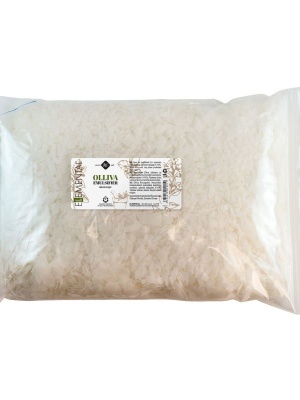
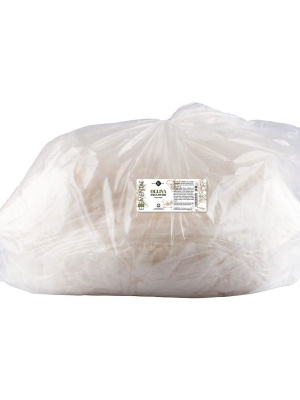
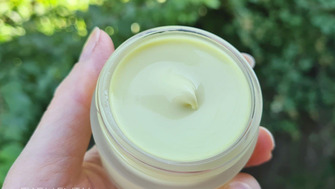
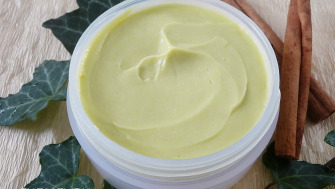
Emulsifier Olliva
Description
Emulsifier Olliva – Biomimetic, Multifunctional, Restructuring
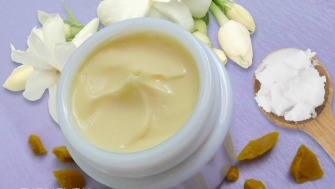
Olliva is a self-emulsifier developed based on advanced expertise in olive oil chemistry, renowned for its ability to generate lamellar liquid crystalline structures (liquid crystals) within emulsions. These structures are biomimetic, mimicking the lipid organization of the human stratum corneum. Consequently, Olliva does not merely act as a simple binder between water and oil, but as a structural active that integrates lipids into the skin, restores the degraded hydrolipidic barrier, and provides long-lasting hydration.
It possesses excellent anti-aging and anti-redness properties and can also be used as a protective shield against environmental factors and as an SPF booster. Additionally, it promotes skin radiance and physiological hydration.
In addition to its numerous applications in skin care, Olliva can be used in hair care formulations, such as rinse-off and leave-in conditioners, improving the combability of wet hair as demonstrated in clinical tests. It is also effective as an emulsifying base for traditional hair conditioner formulas that utilize cationic ingredients.
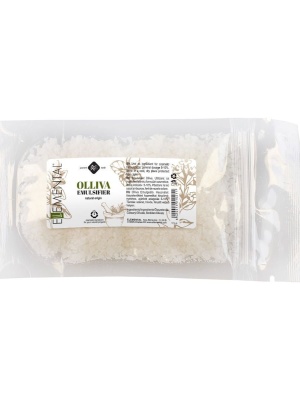
Ingredients (INCI): Cetearyl Olivate, Sorbitan Olivate.
Technical Characteristics
- Emulsion Type: Oil-in-Water (O/W), non-ionic.
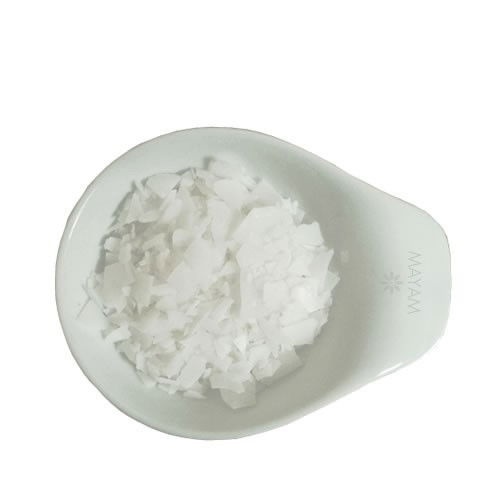
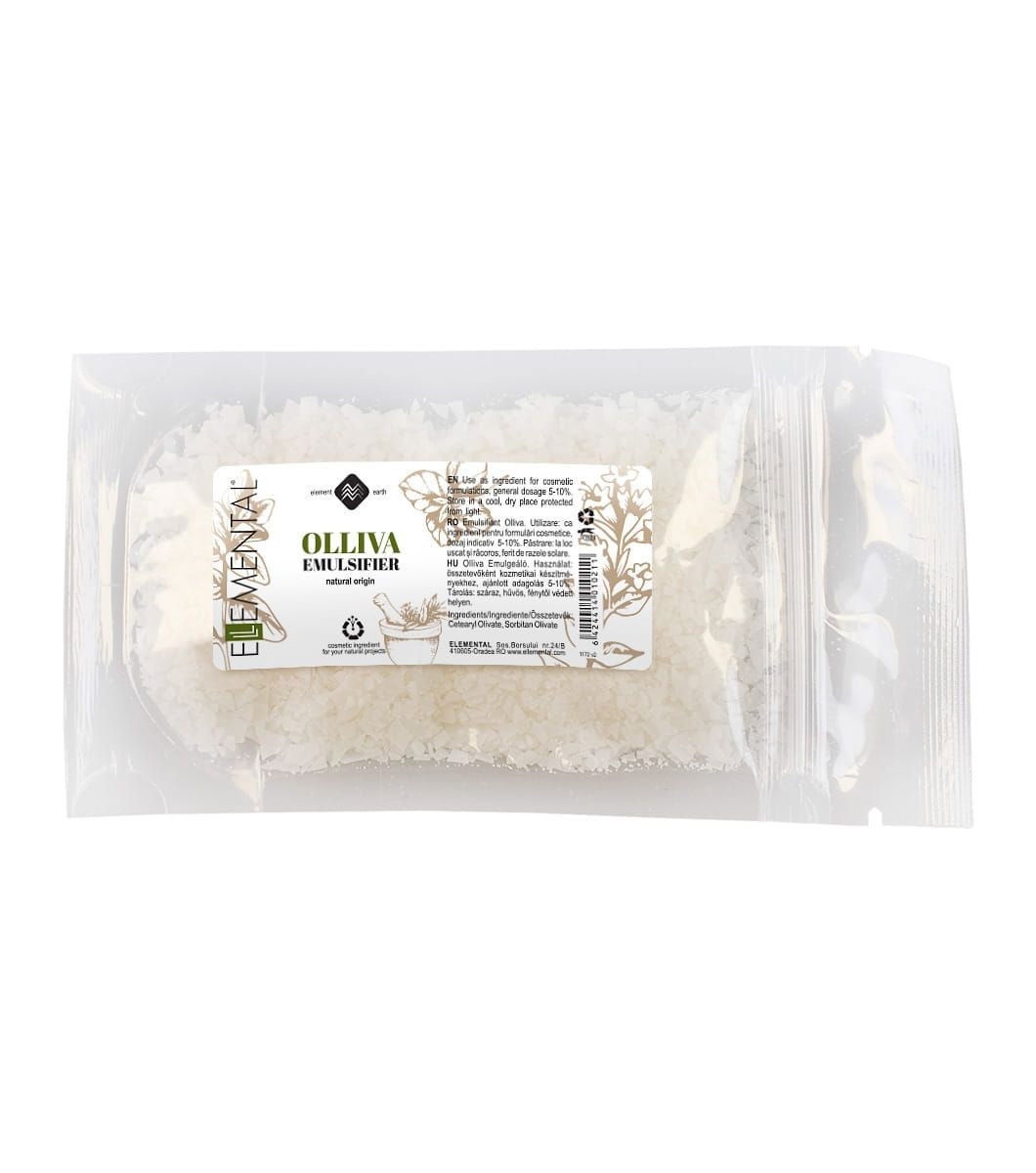
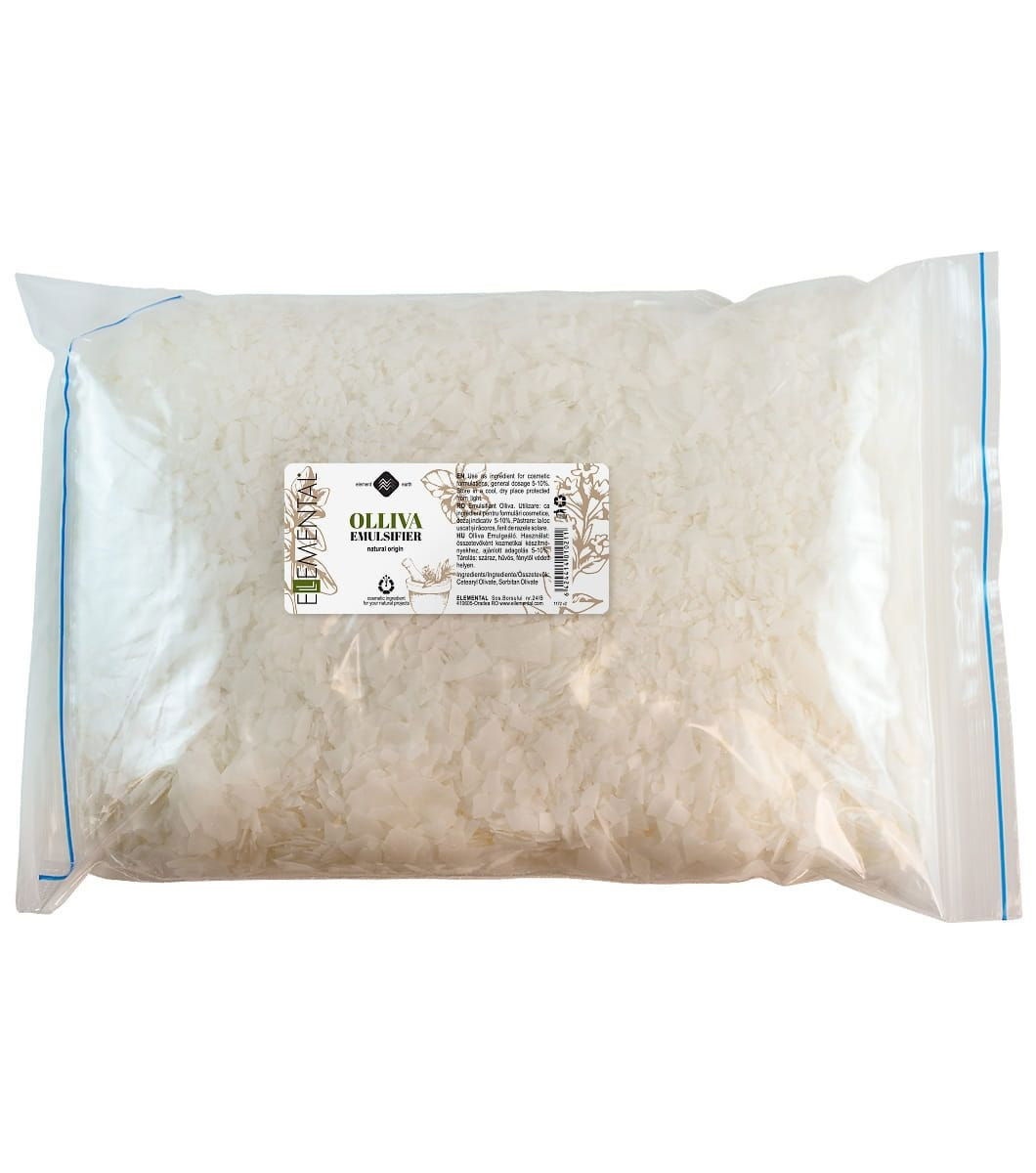
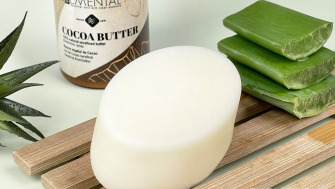
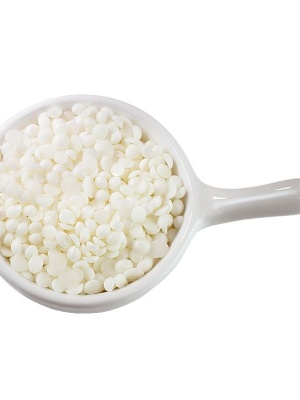
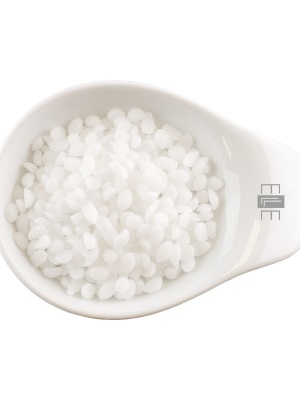
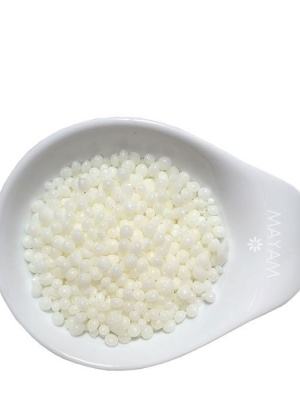
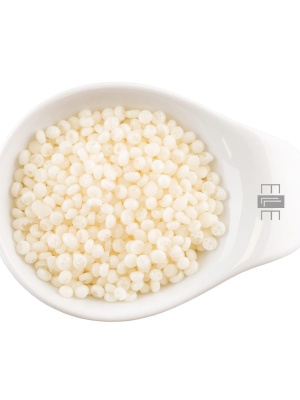
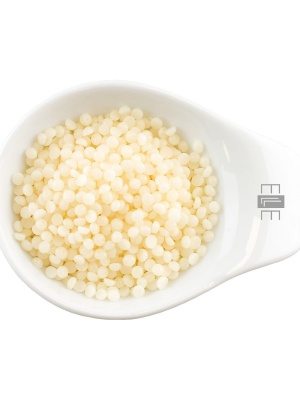
- Appearance: Cream-white pellets, neutral odor.
- Stable pH Range: 3.0 - 12.0
- General Dosage: 1% - 8%
Properties and Benefits
- Liquid Crystals: Generates a three-dimensional lamellar network that holds water within the formula and gradually releases it into the epidermis, ensuring hydration that lasts up to 24 hours.
- Biomimicry: Its network naturally fuses with the skin's own sebum and ceramides, restructuring the skin barrier and significantly reducing transepidermal water loss (TEWL). It has a proven repairing effect on keratinocytes and an exceptional ability to maintain the balance of the skin microbiome.
- Gelling Agent: When used in a formula without a lipid phase (0% oil), Olliva shifts its role from a classic emulsifier to a gelling and liquid crystal structuring agent.
- Sensory Profile: Imparts a fine, glossy texture and a velvety feel to emulsions, with good penetration.
Applications
- Day and night facial creams for all skin types.
- Body lotions, moisturizing milks, and rich body butters.
- Eye creams and treatments for delicate areas.
- Sun protection formulas and soothing after-sun lotions.
- Advanced active delivery formulas (e.g., anti-cellulite, with caffeine, peptides, or niacinamide).
- Oil-free cream-gels, cleansing balms.
- Gentle skin care products for babies and children.
Formulation Guide
- Procedure: Typically incorporated using the standard emulsion preparation procedure, adding it to the oil phase with heating.
- Sensory Impact: Can produce different sensory effects depending on the phase into which it is added. If added to the oil phase, the resulting emulsion provides a richer, more nourishing feel upon application, increased structural density, and faster skin absorption. If added to the water phase, the emulsion acquires a very light, watery sensory profile with higher spreadability on the skin surface.
- Compatibility: Exhibits good compatibility with challenging ingredients such as electrolytes, alpha-hydroxy acids (AHAs), and DHA.
- Optimal pH Range: 3.0 - 12.0
- Fat Phase Percentage: 5% - 25%
- Recommended Usage Dosage: 1% - 3%: Co-emulsifier or for lightweight emulsions and emulsified serums. 4% - 5%: For classic, medium-viscosity creams. 6% - 8%: For dense creams, emulsified body butters.
- Stabilization, Viscosity Modulation: Although it functions well on its own, it can be combined with other emulsifiers to enhance texture, stability, or performance. For optimal stability, we recommend using Xanthan or ACX gum in the water phase. Consider using 1-2% Glyceryl Stearate or 1-3% Creme Wax. Fatty alcohols, such as Behenyl Alcohol, Cetyl Alcohol, or Cetearyl Alcohol, can be added to the oil phase to thicken it if necessary.
Frequently Asked Questions (FAQ)
Why does a cream made with Olliva leave white streaks on the skin during application?
The whitening effect (soaping) is a well-known characteristic of this emulsifier, manifesting especially when used as the sole emulsifier alongside heavy plant oils or polar oils. This is due to the way the lamellar network breaks down on the skin under mechanical massage and does not affect the quality of the cream. It can be minimized by replacing a portion of the heavy oils with light esters like Coco-Silicone.
Safety in Use and Storage
Safety Profile: Safe ingredient with good skin tolerance.
Precautions: For external cosmetic use only.
Storage: Keep in a closed container, in a dry and cool place, protected from light.
Details
Related Recipes and Articles
You'll like these too
Reviews
Write a valid review and earn loyalty points worth €0.40