




Lactic Acid
Description
Lactic Acid – Exfoliant, pH Regulator
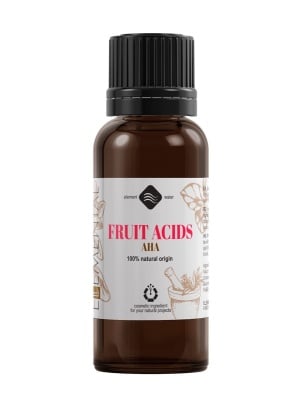
Lactic Acid has a specific structure that confers multifunctionality: it is both an effective chemical exfoliant and an essential physiological component of the skin's Natural Moisturizing Factor (NMF). In skincare applications, it is used to remove dead cells, refine skin texture, and optimize hydration levels. It is also suitable for adjusting the pH of cosmetic preparations.
It is a prominent representative of the alpha-hydroxy acid (AHA) class, produced on an industrial scale through the natural fermentation of plant carbohydrate sources (e.g., corn, beets).
Ingredients (INCI): Lactic Acid, Aqua
Technical Characteristics
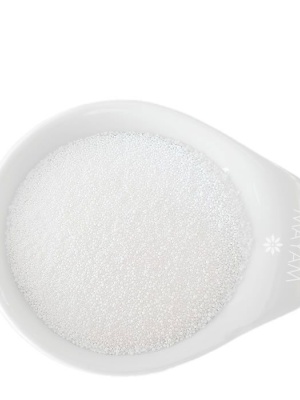
- Appearance: Slightly yellowish liquid with a characteristic, discreet sour odor.
- Solubility: Completely water-soluble.
- Cosmetic function: pH adjusting agent, chemical exfoliant (keratolytic), humectant.
- Indicative dosage: 0.1% - 1% for routine pH adjustment; 1% - 5% as a hydrating and exfoliating agent in regular-use products; up to 10% in intensive cellular renewal treatments (subject to pH limitations).
Main Properties
- pH Corrector: Acidifies cosmetic formulas to bring them into the ideal range of dermatological/functional compatibility.
- Biomimetic Hydrator: As a molecule recognized by the body as part of the NMF, it attracts and binds water directly within epidermal cells.
- Glow and Evening Effect: Removes dull appearance and surface flakes, leaving the skin luminous and silky.
- Hair Conditioner: Smooths the scales of the hair cuticle, eliminates dullness, and imparts shine.
Applications
- All types of creams, lotions, shampoos, and gels, for calibrating and adjusting the final pH.
- Serums and treatments for exfoliation and brightening.
- Toning lotions and facial cleansers for skin prone to imperfections or enlarged pores.
- Shampoos, conditioners, and hair masks intended for dull or damaged hair.
- Intimate hygiene products.
Formulation Guide
Lactic Acid is a potent ingredient. To ensure formulation stability and full user safety, observe the following recommendations:
- pH adjustment procedure: Add Lactic Acid drop by drop in the final phase of the process (usually), while stirring, constantly checking the value using a pH meter / test strip until the desired target is reached.
- For safety: When using Lactic Acid as an active exfoliating ingredient (leave-on), ensure that the pH of the finished product does not drop below 3.5. A pH lower than 3.5 is restricted in cosmetic products intended for the general public due to the risk of chemical skin irritation.
Safety in Use and Storage
Precautions: Concentrated liquid is corrosive and can cause severe irritation or burns upon direct contact with eyes and skin. Mandatory handling with protective gloves. In case of accidental contact, rinse immediately and thoroughly with clean water. Keep out of reach of children. Do not ingest.
Storage: In a tightly closed container, in a dry, cool place, away from direct light or heat sources.
Scientific References
- Smith, W. P. (1996). Epidermal and dermal effects of topical lactic acid. Journal of the American Academy of Dermatology
- Rawlings, A. V., Davies, A., Carlomusto, M., et al. (1996). Effect of lactic acid isomers on keratinocyte ceramide synthesis, stratum corneum lipid levels, and stratum corneum barrier function. Archives of Dermatological Research
- Algiert-Zielińska, B., Mucha, P., Rotsztejn, H. (2019). Lactic and lactobionic acids as removers of stratum corneum of delicate skin. Postepy Dermatologii i Alergologii
Details
Related Recipes and Articles
You'll like these too
Reviews
Write a valid review and earn loyalty points worth €0.40