Description
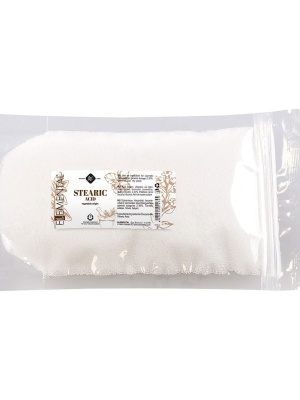
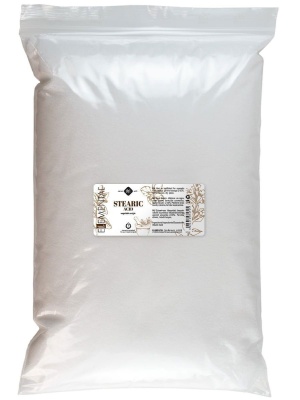
Stearic Acid - Texture Agent, Stabilizer, and Consistency Factor
Stearic Acid is a saturated fatty acid, naturally found in various vegetable butters and oils, being an indispensable ingredient in the formulation of solid cosmetics and rich emulsions. Although it bears the name "acid", in cosmetics it does not have an exfoliating role, but acts as a thickening and opacifying agent. It is present in creams, balms, ointments, sticks and baton-type products, soaps, candles.
Ingredients (INCI): Stearic Acid.
Technical Characteristics
- Origin: 100% vegetable (derived from vegetable oils).
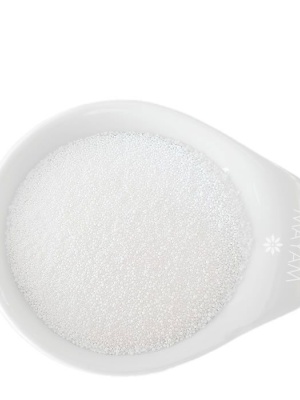
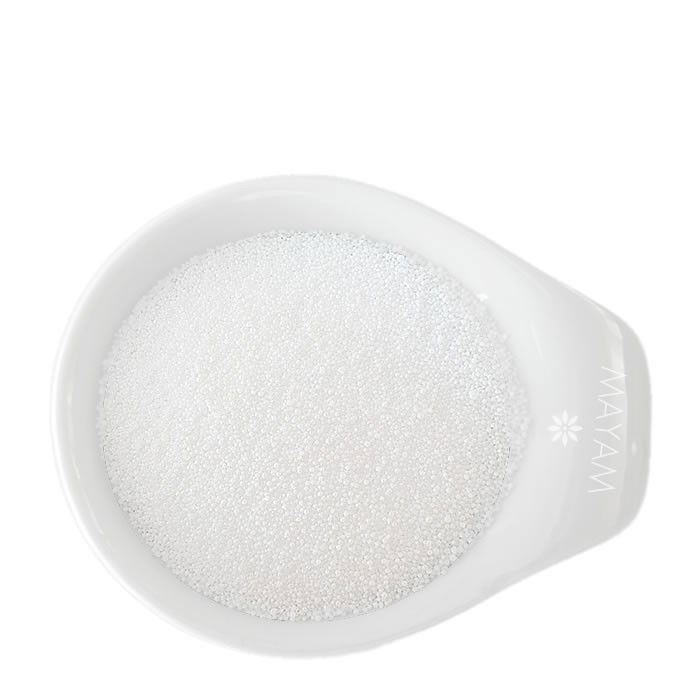
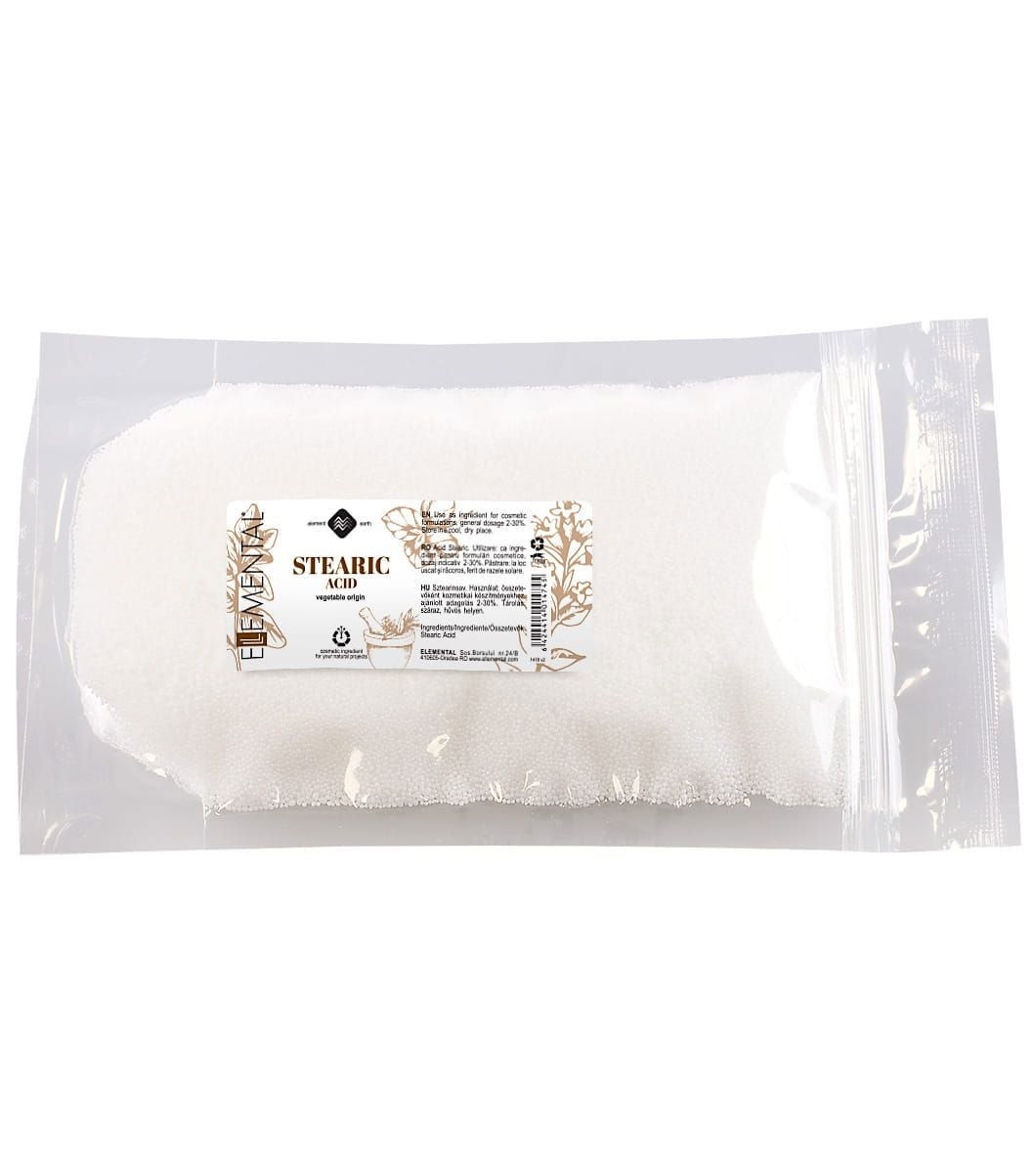
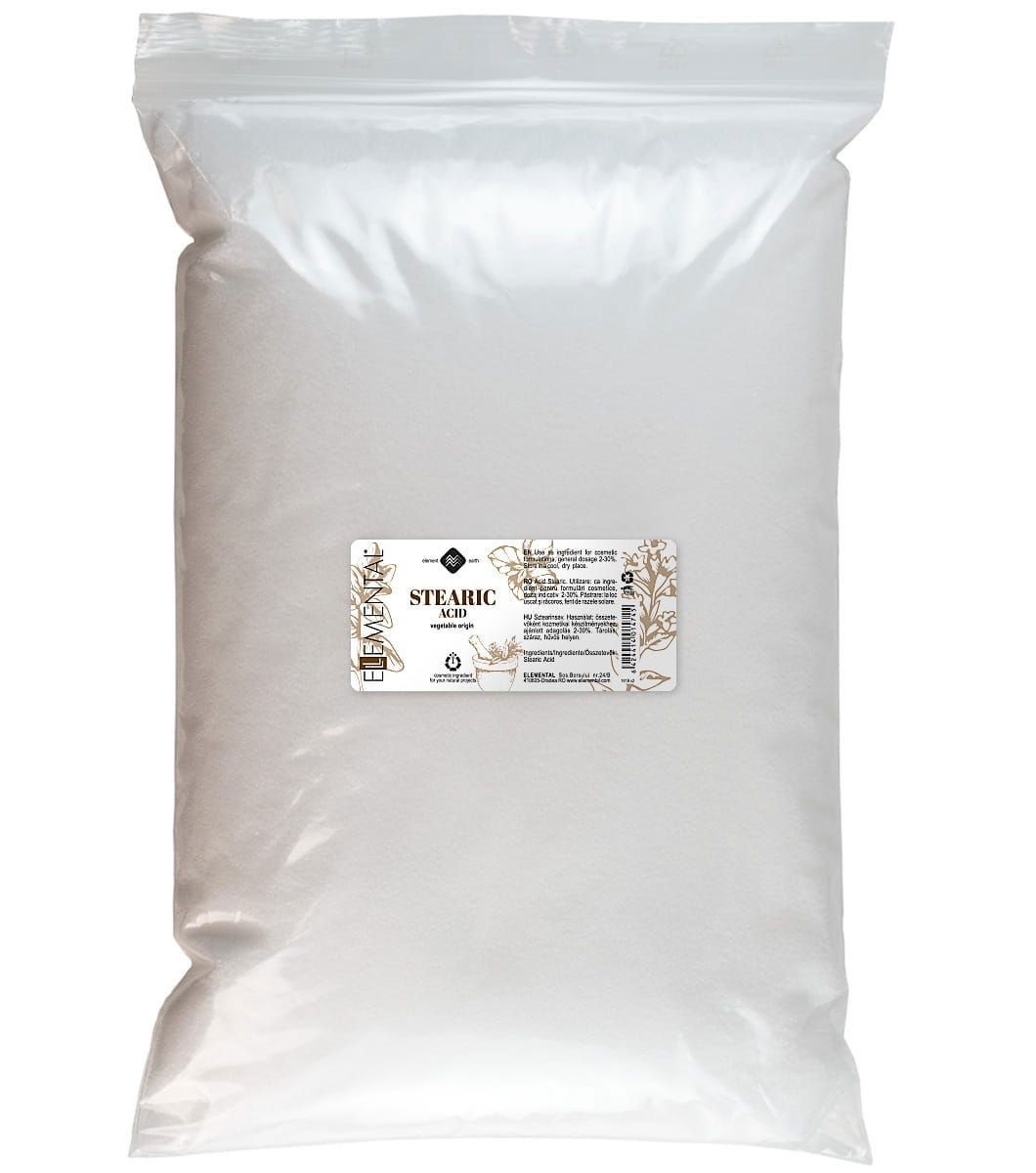
- Appearance: White granules or flakes with a neutral odor.
- Solubility: Soluble in the heated oil phase.
- Function: Co-emulsifier, thickening agent, consistency factor, opacifying agent.
- General recommended dosage: 2% - 10% (up to 30% in candles or solid products).
Information from Specialized Literature
Stearic acid is one of the most widely used raw materials in the cosmetic industry due to its safety profile and versatility:
- Emulsion Structuring: Specialized literature describes it as an excellent crystalline network-forming agent in creams, preventing phase separation and providing increased long-term stability.
- Sensory Profile: Unlike other vegetable waxes, stearic acid provides emulsions with a matte, non-glossy texture and a "dry touch" feel, facilitating rapid absorption into the skin.
- Skin Protection: As a natural component of the lipid barrier, it helps maintain the integrity of the stratum corneum and protects the skin against moisture loss.
- Saponification: In soap making, it is documented for its ability to accelerate the "trace" and provide a dense, stable lather.
Main Properties
- Consistency factor: Transforms a fluid lotion into a dense and rich cream.
- Opacifier: Gives cosmetic products a white, matte, unctuous appearance.
- Stabilizer: Helps maintain the homogeneity of Oil-in-Water (O/W) emulsions.
- Hardener (Hardening agent): Increases the melting point of lip balms and body butters, preventing them from melting at high ambient temperatures.
Applications
- Moisturizing face creams and body lotions.
- Shaving creams, cleansing creams.
- Lip balms and cosmetic sticks.
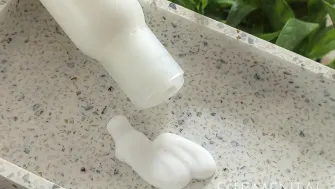
- "Whipped body butter" type body butters for an aerated but stable structure.
- Natural soaps made by the cold or hot process.
- Vegetable candles (increases burning time and opacity).
Formulation Guide
- Procedure: Add to the oil phase of the preparation and heat until completely melted (approx. 65-70°C). It is stable across a wide pH range.
- Ellemental Synergies:
- For the skin barrier: Combine with Sodium Lactate in the aqueous phase to create an intensely moisturizing and protective cream.
- For a velvety texture: Associate with MCT Oil to achieve rapid absorption and a matte appearance.
Frequently Asked Questions (FAQ)
Is it suitable for oily/acne-prone skin?
Although it is a fatty acid, vegetable stearic acid has a low comedogenic potential in well-balanced formulations. Its "dry" feel often makes it more pleasant on combination skin than other heavy vegetable butters.
Can I use stearic acid as the sole emulsifier?
No. Stearic acid is a co-emulsifier. It requires a primary emulsifier to create a stable emulsion, its role being to improve texture and stability.
Safety in Use
Profile: Safe, biodegradable ingredient of vegetable origin, oxidatively stable.
Precautions: External cosmetic use. Handle with care when hot (melted).
Storage: In a dry, cool place.
Scientific Reference Literature (2020-2024)
- Ferreira, M. S., et al. (2022). Fatty acids in cosmetics: The role of Stearic Acid in emulsion stability and skin barrier support. Journal of Cosmetic Dermatology.
- Gosh, S., et al. (2021). Effect of stearic acid concentration on the rheological properties of O/W cosmetic emulsions. International Journal of Cosmetic Science.
- Tan, C., et al. (2023). Vegetable-derived fatty acids: A sustainable approach to texture modification in personal care. Green Chemistry Letters and Reviews.
- Johnson, W. Jr., et al. (2020). Safety Assessment of Stearic Acid and Fatty Acids as Used in Cosmetics. Cosmetic Ingredient Review (CIR).