






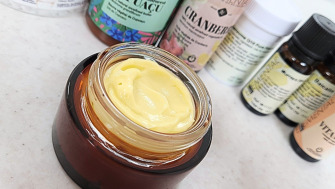
Formula: 32668 Difficulty level: advanced Shelf life: min 3 months pH optimal: 5.00-5.50 Phase Ingredients Dosage % Total 50 gr A Pure water 59,6 29,8 gr A Glycerin 5 2,5 gr B Cranberry oil 15 7,5 gr...
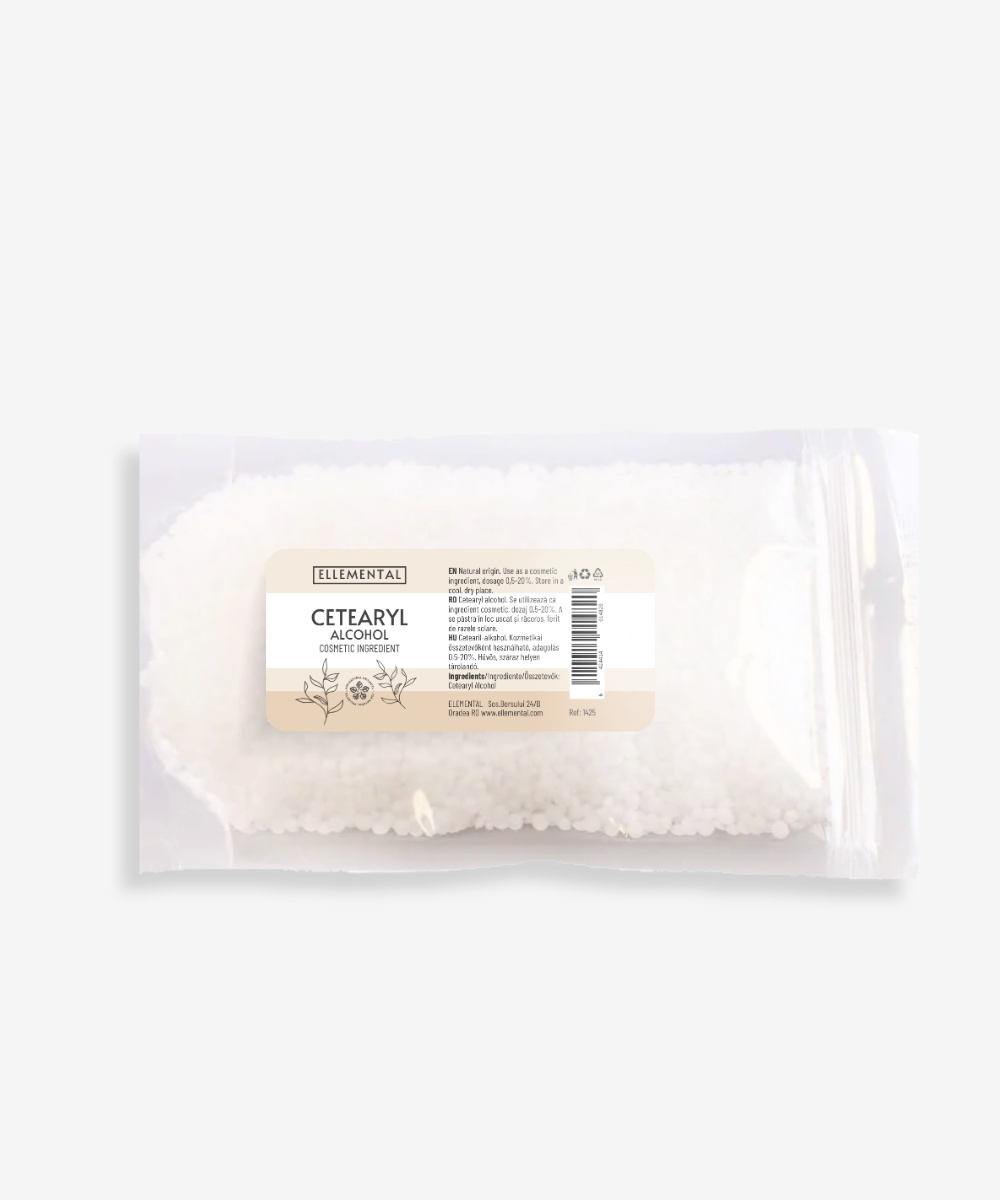
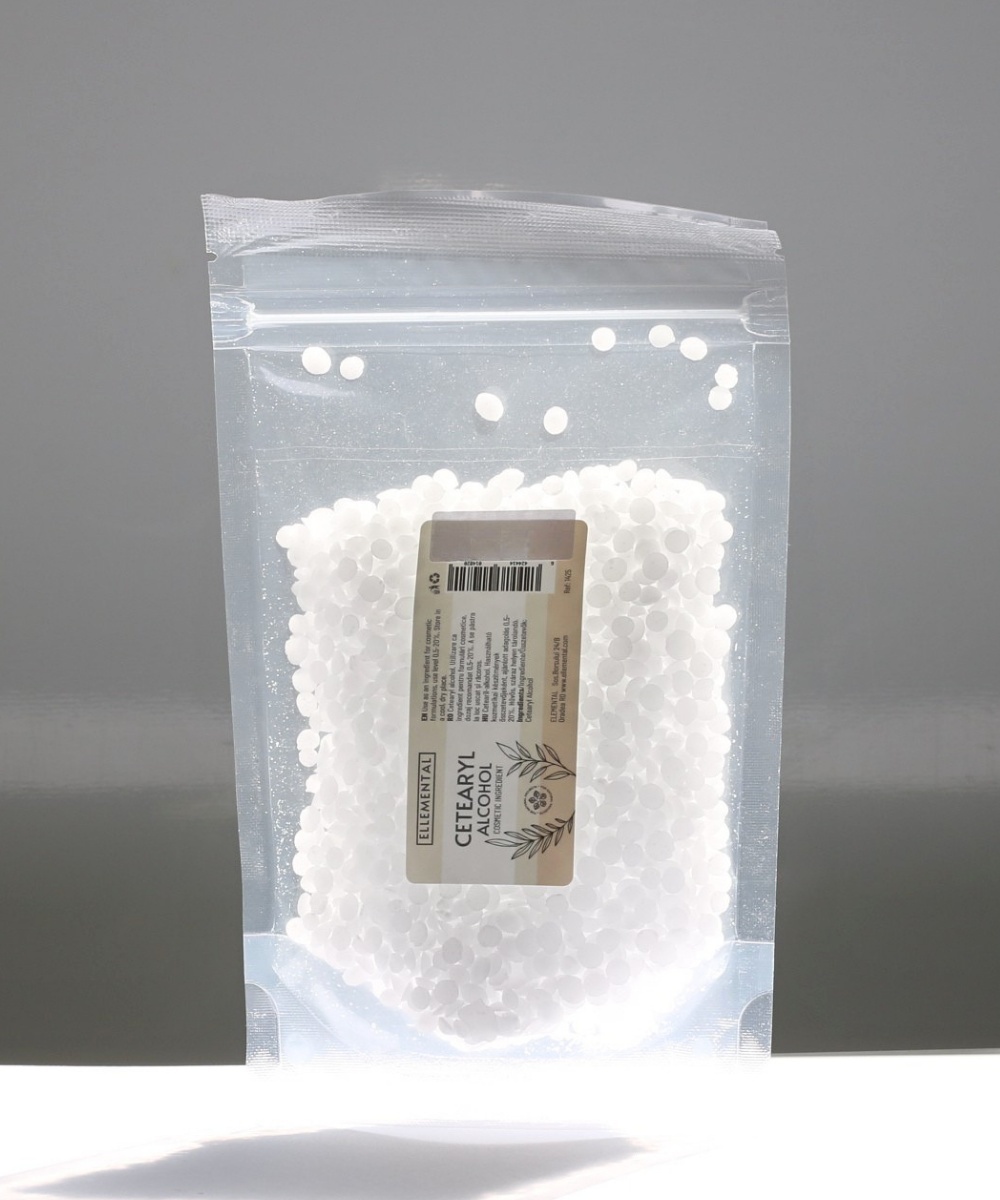
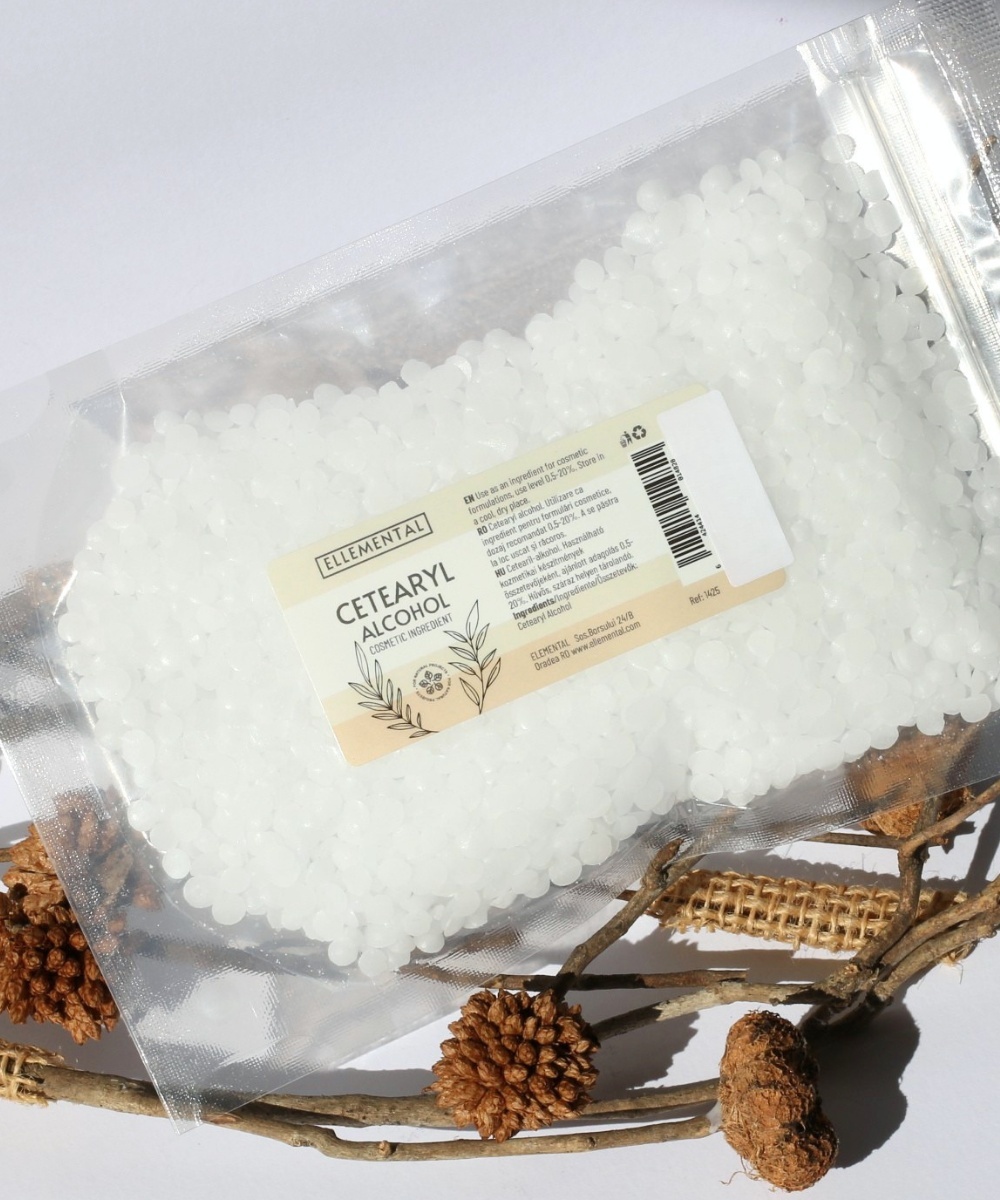
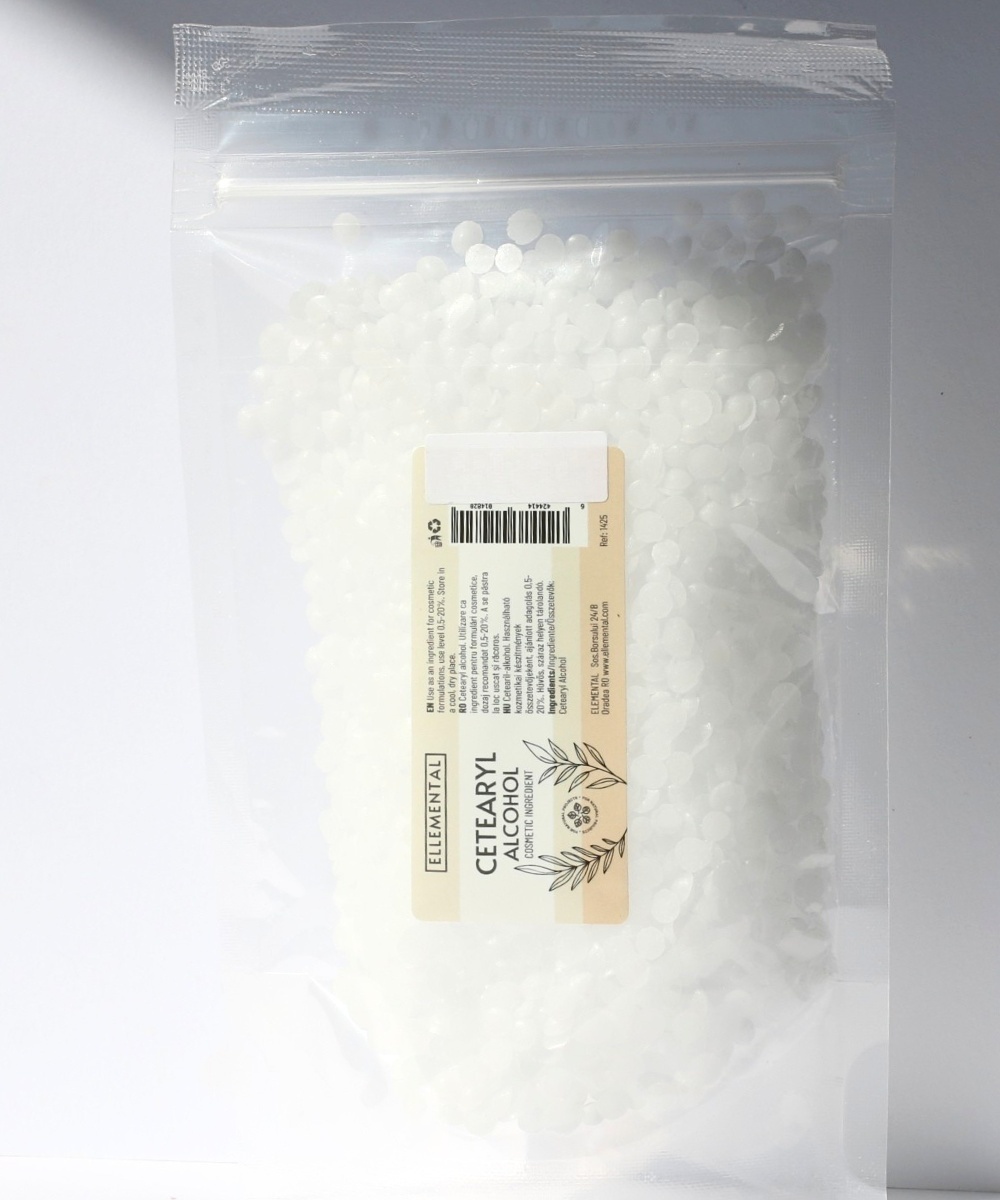
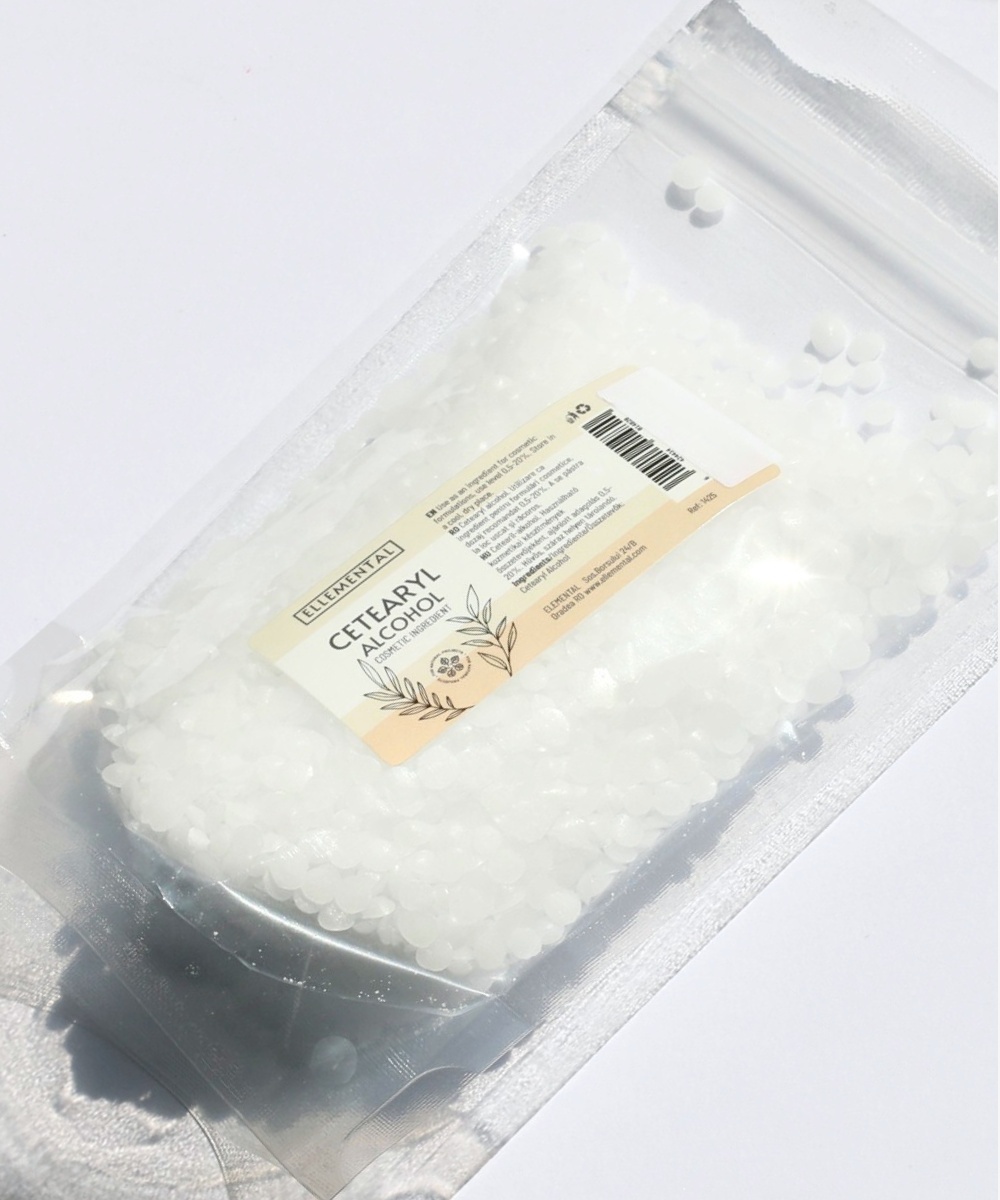
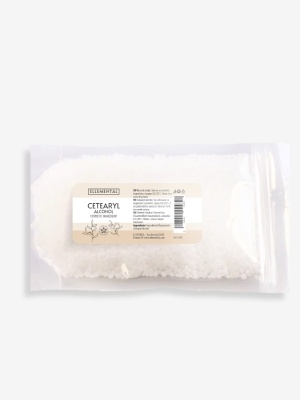
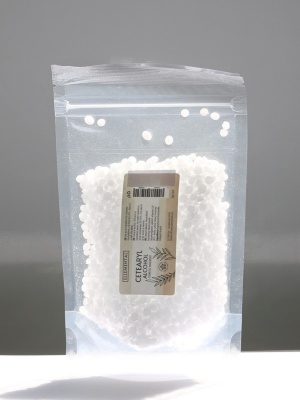
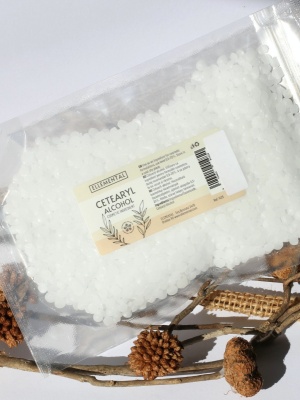
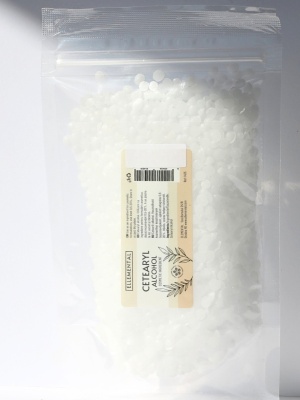
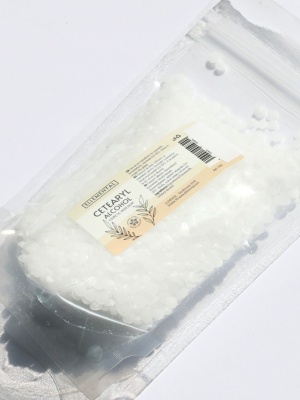
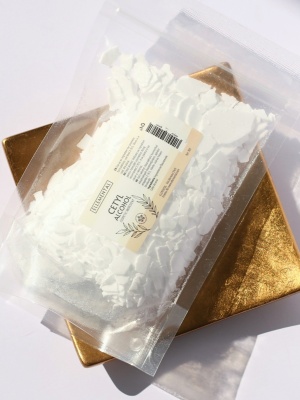
Cetearyl Alcohol – Consistency Agent, Co-emulsifier
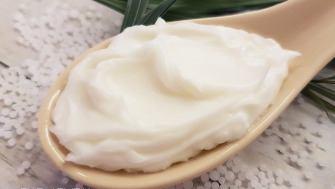
Cetearyl Alcohol is a consistency agent, co-emulsifier, and structural emollient. It does not possess standalone emulsifying properties; however, it performs optimally alongside a primary emulsifier, increasing viscosity, stabilizing emulsions, and providing a velvety texture.
Ingredients (INCI): Cetearyl Alcohol.
Will this alcohol dry out the skin?
No. Chemically, there is a major difference between alcohols such as Ethanol or Isopropyl Alcohol (which are volatile liquids that evaporate quickly and can dissolve the skin's natural lipids, causing dryness) and fatty alcohols such as Cetearyl Alcohol. Fatty alcohols are waxy solids; they do not evaporate or dry out the skin, but instead function as hydrophobic emollients that help maintain skin hydration.
My cream turned out far too compact and difficult to spread. What went wrong?
Too high a percentage of Cetearyl Alcohol was likely used, or the lipid phase contains too many waxes. To fluidize the texture and improve spreadability, reduce the dosage in the next batch and compensate for the difference by adding light esters or low-viscosity oils.
Safety Profile: Stable, non-irritating raw material, widely used in products formulated for sensitive skin.
Precautions: For external cosmetic use only.
Storage: Keep in a closed container, in a dry, cool place, protected from direct sunlight.
Write a valid review and earn loyalty points worth €0.40