


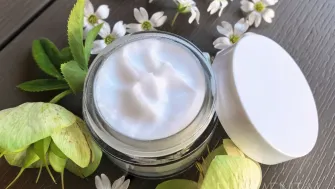
Formula: 43966 Difficulty Level: intermediate Shelf life: min. 3 months Optimal pH: 5.5-6.5 Phase Ingredients Dosage % Total 100 g A Pure / Distilled Water 75.5 75.5 g A Glycerin 4 4 g B Shea Butter...
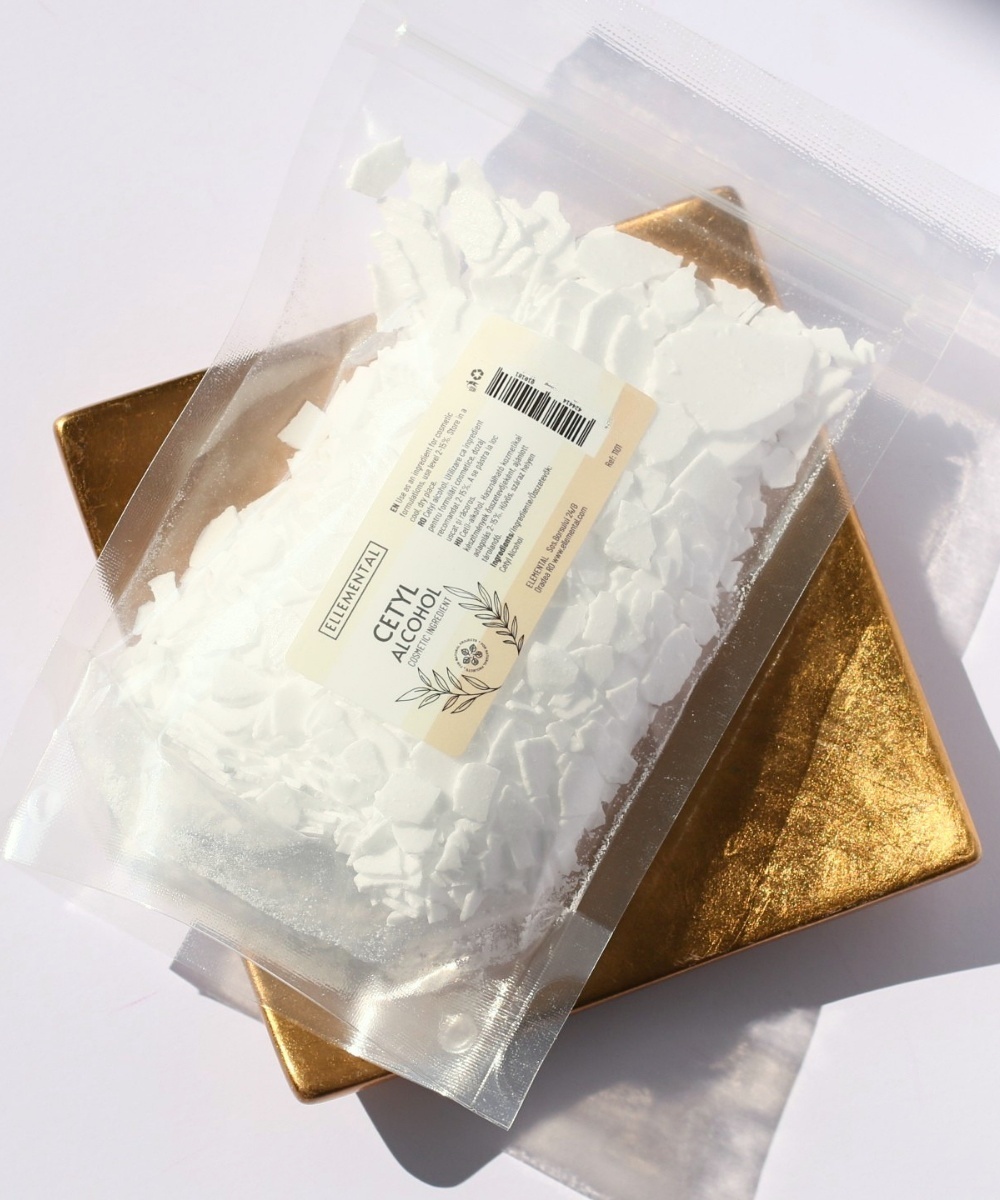
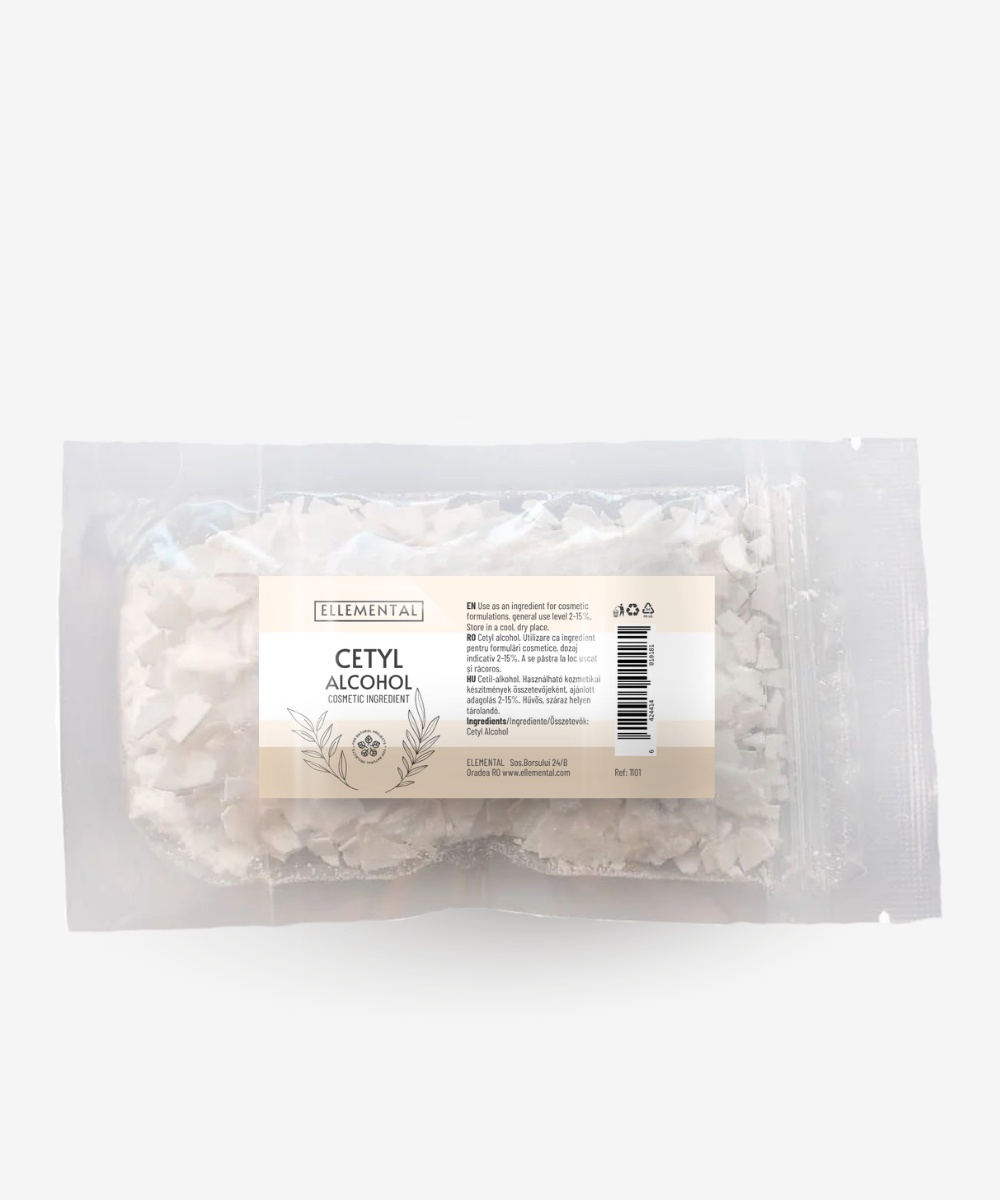
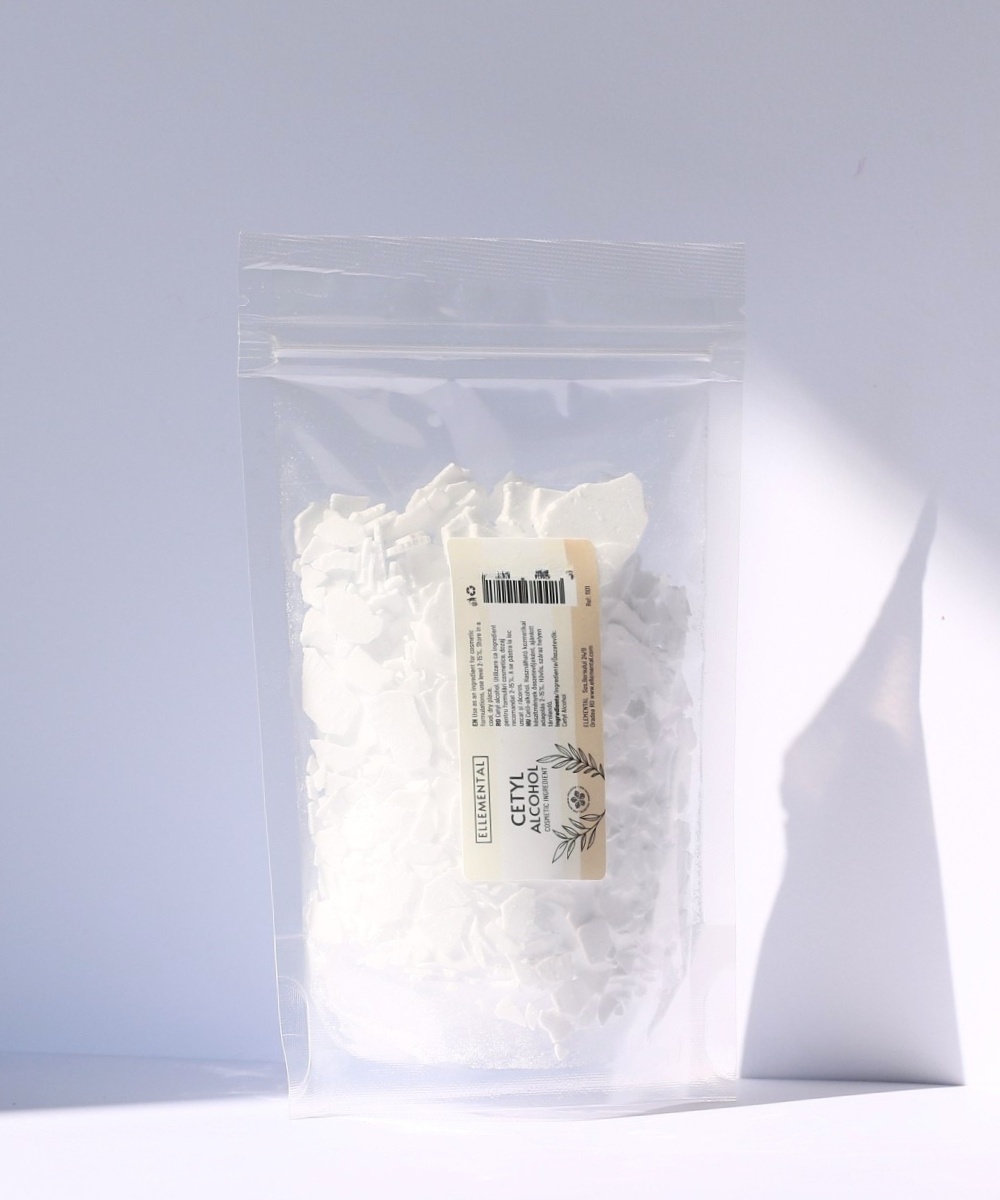
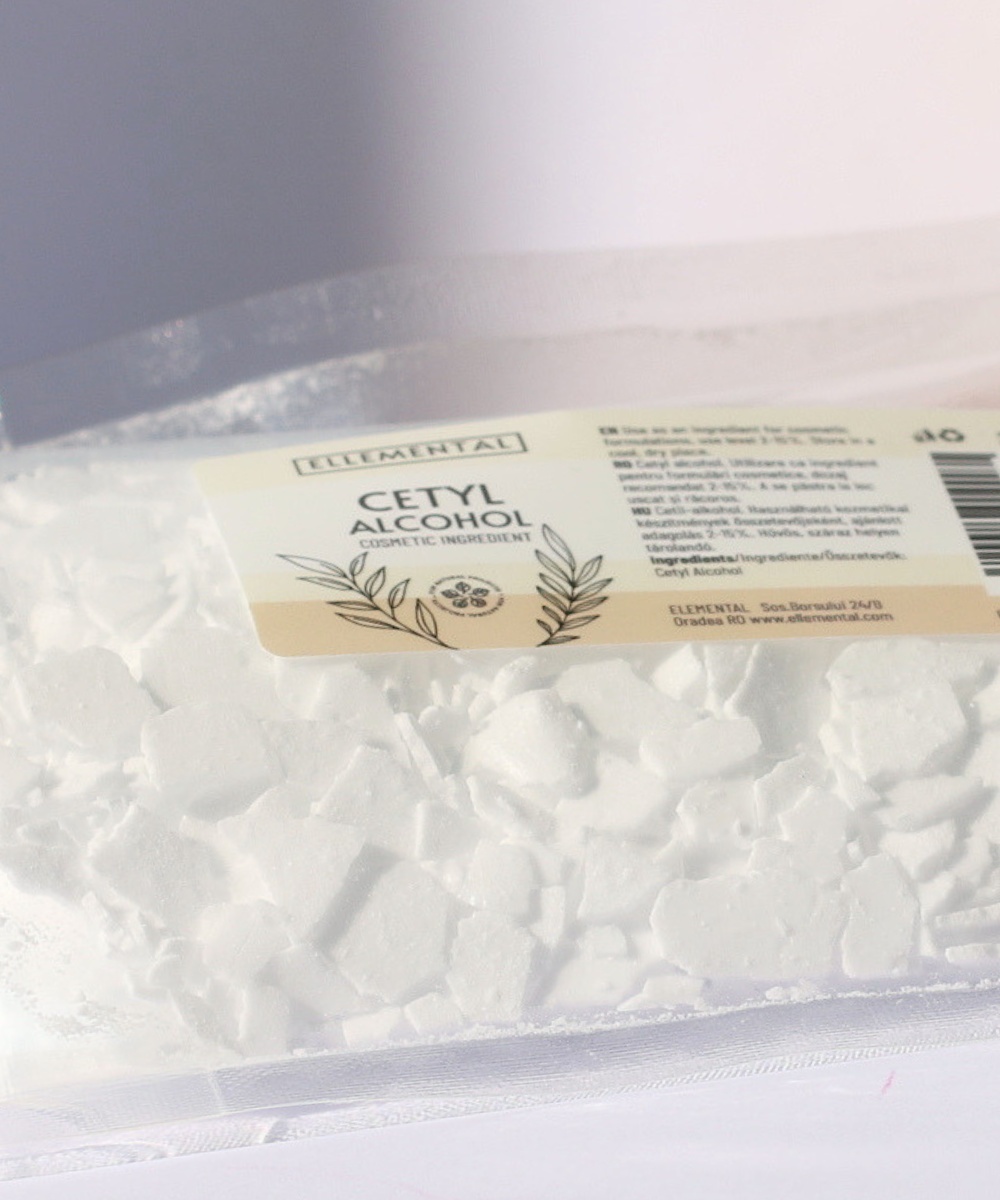
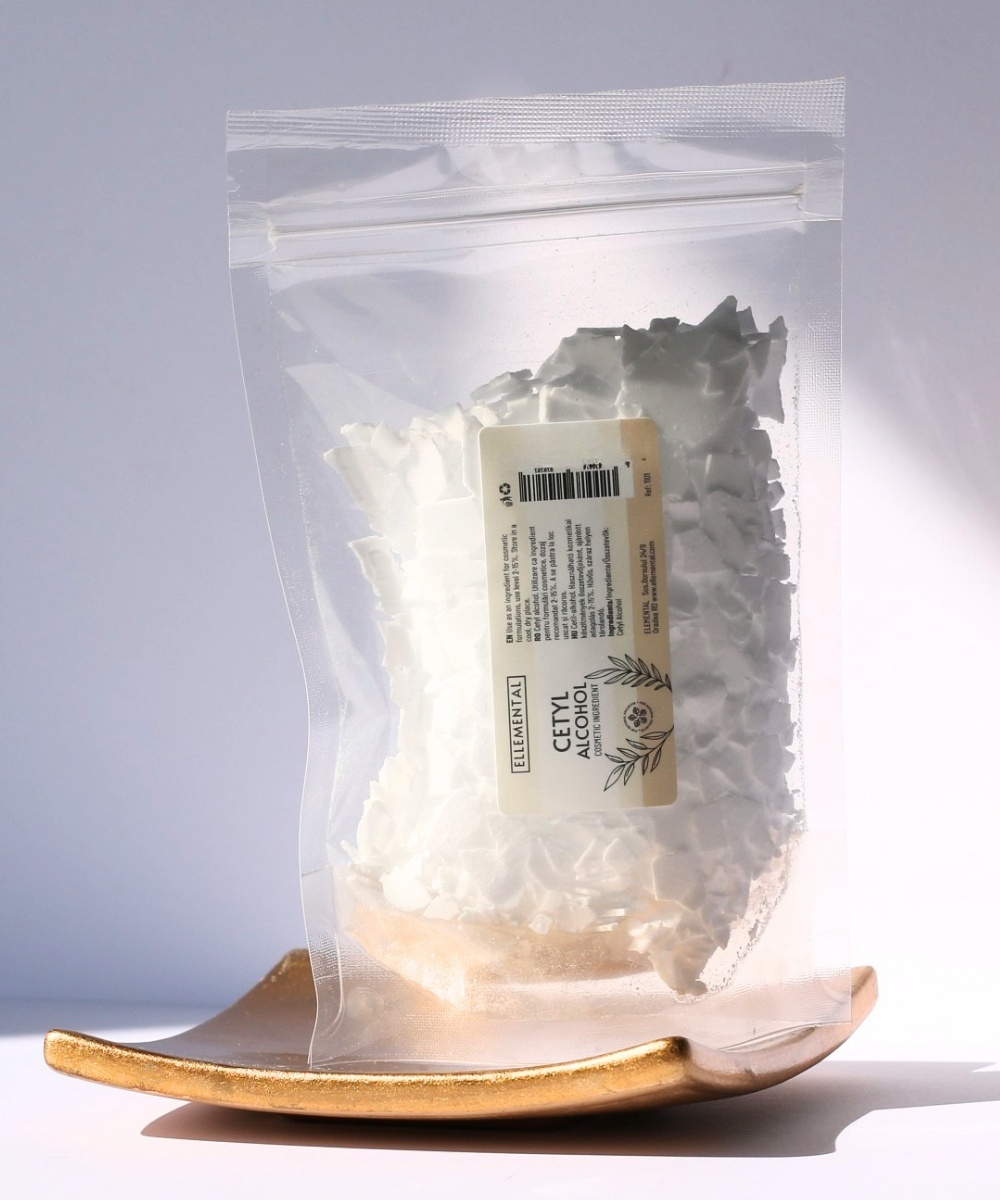
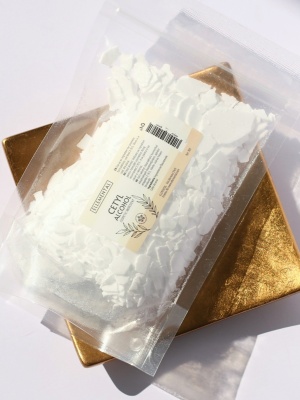
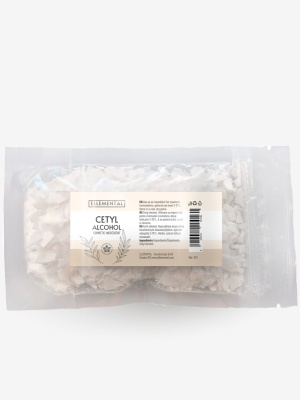
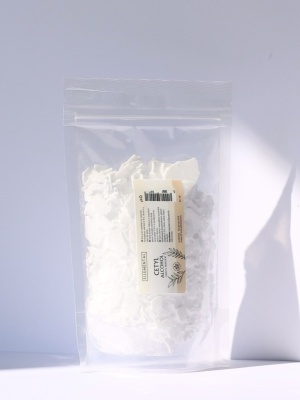
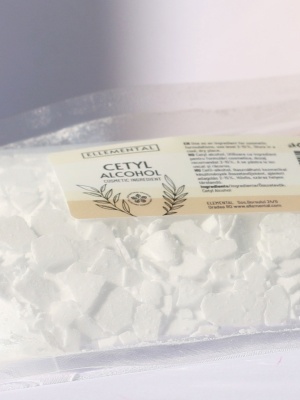
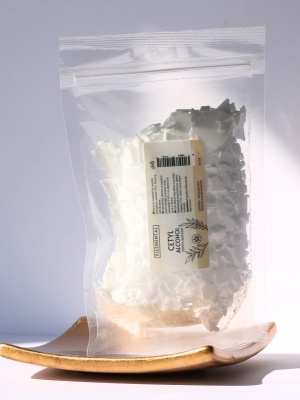
Cetyl Alcohol – Consistency Agent, Co-emulsifier, Stabilizer
Cetyl Alcohol is a structural consistency agent, emulsion stabilizer, and emollient. A plant-derived fatty alcohol used to increase the viscosity, stability, and consistency of cosmetic formulations, it imparts a pleasant, velvety feel to the skin. It provides a dry emolliency and reduces excess greasiness in formulations. It features better absorption compared to longer-chain fatty alcohols.
Former name: Stabila Co-emulsifier
Ingredients (INCI): Cetyl Alcohol.
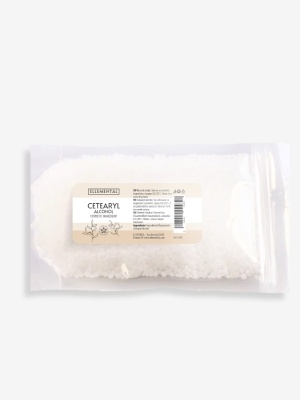
What is the difference between Cetyl alcohol and Cetearyl alcohol in cream formulation?
Both are fatty alcohols used as thickening agents and co-emulsifiers.
Cetyl - forms a finer, smoother texture with lower thickening power, delivering a satin finish.
Cetearyl - provides higher thickening power and better stabilization, offering a creamier consistency and richer body with a velvety finish.
Cetyl is selected for light creams with good glide; Cetearyl is chosen for richer, denser creams.
Safety Profile: Stable, non-irritating raw material, widely used in products formulated for sensitive skin.
Precautions: For external cosmetic use only.
Storage: Keep in a closed container, in a dry, cool place, protected from direct sunlight.
Write a valid review and earn loyalty points worth €0.40