


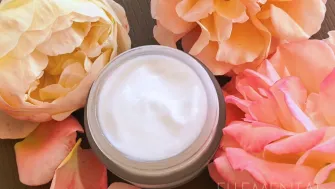
Formula: 43798 Difficulty Level: intermediate Shelf life: min. 3 months Optimal pH: 5.5-6.0 Phase Ingredients Dosage % Total 100 g A Pure / Distilled Water 79.70 79.7 g A Glycerin 4 4 g B Emulsifier...
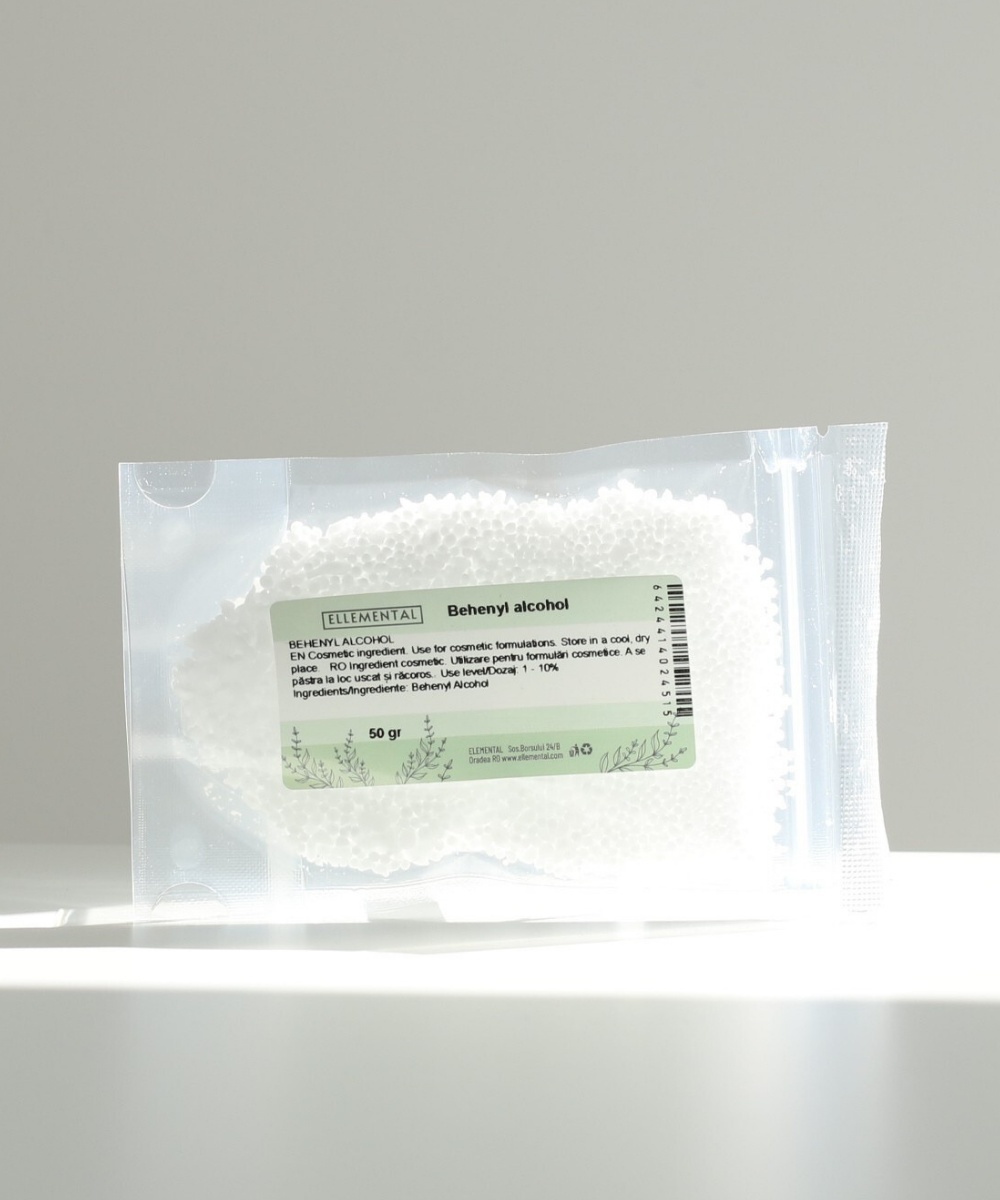
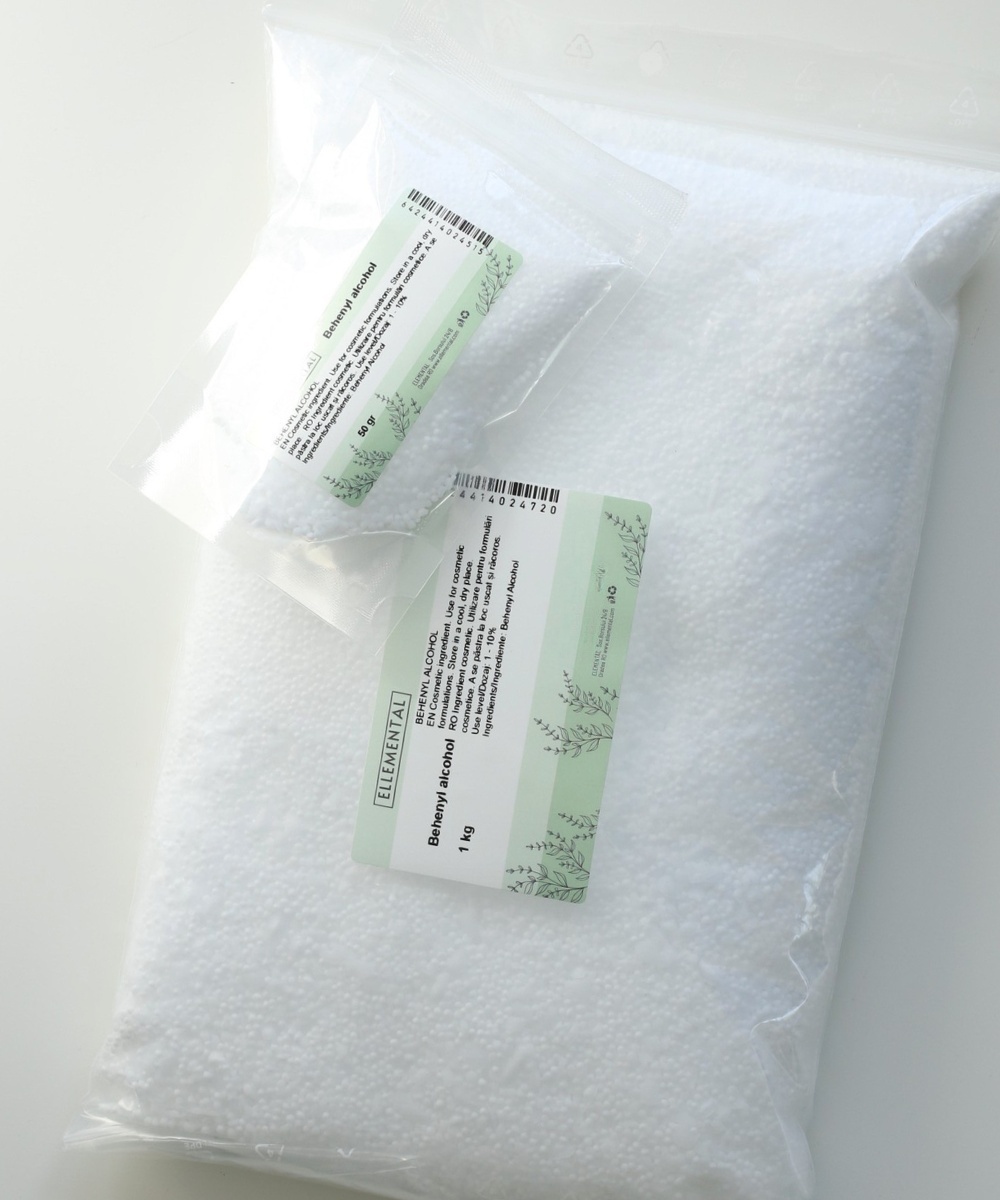
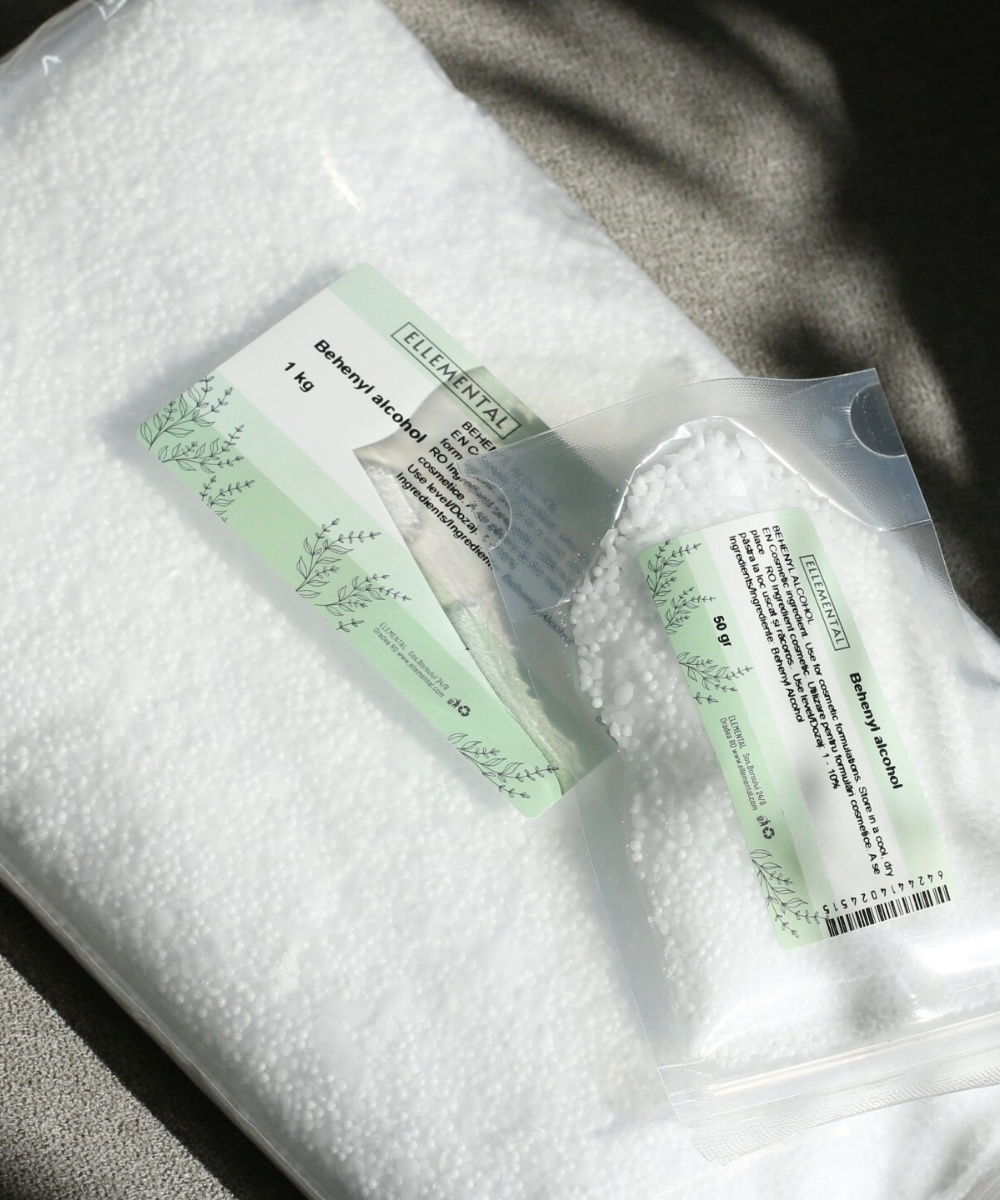
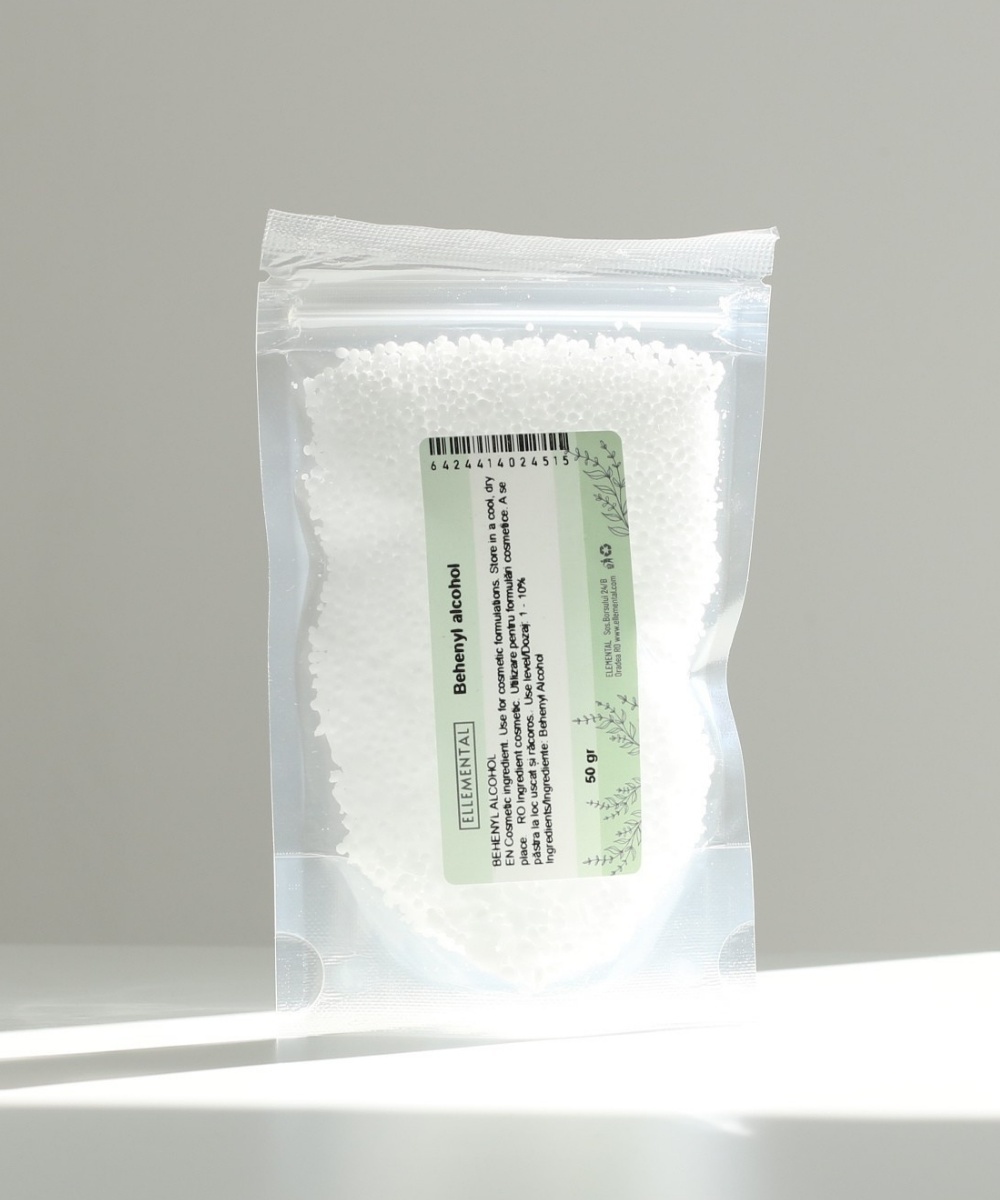
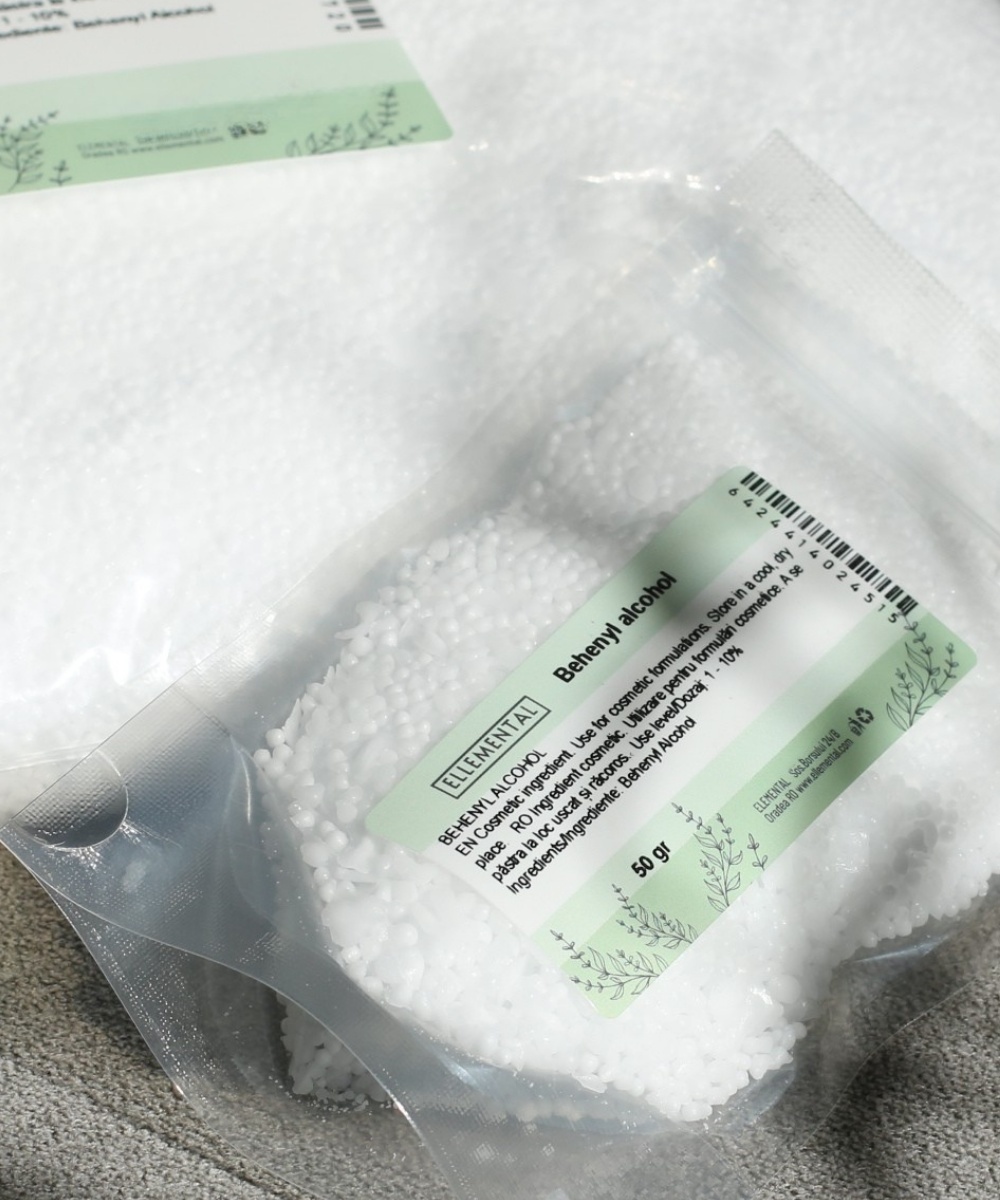
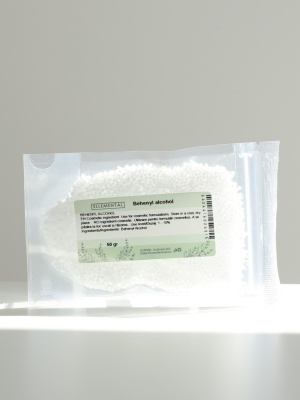
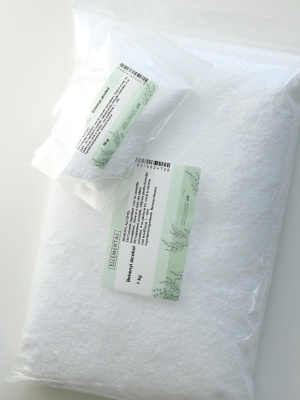
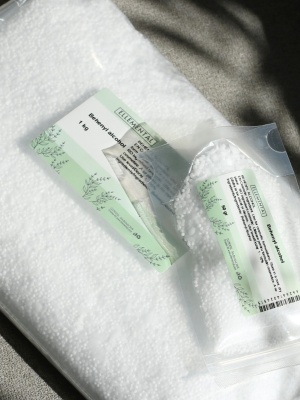
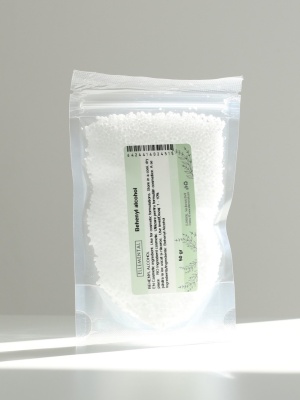
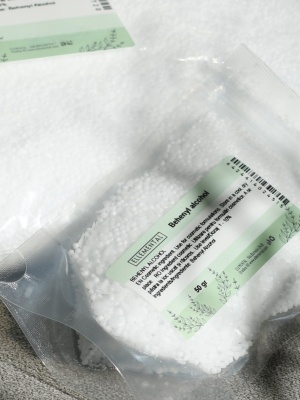
Behenyl Alcohol is a saturated fatty alcohol of plant origin, used in cosmetics as a consistency agent, co-emulsifier, and opacifier. It distinguishes itself from other fatty alcohols (such as Cetyl or Cetearyl alcohol) through its specific sensory profile featuring a matte, non-greasy finish.
It imparts a sophisticated texture to cosmetic products and acts as a protective and moisturizing agent, making it an optimal ingredient in modern O/W (oil-in-water) formulations and for structuring stick-type products.
Ingredients: Behenyl Alcohol
Behenyl Alcohol is extremely versatile and can be integrated into numerous personal care recipes.
Recommended dosage: 1-5% for emulsions; 3-10% for dense creams and body butters; 10% or slightly more for stick-type products.
Incorporation method: Added to the oil phase of the preparation. It requires heating, as it has a melting point of approximately 65°C.
Compatibility: Stable across a wide pH range and can be combined with other emulsifiers or fatty alcohols to achieve customized textures.
What is the difference compared to Cetyl alcohol or Cetearyl alcohol?
Behenyl Alcohol has a longer carbon chain (C22), which gives it a higher melting point and a less unctuous, drier, and more matte texture.
At what temperature should it be heated?
Since it has a melting point of around 65°C, the oil phase in which it is introduced should be heated up to 70°C, provided the formula does not contain ingredients requiring higher temperatures.
Is it a standalone emulsifier?
No, it is a co-emulsifier and consistency agent. It must be used together with a primary emulsifier to form a stable emulsion.
The product is intended for cosmetic use. It is considered a safe, non-irritating, and non-sensitizing ingredient.
There are no special usage restrictions in cosmetic products. It is biodegradable and not ecotoxic.
Storage: Store in a cool, dry place, away from moisture and heat sources. Close the container tightly after use.
Technical documentation and information provided by the Manufacturer.
CosIng - European Commission Database for Cosmetic Substances and Ingredients.
Specialized literature on the formulation of cosmetic sticks and emulsions.
Write a valid review and earn loyalty points worth €0.40