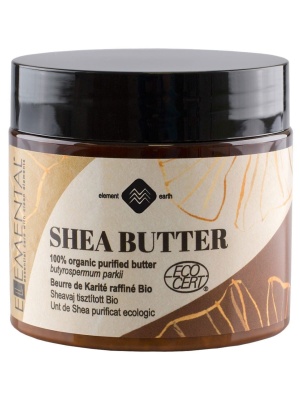
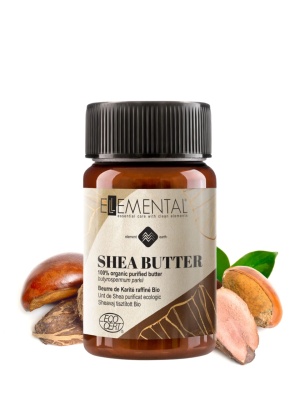
Shea butter Organic
Description
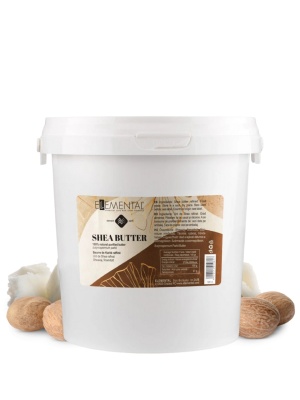
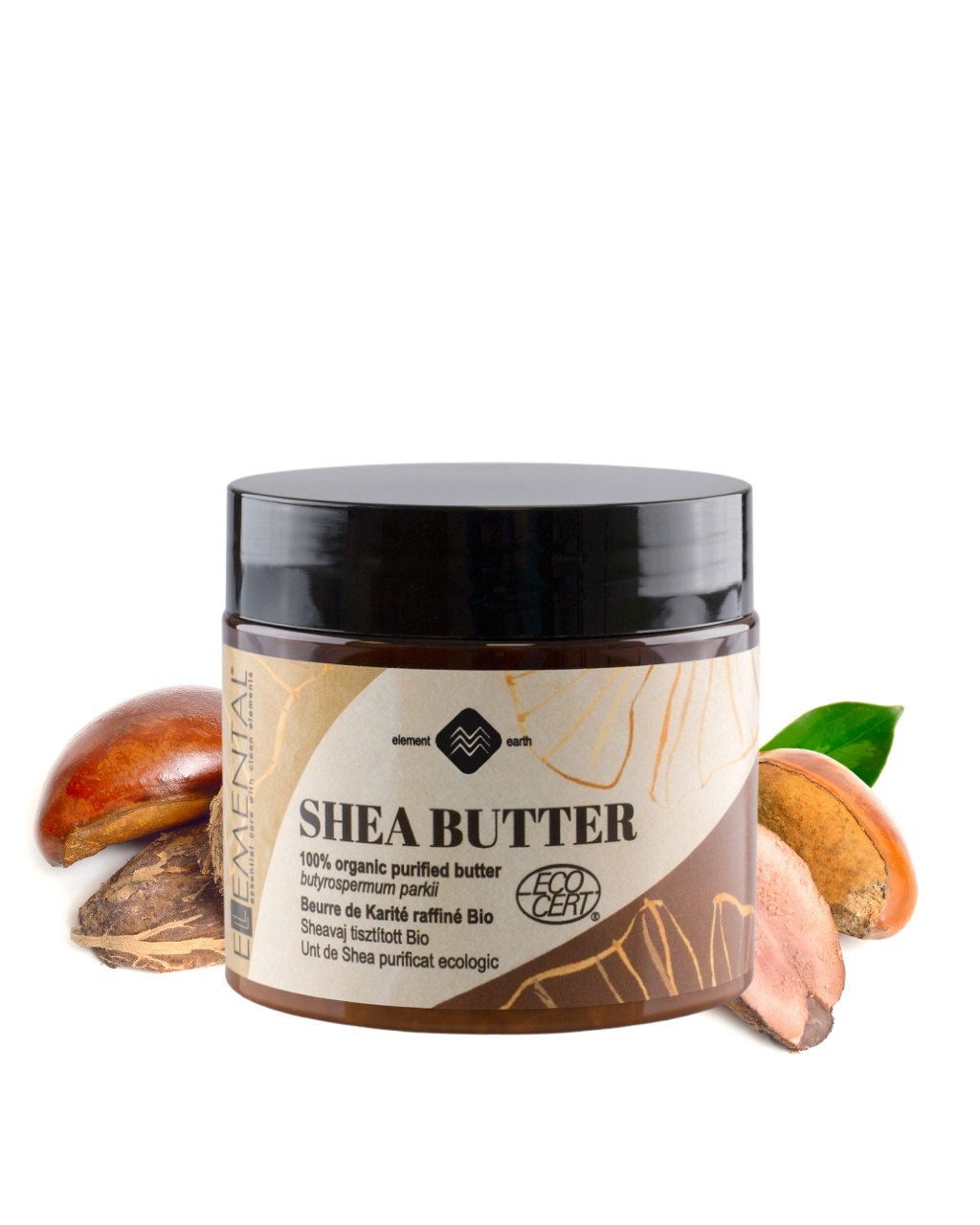
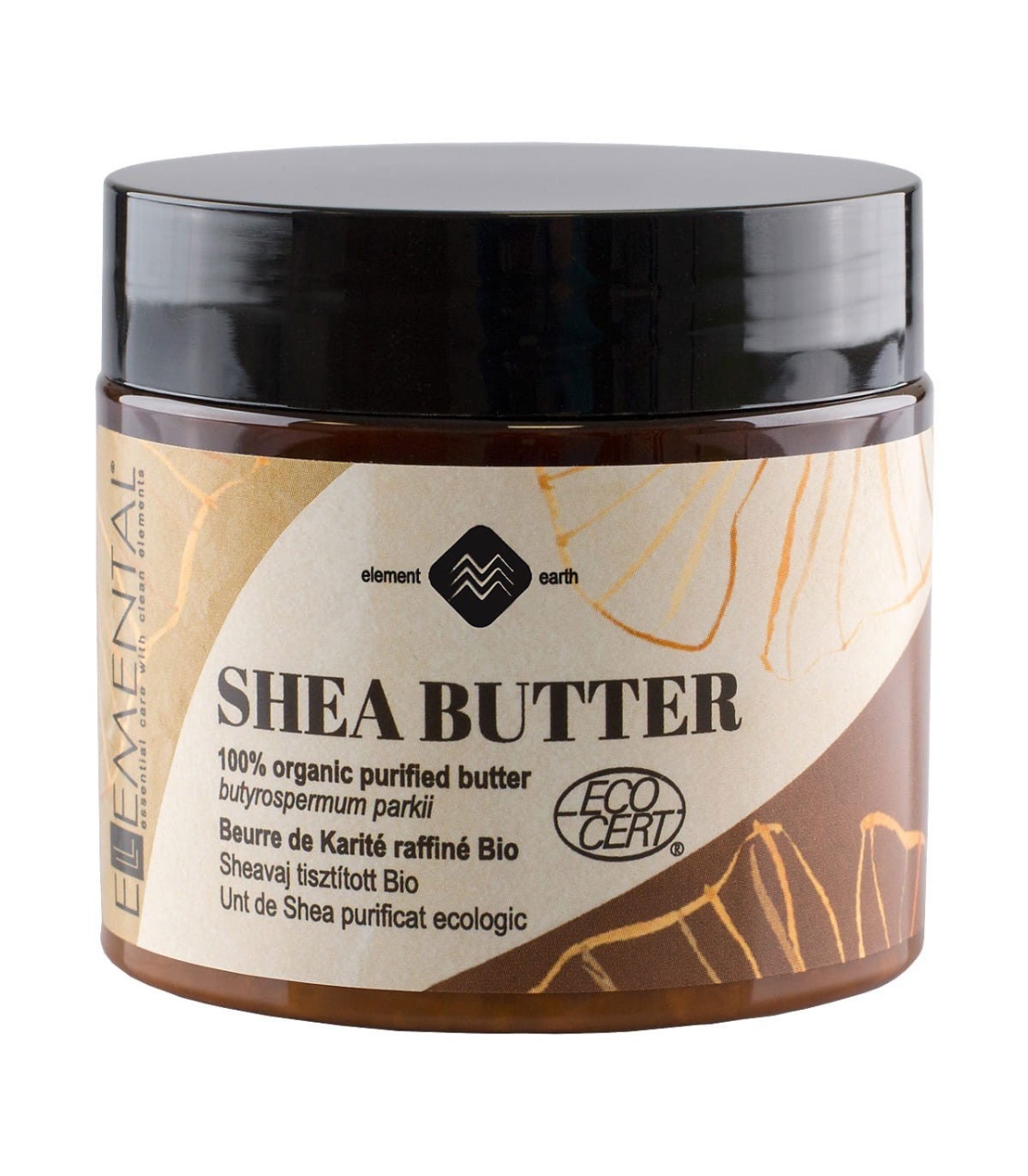
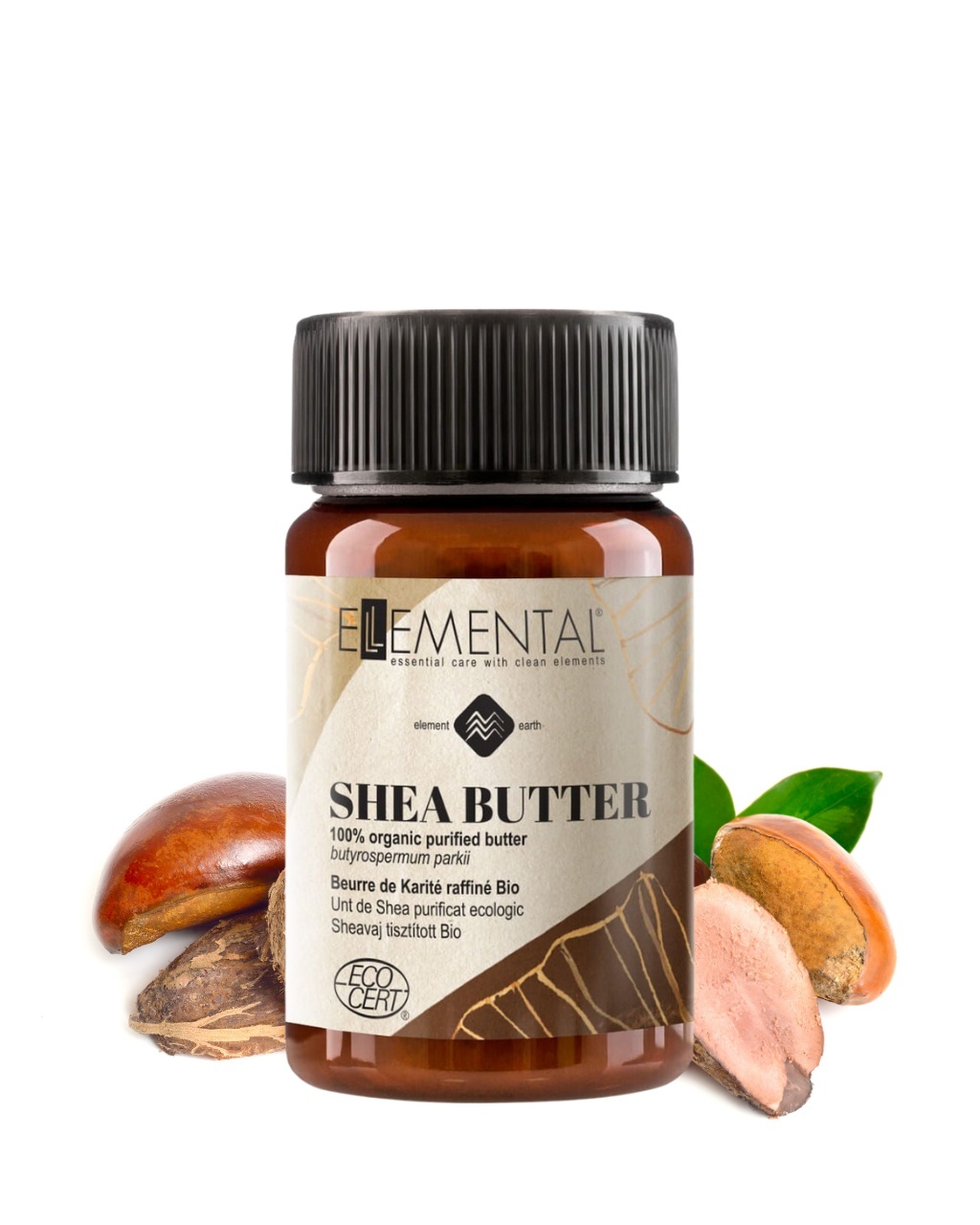
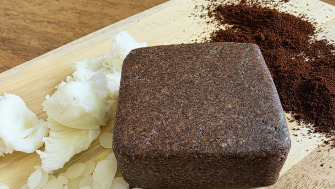
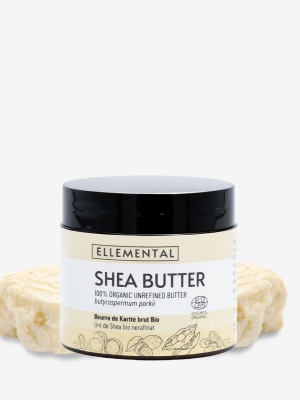
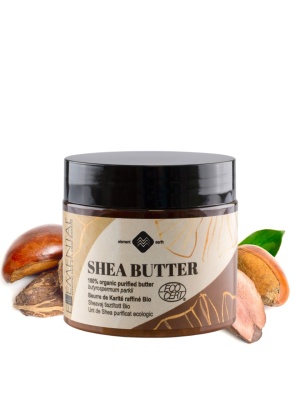
Organic Shea Butter, also known as Karité, is extracted from the nuts of the wild African tree Butyrospermum parkii. It is undoubtedly the most well-known and versatile vegetable fat in the world, used for centuries for its exceptional nutritive and healing properties.
What distinguishes Shea Butter from other vegetable oils is its unique and very high content of unsaponifiable fractions. This fraction is composed of phytosterols, triterpenes, tocopherols, and fatty alcohols, which confer anti-inflammatory and regenerating properties to the butter. It is a fundamental ingredient for repairing the altered skin barrier and for maintaining skin elasticity.
Characteristics
- eco Culture: Organic, Ecocert certified (origin West Africa)
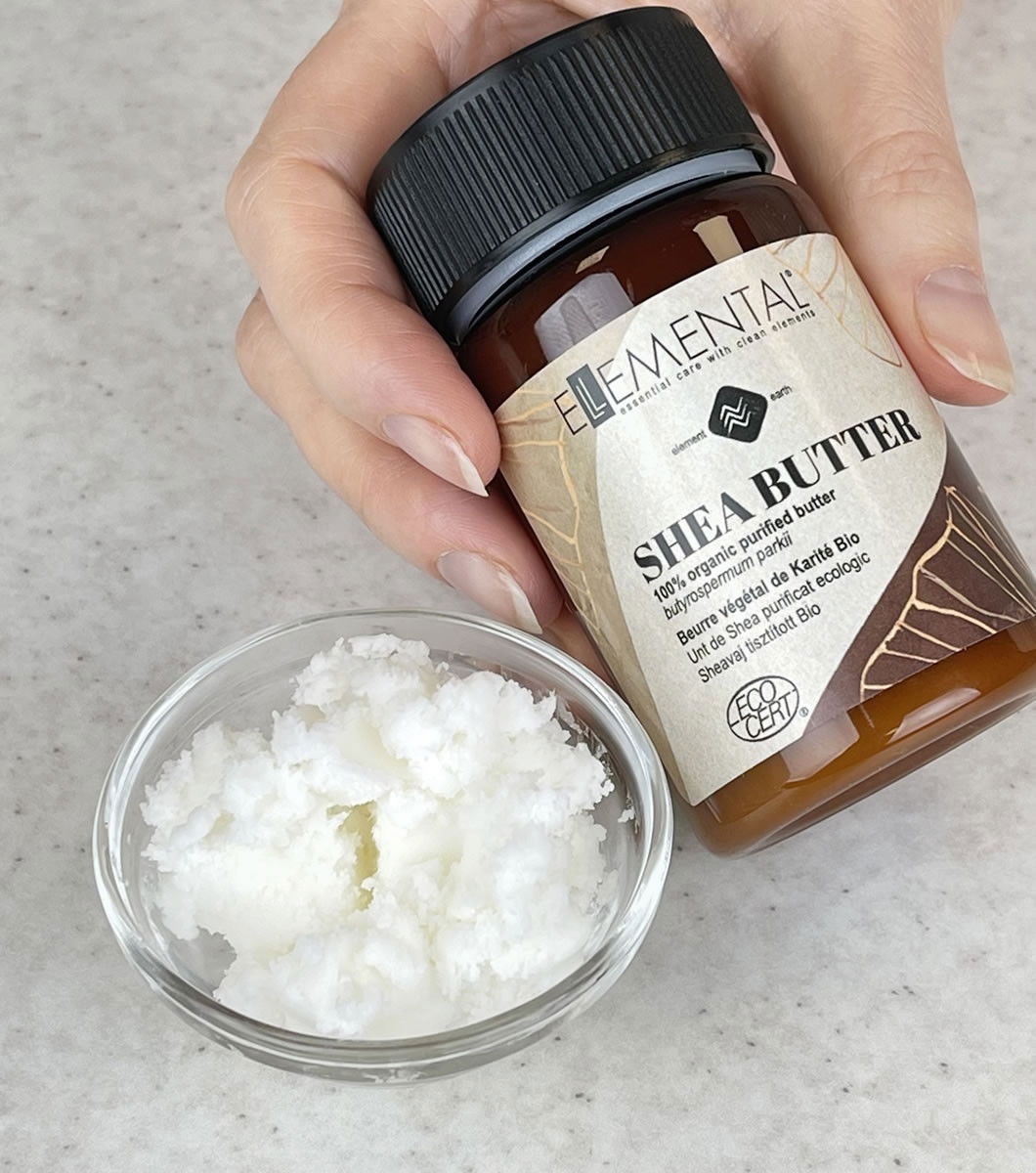
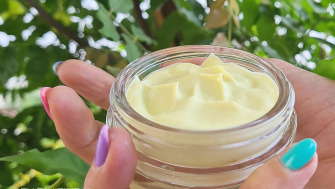
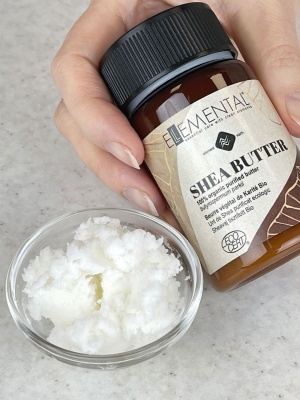
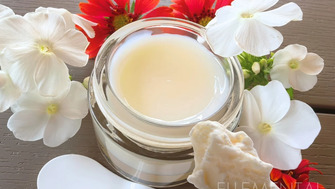
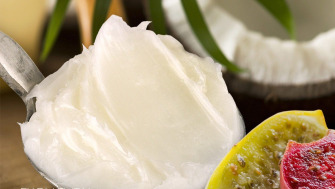
- water_do Appearance: Unctuous solid at room temperature, ivory or yellowish color, characteristic nutty/smoky smell
- verified_userCosmetic grade, mechanically pressed, unrefined, virgin
Ingredients: Butyrospermum Parkii Butter
100% of the total ingredients come from organic farming. COSMOS ORGANIC certified by Ecocert Greenlife according to the COSMOS standard.
Main properties
- checkStrong anti-inflammatory: Due to cinnamic acid esters and lupeol, it soothes redness, irritations, and skin inflammation.
- checkDeep hydration: Fatty acids restore the hydrolipidic film and prevent chronic dehydration.
- checkCellular regenerator: Stimulates collagen production, helping to heal scars, minor burns, and stretch marks.
- checkProtective: Forms an effective barrier against aggressive environmental factors.
- checkUniversal emollient: Suitable for the skin of babies, pregnant women, and people with atopic skin or psoriasis.
editor_choice Recommendations for use and Synergies
Facial care
Shea Butter is a repairing balm for dry, dehydrated, and mature skin. It is ideal for protecting lips and areas exposed to the cold. Although rich, it has a low to medium comedogenic rating, being tolerated by many skin types, but people with active acne should use it moderately.
Practical recommendations
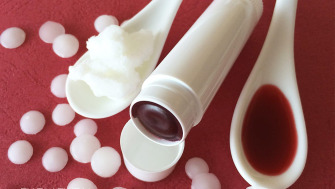
- SOS Lip Balm: Melt 1 tablespoon of Shea Butter and mix with 2 drops of Peppermint Essential Oil. Apply generously on cracked lips.
- Winter Night Cream: Incorporate Shea Butter (20%) into your regular face cream or use it as is, warmed in your palms, applied over a watery serum (hyaluronic acid) to seal hydration (occlusive effect).
- Eye contour mask: Apply a thin layer on the periocular area in the evening to prevent "crow's feet" wrinkles.
Synergies in facial care
Combines excellently with Argan Oil (for anti-aging effect), Rose Water (applied before the butter), and Lavender or Chamomile Essential Oil for soothing.
Hair care
For hair, Shea is the king of hydration for curly, dry, dyed, or brittle hair. It nourishes the hair fiber deeply and soothes irritated scalp or scalp with dry dandruff.
Practical recommendations
- Split ends mask: Melt Shea butter and mix with Castor Oil (50:50). Apply to ends and leave on overnight.
- Curl defining cream: Rub a small amount of butter between palms and apply to damp hair, by squeezing strands in your fist ("scrunching" method), to define curls and eliminate frizz.
- Dry scalp treatment: Massage the scalp with melted Shea butter mixed with Neem or Tea Tree oil to fight flaking and irritation.
Synergies in hair care
Works perfectly alongside Coconut Oil (for penetration), Avocado Oil, and Ylang-Ylang Essential Oil for shine and strength.
Body care
Organic Shea Butter is the basic ingredient for preventing and treating stretch marks (pregnancy, weight variations), for soothing eczema, dermatitis, and sunburns. It is indispensable in post-shower skin care.
Practical recommendations
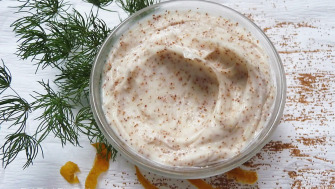
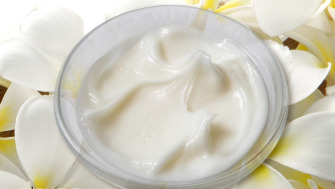
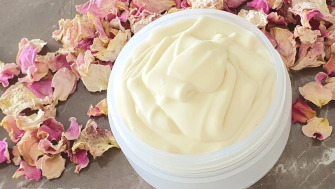
- Whipped Shea Butter: Melt 70% Shea Butter and 30% Sweet Almond Oil (or Jojoba). Cool until semi-solidified, then mix with an electric mixer for 10 minutes until it becomes like whipped cream. Add Vitamin E. This is the most popular DIY recipe.
- Post-epilation soothing: Apply pure butter immediately after epilation to reduce redness and prevent folliculitis.
- Hand and heel cream: Apply a thick layer in the evening and cover with cotton gloves/socks.
Synergies in body care
For stretch marks, associate with Rosehip Extract and Wheat Germ Oil. For dermatological problems (eczema), combine with Black Cumin Oil and Calendula Macerate.
Frequently Asked Questions (FAQ)
- Does it have an unpleasant smell?
- Unrefined Organic Shea Butter has a specific, natural smell, described as nutty, smoky, or earthy. This is an indicator of quality and the fact that nutrients have not been destroyed by refining. If the smell is bothersome, you can easily mask it with essential oils.
- Why does my butter have granules?
- Crystallization (graininess) is a natural phenomenon in unrefined butter, caused by slow cooling which allows fatty acids to separate. It does not affect quality. To remedy, melt the butter completely and cool it rapidly in the freezer.
- Is it comedogenic?
- Shea Butter has a comedogenic score of 0-2 (very low to low). Although it is greasy, it does not tend to block pores for most people, because it mimics the skin's natural sebum. However, testing is recommended for acne skin.
- Can I use it if I have a nut allergy?
- Although extracted from a nut, proteins that cause allergies are absent or minimal in the butter. However, people with severe nut allergies should consult a doctor and perform a skin patch test.
- Does it contain latex?
- Yes, Shea butter naturally contains a small amount of latex (gutta-percha). People with severe latex allergy should avoid this product or perform a patch test.
Technical data, quality
Shea Butter is composed of a saponifiable part (triglycerides) and a remarkable unsaponifiable part. The melting point is approximately 28-34°C, which makes it melt upon contact with the skin.
The main active compounds are:
- Oleic Acid (40-60%): Omega-9, ensures a soft texture and intense hydration.
- Stearic Acid (20-50%): Offers solid consistency and skin barrier protection.
- Unsaponifiable Fraction (up to 17%):
- Triterpenes (triterpene alcohols): Lupeol, parkeol - responsible for anti-inflammatory effect and inhibition of collagen degradation.
- Cinnamic acid esters: Absorb UV radiation (low natural SPF, approx 3-4).
- Vitamin E (Tocopherols) and Vitamin A: Powerful antioxidants.
Warnings, Safety data
General precautions
- Product intended for external cosmetic use only.
- Keep out of reach of children.
- Avoid contact with eyes.
Safety in use
Shea Butter is one of the safest cosmetic ingredients existing, suitable for sensitive skin, including newborns. Irritation risks are minimal. The only major contraindication represents people with a diagnosed latex allergy, as the Shea tree belongs to the Sapotaceae family and contains gutta-percha (a type of natural latex).
Storage, keeping
- Store in a cool place (below 25°C), dry, away from direct light.
- Being very oxidatively stable (due to tocopherols), it lasts well over time (1-2 years).
- If it melts in heat, its qualities are not affected, but texture may modify upon recrystallization.
Sources
Bibliography and official scientific sources:
- Akihisa, T., et al. (2010). Anti-inflammatory and chemopreventive effects of triterpene cinnamates and acetates from shea fat. Journal of Oleo Science.
- Malachi, O., et al. (2014). Chemical composition, antioxidant and antimicrobial activities of Vitellaria paradoxa. Journal of Food Biochemistry.
- Honfo, F. G., et al. (2014). Nutritional composition of shea products and chemical properties of shea butter: a review. Critical Reviews in Food Science and Nutrition.
- Loden, M., & Andersson, A. C. (1996). Effect of topically applied lipids on surfactant-irritated skin. British Journal of Dermatology.
- European Pharmacopoeia / WHO monographs for African medicinal plants.
Why we love it
Organic Shea Butter is, simply put, essential. It is not just a cosmetic product, but an African cultural heritage, rightfully called "Women's Gold". We love it for its honesty: a raw, unrefined ingredient that does exactly what it promises - repairs, nourishes, and protects. Whether we use it to soothe a baby's diaper rash, treat rough hands in winter, or in a luxurious body butter, Shea remains the gold standard in natural hydration.
Details
Related Recipes and Articles
You'll like these too
Reviews
Write a valid review and earn loyalty points worth €0.40