




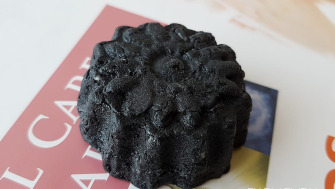
Formula: 37802 Difficulty level: beginner Shelf life: min 6 months pH optimal: - Phase Ingredients Dosage % Total 50 gr A Kokum butter 8 4 gr A Cetearyl alcohol 12 6 gr A Surfactant SCI 50 25 gr A...
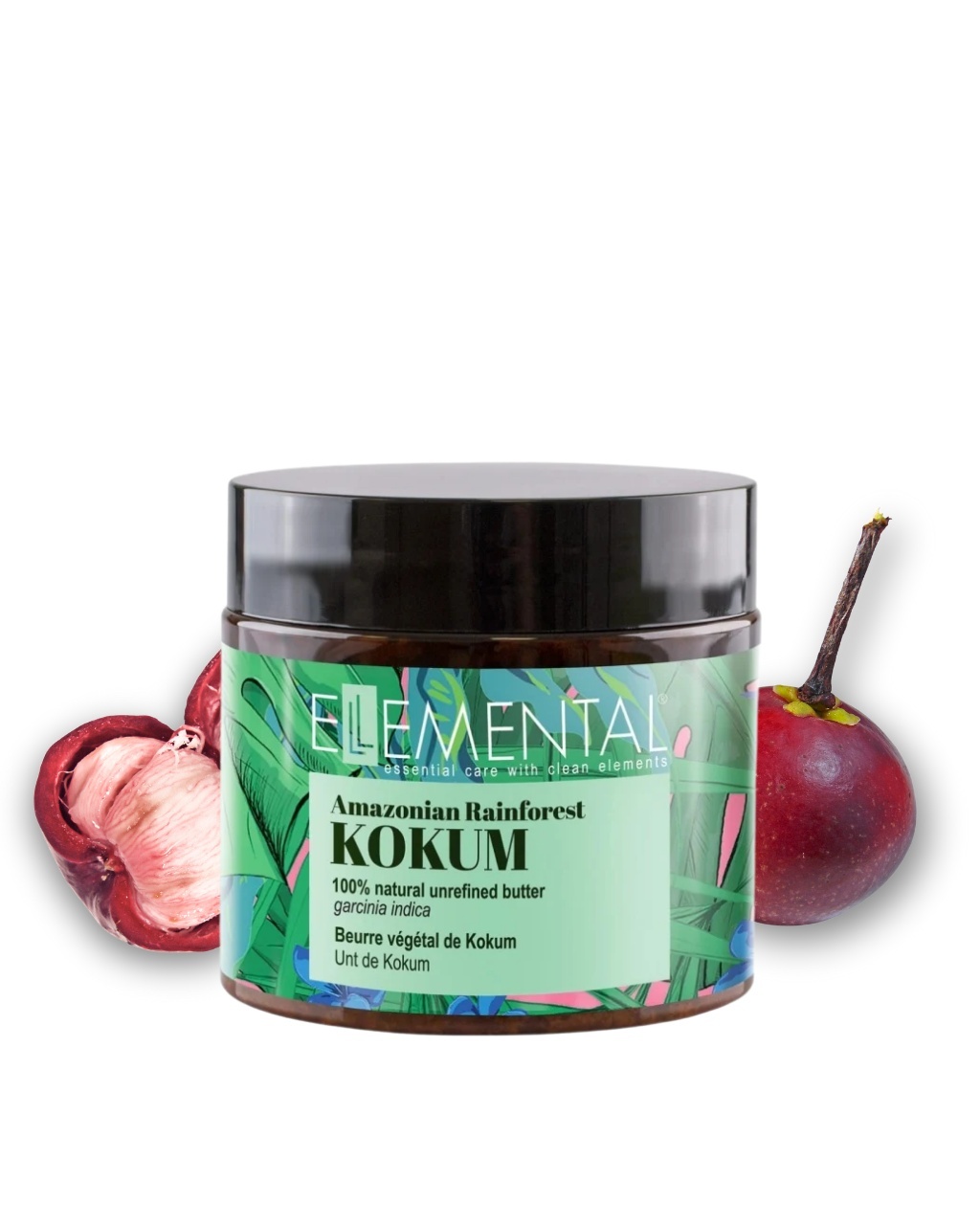
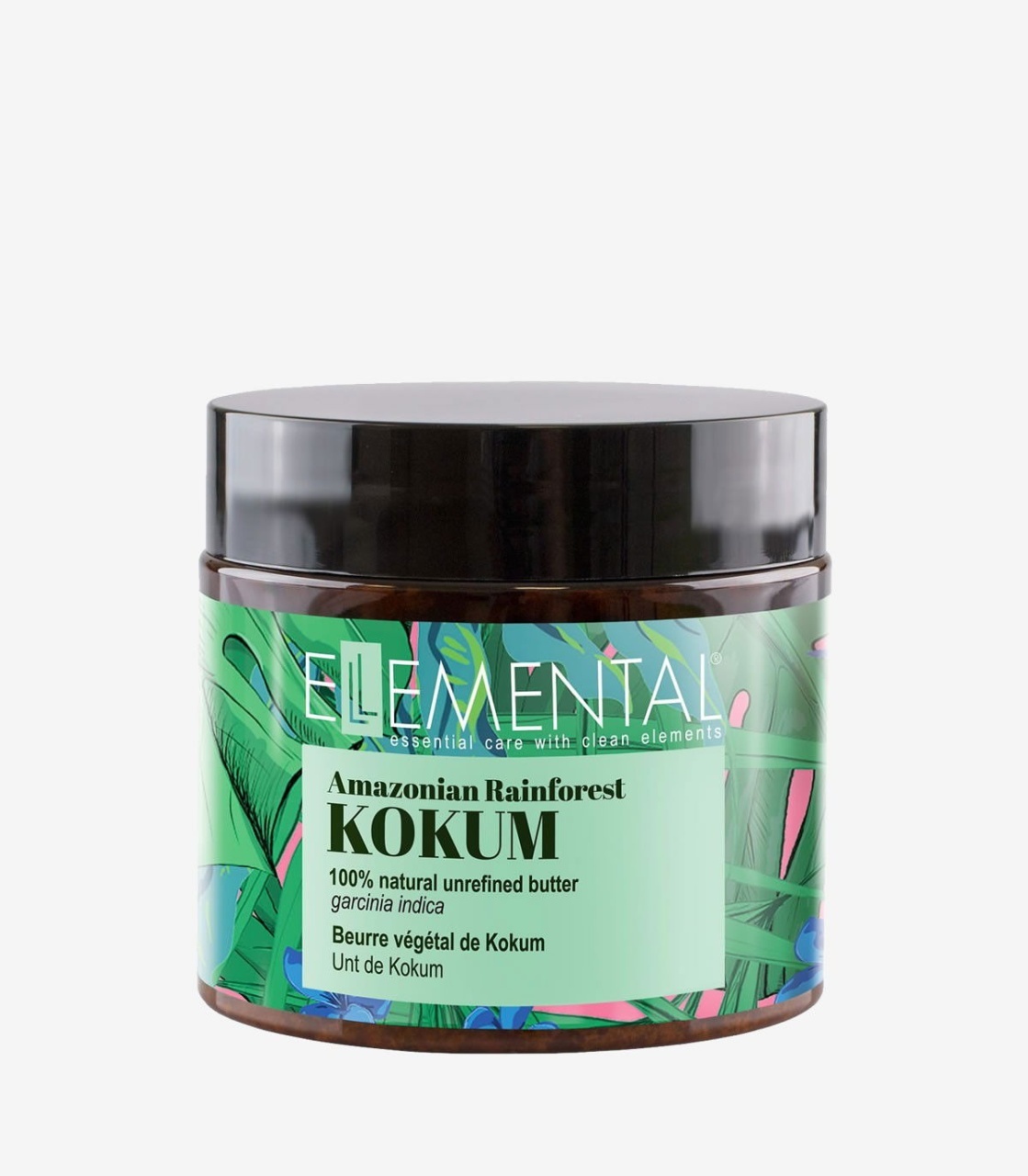
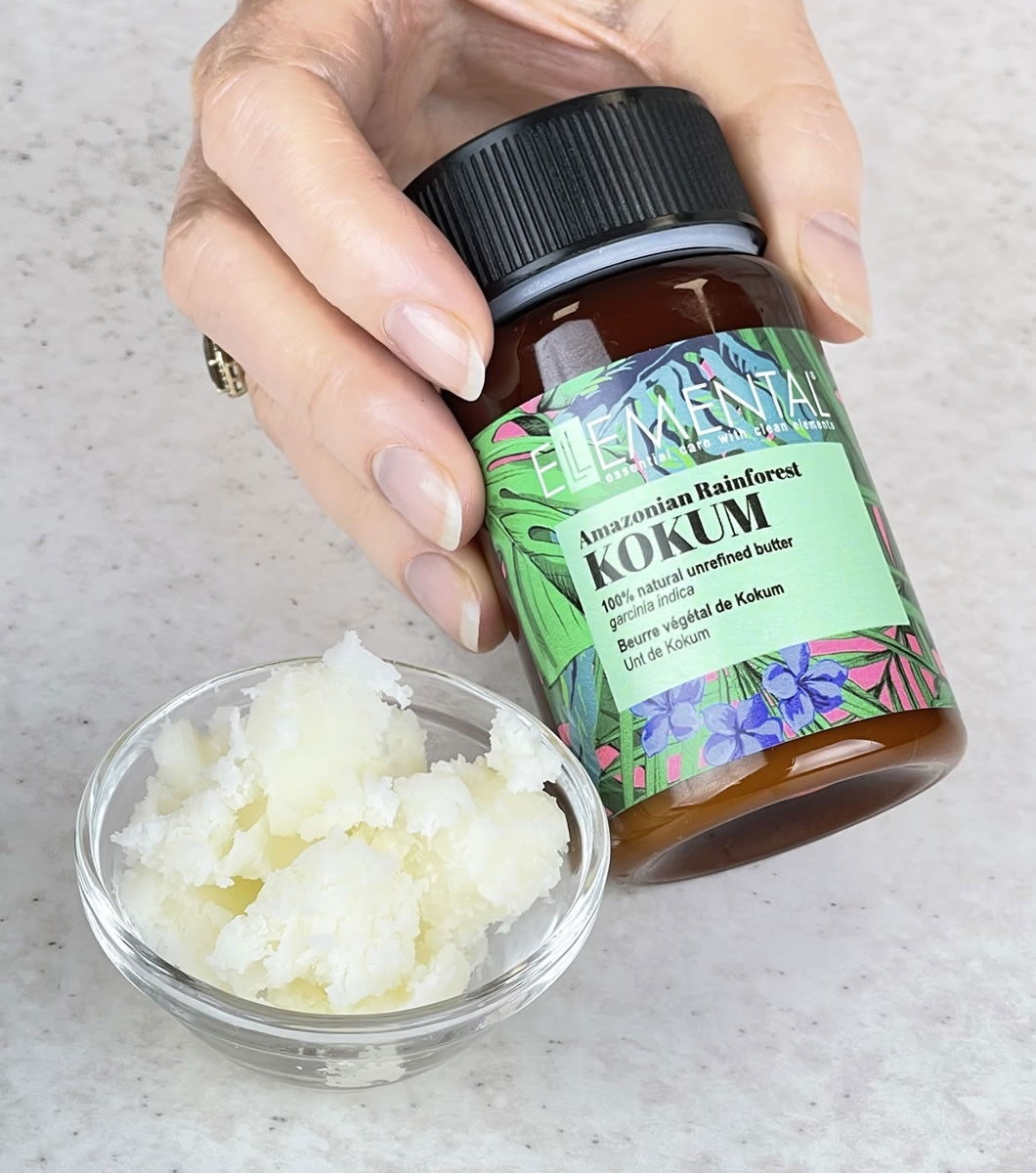
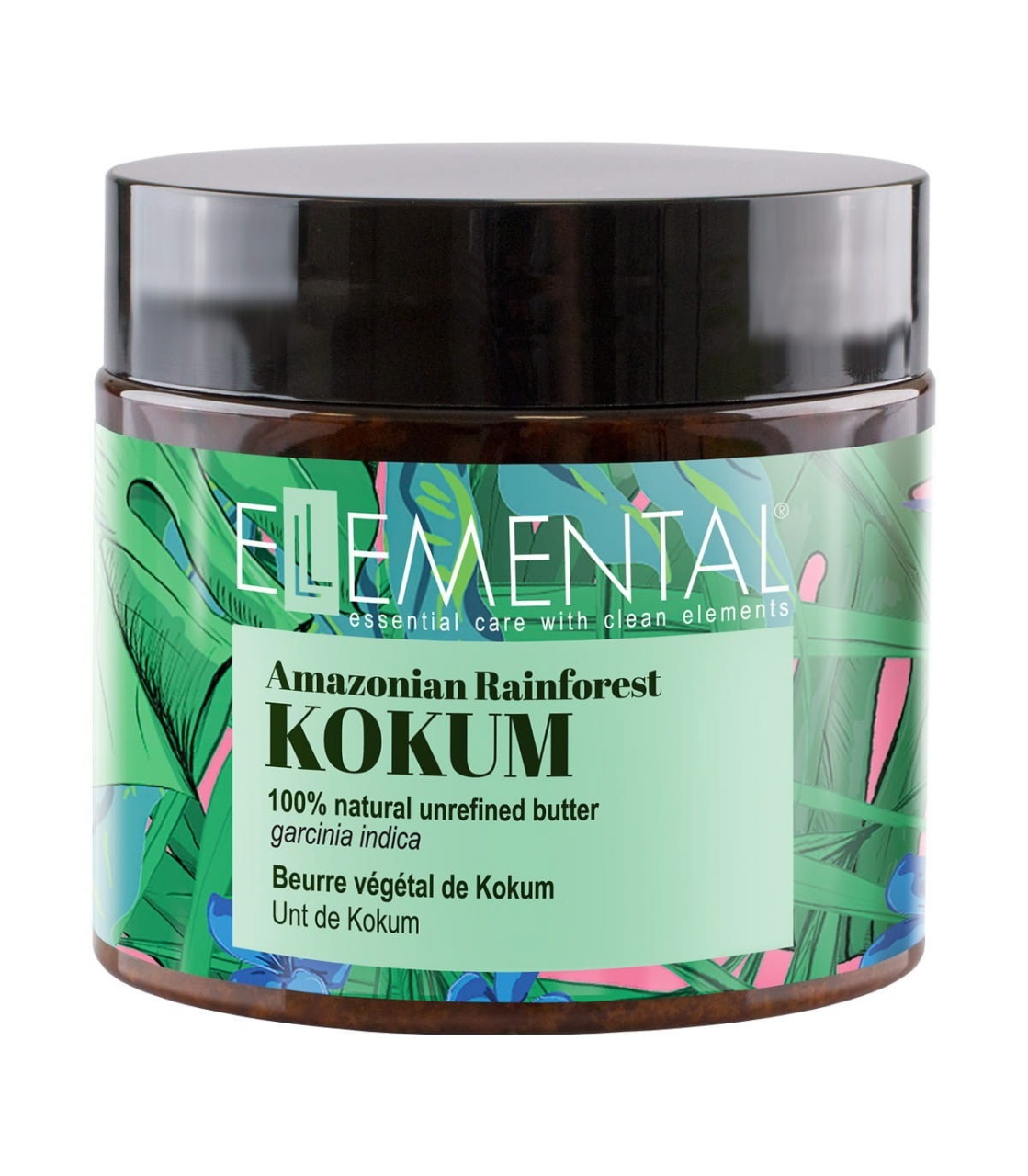
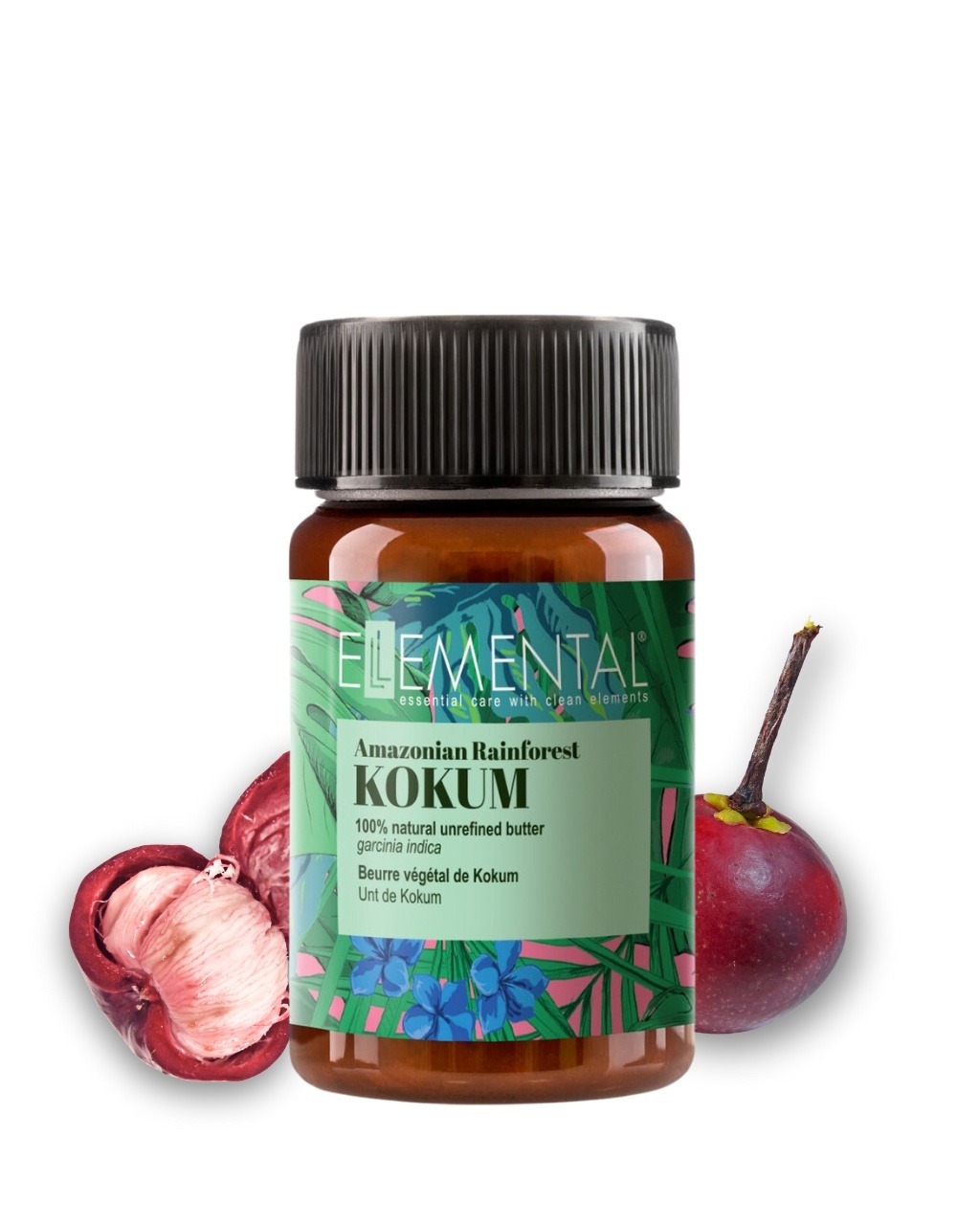
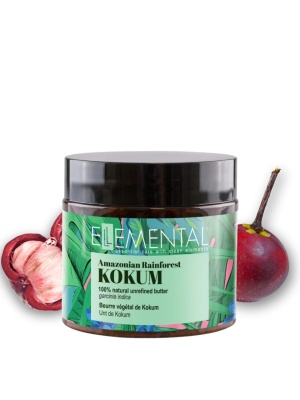
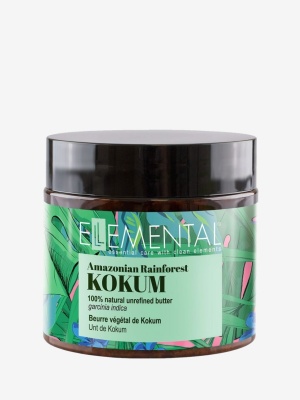
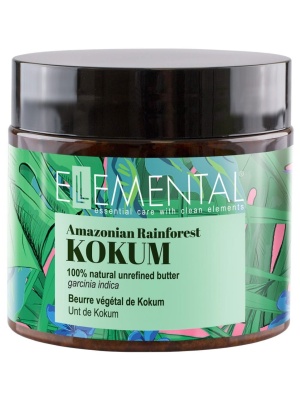
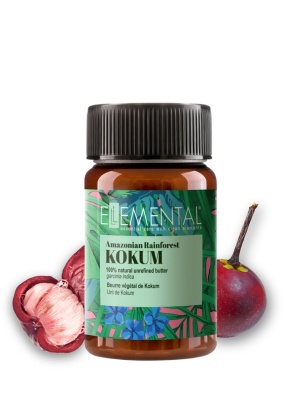
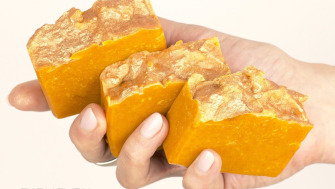
Kokum Butter (Garcinia indica) is one of the hardest vegetable butters, with a compact and brittle texture, but it melts pleasantly upon contact with the skin. Its sensory profile is distinctive: non-greasy, it penetrates easily without a residual oily film, a quality rarely found in solid butters.
Being a rich source of saturated fatty acids and natural antioxidants, kokum butter brings benefits primarily in the care of damaged, dry, or mature skin. It is less grainy than shea butter and works well in finished formulas (creams, lotions), being valued for its skin-regenerating effect and its contribution to skin elasticity.
Ingredients: Garcinia Indica Seed Butter
100% natural, free of preservatives, free of additives.
For skin care, Kokum butter is especially recommended for mature or dehydrated skin, where its effect is most relevant. It is a good choice for facial creams due to its non-greasy texture, a rarity among hard butters. It can also be used in body formulas, nourishing creams, salves, lip balms, and butters for areas with rough skin.
For hair care, it contributes to conditioning the hair fiber, making it suitable for hair lacking vigor or with a dull appearance. It is used melted, either pure or as an ingredient in hair masks.
For a firming night cream, the synergy with Rosa Mosqueta Oil, Macadamia Oil, and Coenzyme Q10 completes regeneration and elasticization. For sensitive skin or skin prone to irritation, the association with Bisabolol, Centella Asiatica Oil, and Aloe Vera Oil is soothing and nourishing. As an ingredient in lip balms, it pairs well with Cocoa Butter, Ricin Oil, Jojoba Oil, and Vitamin E.
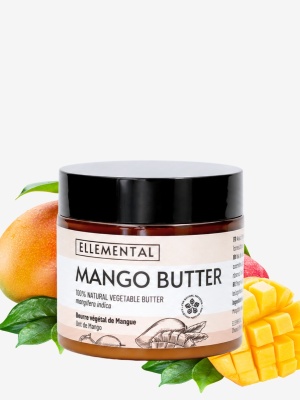
As a base for a toning body butter, it combines harmoniously with Mango Butter and Grapefruit Essential Oil. For a premium anti-aging body cream, the synergy with Cherry Kernel Oil and Geranium Essential Oil is efficient and interesting.
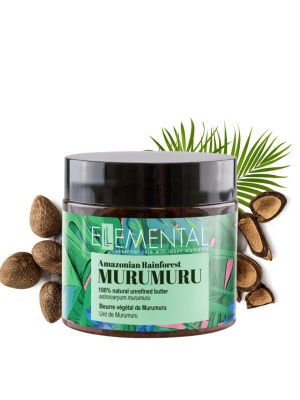
For a revitalizing hair treatment, it blends well with Murumuru Butter and Ylang-ylang Essential Oil. As a serum for dull and limp lengths, the synergy with Organic Argan Oil and Phyto-Silicone brings shine without weight.
Why does it not leave the greasy film typical of hard butters?
The fatty acid profile of Kokum butter has a crystalline structure that melts quickly and completely on the skin, leaving a velvety feel without the more visible greasy residue of other dense butters, such as unrefined shea butter.
Why is the kokum butter I received so hard and crumbly?
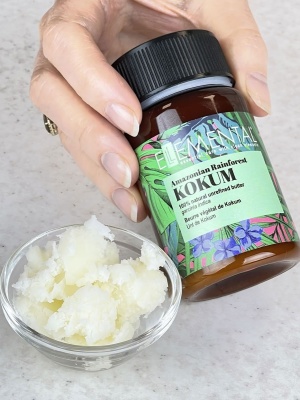
This is its natural, native state. Kokum butter is the hardest among cosmetic butters, possessing a brittle structure (it breaks into pieces). It is not a defect, but a proof of its purity; to use it directly on the skin, it must be melted beforehand.
Can it be used pure, without dilution?
Yes, after melting, it can be applied pure. However, due to its firm texture, it is usually more practical as an ingredient in formulas (creams, balms), where it can be easily dosed.
Safety in use
Cosmetic product for external use only. Do not ingest. Avoid contact with eyes.
Storage, preservation
Keep the container closed, in a cool place, away from direct light.

Write a valid review and earn loyalty points worth €0.40