






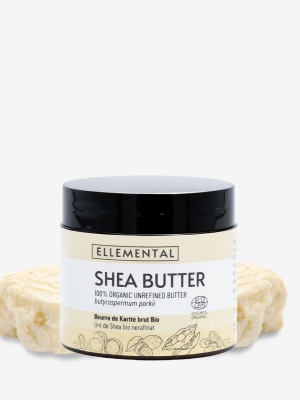
Formula: 47544 Difficulty Level: beginner Shelf life: min 6 months Optimal pH: -- Phase Ingredients Dosage % Total 100 g A Shea Butter 20 20 g A Shea Nilotica Butter 24 24 g A Butter-perlen 35 35 g A...
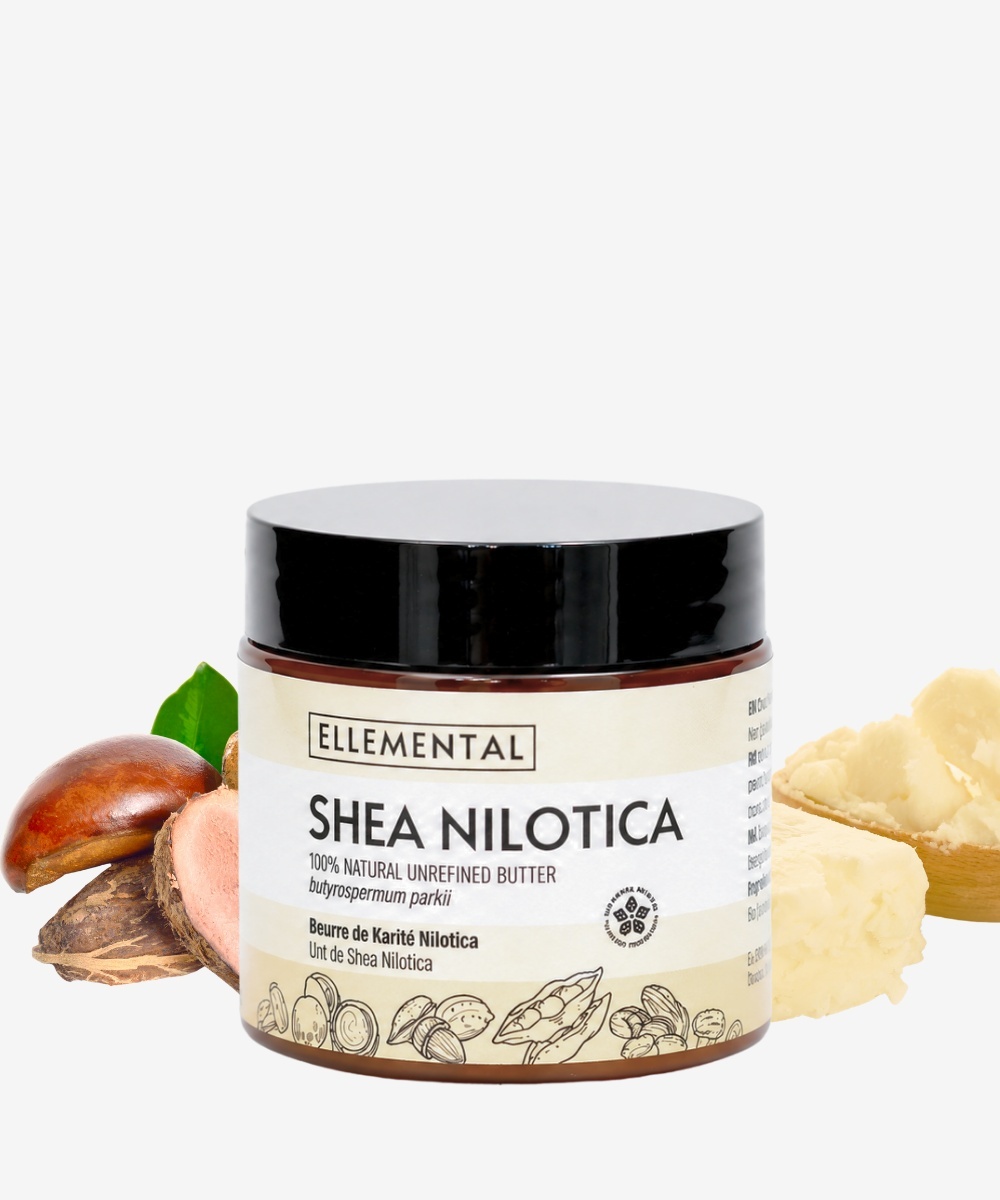
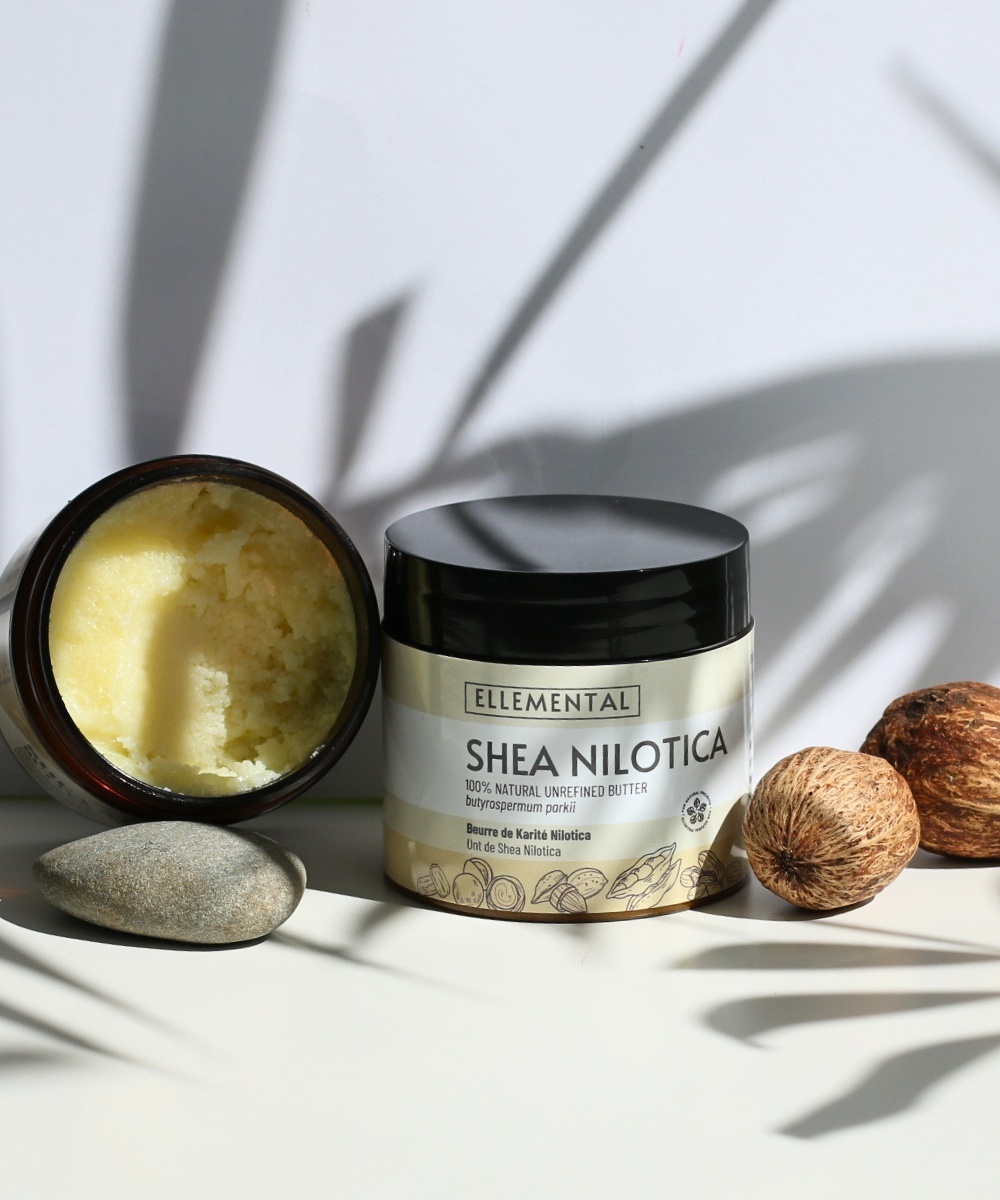
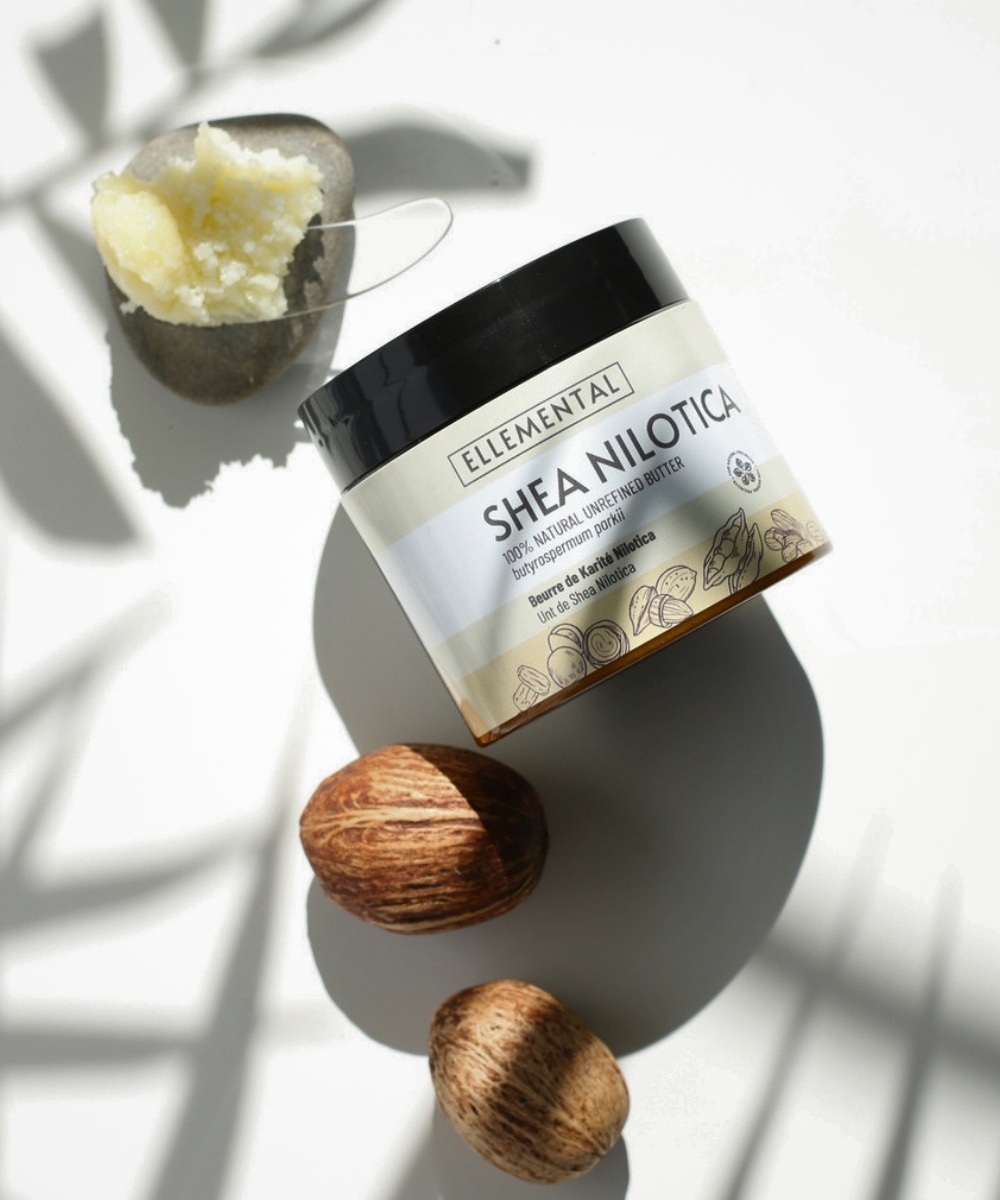
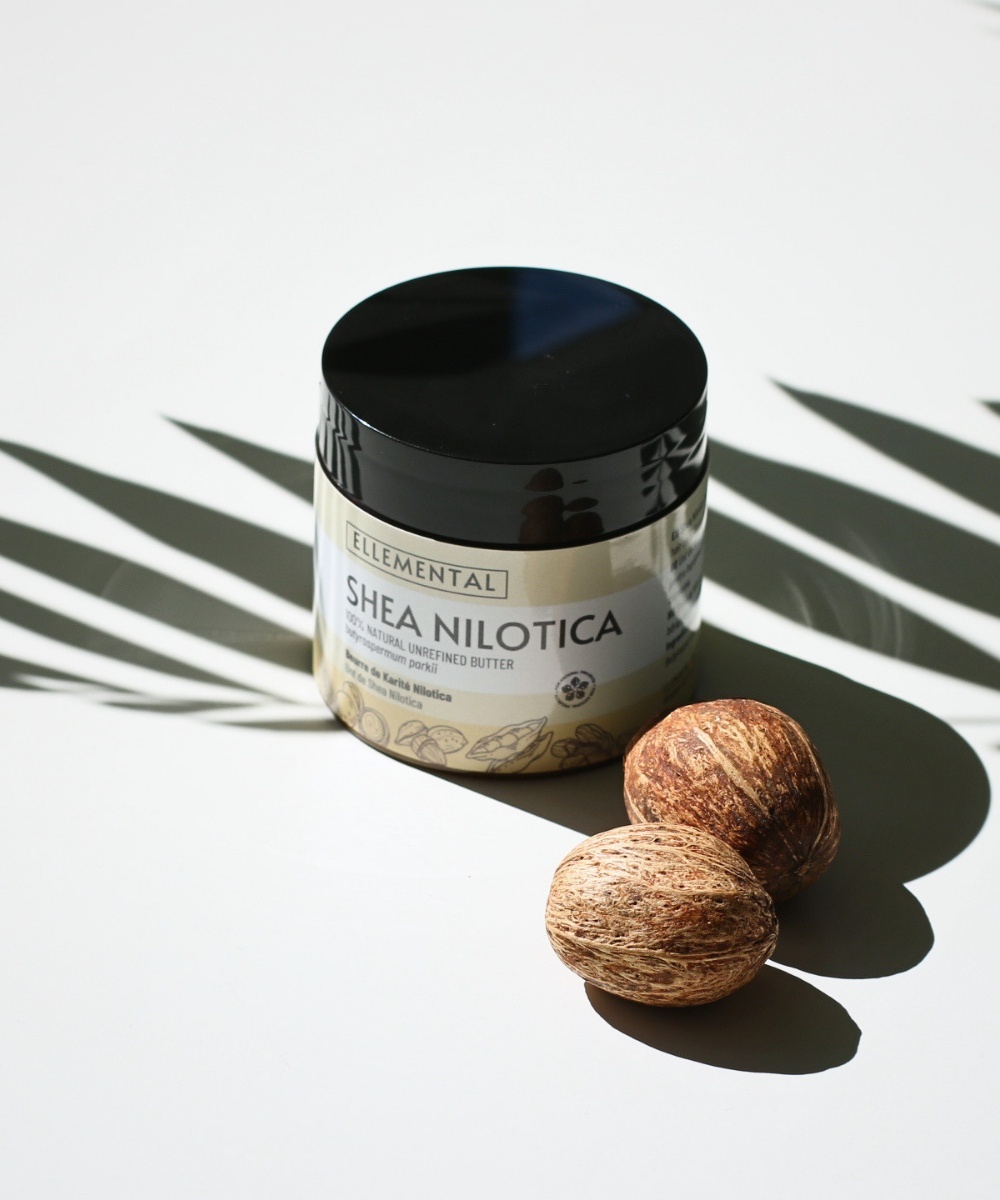
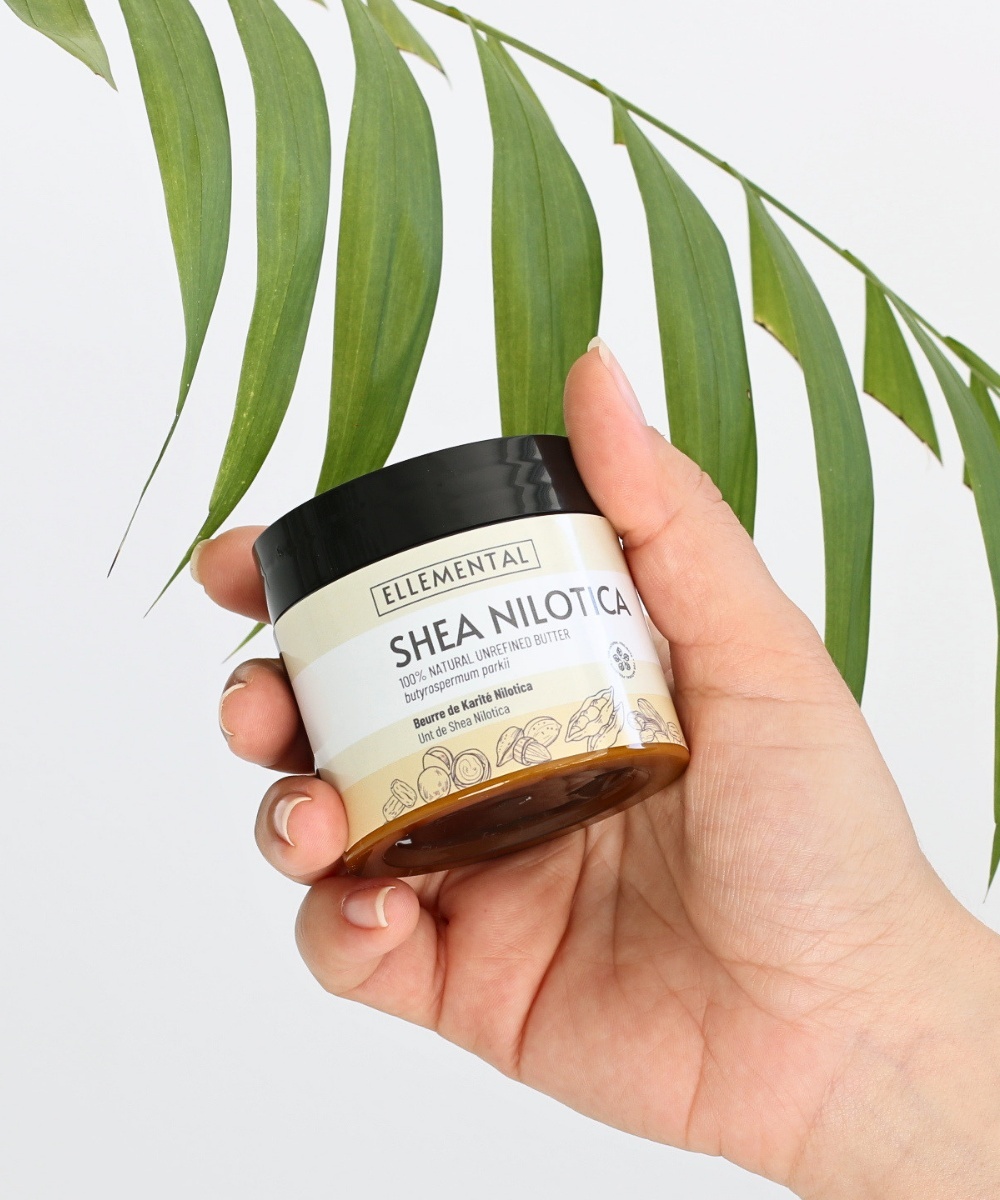
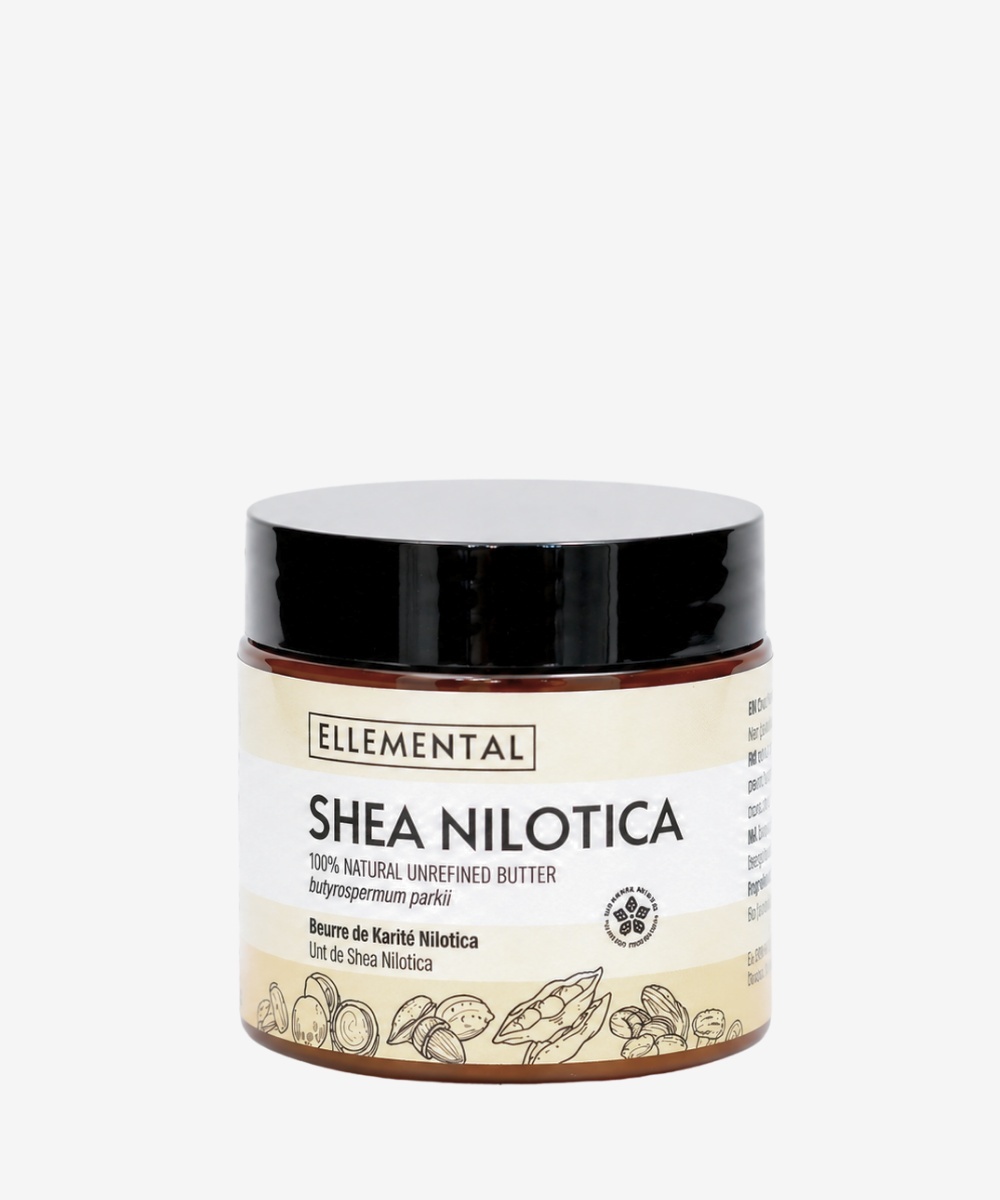
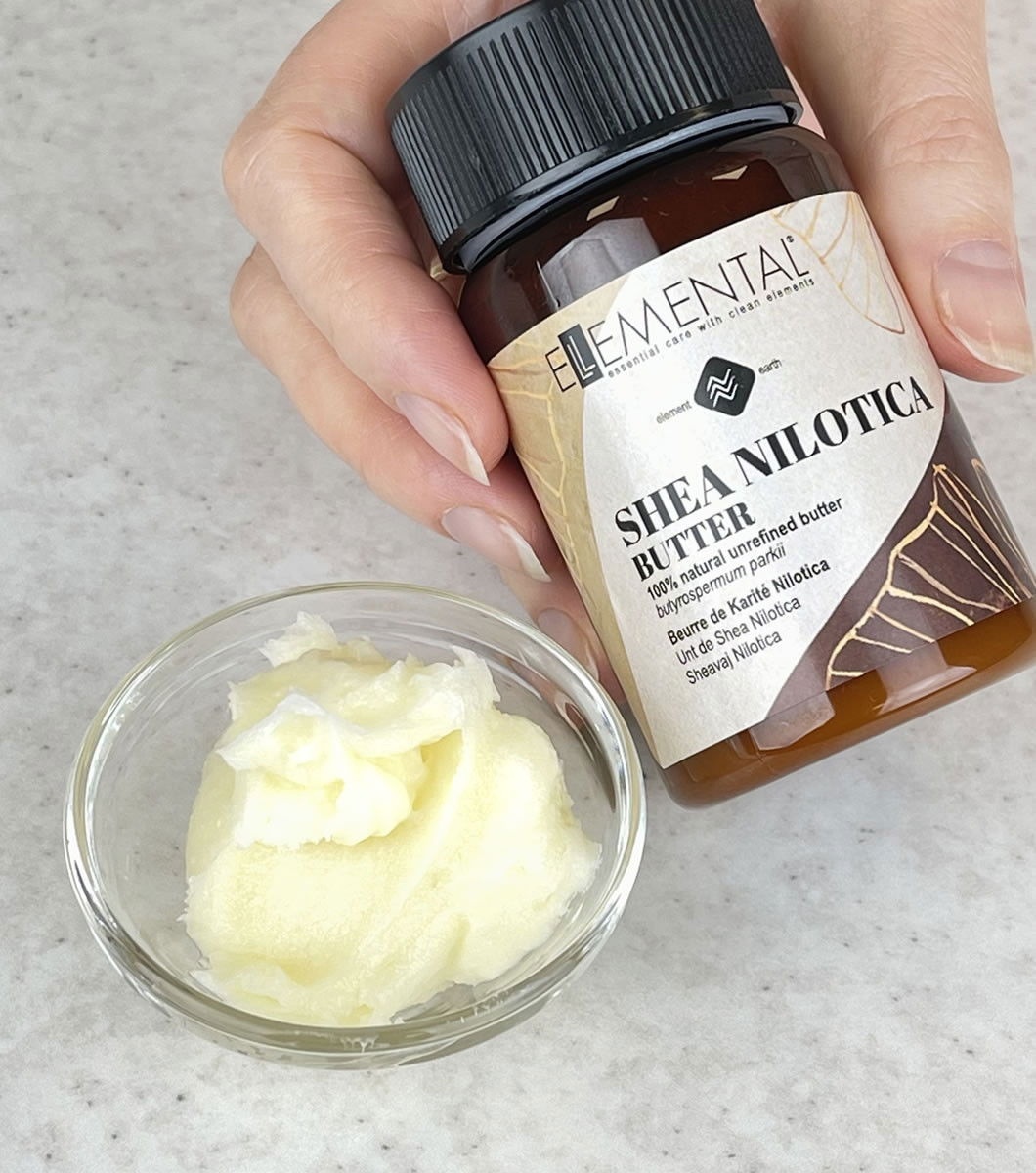
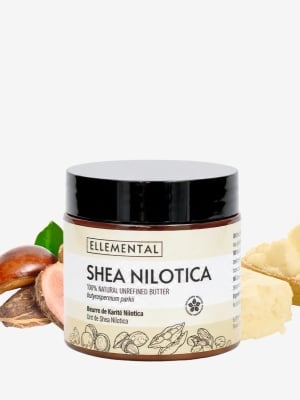
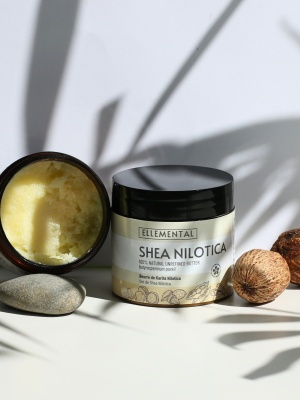
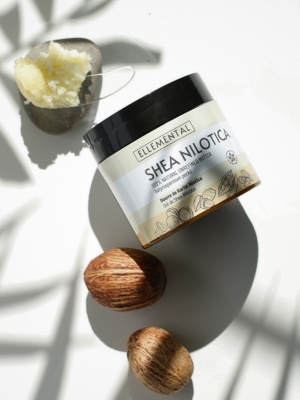
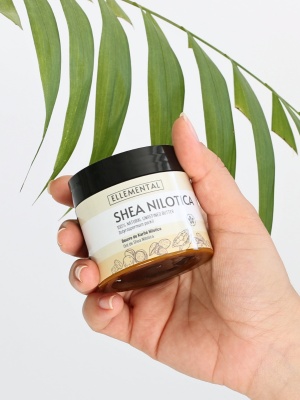
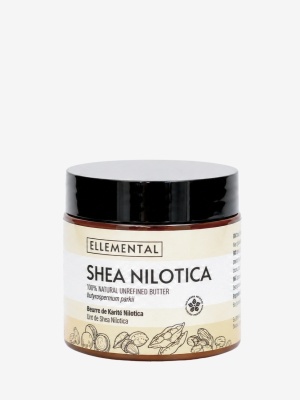
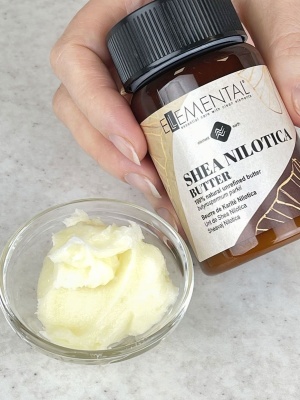
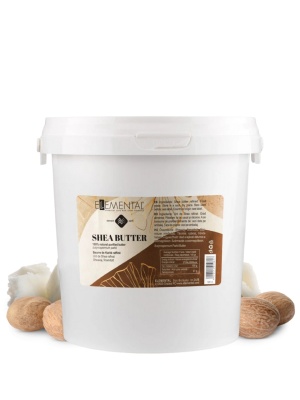
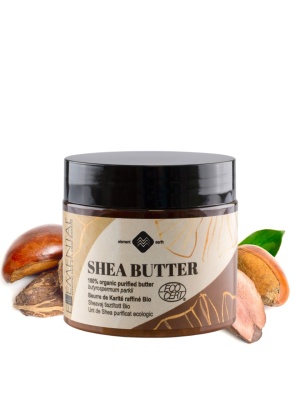
Nilotica Shea Butter is a rarer and highly valued variety of Shea butter, which originates exclusively in the highlands of East Africa. Unlike the classic version of shea, the Nilotica variety has a softer texture, penetrates the skin more easily, and possesses a superior sensory profile. Rich in polyphenols, vitamins, and phytosterols, it is an exceptional, versatile cosmetic ingredient, ideal for skin and hair care.
The fatty acid profile is distinct: predominant oleic acid, with a higher proportion relative to stearic acid, which explains the softer texture and better absorption compared to classic shea, which has an inverse ratio (stearic dominant). Its bioactive profile grants exceptional emollient, regenerating, repairing, and soothing properties.
Ingredients: Butyrospermum Parkii Butter (Vitellaria Paradoxa Sp. Nilotica)
100% natural, free of preservatives, free of additives.
For skin care, Nilotica Shea butter is recommended for dry, sensitive, mature skin or skin with skin allergies, being also suitable in formulations for stretch marks, anti-aging, as well as for hands, feet, and nails.
For hair care, it is recommended for curly, damaged, dry, or color-treated hair, making it a fine choice for conditioners and hair masks.
For allergic or irritated skin, the association with Evening Primrose Oil, Borage Oil, and Bisabolol supports the soothing, repairing effect.
For an ultra-nourishing night cream, it can be combined with Avocado Oil, Oat Oil, Passion Fruit Oil.
For an anti-stretch mark cream, the association with Rosa Mosqueta Oil and Centella Asiatica Oil supports skin elasticization.
For a hair treatment destined for color-treated or damaged hair, the synergy with Monoï Oil or Açai Oil completes the protection and shine of the strand.
The butter arrived separated (oil with granules) - is this normal?
Yes, it is a separation phenomenon caused by variable temperatures. It is recommended to melt it in a water bath until it becomes a homogeneous oil, then cool it rapidly (freezer) to achieve a uniform texture.
Is it suitable for skin with allergies?
Yes, it is recognized for its excellent tolerance, being particularly valued for sensitive skin or skin prone to allergies and irritations.
Why is Nilotica butter more expensive than classic butter?
Nilotica shea trees grow only in limited areas of East Africa, a region often affected by geopolitical instability, and the harvest is limited. The collection process carried out by women's cooperatives and the geographical rarity of this subset of trees make this butter considered a rare and more expensive raw material.
Safety in use
Cosmetic product for external use only. Do not ingest. Avoid contact with eyes.
Storage, preservation
Keep the container closed, in a cool place, away from direct light.

Write a valid review and earn loyalty points worth €0.40