





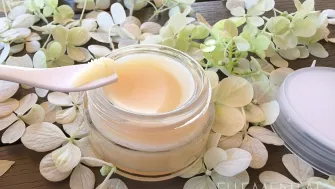
Formula: 47235 Difficulty Level: beginner Shelf life: min 6 months Optimal pH: -- Phase Ingredients Dosage % Total 15 g A Ricin Oil 15 2.2 g A Tricaprylin 15 2.2 g A Mango Butter 52.5 7.9 g A...
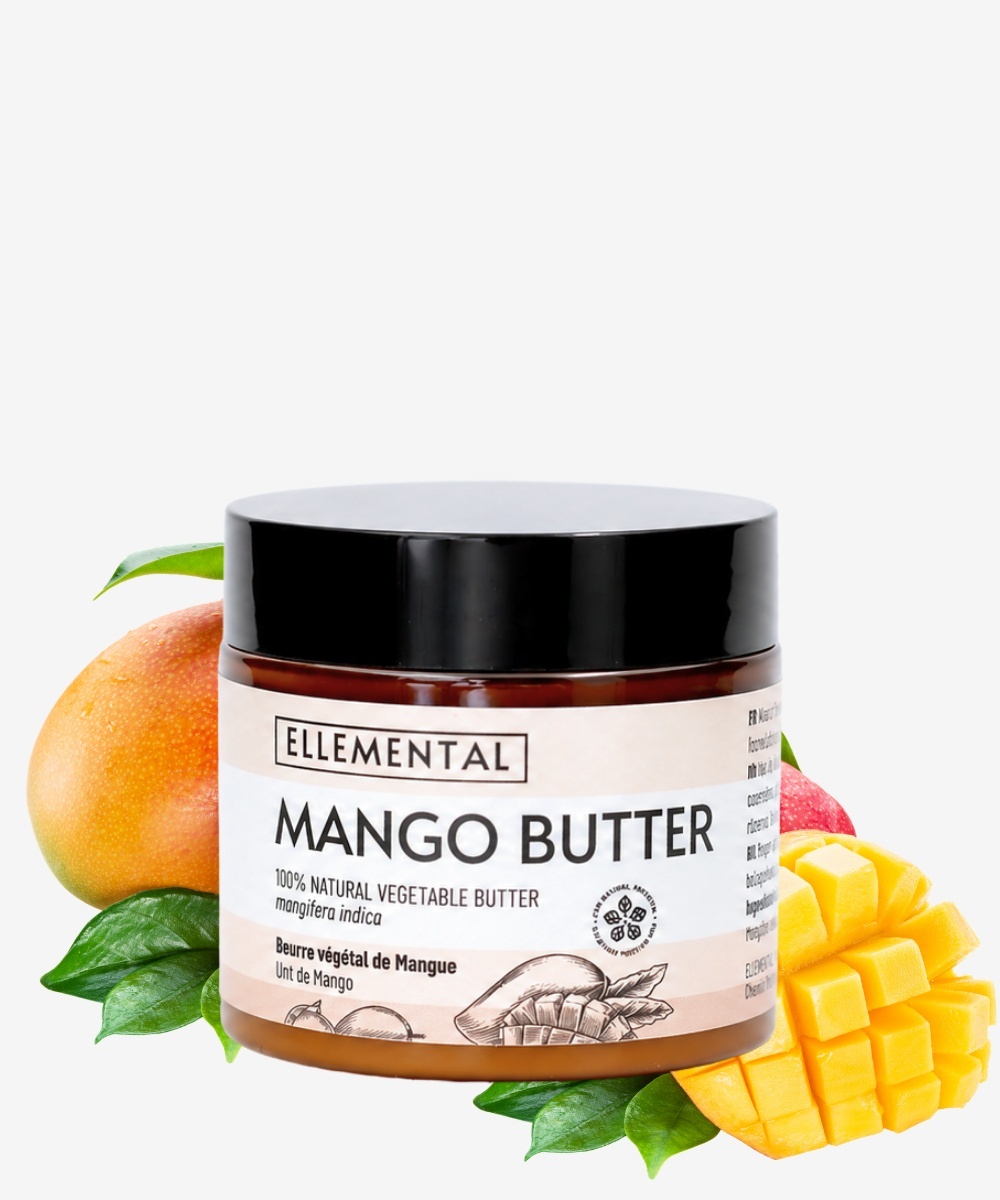
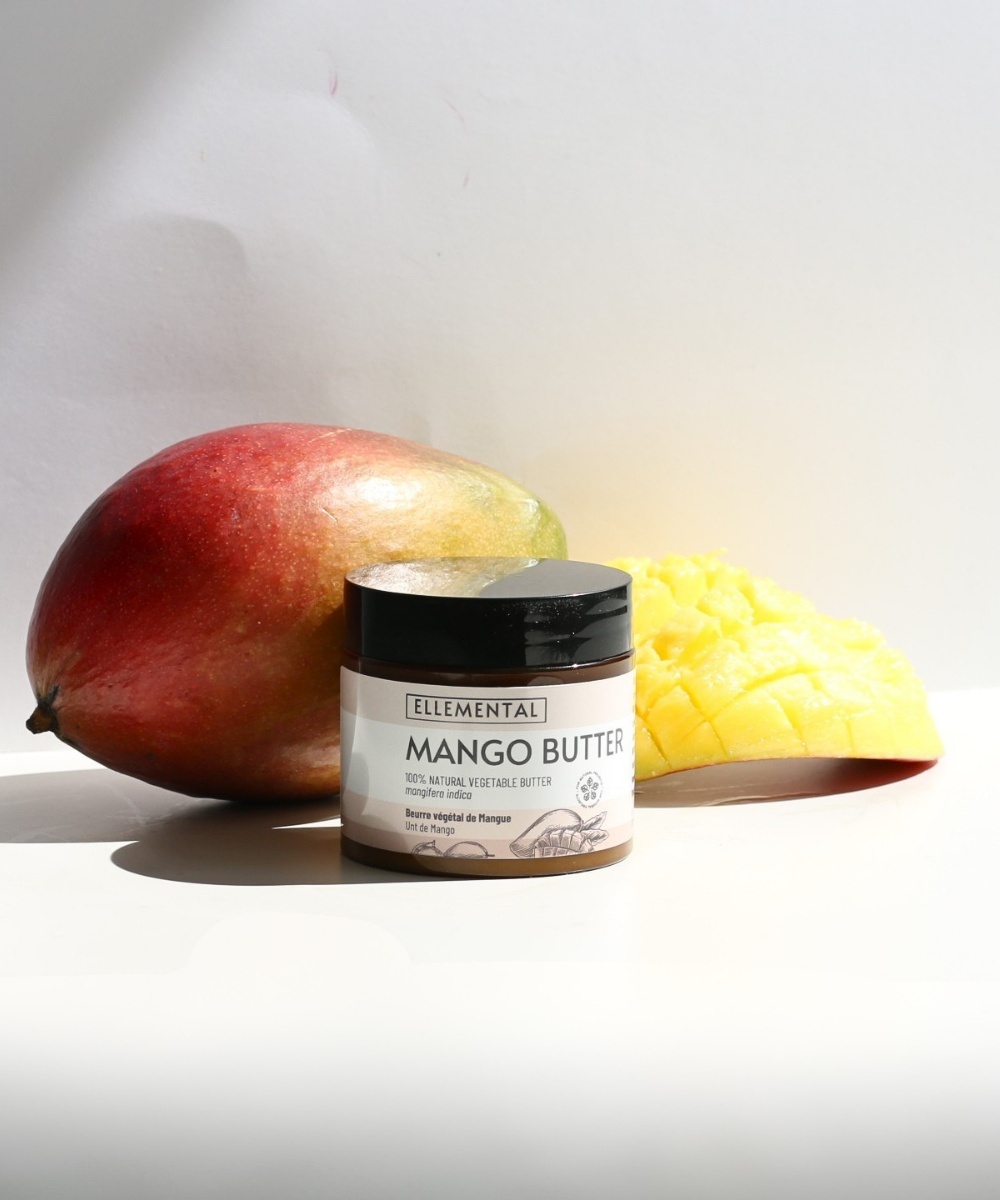
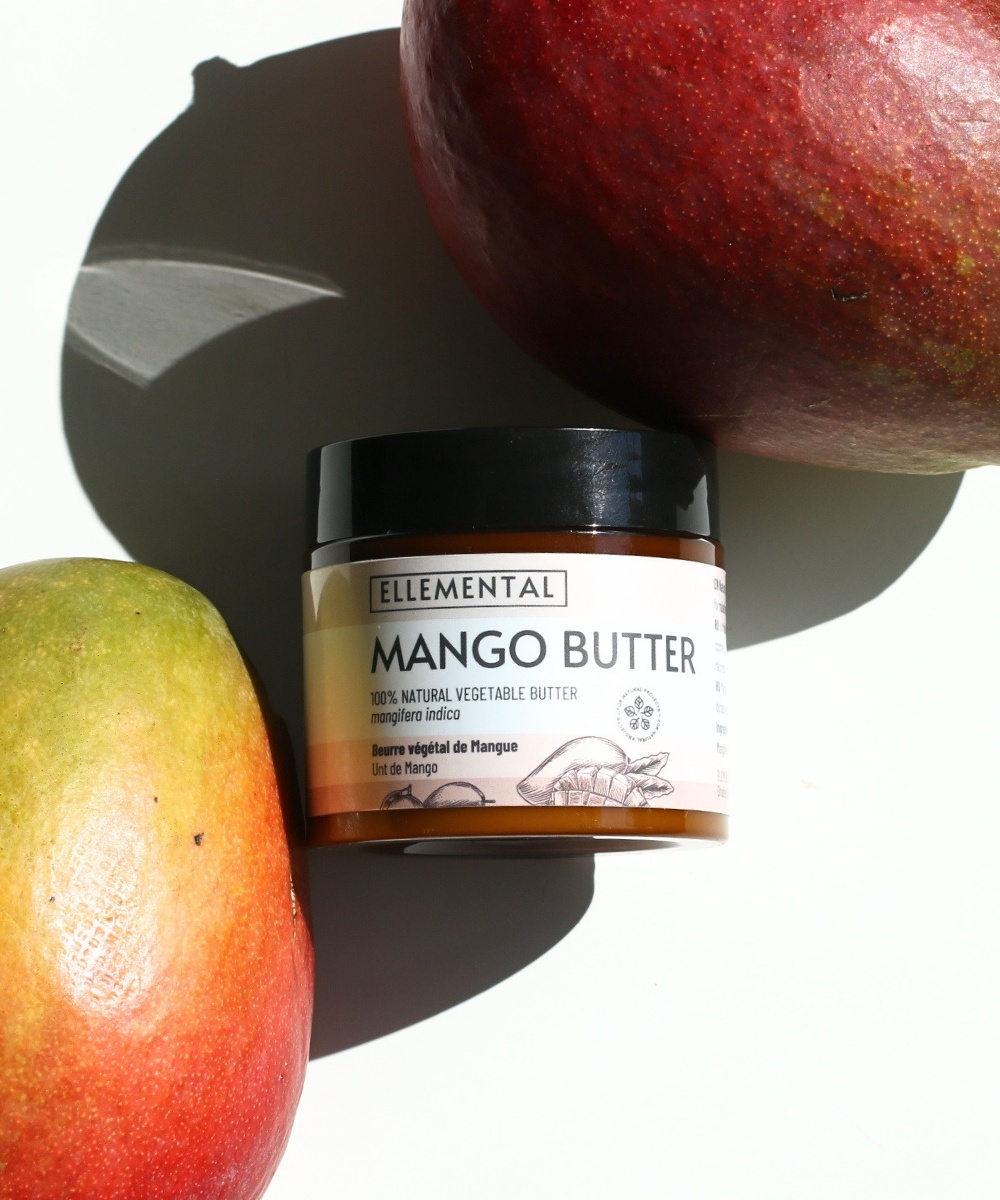
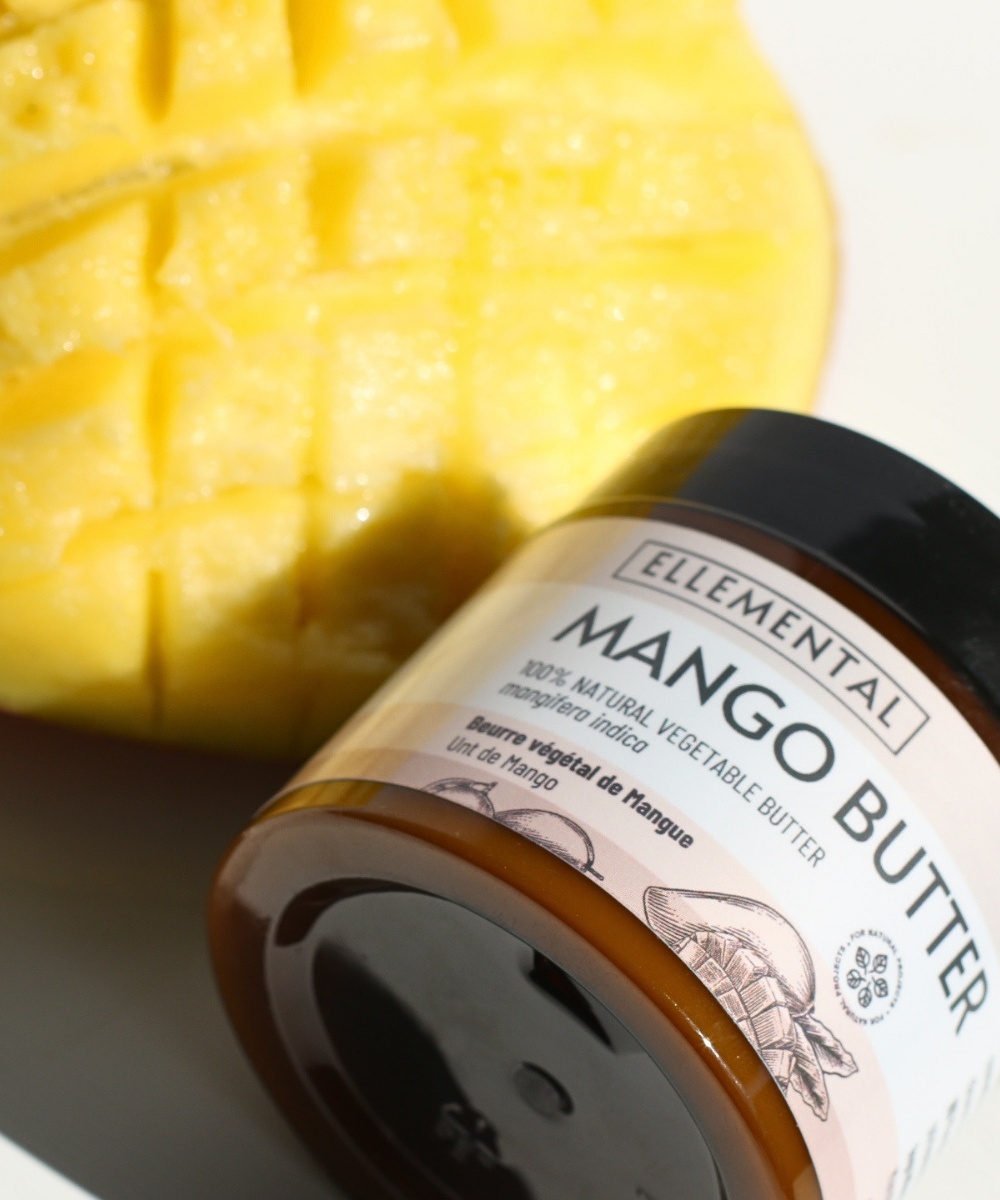
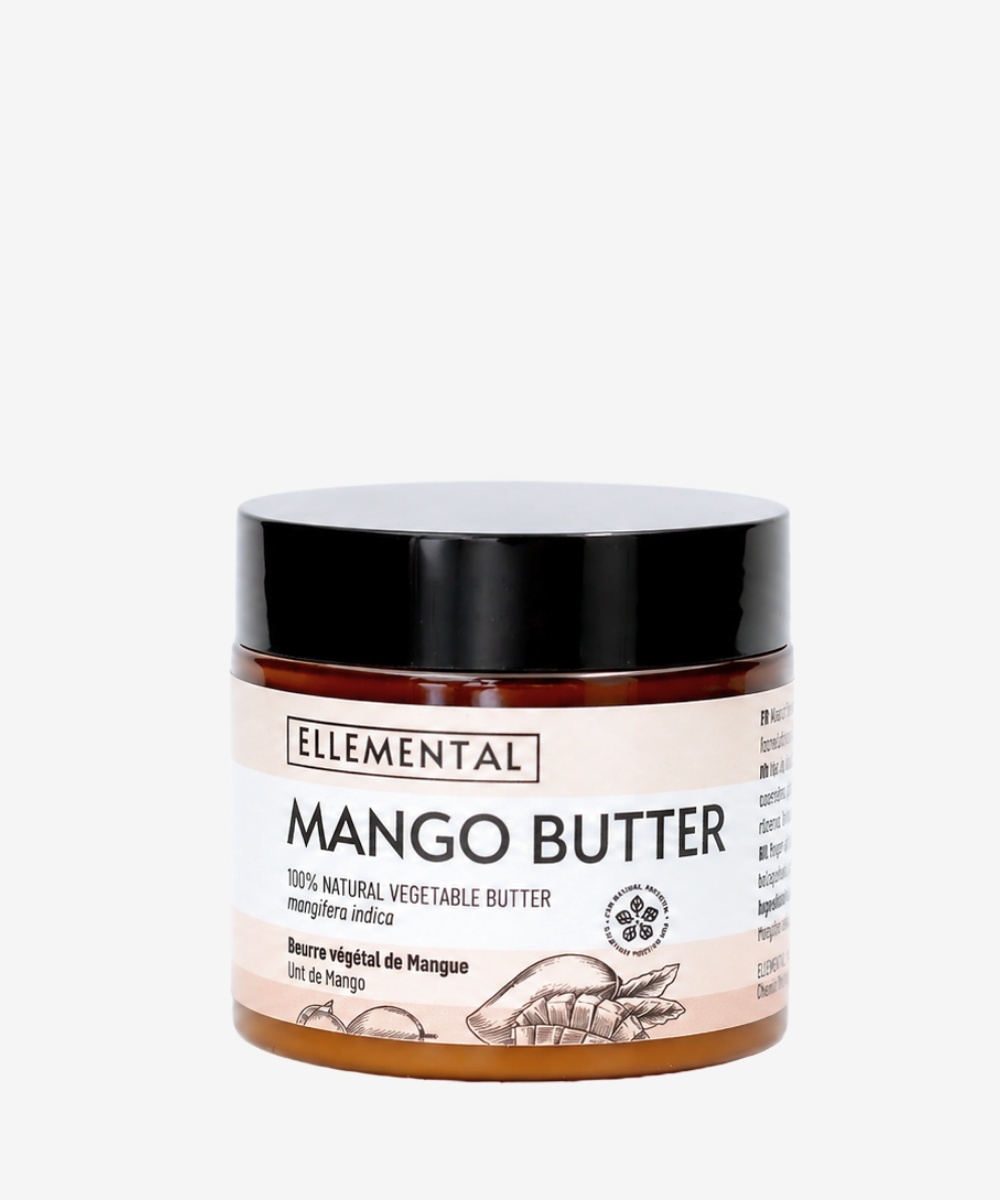
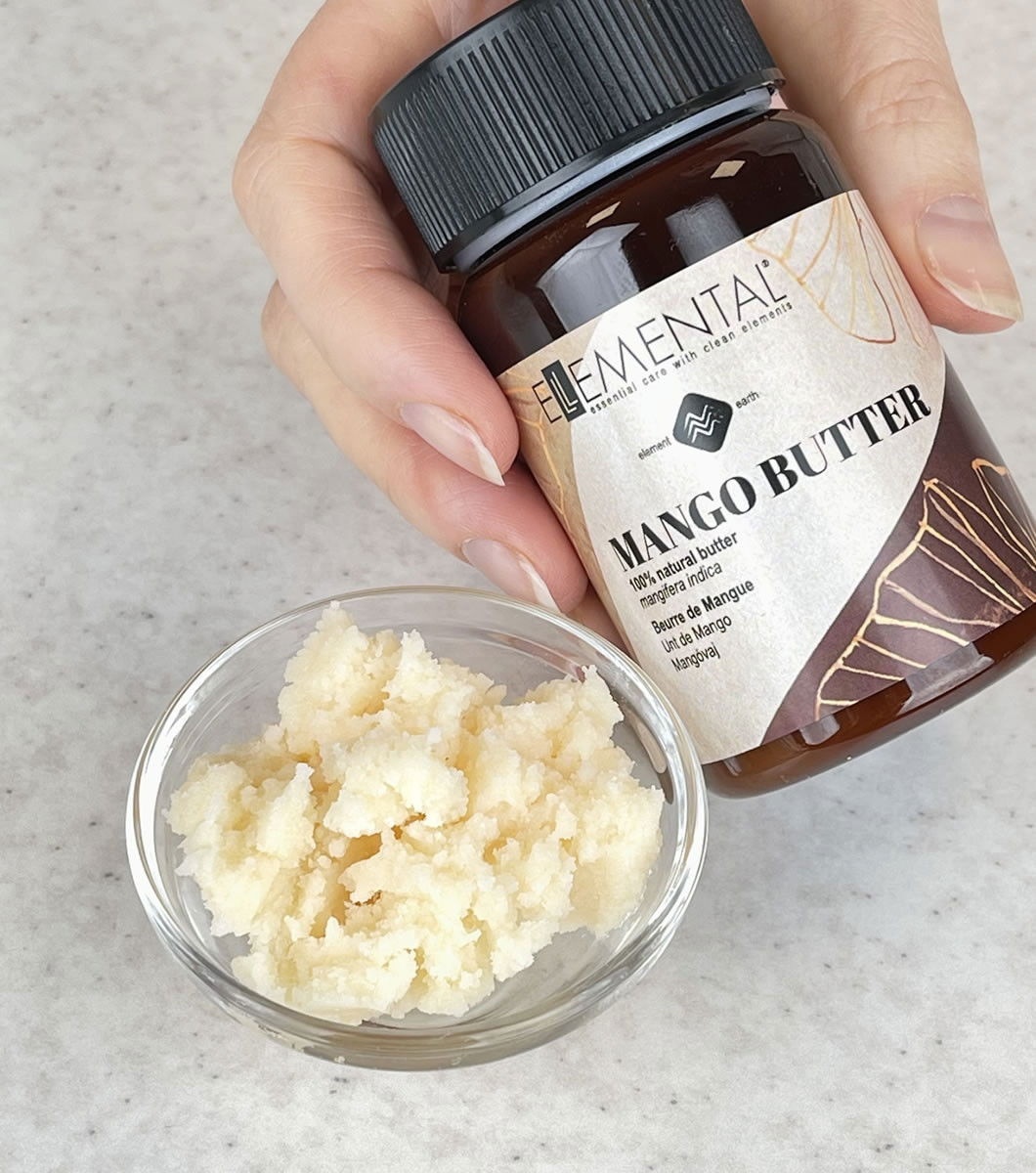
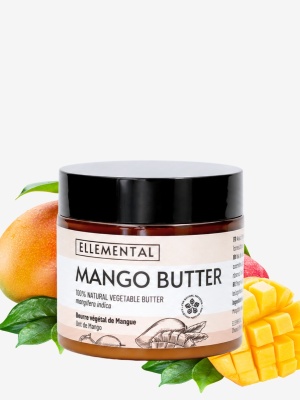
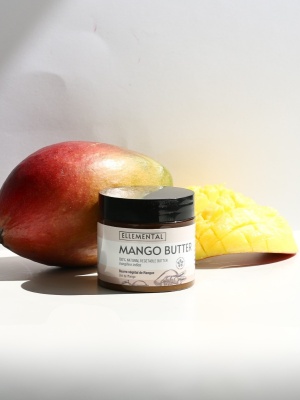
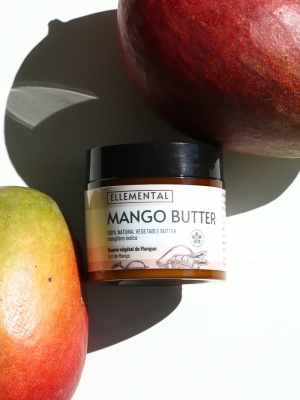
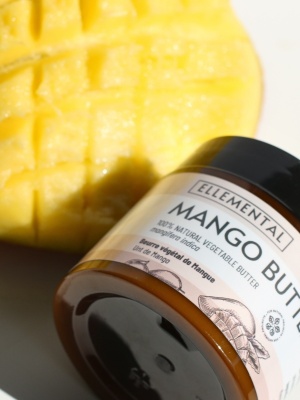
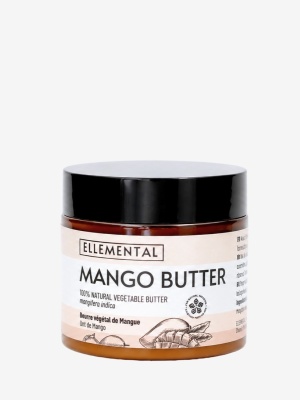
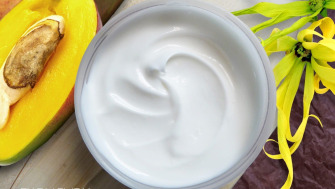
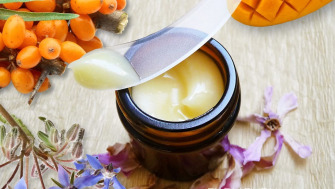
Mango Butter (Mangifera indica) is a cosmetic ingredient valued for its unctuous texture, recognized for its emollient and repairing properties. It nourishes the epidermis without leaving an excessively greasy feel, possessing a good penetration capacity. It is suitable for all skin types, but brings benefits primarily to dry, dehydrated, mature skin or skin frequently exposed to the aggressions of climatic factors.
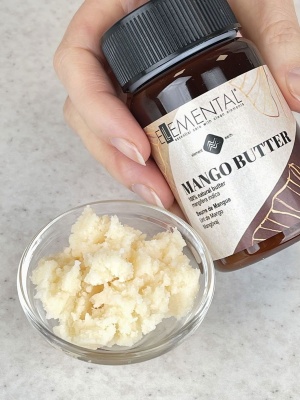
Its native wealth of fatty acids and unsaponifiable compounds, such as phytosterols and polyphenols, grants it valuable antioxidant and regenerative properties. In cosmetic applications, mango butter acts as a protective shield, maintaining the integrity of the skin barrier and preventing water loss from tissues. It is soft and easy to work with, making it a versatile choice for body creams, hair masks, and lip products.
Ingredients: Mangifera Indica Seed Butter
100% natural, free of preservatives, free of additives.
For skin care, Mango butter is recommended for dry, normal, or mature skin, serving as a versatile base for face and body creams, lip balms, and butters for areas with rough skin (elbows, knees, heels). Its soft texture makes it easier to handle than harder butters.
For hair care, it is useful in hair masks for dry hair, contributing to hydration and a healthier appearance of the strands.
For a nourishing body butter, the synergy with Organic Shea Butter and Lavender Essential Oil completes deep hydration. For facial creams destined for mature or dry skin, use it alongside Rosa Mosqueta Oil or Olive Squalane, and antioxidant actives such as Coenzyme Q10. As an ingredient in a cream for dry or atopic skin, combining it with Ceramides and Bisabolol completes skin barrier repair.
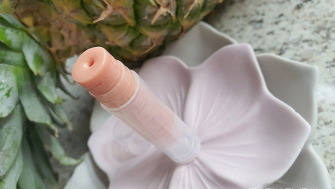
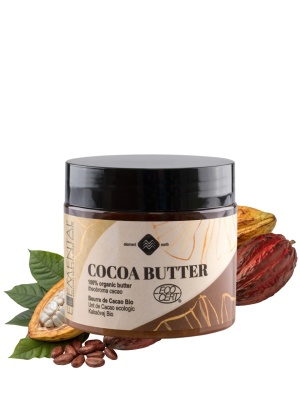
As a base for a lip balm, it combines harmoniously with Cocoa Butter and Apricot Oil. For a regenerating body butter, it blends well with Avocado Oil and Ylang-Ylang Essential Oil.
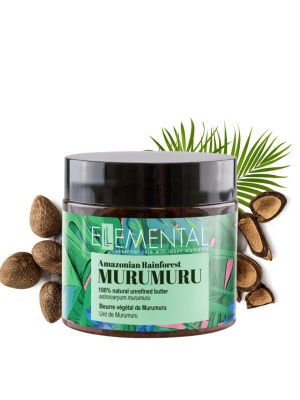
For a rich hair mask, it combines efficiently with Amla Oil and Organic Babassu Oil. As a treatment for dry ends, the synergy with Phyto-Silicone brings shine and smoothing without weight. For the care of very dry and damaged hair, it pairs ideally with Argan Oil, Ricin Oil, or Murumuru Butter, forming restructuring hair masks.
Does mango butter smell like fresh fruit?
No. Because it is extracted from the kernel inside the fruit (not from the juicy pulp), mango butter has a native fatty scent with subtle vegetable notes.
What is the difference compared to shea butter?
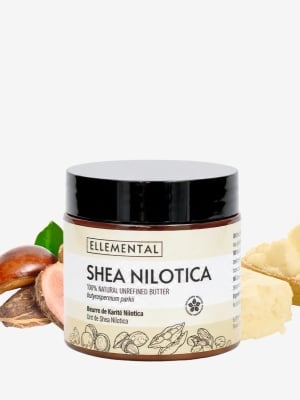
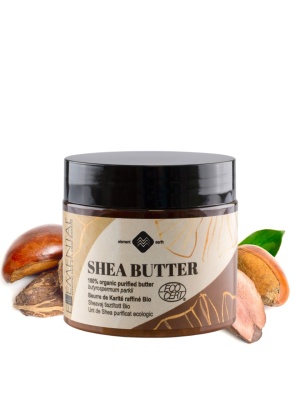
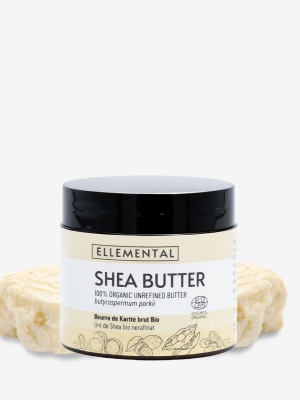
Mango butter has a softer texture that is easier to work with, and a similarly dominated stearic and oleic fatty acid profile, but with a lower concentration of unsaponifiable fractions compared to unrefined shea. It is generally less grainy and easier to melt.
Is it comedogenic?
It has a moderate comedogenicity rating, lower than cocoa butter but higher than kokum butter. It is not recommended to apply it pure to a very oily or severely acne-prone complexion.
Safety in use
Cosmetic product for external use only. Do not ingest. Avoid contact with eyes.
Storage, preservation
Keep the container closed, in a cool place, away from direct light.
Write a valid review and earn loyalty points worth €0.40