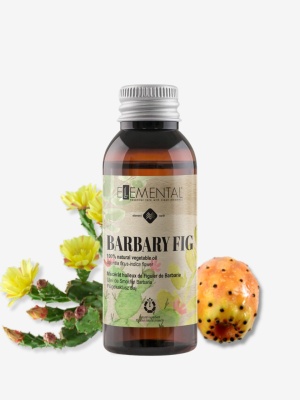







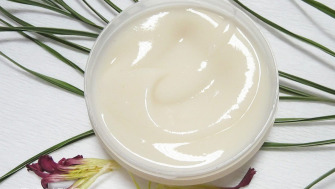
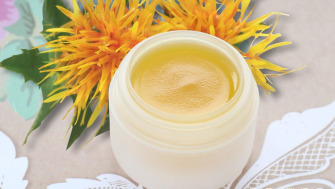
Formula: 705121 Difficulty level: medium Shelf life: min 3 months pH optimal: 6.5 Phase Ingredients Dosage % Total 50 gr A Caprilis oil 9 4,5 gr A Barbary Fig oil 4 2 gr A Emulsifier Bella 5 2,5 gr A...
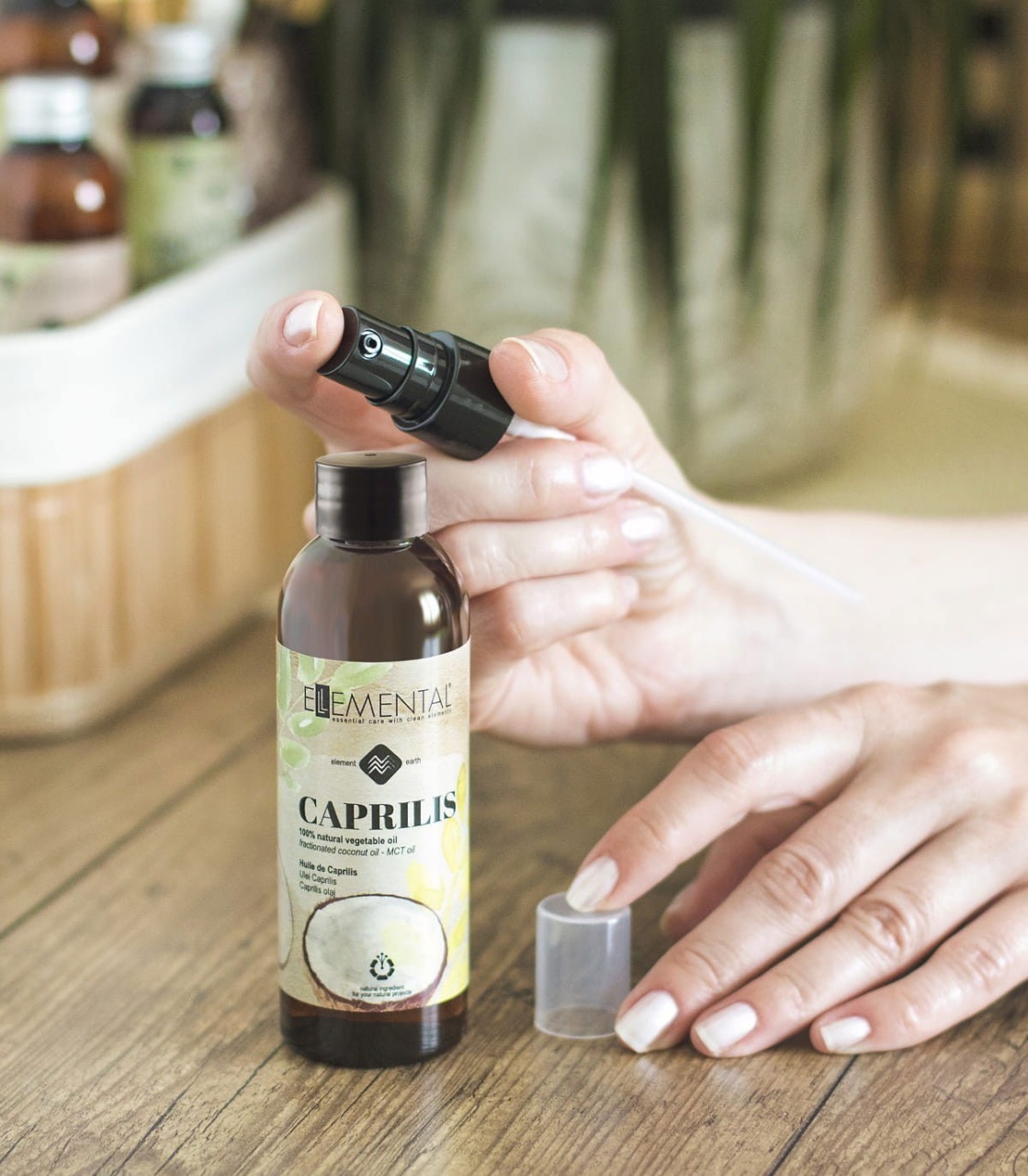
| Product size | Suitable pump | |
| 50 ml, 90 g, 100 ml |
|
|
| 200 g, 250 ml |
|
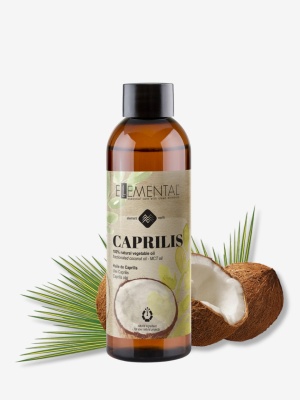
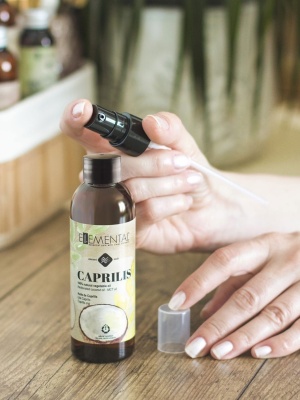
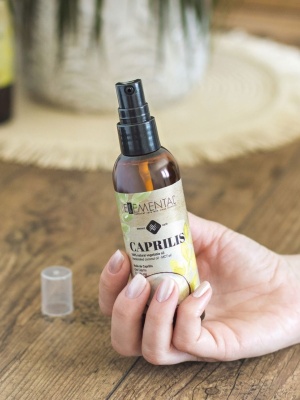
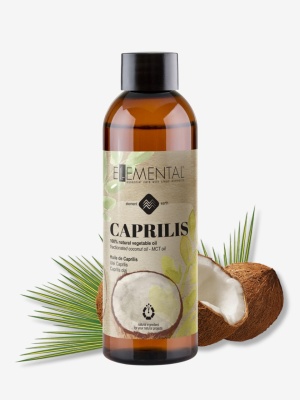
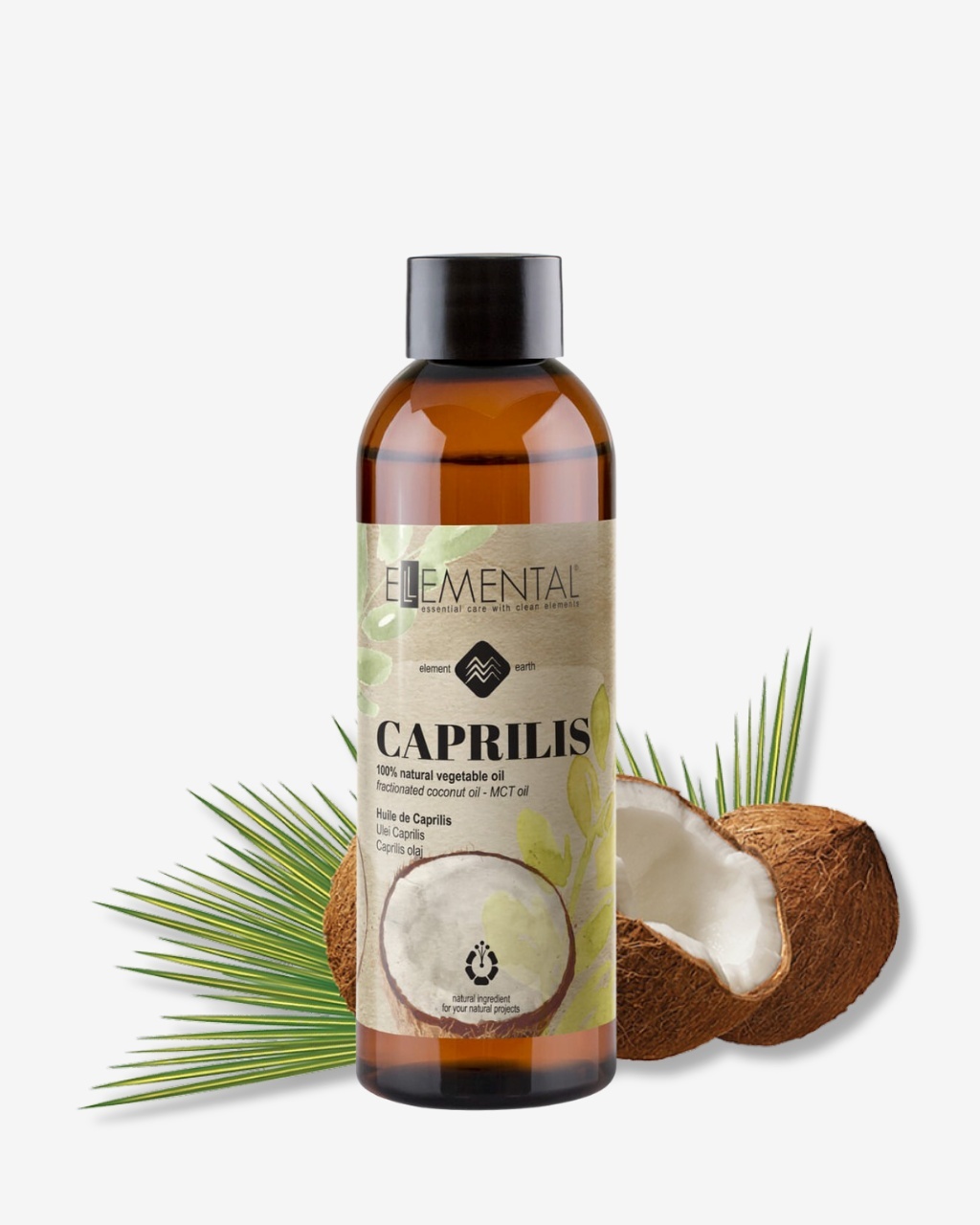
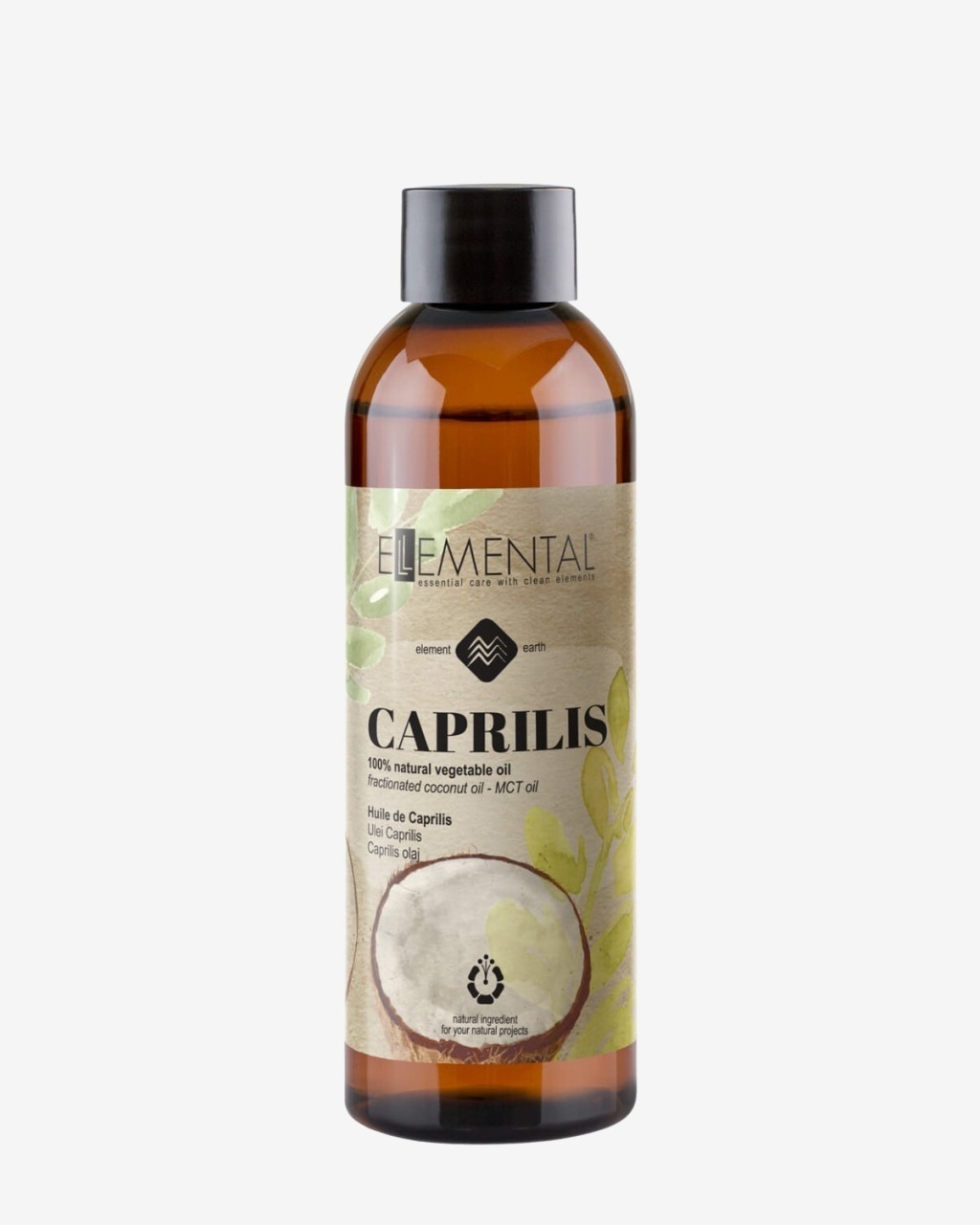
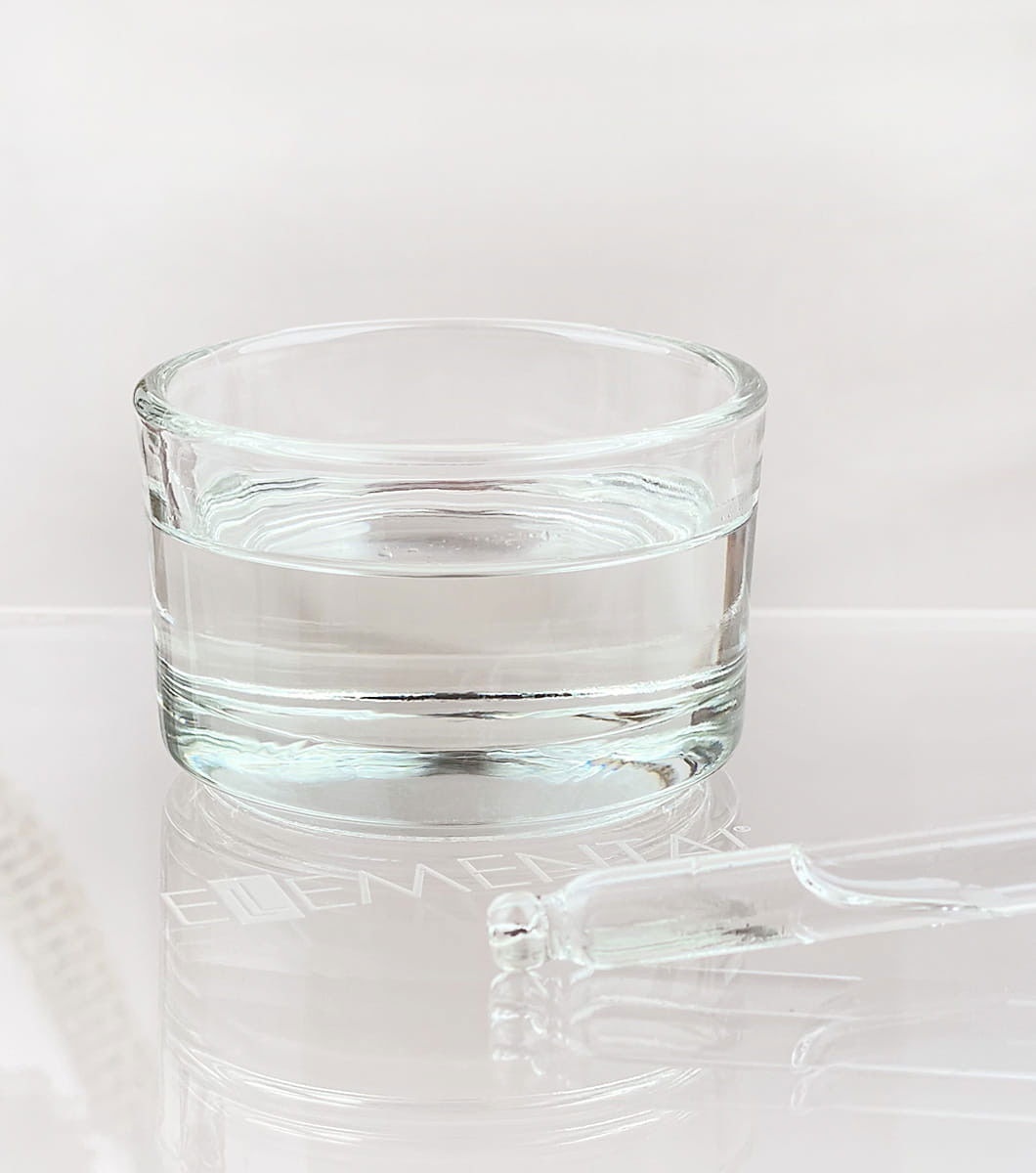
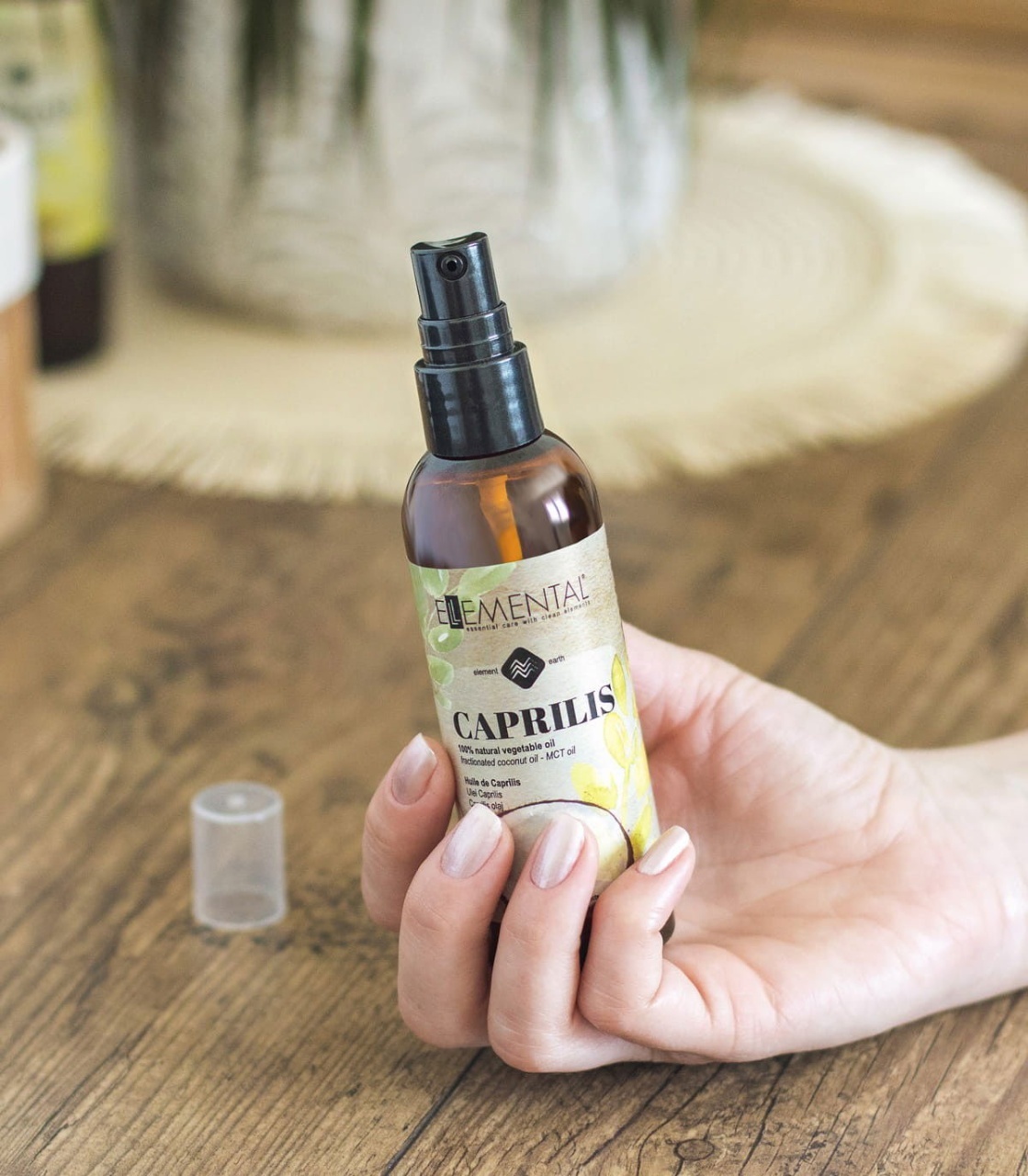
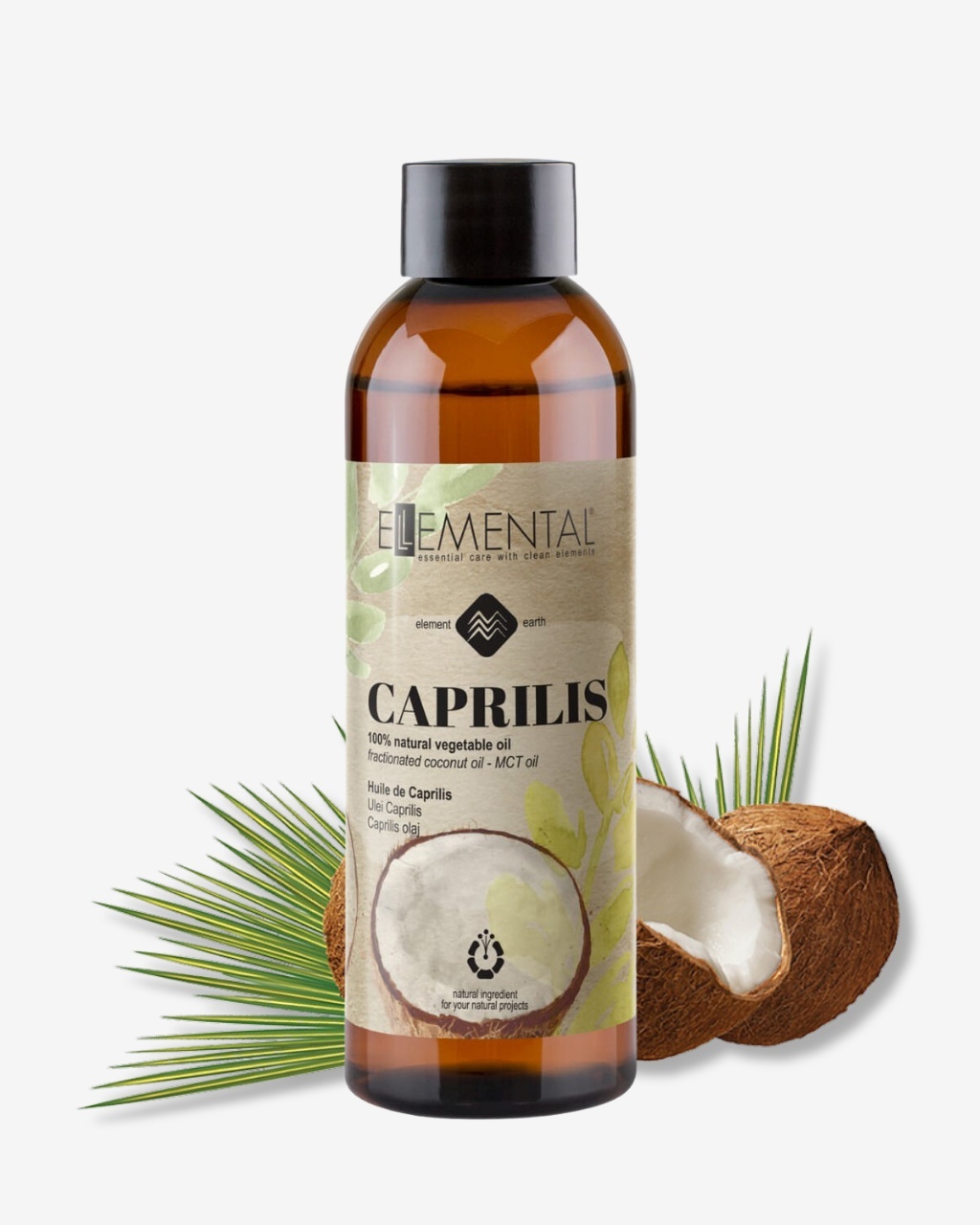
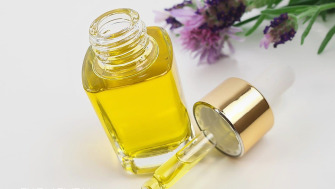
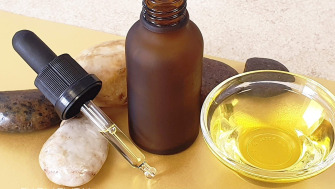
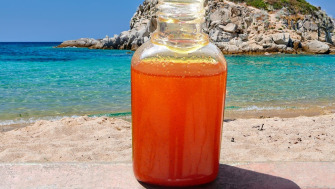
Caprilis, commonly known as caprylic/capric triglycerides, is a completely different ingredient from virgin coconut oil, although it comes from the same source. Through physical fractionation, lauric acid and long-chain fatty acids are removed, leaving exclusively caprylic (C8) and capric (C10) acid triglycerides. The result is a colorless and odorless liquid that does not solidify at low temperatures and possesses outstanding oxidative stability. It is practically the reference oily base for any cosmetic formulation, a neutral vehicle that does not interfere with the other elements of the formula.
Its texture is fine and fairly dry, with good absorption. This neutrality makes it optimal for all skin types; it is free from major allergenic potential and remains stable over time without requiring additional antioxidants. It is the ideal base for essential oils in aromatherapeutic applications, and it is also the suitable solvent for liposoluble extracts and actives.
Ingredients: Caprylic/Capric Triglycerides
Naturally derived from coconut oil. 100% natural, free of additives or preservatives.
Caprilis is the dilution base and vehicle of choice for almost any oily serum, emulsified serum, cream, or facial formula, including for oily, combination, or problematic skin, where heavier vegetable oils are counter-indicated. It does not have an active effect of its own on the skin, but it enhances the action of the active ingredients with which it is combined.
As a base for a light anti-aging serum, the synergy with Cherry Kernel Oil and Coenzyme Q10 offers a fine texture for the morning routine. For oily skin with blemishes, the association with Organic Black Cumin Oil and purifying essential oils allows for the dilution of actives and substances to a precise dosage. As a base for a soothing serum, combining it with Centella Asiatica Oil and Bisabolol maintains the fine texture.
At the body level, Caprilis is the base for lightweight massage oils, after-sun formulas, non-greasy body oils, and products for the delicate skin of babies. Odorless and hypoallergenic, it is the safe choice for formulas intended for skin with multiple sensitivities.
As a relaxing massage base, the synergy with Lavender Essential Oil and Calendula Oil provides a gentle and soothing formula. For a lightweight anti-aging body oil, it pairs well, for instance, with Milk Thistle Oil, Acmella In-Tense, and Vitamin E.
On hair, Caprilis is a good choice as a light vehicle for scalp serums and conditioner formulas for fine hair.
As a base for an anti-dandruff scalp serum, the synergy with Organic Black Cumin Oil and Tea Tree Essential Oil allows for precise dosing of the actives.
What is the difference between Caprilis and virgin Coconut Oil?
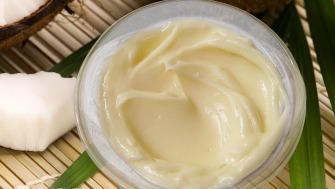
Virgin coconut oil is solid at low temperatures, smells of coconut, and feels greasy on the skin. Caprilis is its liquid fraction from which long-chain fatty acids have been removed; it is always liquid, odorless, and has a lightweight texture.
Does it smell like coconut?
No. The fractionation process completely eliminates the characteristic scent of coconut. Caprilis is perfectly odorless.
Is Caprilis a natural or synthetic product?
It is a product of 100% natural origin. Although it is processed (through hydrolysis, distillation, and re-esterification) to isolate certain fatty acids, the raw material is exclusively coconut oil, meaning it is not a product of petrochemical synthesis.
Safety in use
Cosmetic product for external use only. Do not ingest. Avoid contact with eyes.
Storage, preservation
Keep the container tightly closed, in a cool place, away from direct light. It does not solidify at low temperatures.
Write a valid review and earn loyalty points worth €0.40