








Formula: 32740 Level: beginner Shelf life: min. 6 months Optimal pH: -- Phase Ingredients Dosage % Total 30 g A Cherry Oil 50 15 g A Tricaprylin 15 4.5 g A Evening Primrose Oil 5 1.5 g A Jojoba Oil...
| Product size | Suitable pump | |
| 50 ml, 90 g, 100 ml |
|
|
| 200 g, 250 ml |
|
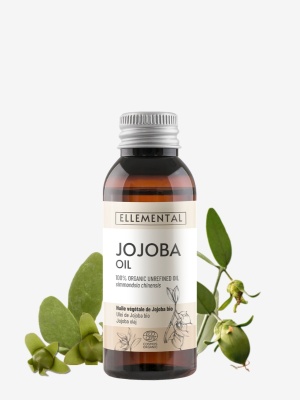
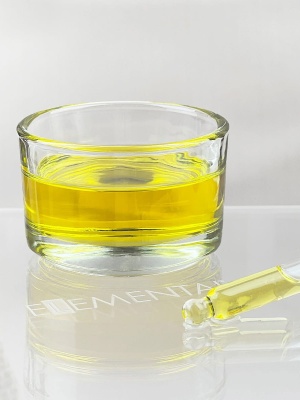
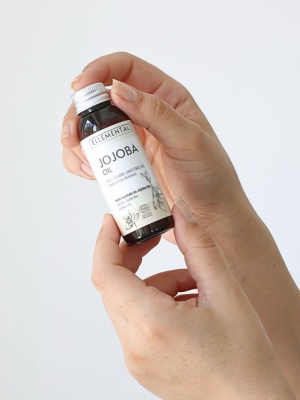
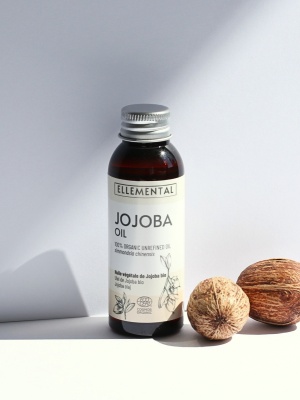
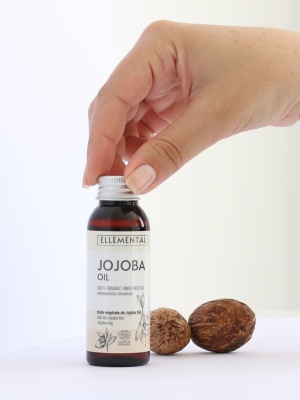
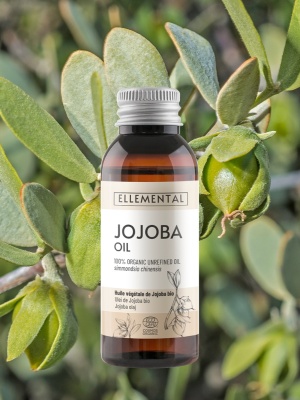
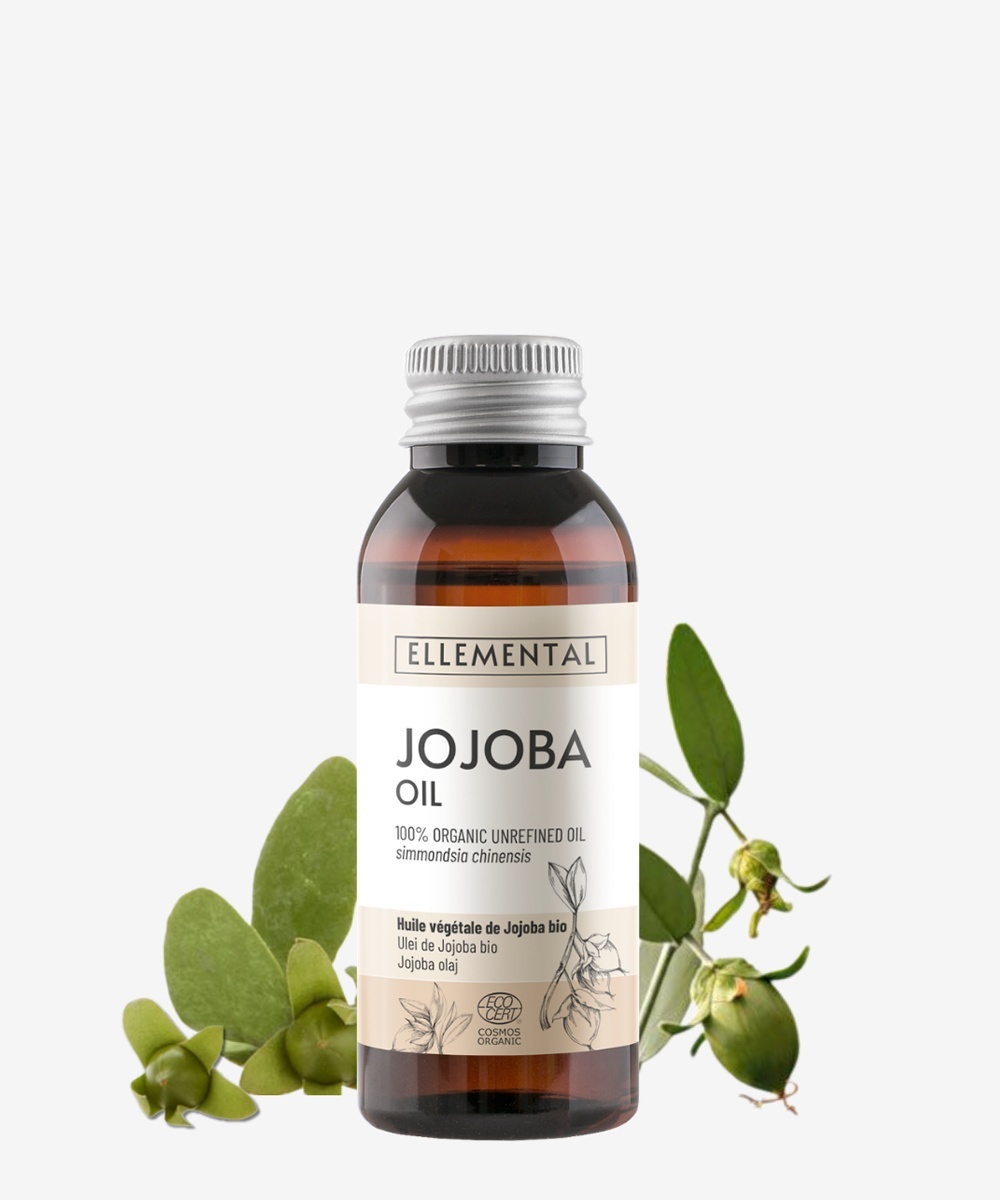
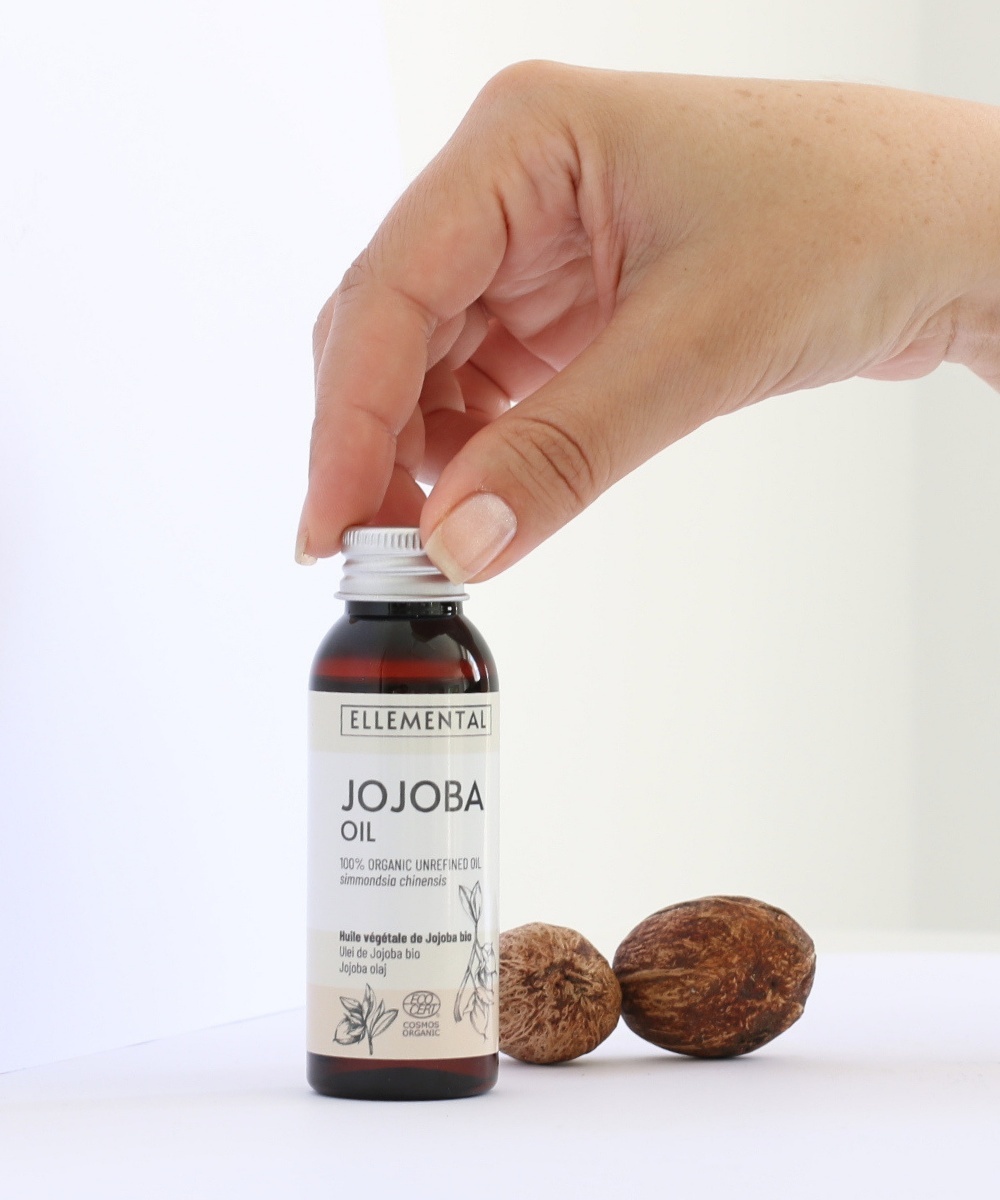
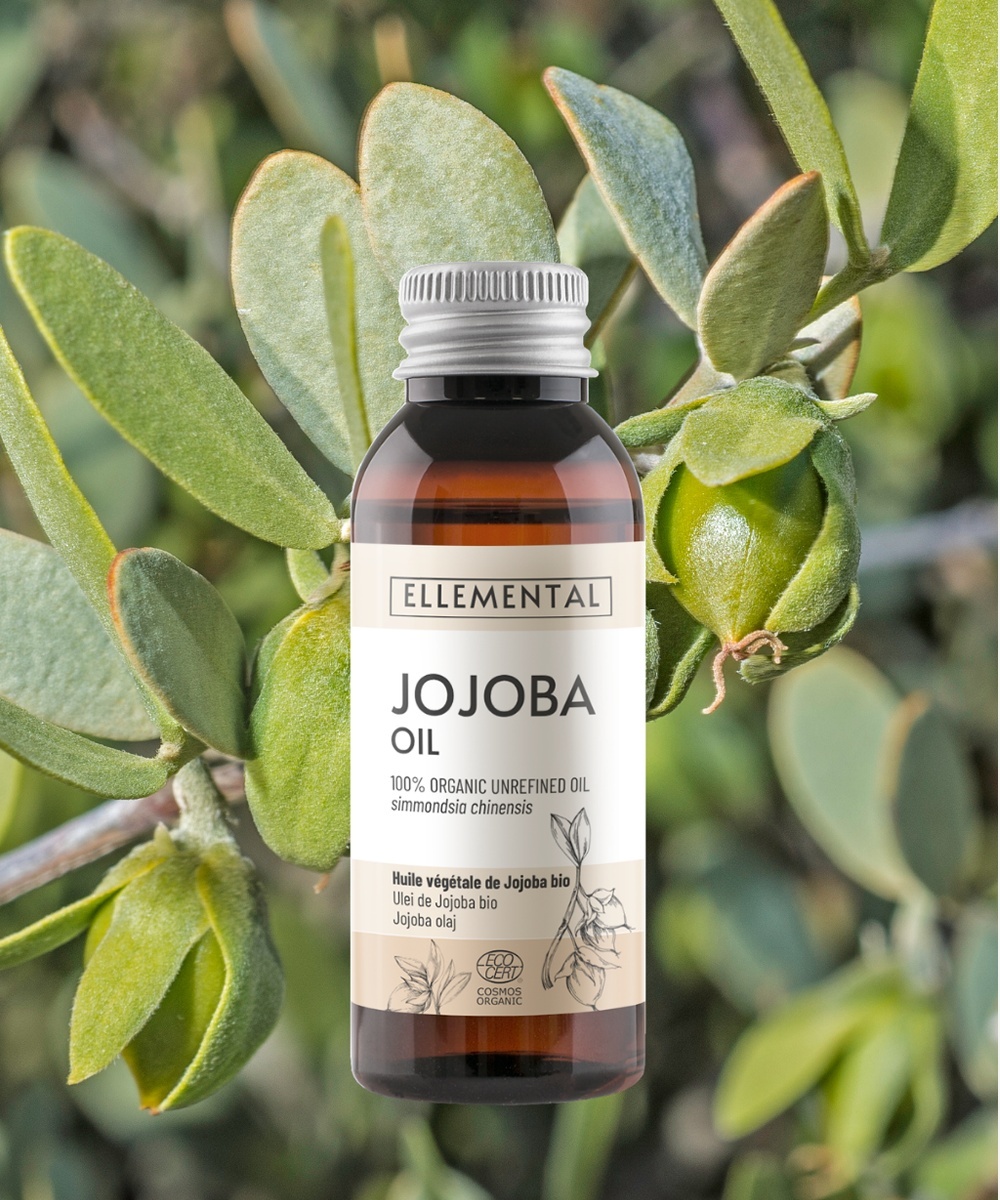
Organic Jojoba Oil (Simmondsia chinensis) is a fascinating cosmetic emollient, being in reality a pure liquid wax whose molecular structure is almost identical to that of human sebum. Due to this remarkable bio-affinity, it is instantly absorbed by the skin without clogging pores, making it the optimal ally for balancing sebum secretion and providing smart hydration to all skin types, from combination or acne-prone to sensitive and dehydrated skin. Jojoba oil is rich in antioxidants, vitamins, and protective fatty acids that soften the skin, soothe irritation, and restore natural elasticity to both the epidermis and dry or damaged hair strands.
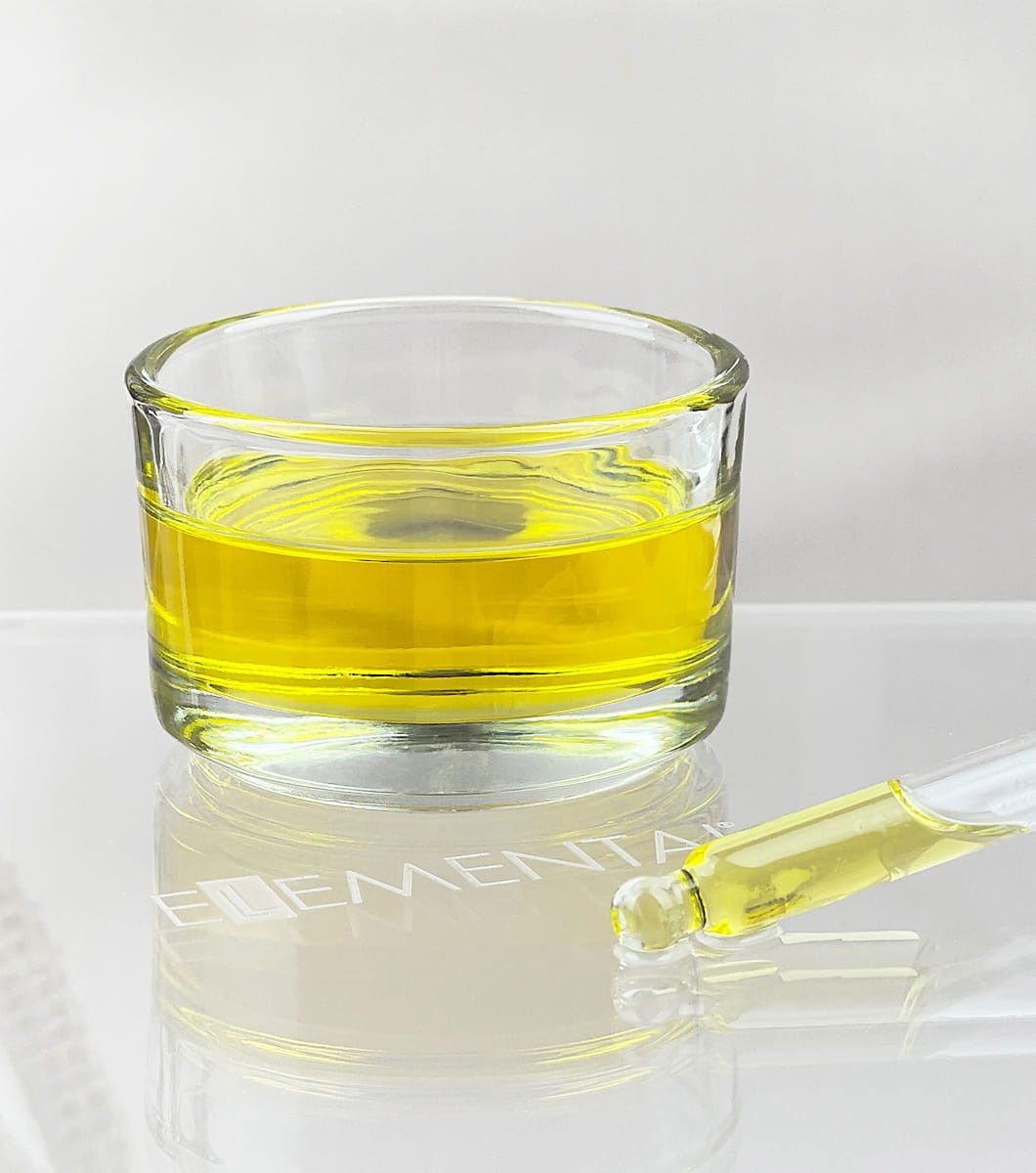
It is a liquid wax instead of triglycerides (as found in all other vegetable oils), composed mostly of long-chain wax esters. It behaves differently from vegetable oils: it does not go rancid, absorbs with a "dry" feel, and leaves no residual film. This unique structure of wax esters explains its exceptional oxidative stability and its remarkable affinity with the skin and scalp. It addresses all skin types, including oily or acne-prone skin, where its sebum-regulating action is relevant. Its neutral texture and fine, discrete scent make it an ideal vehicle for essential oils and liposoluble actives. It is rightfully considered a universal ingredient in cosmetics.
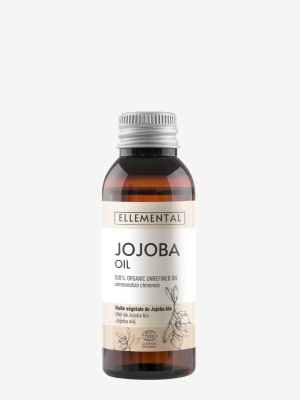
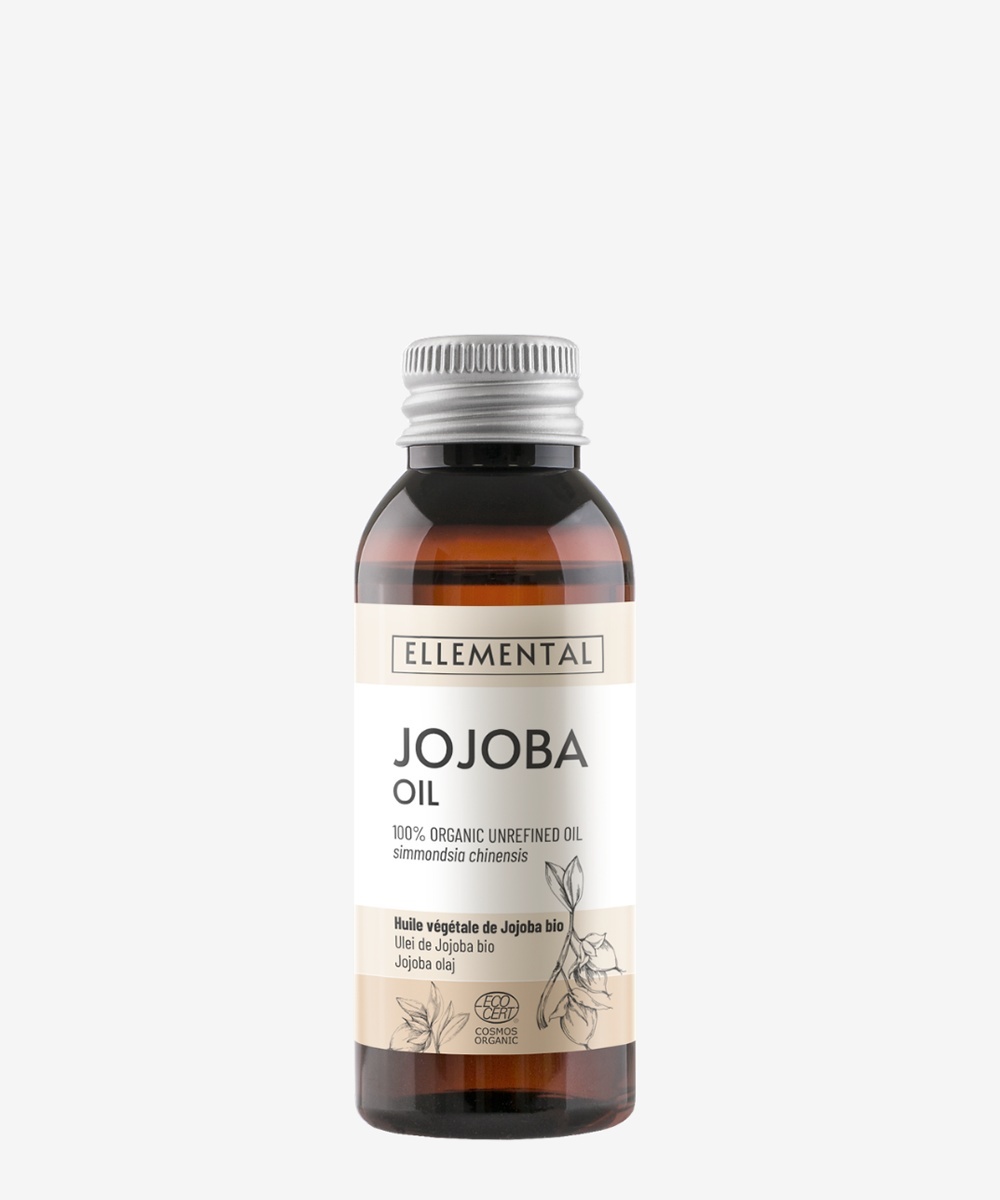
Ingredients: Simmondsia Chinensis Seed Oil*
*100% of the total ingredients come from organic farming. COSMOS ORGANIC certified by Ecocert Greenlife.
Jojoba works remarkably well on all skin types — including oily or acne-prone skin, where it is one of the rare recommended native oil options. It can be used pure or as a base for formulas.
On oily skin with blemishes, the synergy with Petitgrain Essential Oil and Black Cumin Oil supports the purifying and sebum-regulating effect. As an anti-aging serum, the association with Passion Fruit Oil and Resveratrol or Coenzyme Q10 offers a fine texture and an antioxidant profile. On sensitive skin, combining it with Centella Asiatica Oil and Bisabolol completes the soothing effect.
At the body level, jojoba is a versatile base for lightweight massage oils, after-shave/after-depilation products, and formulas for sensitive areas.
As a base for a relaxing massage oil, the synergy with Calendula Oil and Lavender Essential Oil offers a rich soothing profile. In an anti-aging body oil, it pairs well with Milk Thistle Oil, Schisandra Extract, and Olive-Silicone.
On hair, jojoba is a classic ingredient for an oily or seborrheic scalp and for dry or damaged ends. Unlike heavier oils, it does not cluster at the roots and distributes evenly along the hair strand.
For a seborrheic scalp with dandruff, the synergy with Clary Sage Essential Oil and Maca Fortis supports rebalancing. As a shine serum for ends, the association with Phyto-Silicone and Organic Broccoli Seed Oil (in low concentration) completes the smoothing effect.
Why doesn't it go rancid like other oils?
Unlike vegetable oils made of triglycerides, jojoba is a liquid wax made of long-chain wax esters. These are not susceptible to the same oxidation processes (lipid peroxidation) as polyunsaturated fatty acids. The result is a remarkable stability, the bottle can be kept for years without visible degradation.
Is it recommended for acne-prone skin too?
It is well tolerated by acne-prone skin for the vast majority of users. As with any lipid ingredient, there is individual variation, and for individuals with severe acne, it is prudent to start with small amounts and monitor the skin's reaction.
Can it be used around the eyes?
Yes, its fine texture and high tolerability make it suitable for the periocular area. Apply a few drops with your fingertips in the evening.
Safety in use
Cosmetic product for external use only. Do not ingest. Avoid contact with eyes.
Storage, preservation
Keep the bottle tightly closed, in a cool place, away from direct light. Exceptional oxidative stability. At temperatures below 10°C, cloudiness or a deposit may appear; this is a normal phenomenon that disappears at room temperature.
Write a valid review and earn loyalty points worth €0.40