







Formula: 44012 Difficulty Level: intermediate Shelf life: min. 3 months Optimal pH: 5.5-6.0 Phase Ingredients Dosage % Total 100 g A Pure / Distilled Water 73 73 g A Lauryl Surfactant 7 7 g A HEC Gum...
| Product size | Suitable pump | |
| 50 ml, 90 g, 100 ml |
|
|
| 200 g, 250 ml |
|
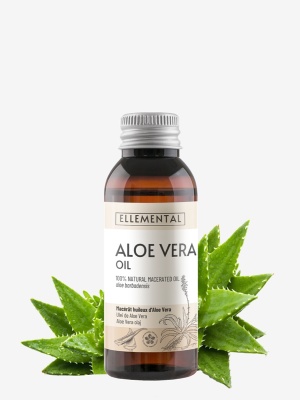
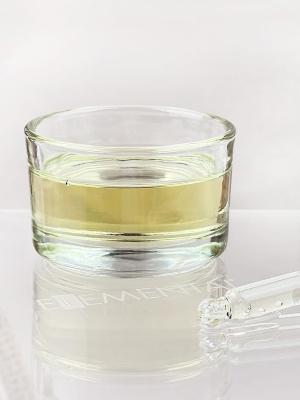
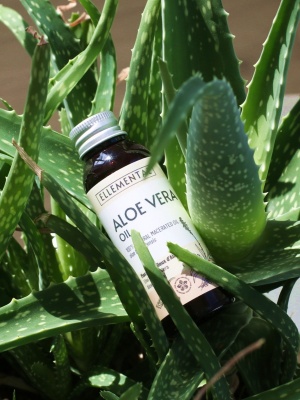
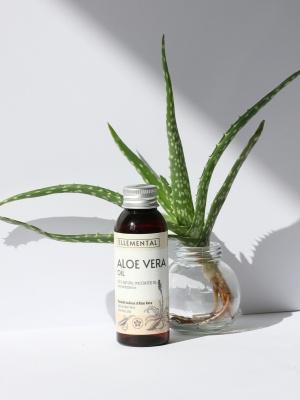
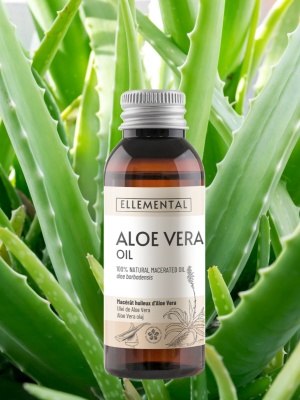
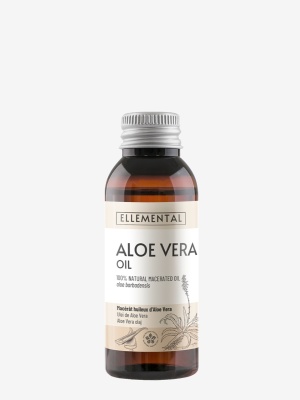
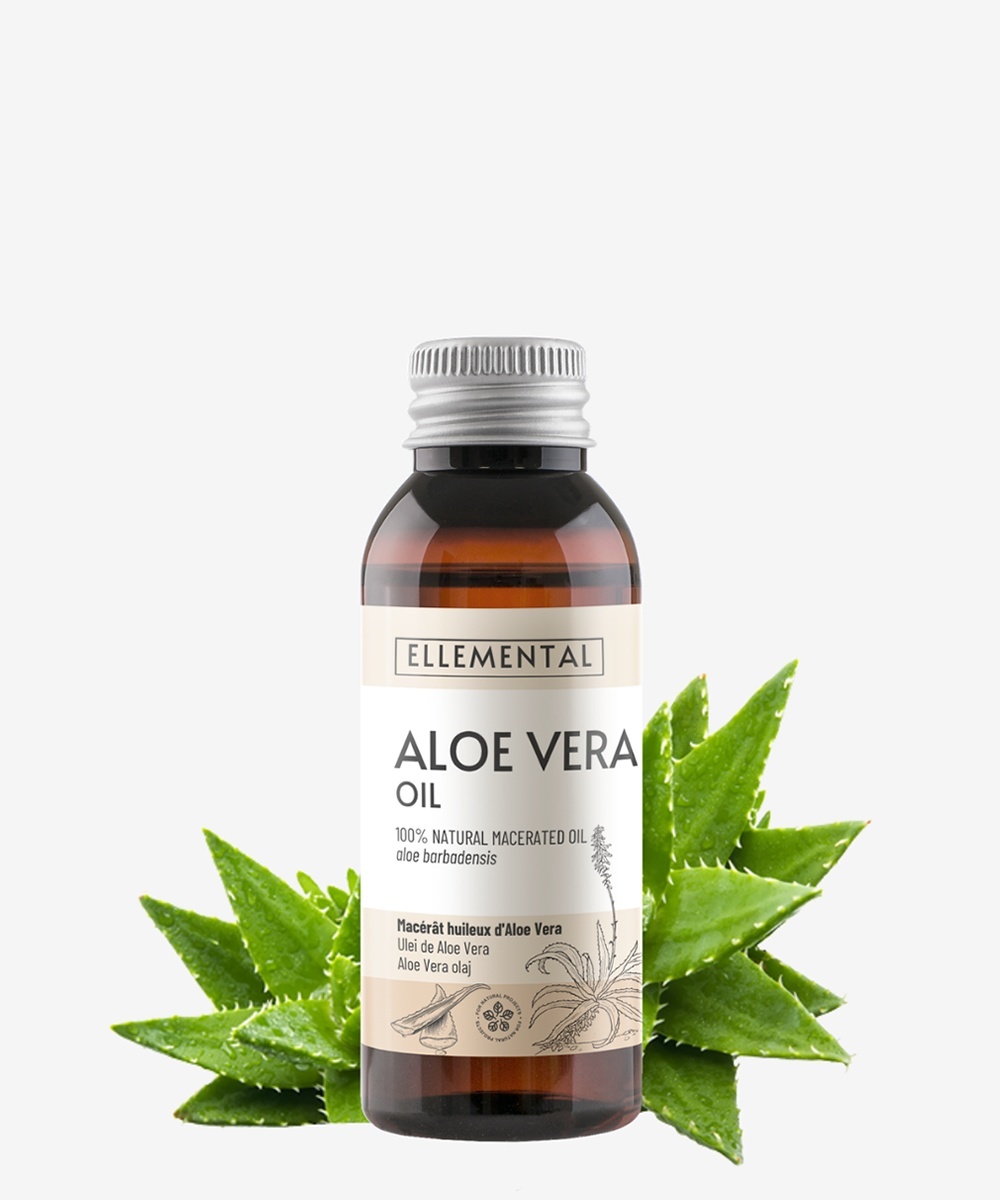
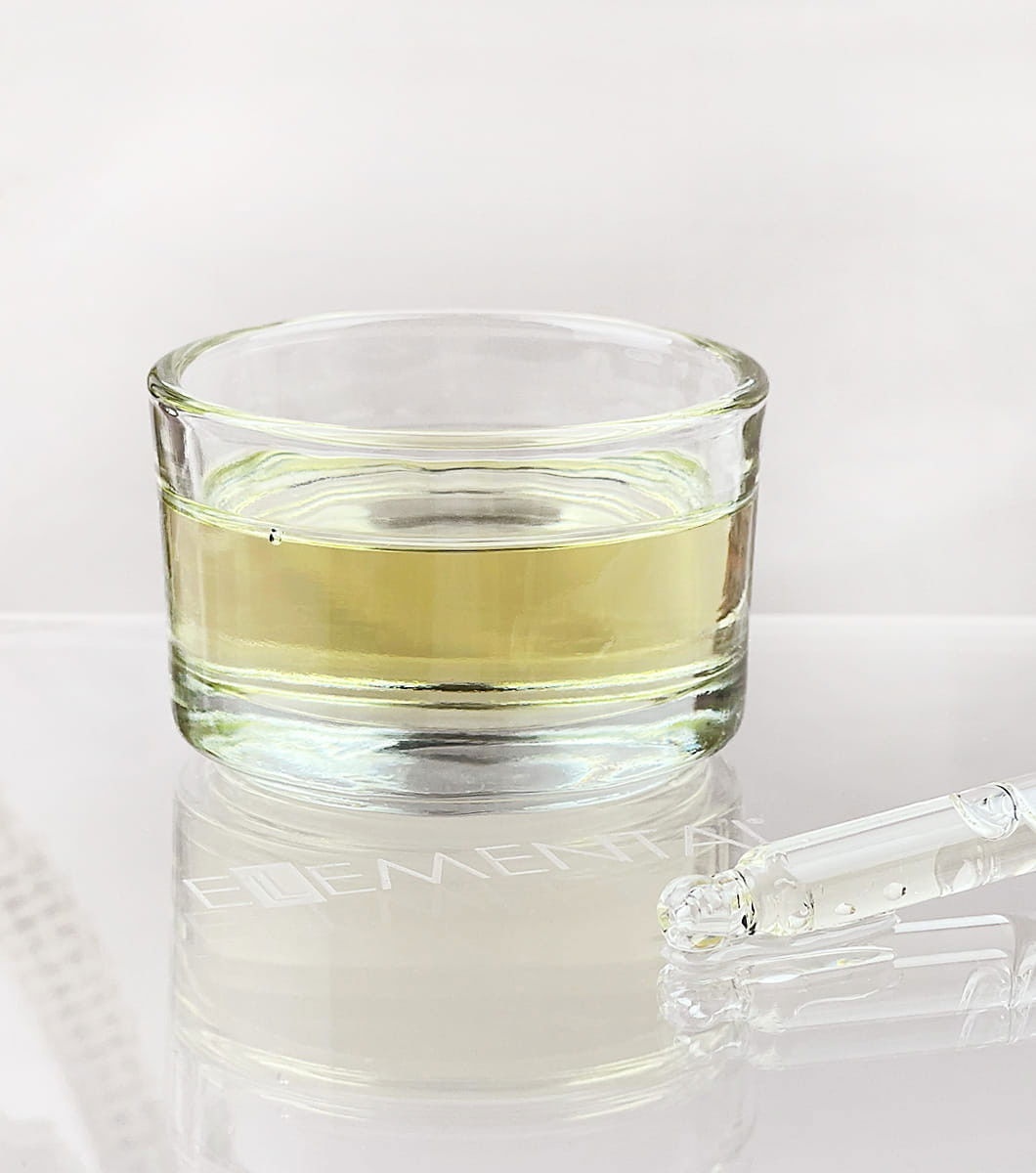
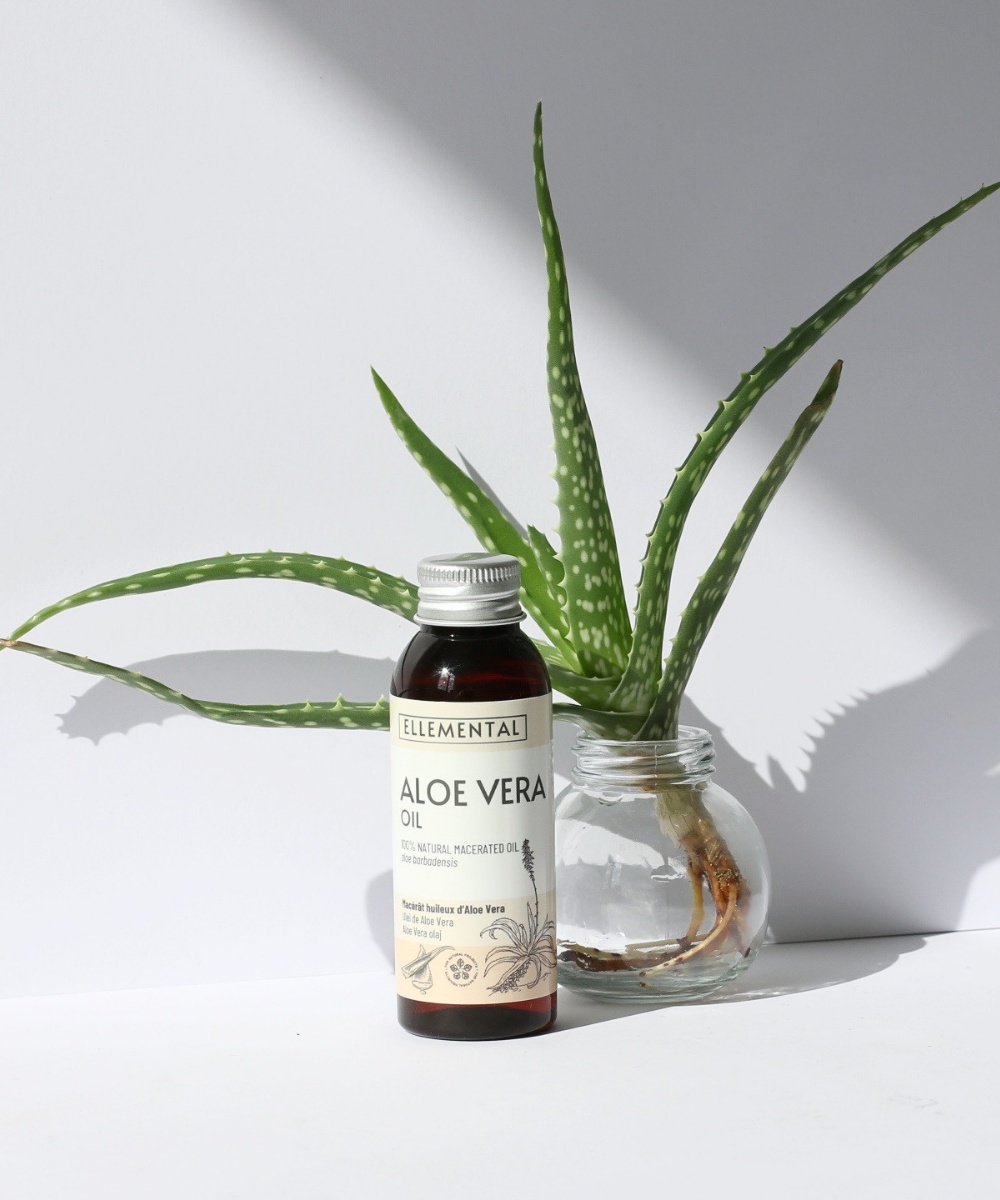
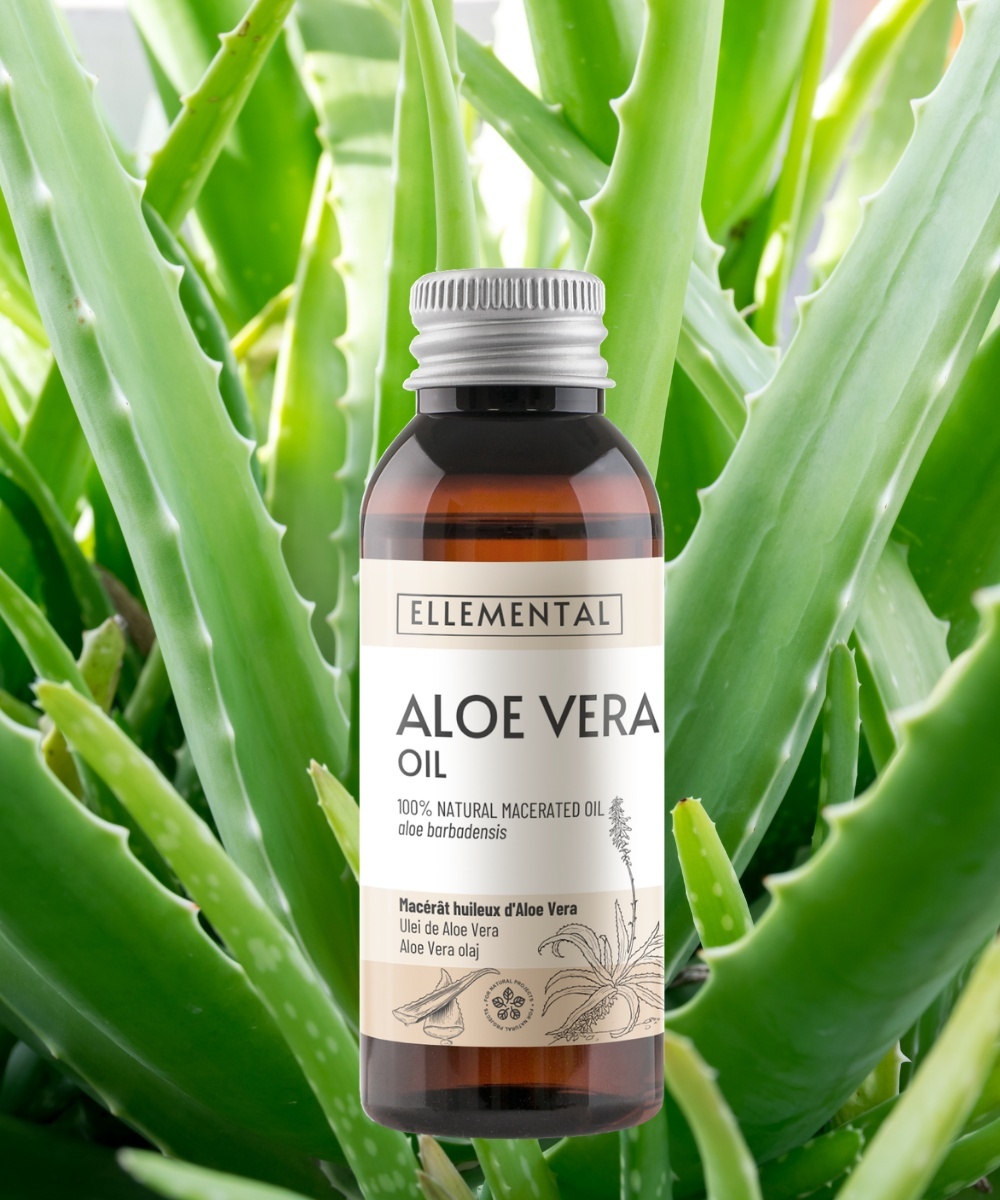
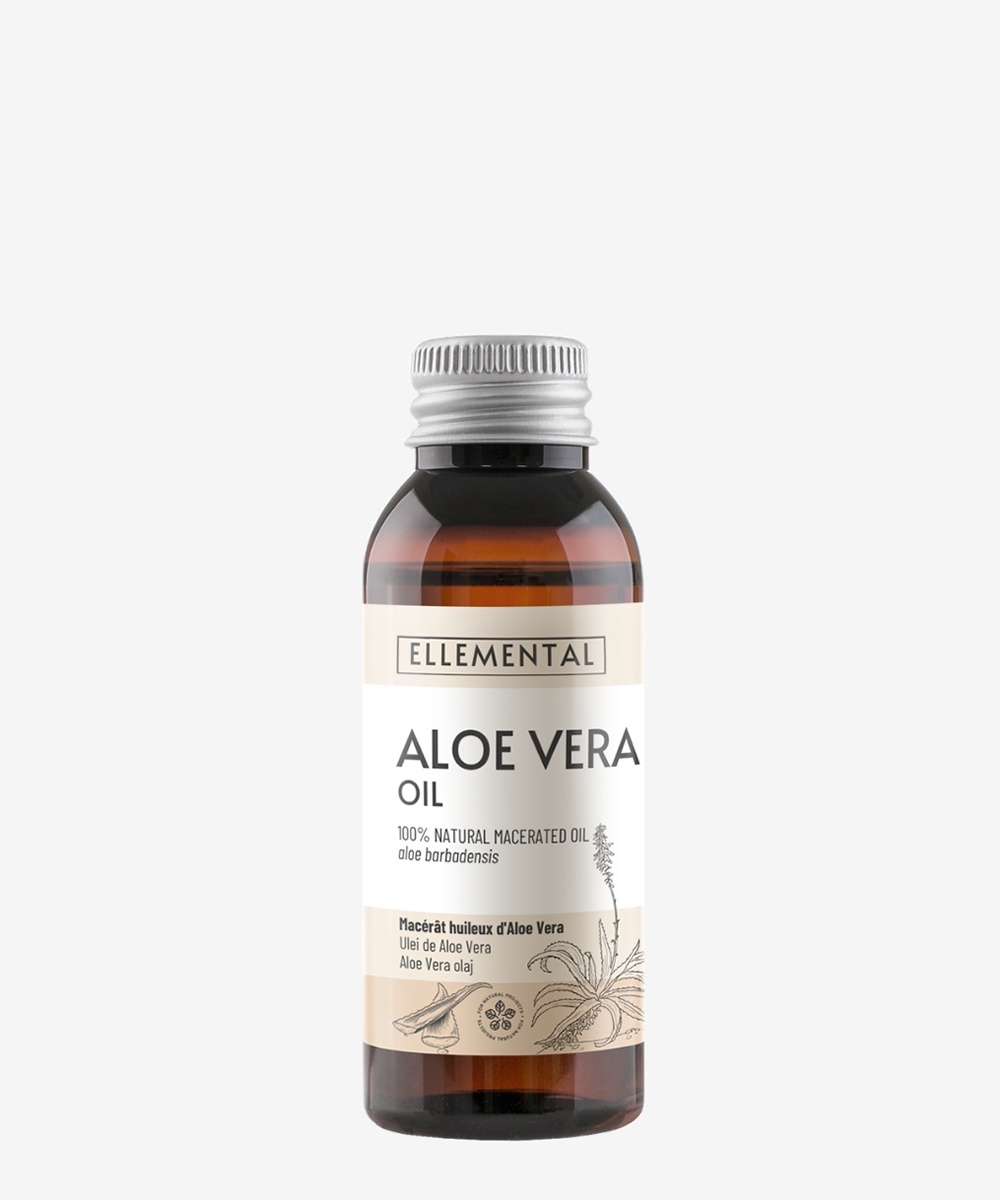
Aloe Vera Oil (Aloe Barbadensis) is a macerated oil made from aloe leaves in vegetable oil. This lipid form, which captures the plant's fat-soluble active principles, nourishes the skin and brings additional benefits compared to classic aloe vera gel. It is the product of choice for sensitive, irritated, sunburned, or depilated skin, but it works equally well as a soothing and moisturizing ingredient in creams and lotions for all skin types. The texture is fluid, clear, fast-absorbing, and has a subtle, neutral scent.
Compared to aqueous aloe gel, the oily macerate nourishes the hydrolipid barrier and does not evaporate, maintaining the soothing effect for a longer period. It is versatile and easy to incorporate into formulas, from face oils to body balms, after-sun lotions, or serums. The oil base also provides lecithins and fatty acids that enhance the product's performance. It is a gentle and well-tolerated ingredient, even for very sensitive or reactive skin.
Ingredients: Glycine Soja Oil, Aloe Barbadensis Leaf Extract, Tocopherol
100% natural, free of preservatives, free of synthetic additives.
Aloe Vera Oil is suitable for all skin types, particularly for sensitive, reactive, or dehydrated skin. It is a good choice in face after-sun formulas or in evening soothing serums. Its fluid texture and neutral scent make it easy to integrate into almost any formula without interfering with other ingredients.
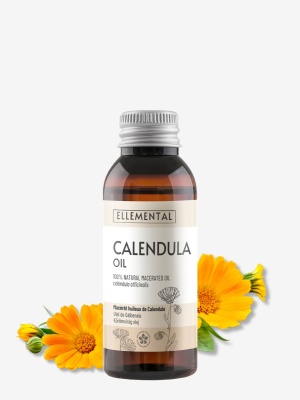
For sensitive or reactive skin, it combines efficiently with Bisabolol and Calendula Oil for a cumulative soothing effect. In a light moisturizing serum for normal or combination skin, the synergy with Grape Seed Oil and Vitamin E offers a pleasant, non-greasy texture. As an ingredient in an emollient cream for dry skin, the association with Avocado Oil and Ceramides completes the moisturizing spectrum.
At the body level, Aloe Vera Oil excels in after-sun, post-depilation products, and soothing lotions for sensitive skin. It is also ideal as a base ingredient in preparations for dry skin on hands or feet, where its emollient and soothing effect is welcome.
For an efficient after-sun oil, the synergy with Calendula Oil and Lavender Essential Oil covers both the soothing and the mild analgesic effects. As a base for a light and moisturizing body oil, the association with Apricot Oil and Vitamin E provides a pleasant texture and good formula stability.
On the scalp and hair, Aloe Vera Oil is particularly useful for an irritated, dry, or itchy scalp. It helps soothe discomfort and maintain a balanced scalp environment. It is not an ingredient with a powerful repairing effect on the hair fiber, but it integrates well into masks and conditioners.
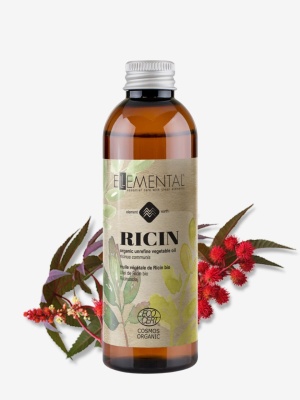
For fragile hair, the synergy with Burdock Oil and Hair-bond is efficient. As an ingredient in hair masks, it associates well with Ricin Oil and Amla Oil.
What is the difference compared to aloe vera gel?
Aloe gel is an aqueous formula that evaporates quickly and has an immediate cooling effect. The oily macerate remains on the skin longer, nourishing the lipid barrier and maintaining the soothing effect for a longer time. The two forms are complementary.
Can it also be used on oily or acne-prone skin?
Yes, in moderation. The soybean base has a low comedogenicity rating, and the soothing effect of aloe is useful even on inflammation-prone skin. Small doses and testing individual reactions before regular use are recommended.
Is it suitable as a makeup remover?
It can help remove light makeup, but it is not the best choice for waterproof products. It can be included in a biphasic makeup remover or as an ingredient in cleansing milk.
Safety in use
Cosmetic product for external use only. Do not ingest. Avoid contact with eyes.
Storage, preservation
Keep the bottle tightly closed, in a cool place, away from direct light. The vitamin E included in the formula ensures good stability against oxidation, but prolonged exposure to heat or light can affect product quality.

Write a valid review and earn loyalty points worth €0.40