




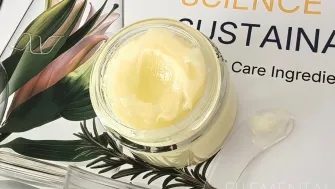
Formula: 32782 Difficulty Level: intermediate Shelf life: min. 6 months Optimal pH: -- Phase Ingredients Dosage % Total 100 g A Glycerin 38 38 g A Emulsifier Sucrose Stearate 2 2 g B White Lily Oil...
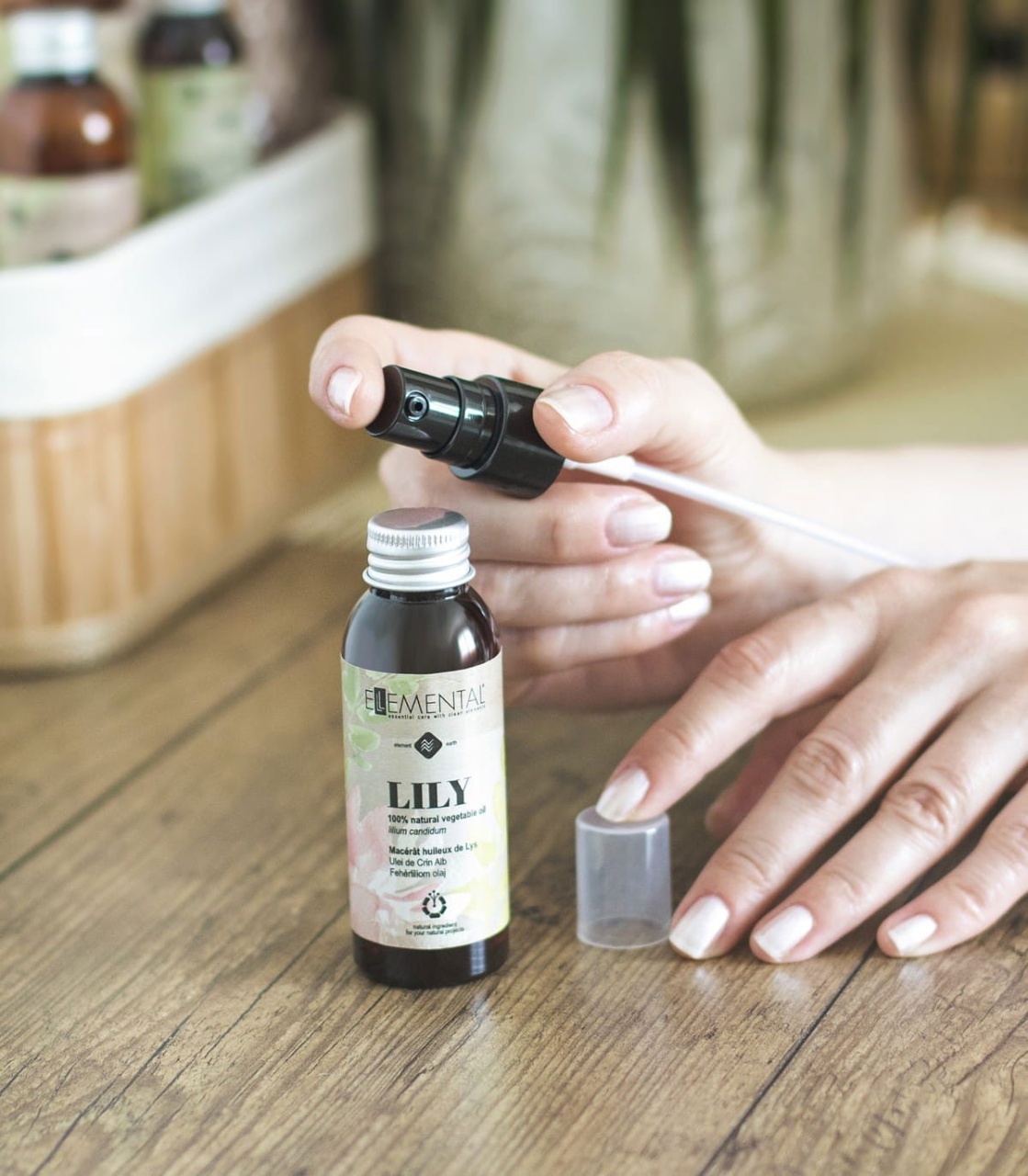
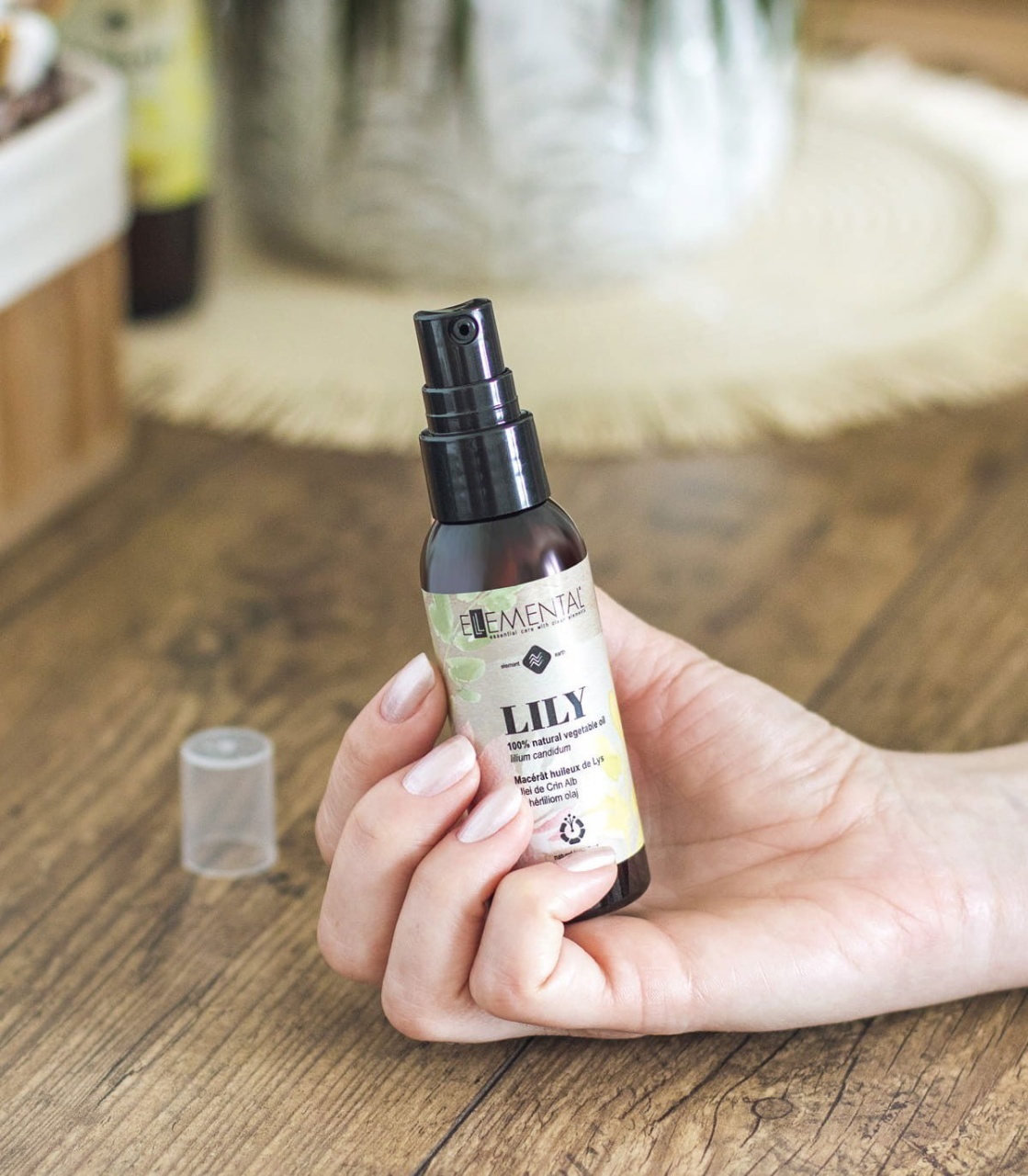
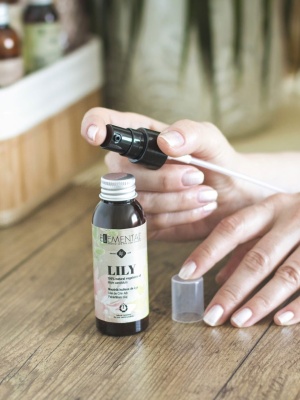
| Product size | Suitable pump | |
| 50 ml, 90 g, 100 ml |
|
|
| 200 g, 250 ml |
|
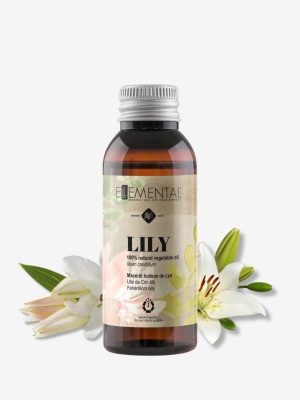
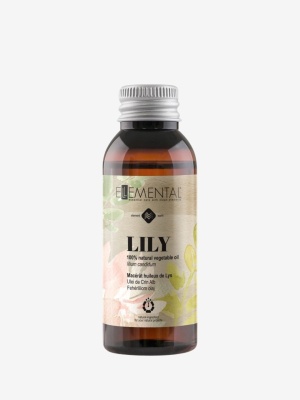
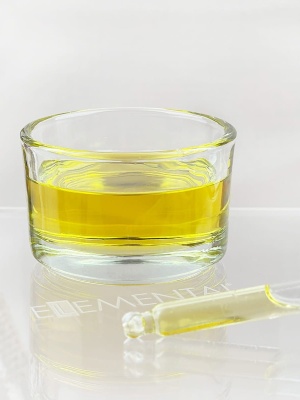
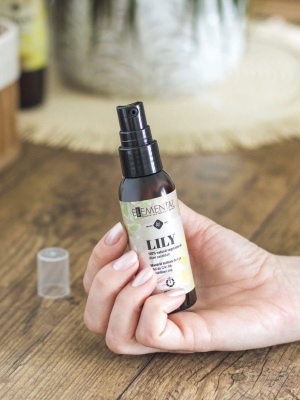
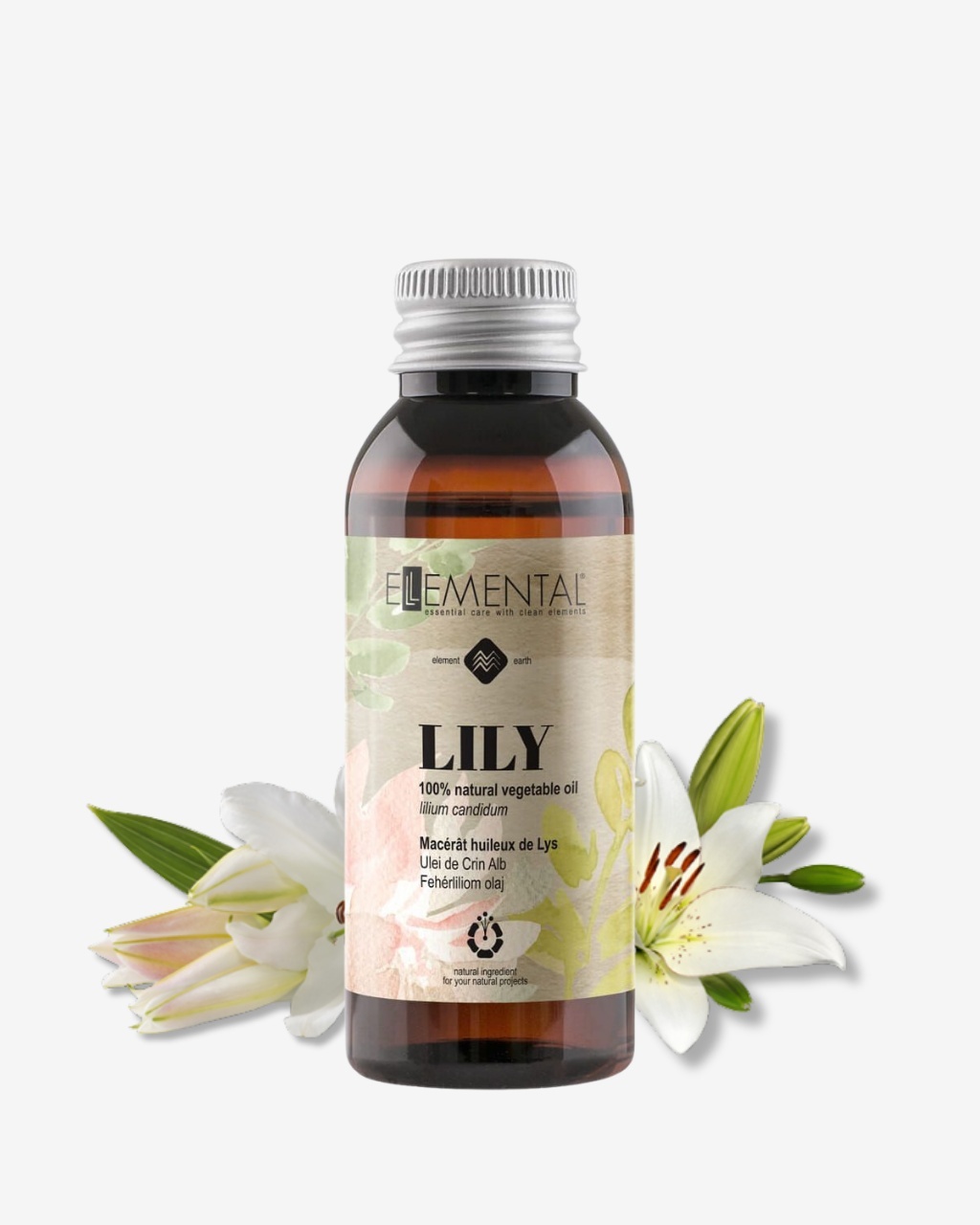
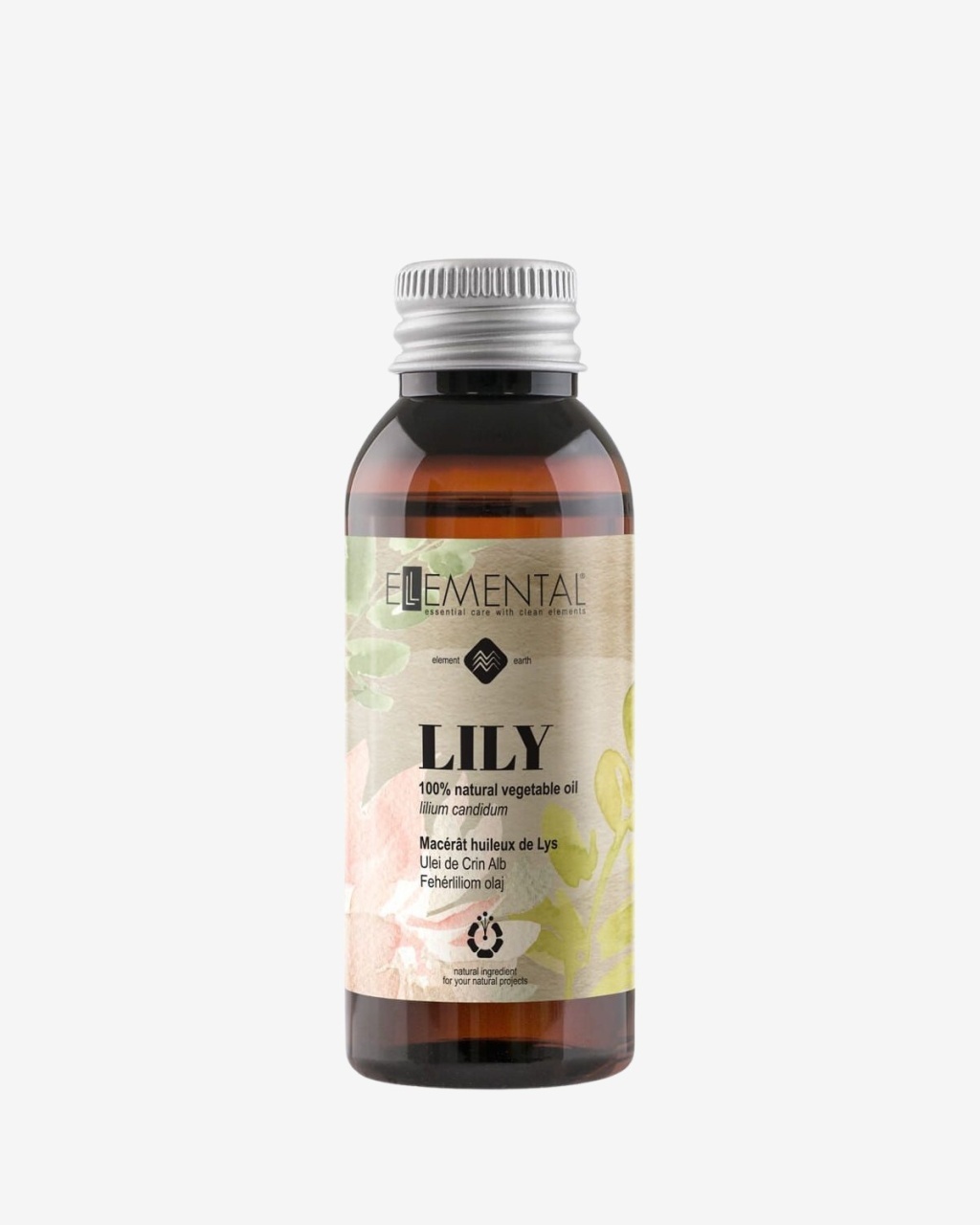
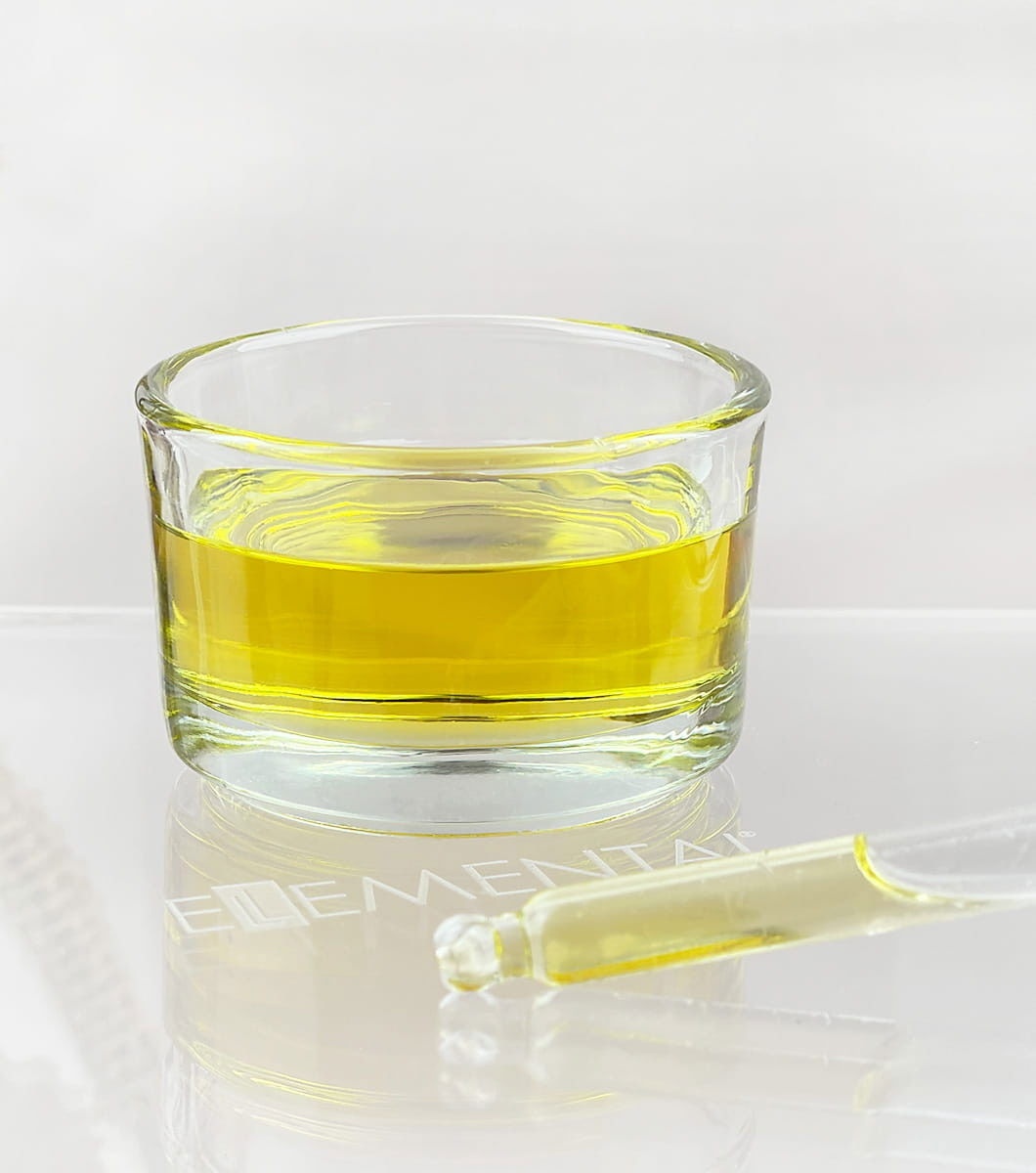
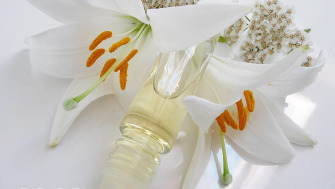
White Lily Oil is a macerate obtained by infusing white lily flowers (Lilium candidum) in vegetable oil. It is a product with a clear identity in cosmetics, as an ingredient for the care of skin with pigment spots, uneven texture, or a dull appearance, valued for its properties of brightening and evening out the skin tone. It does not smell like lily flowers; the scent is lightly vegetable, neutral, and subtle.
The sunflower oil base brings a well-balanced composition of fatty acids, phytosterols, and tocopherols, while the lily flower extract contributes plant-specific fat-soluble compounds that support the evening and brightening effect of the formula. The texture is quite lightweight, with medium absorption and a semi-greasy feel upon application, making it suitable primarily for the evening routine or for dry skin if used pure as it is.
Ingredients: Helianthus Annuus Seed Oil, Lilium Candidum Flower Extract
100% natural, free of preservatives or additives.
White Lily Oil is recommended for skin with pigment spots, freckles, or a dull and uneven appearance. It can be applied pure or as an ingredient in evening serums and creams. Its slightly greasy texture makes it more suitable for evening use or for dry skin types.
For a brightening serum, the synergy with Milk Thistle Oil and Astaxanthin supports the skin tone evening effect. As an ingredient in an evening anti-spot cream, the association with Vitamin C THDA and Carrot Seed Essential Oil completes the active and regenerating spectrum.
At the body level, White Lily oil is useful in hand creams and products for areas with age spots or superficial hyperpigmentation on the body.
In a hand cream for age spots, the synergy with FCF Lemon Essential Oil and Pomegranate Oil provides a beneficial active and nutritional effect.
White Lily Oil does not have a primary use in hair care. It can be included marginally as an emollient ingredient in conditioners or dry scalp treatments, but it does not bring specific hair benefits.
As a supporting emollient ingredient in conditioners, the synergy with Burdock Oil and Ylang-Ylang Essential Oil completes the formula.
Does it smell like lily flowers?
No. This is one of the most common misconceptions about this product. The compounds responsible for the scent of lily flowers are volatile and do not transfer to the maceration oil. The product has a light, neutral vegetable scent.
How long does it take to see results on spots?
The effects are cumulative and require regular use. Visible results usually appear after a few weeks of consistent application.
Is it suitable for oily skin?
As it is, pure, it is less recommended, but it can be used as an ingredient in facial blends, serums, or creams.
Safety in use
Cosmetic product for external use only. Do not ingest. Avoid contact with eyes.
Storage, preservation
Keep the bottle tightly closed, in a cool place, away from direct light.

Write a valid review and earn loyalty points worth €0.40