Description
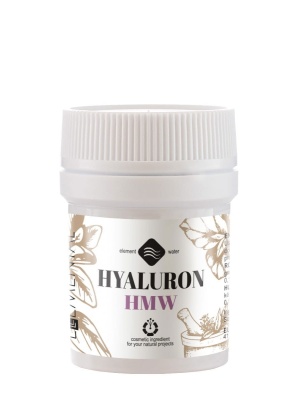
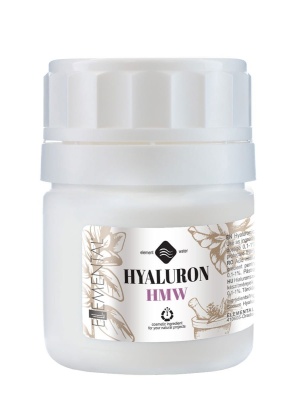
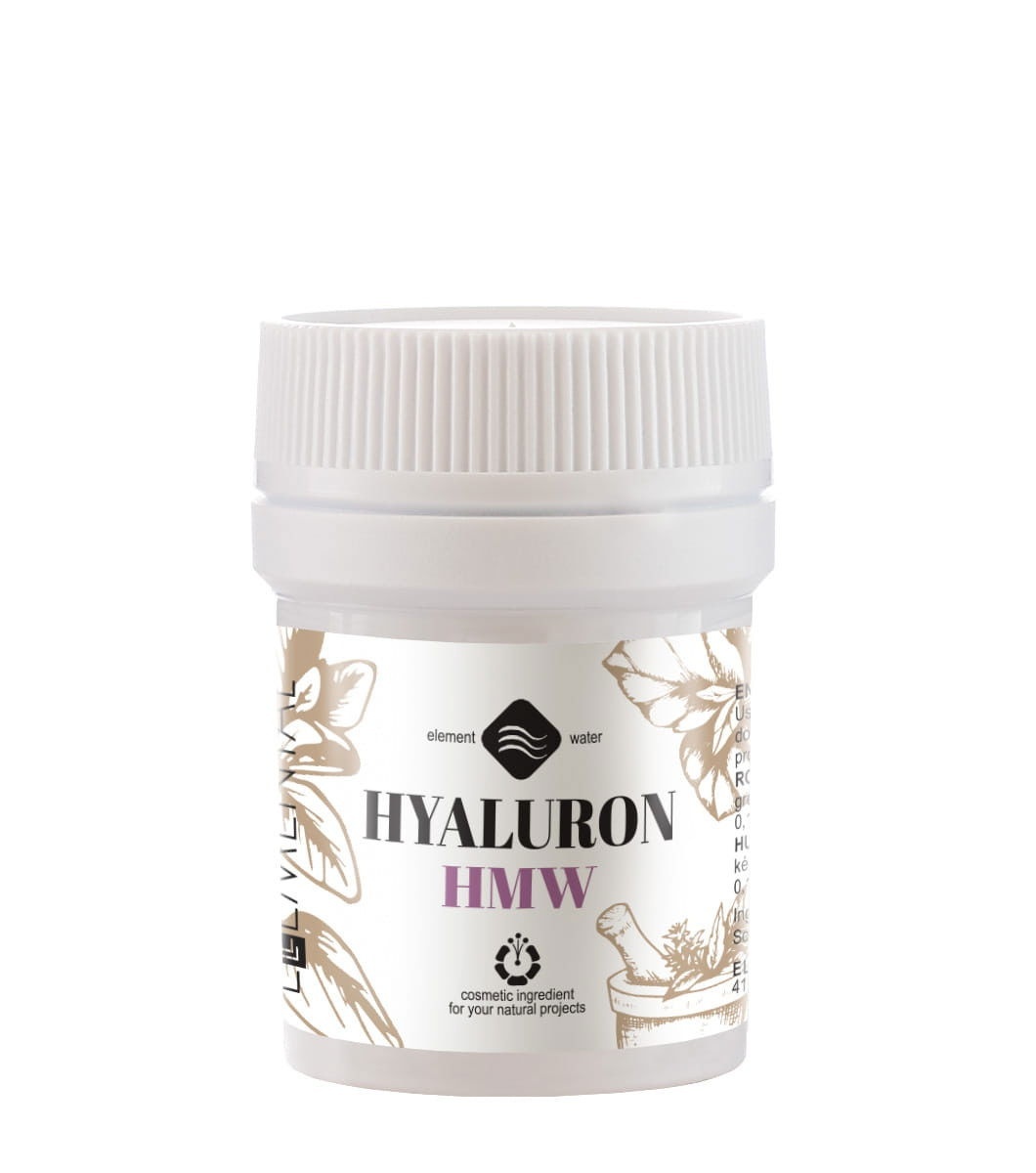
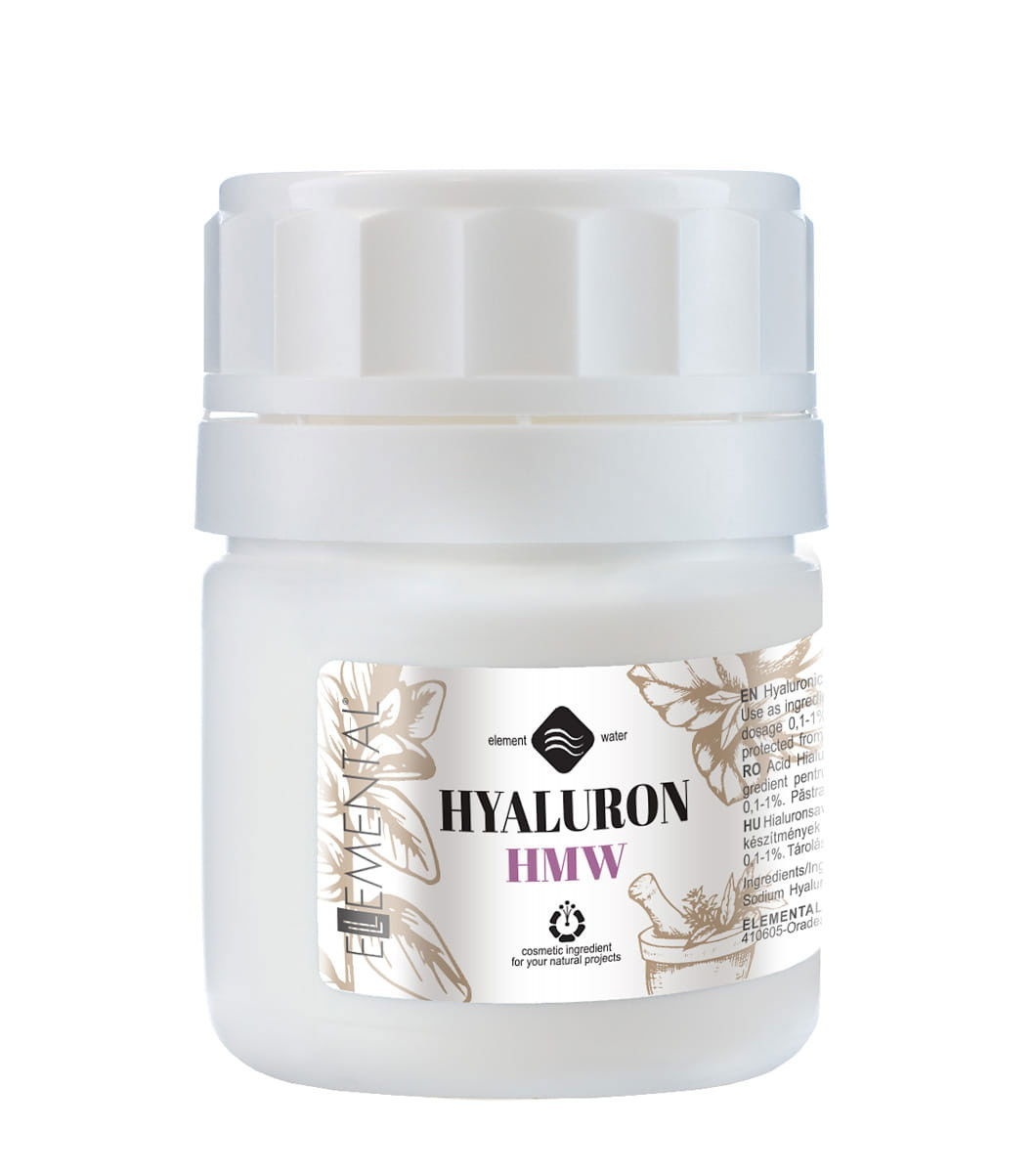
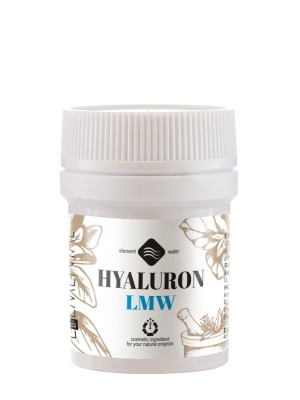
HMW Hyaluronic Acid - High Molecular Weight
HMW Hyaluronic Acid (high molecular weight) acts primarily on the surface of the epidermis, where it forms an invisible, continuous, non-occlusive film. This hygroscopic layer has the ability to capture and retain moisture from the atmosphere, significantly reducing transepidermal water loss (TEWL). The result of application is an immediate smoothing effect on fine lines caused by dehydration, a visible increase in surface elasticity, and a silky skin texture. In addition to its hydrating benefits, it is a remarkable texture modifier, imparting an elegant viscosity and a premium feel upon application to creams and serums.
Ingredients (INCI): Sodium Hyaluronate
Technical Characteristics
- Molecular Weight: High, situated between 1.0 and 1.6 MDa (Megadaltons).
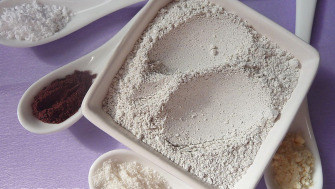
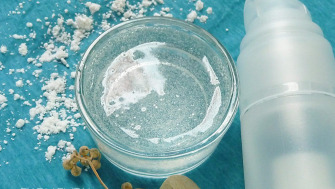
- Appearance: Fine, granular powder, white in color, odorless.
- Solubility: Water-soluble. Dissolves in water forming a transparent and viscous gel (the process requires hydration time).
- Cosmetic function: Powerful humectant agent, protective film-former, viscosity and rheology modifier.
- Indicative dosage: 0.1% - 1%
Information from Specialized Literature
The physicochemical properties and topical behavior of Hyaluronic Acid are extensively studied:
- Localization at the Stratum Corneum Level: Spectroscopy studies confirm that high molecular weight hyaluronic acid molecules remain localized on the surface of the epidermis; their primary role is as a moisture-retaining barrier, unlike low molecular weight variants.
- Viscoelastic Film Formation: Specialized literature highlights the ability of hyaluronic acid to self-organize into a three-dimensional network that holds an amount of water hundreds of times greater than its own molecular weight. This viscoelastic film temporarily evened out skin micro-relief, providing a visibly plumper appearance.
- Efficacy in Reducing Dehydration: Dermatological clinical evaluations show that long-term application of cosmetic formulas optimizes the skin's barrier function, improving signs of roughness and flaking associated with dry or weather-exposed skin.
Main Properties
- Surface Ultra-Hydrator: Infuses the stratum corneum with water and prevents its rapid evaporation.
- Instant Smoothing Effect (Blurring): Attenuates the appearance of fine lines and surface wrinkles through intense hydration.
- Non-Occlusive Protective Barrier: Protects the skin against environmental aggressions (wind, air conditioning, pollution) without clogging pores.
- Sensoriality: Eliminates the sticky feel of traditional humectants (such as high percentages of glycerin), offering a silky slip to cosmetic compositions.
Applications
- Cosmetic ingredient recommended for creating a wide range of cosmetic products. Variants with different molecular weights can be used simultaneously in a formula for a synergistic effect.
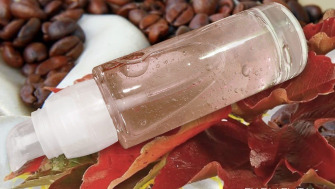
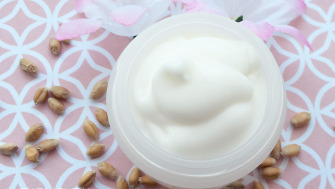
- Hydrating gelled day and night serums.
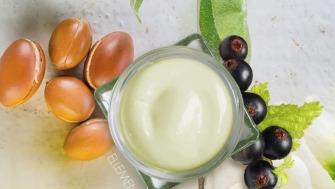
- Anti-aging facial creams, lightweight gel-cream lotions, and makeup primers.
- Eye contour products intended to smooth and refresh the area.
- Hydrating body lotions, after-sun milk, and gentle shower gels.
- Premium facial toners and urban hydration sprays.
Formulation Guide
HMW Hyaluronic Acid is a polymer with specific dissolution dynamics. To avoid lump formation and ensure a clear gel, follow these instructions:
- "Slurry" Technique - recommended: Premix the Hyaluronic Acid powder with a small amount of Glycerin or Propanediol to form a paste; this suspension can then be easily incorporated into any formula.
- "Pre-formed Gel" Technique: Sprinkle the Hyaluronic Acid powder onto the surface of the distilled water (or hydrosol) in the formula at room temperature for passive hydration. Do not stir immediately. Allow the mixture to rest for 30 to 60 minutes. The powder will absorb water gradually and dissolve on its own, forming a homogeneous and translucent gel that subsequently requires only simple stirring. This technique is suitable for formulas where the addition of glycerin or propanediol is not planned.
- Procedure in Emulsions: It is recommended to add the pre-formed gel or the hyaluronic acid "slurry" paste in the final phase, at temperatures below 40°C.
- Rheological sensitivity: The gel network formed by the HMW polymer is sensitive to prolonged mechanical shear and the presence of mineral salts or strong acids (which can liquefy the gel). Maintain the pH of the formula between 5.0 and 7.0.
Safety in Use and Storage
Safety Profile: Safe, non-irritating, non-sensitizing, and non-comedogenic ingredient of biotechnological origin, suitable for all skin types.
Warnings: For external cosmetic use only. Avoid direct inhalation during weighing. Keep out of reach of children.
Storage: In a tightly closed container, in a dry, cool place, strictly protected from moisture.
Scientific References
- Pavicic, T., Gauglitz, G. G., Lersch, P., et al. (2011). Efficacy of cream-based novel formulations of hyaluronic acid of different molecular weights in anti-wrinkle treatment. Journal of Clinical and Aesthetic Dermatology.
- Essendoubi, M., Gobinet, C., Reynaud, R., et al. (2016). Human skin penetration of hyaluronic acid of different molecular weights as probed by Raman spectroscopy. Skin Research and Technology.
- Bukhari, S. N. A., Roswandi, N. L., Waqas, M., et al. (2018). Hyaluronic acid, a promising skin rejuvenating biomacromolecule: A review of recent updates and pre-clinical and clinical investigations on cosmetic and nutricosmetic effects. International Journal of Biological Macromolecules.