Description
Kojic Acid - The Depigmentation and Skin Evening Specialist
Kojic Acid is an active agent of natural origin, produced by various species of fungi (such as Aspergillus oryzae) during the fermentation process. It is one of the most popular ingredients in Asia for its ability to inhibit tyrosinase - the key enzyme in melanin synthesis. Used correctly, it helps fade pigmentation spots, melasma, and acne marks, providing the skin with a clear, luminous, and revitalized appearance. In addition to its depigmenting role, it also possesses antioxidant and mild antibacterial properties.
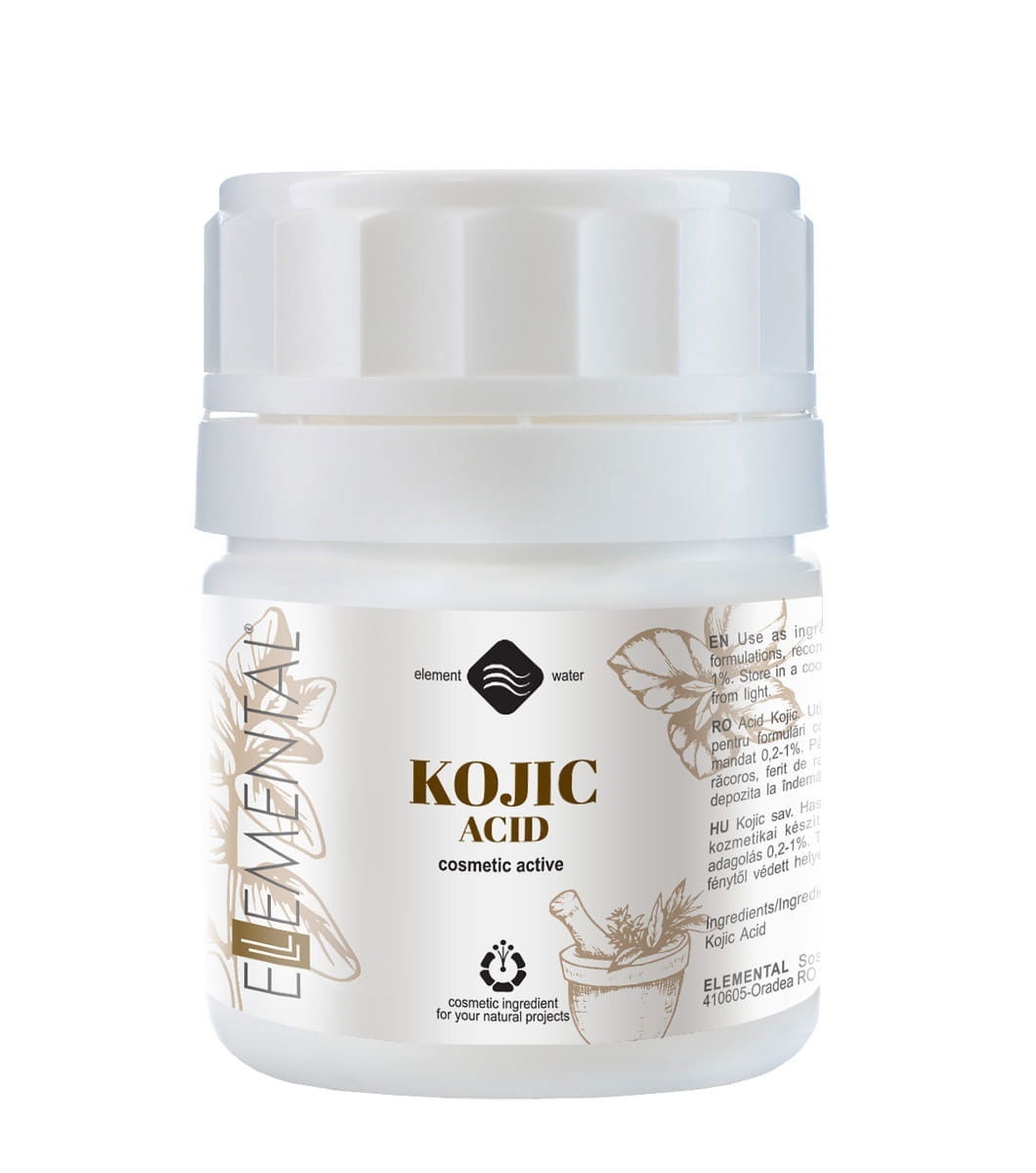
Ingredients (INCI): Kojic Acid.
Technical Characteristics
- Origin: Natural, obtained through fermentation.
- Appearance: Crystalline powder, almost white in color.
- Solubility: Dispersible in water and ethyl alcohol.
- Function: Depigmenting, antioxidant, brightening agent.
- General recommended dosage: 0.2% - 1%
Information from Specialized Literature
Kojic Acid is recognized in aesthetic dermatology for its targeted action on hyperpigmentation:
- Inhibition of Melanogenesis: Studies confirm that Kojic Acid captures copper ions from the tyrosinase enzyme, thereby blocking melanin production at the source.
- Efficacy on Sun Spots: Specialized literature documents a visible reduction in the intensity of spots caused by prolonged sun exposure after 4-6 weeks of topical use.
- Antibacterial and Antifungal Effect: Although primarily used for brightening, studies show it can also help manage small acne imperfections due to its antimicrobial profile.
- Synergy with Exfoliants: Clinical research indicates that Kojic Acid penetrates the skin layers better when associated with agents that facilitate cellular turnover.
Main Properties
- Depigmenting: Effectively combats age spots, freckles, and post-inflammatory hyperpigmentation.
- Brightening: Evens out the general skin tone, providing radiance to dull skin.
- Antioxidant: Protects cells against free radicals generated by UV radiation.
Applications
- Serums and gels for treating pigmentation spots.
- Night creams for regeneration and brightening.
- Hand lotions (senile spots).
- Cleansing soaps for evening out body tone.
Formulation Guide
- Procedure: Add to the aqueous phase. Kojic Acid is sensitive to oxidation (it can turn brown if the formula is not balanced).
- Stability: The addition of a chelating agent is recommended (to neutralize metals that accelerate oxidation) and the use of antioxidants in the formula.
- pH Range: Optimal between 4.5 and 5.5 for optimal long-term stability.
- Ellemental Synergies:
- Double Depigmenting Effect: Combine with Arbutin to address melanin production through two complementary mechanisms.
- Optimized Penetration: Associate with Gluconolactone. Gentle exfoliation with PHA allows Kojic Acid to more easily reach the layers where pigment is formed.
- Luminous Glow: Use alongside Vitamin C for a boost of radiance and antioxidant protection.
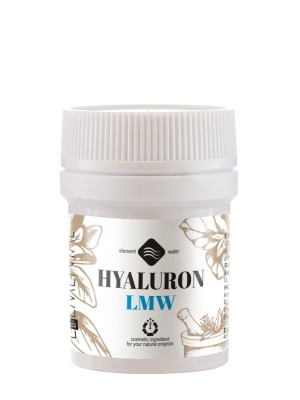
- Hydration Compensation: Associate with Hyaluronic Acid to prevent potential skin dryness during depigmentation treatment.
Frequently Asked Questions (FAQ)
Why has my Kojic Acid serum turned orange?
Kojic Acid oxidizes when exposed to light and air. Yellowing or browning indicates that the product has lost some of its efficacy. Use opaque containers with as little air contact as possible.
Is it safe to use daily?
Yes, at the recommended dosage of up to 1%. However, in case of sensitive skin, start with applications every 2-3 days to allow the skin to adjust.
Safety in Use
Profile: Safe ingredient, but requires rigor in formulation and storage.
Precautions: External cosmetic use. The use of a cream with SPF is recommended during the day, as the melanin inhibition process leaves the skin more vulnerable to the sun.
Depozitare: In a cool, dry place, away from direct light.
Scientific Reference Literature (2022-2025)
- Sarkar, R., et al. (2024). Kojic Acid in Dermatology: Mechanisms of action and safety profile in long-term hyperpigmentation treatment. Clinical and Aesthetic Dermatology.
- Lee, J. H., et al. (2023). Comparative study of Kojic Acid and Alpha-Arbutin in the management of melasma. International Journal of Cosmetic Science.
- Zhu, X., et al. (2022). Antioxidant and anti-tyrosinase activities of Kojic Acid derivatives: A biotechnological perspective. Journal of Bioscience and Bioengineering.
- Draelos, Z. D. (2025). Next-generation skin brighteners: Stabilizing Kojic Acid in modern topical formulations. Dermatologic Therapy (Update).