






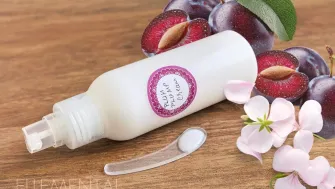
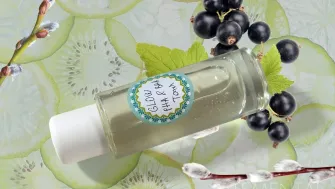
Formula: 32768 Difficulty Level: intermediate Shelf life: min. 3 months Optimal pH: 5.5-6.0 Phase Ingredients Dosage % Total 100 g A Olive-Silicone 15 15 g A Triheptanoin 5 5 g A MonCrem 202...
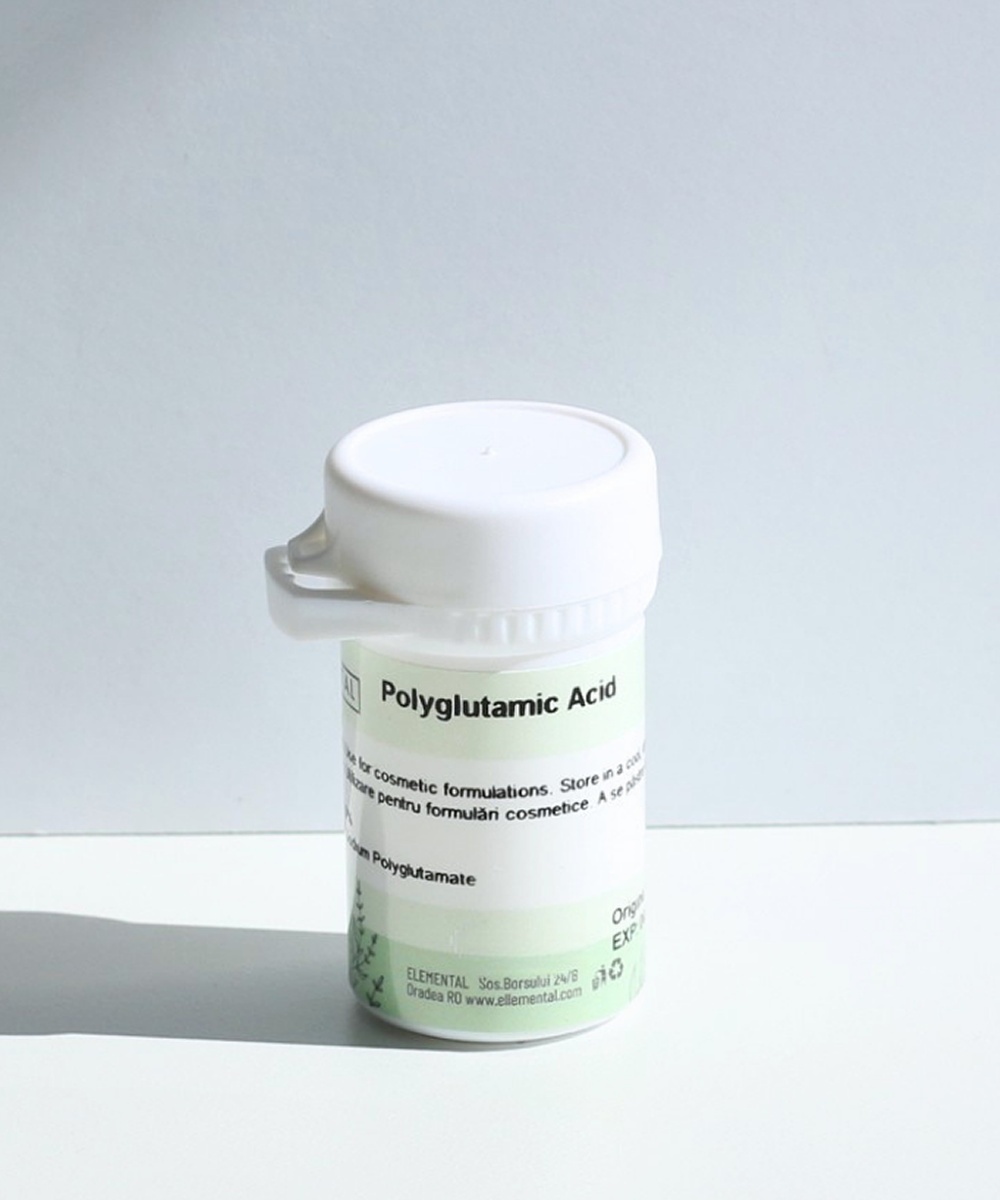
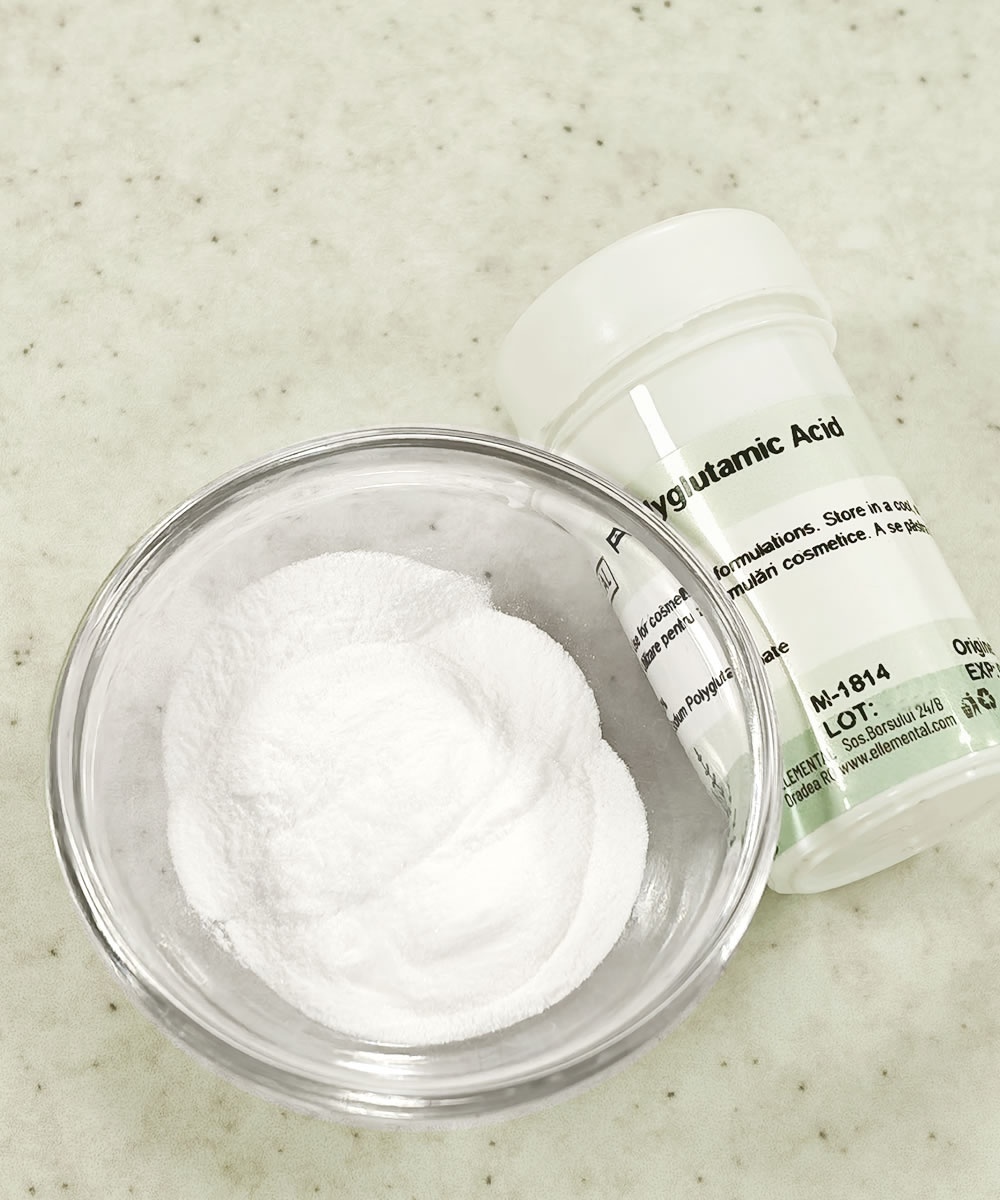
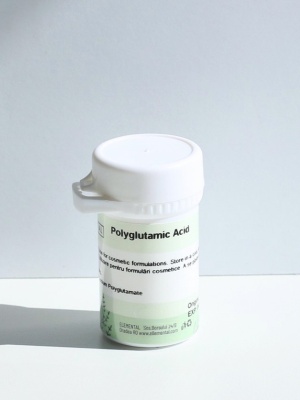
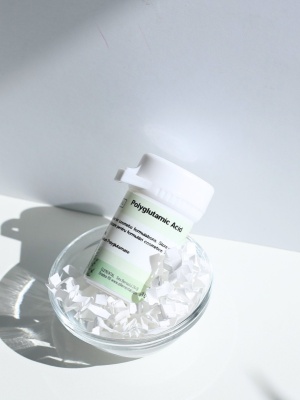
Polyglutamic Acid - Next-Generation Super-Moisturizer
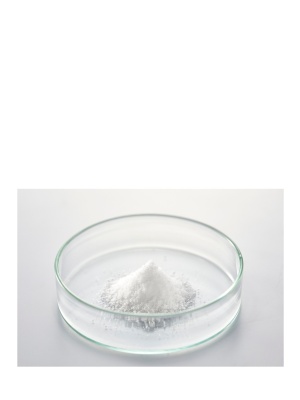
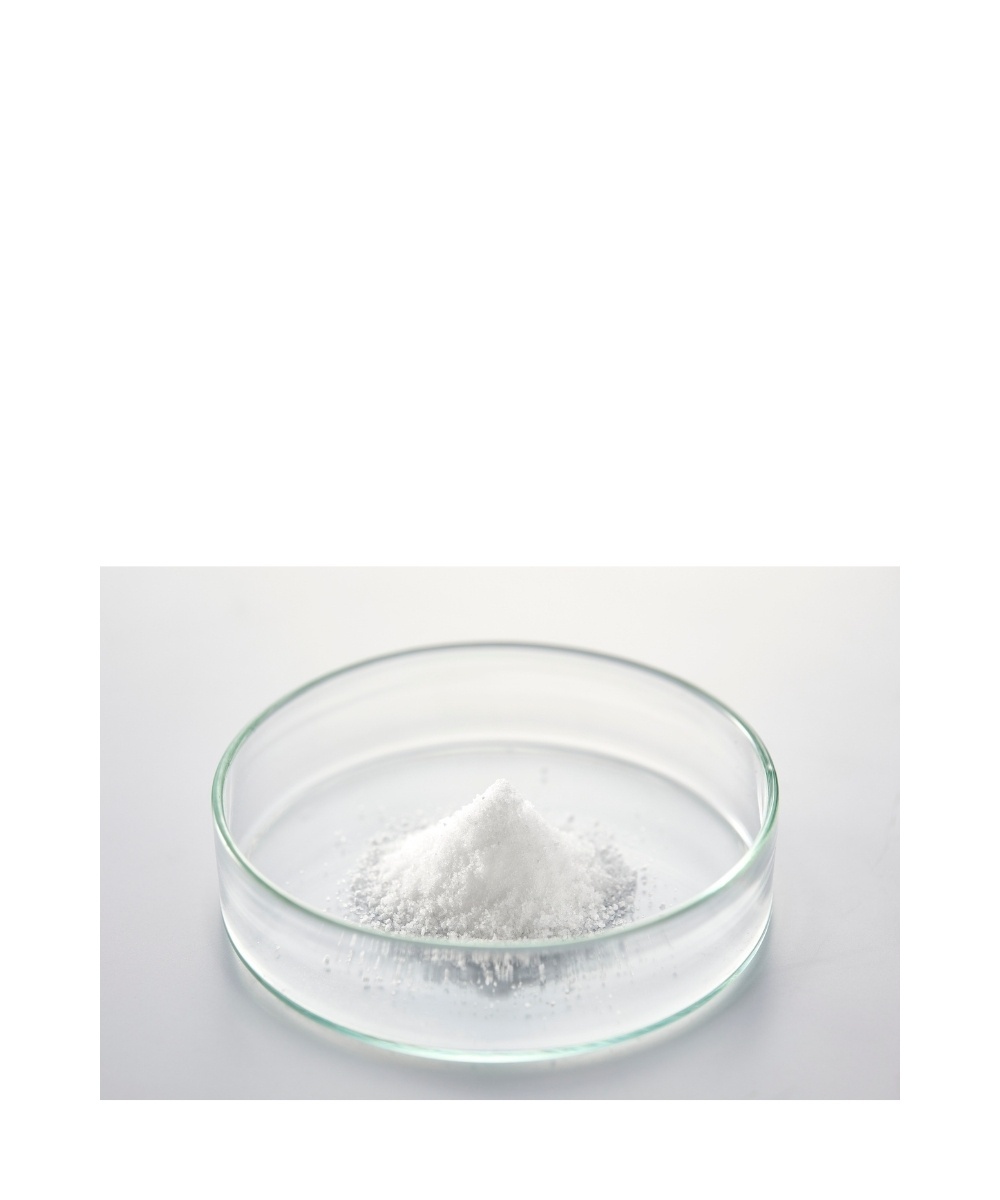
Polyglutamic Acid (PGA) is a revolutionary biopolymer obtained through bacterial fermentation, recognized as one of the most powerful hydrating agents discovered to date. With a water retention capacity superior to hyaluronic acid, PGA not only hydrates deeply but forms a fine protective film on the skin surface that prevents moisture evaporation and protects the natural hyaluronic acid reserves of the epidermis by inhibiting enzymatic degradation.
Ingredients: Sodium Polyglutamate.
Efficacy has been demonstrated through comparative studies and laboratory tests:
Cosmetic ingredient. General dosage: 0.1% - 1.0%
Suitable for the preparation of various cosmetic products for face, body, and hair care. It is ideal for products intended for dehydrated, mature, or skin lacking elasticity. It improves the texture of creams and the post-application sensation. It is suitable for hair products because it protects the hair fiber, hydrates dry scalp, maintains hydration, and reduces the effects of external aggressions.
Can it be used in water-based serums without emulsifiers?
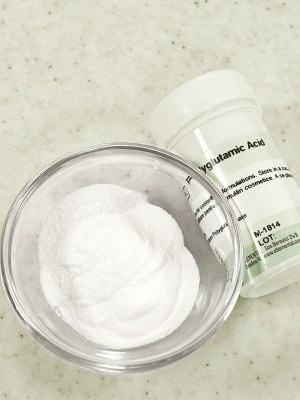
Yes, it is perfect for clear aqueous serums. The powder dissolves completely and does not require special suspending agents.
Is it sticky on the skin?
In general, Polyglutamic Acid provides a smooth and silky feel, being less sticky than certain forms of Hyaluronic Acid at similar concentrations.
Profile: It is a safe, biocompatible, and biodegradable ingredient without major sensitizing potential.
Precautions: The product is intended exclusively for cosmetic use. Do not ingest. Avoid direct contact with eyes in pure form.
Storage: Store in the original packaging, in a cool place and away from direct light. The container must be hermetically closed after each use, as the powder can be hygroscopic (absorbs moisture from the air).
Technical documentation and information provided by the Manufacturer
CosIng - European Commission Database for Cosmetic Substances and Ingredients.
Specialized literature on biopolymers and fermented ingredients.

Write a valid review and earn loyalty points worth €0.40