






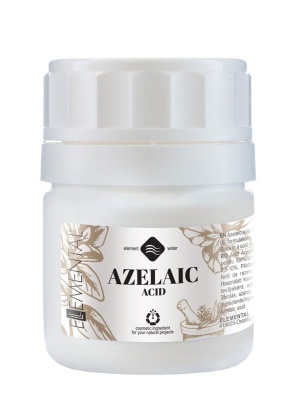
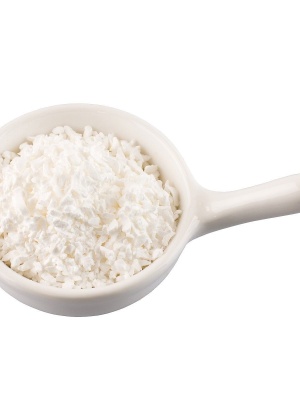
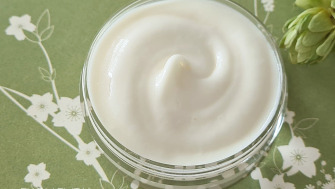
Formula: 20411 Difficulty level: experienced Shelf life: min 3 months pH optimal: 4.5 - 4.8 Phase Ingredients Dosage % Total 50 gr A Moringa Oil 15 7,5 gr A Emulsifier Emulsan 3 1,5 gr A Cetearyl...
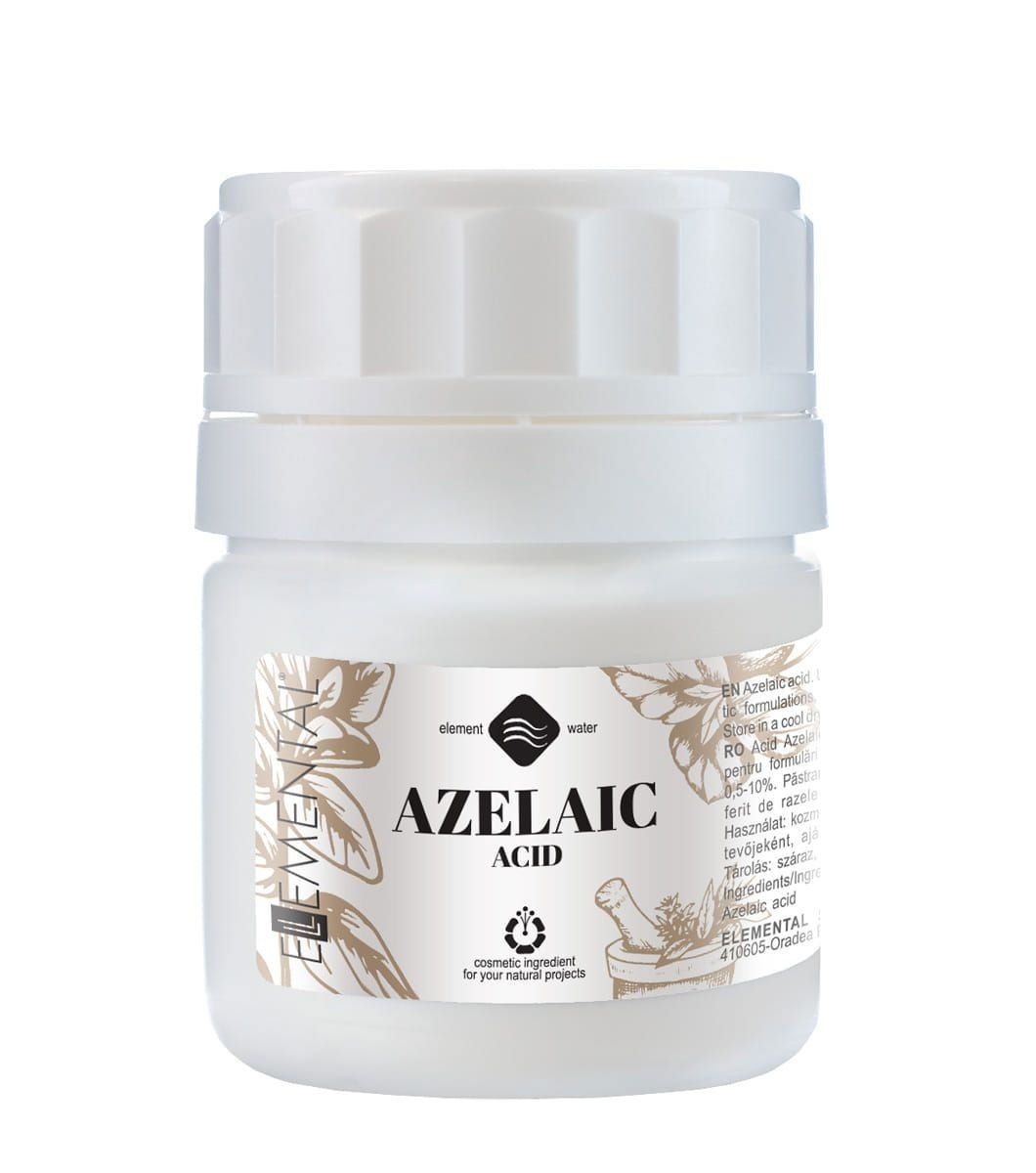
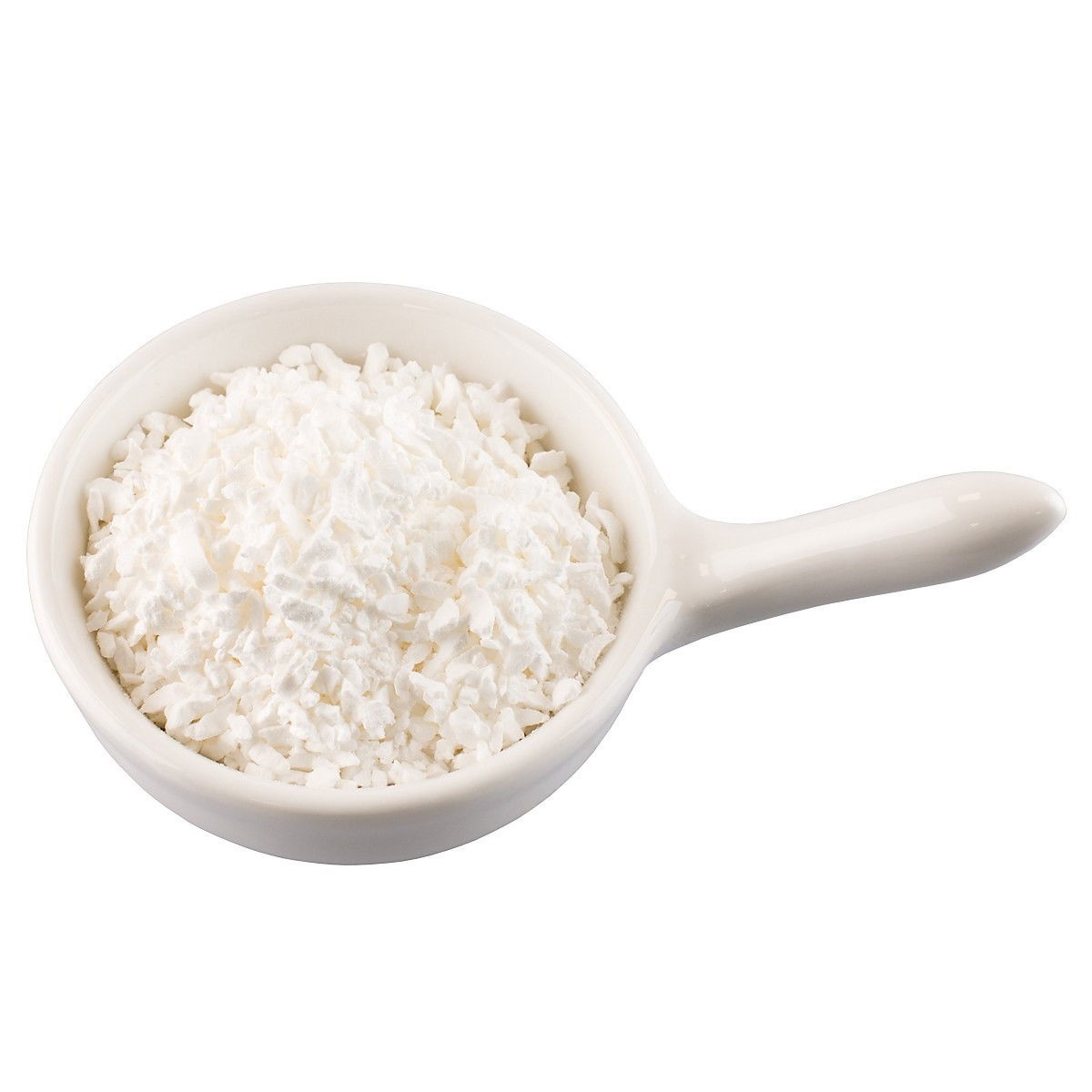
Azelaic Acid - Control of Imperfections, Redness, and Hyperpigmentation
Azelaic Acid is prized for its multifunctional "all-in-one" action. Azelaic Acid not only exfoliates, but also normalizes cell keratinization, combats target bacteria, and soothes inflammation. It is the go-to ingredient for formulations designed for oily skin prone to imperfections, as well as for reactive skin exhibiting chronic redness or post-inflammatory spots.
A cosmeceutical ingredient used in anti-aging, anti-acne formulations, fading of spots and imperfections, evening out skin tone, improving skin appearance and texture, and achieving a brighter, more radiant complexion.
It is a naturally derived dicarboxylic acid, normally found in grains such as wheat, rye, and barley, but also on human skin as a product of the skin flora's metabolism.
Ingredients (INCI): Azelaic Acid.
The properties of Azelaic Acid are supported by clinical and biochemical research in aesthetic dermatology:
Formulating with Azelaic Acid requires attention due to its low solubility. To avoid obtaining a final product with a granular or "sandy" texture, follow these recommendations:
Is Azelaic Acid an AHA or BHA type exfoliant?
No. Azelaic Acid belongs to the class of dicarboxylic acids. Unlike AHAs (lactic/glycolic) which chemically dissolve the bonds between dead cells on the surface, Azelaic Acid acts at a deeper level, regulating how cells are produced and divide inside the pore, acting as a cellular modulator rather than a classic acid peel.
Why is an itching or tingling sensation often felt immediately after application?
It is a documented physiological phenomenon. Azelaic Acid transiently activates certain nerve receptors in the epidermis. This sensation usually lasts 10-15 minutes and disappears completely after the first 2 weeks of use as the skin adapts. It does not indicate an allergic reaction, but rather the biological activity of the molecule.
How can I prevent a grainy texture in my Azelaic Acid creams?
A grainy texture occurs when the acid coarsely recrystallizes in water. The key is using Propanediol as a solvent and co-vehicle. By pre-dispersing and dissolving the powder in warm propanediol, you reduce particle size and ensure a fine rheological distribution.
Does it cause photosensitivity? Can it be used in summer?
Azelaic Acid is one of the few acids that does not cause skin photosensitivity and does not thin the stratum corneum in a way that increases the risk of sunburn. It can be safely used year-round. However, if the goal of the formula is to fade pigment spots, daily application of SPF is mandatory to prevent UV rays from reactivating melanin production.
Precautions: For external cosmetic use only. Avoid direct contact with the sensitive area around the eyes, lips, and mucous membranes. In case of persistent excessive redness, reduce the concentration in the formula.
Storage: In the original, tightly closed packaging, in a dry, cool place, away from moisture.

Write a valid review and earn loyalty points worth €0.40