Description
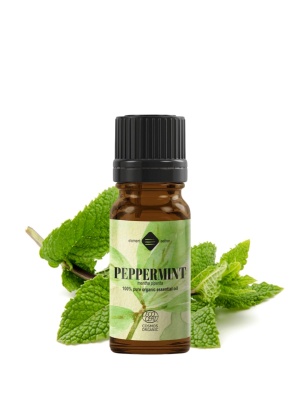
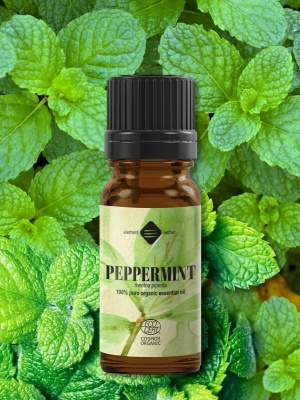
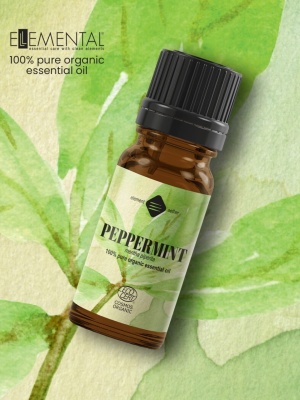
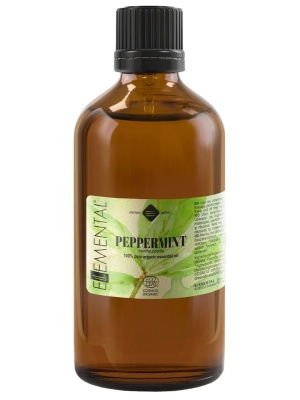
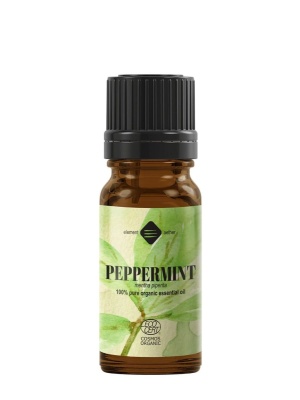
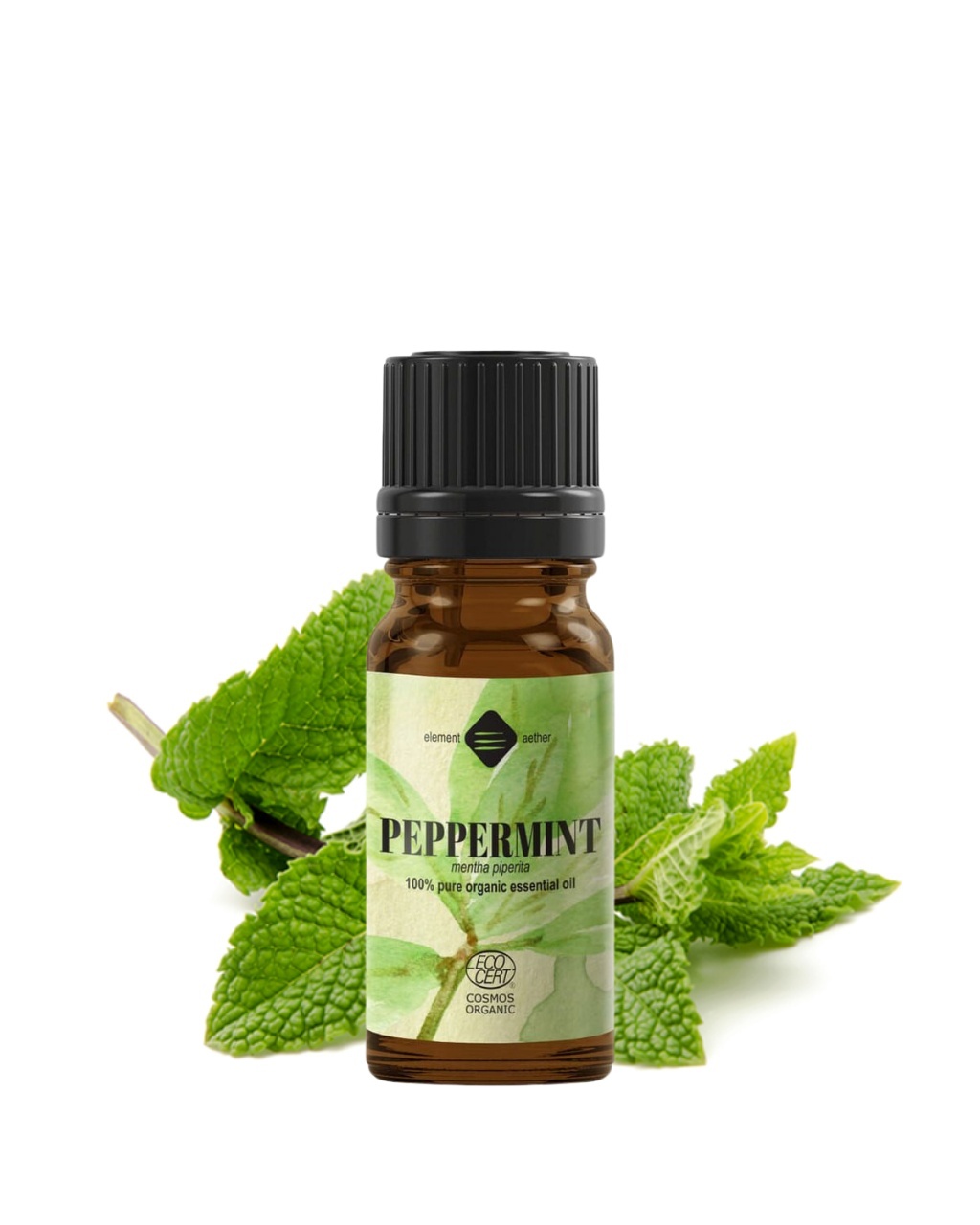
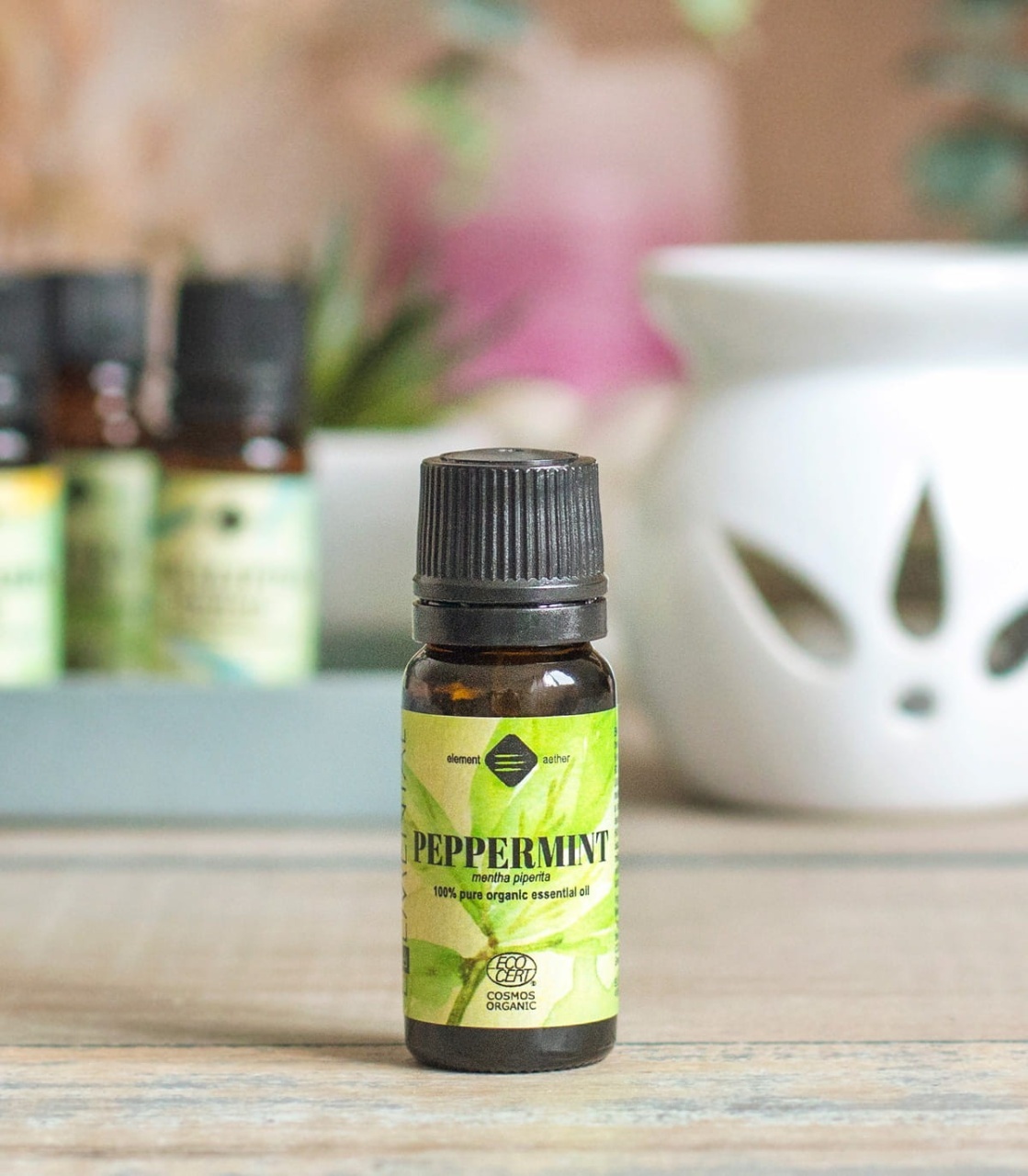
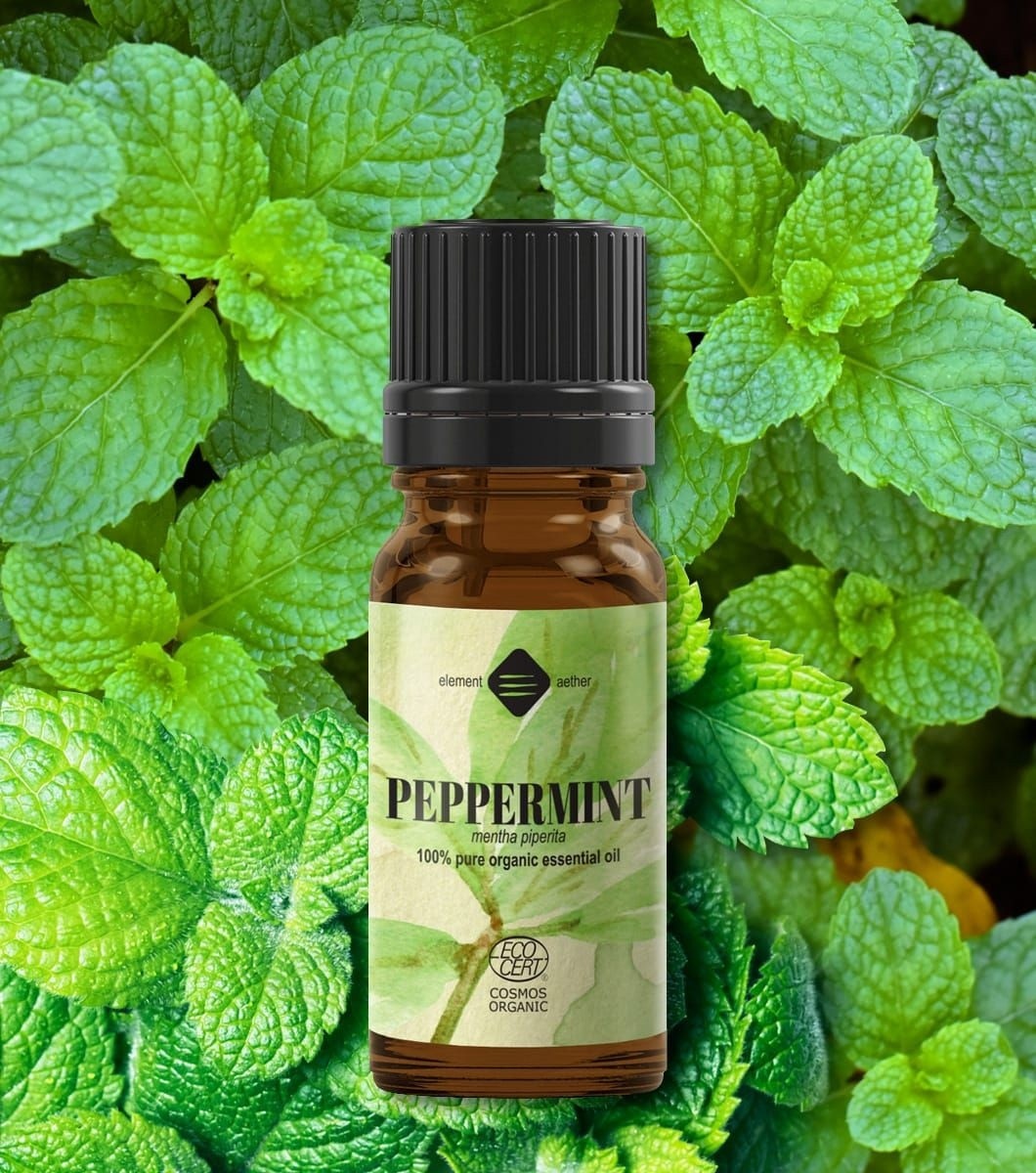
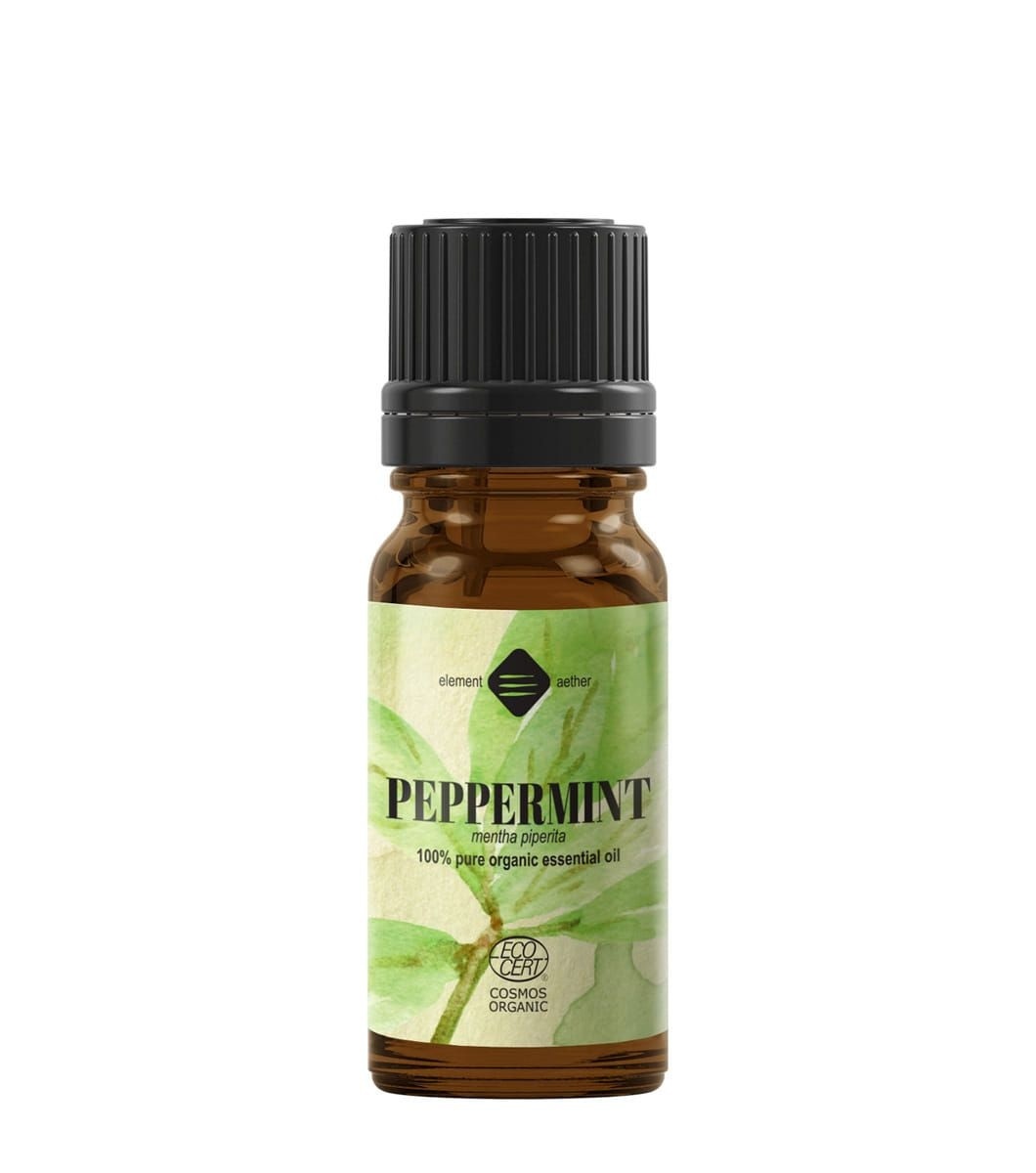
Peppermint Essential Oil is fresh, intensely invigorating, and possesses a powerful minty fragrance, acting as a dynamic ingredient in cosmetics, aromatherapy, and perfumery. Recognized for its intensely cooling and tonic effect, it is the ideal support for reviving tired legs, soothing itching, and providing instant stimulation to the senses.
air Olfactory profile: Powerful, fresh, sharp, distinctly minty, and slightly peppery, with herbaceous and subtle sweet undertones, offering an instant sensation of coolness, mental clarity, and overflowing energy.
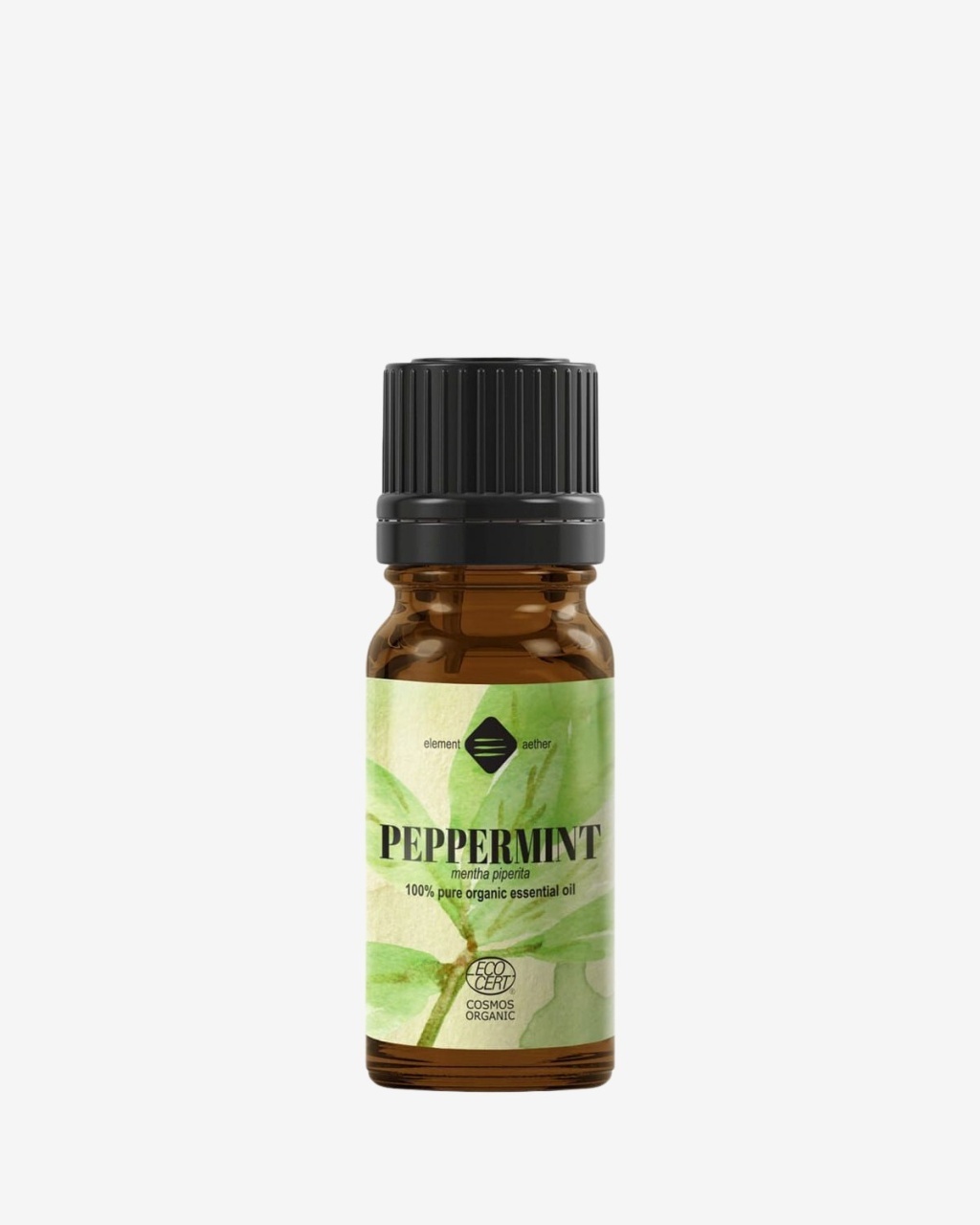
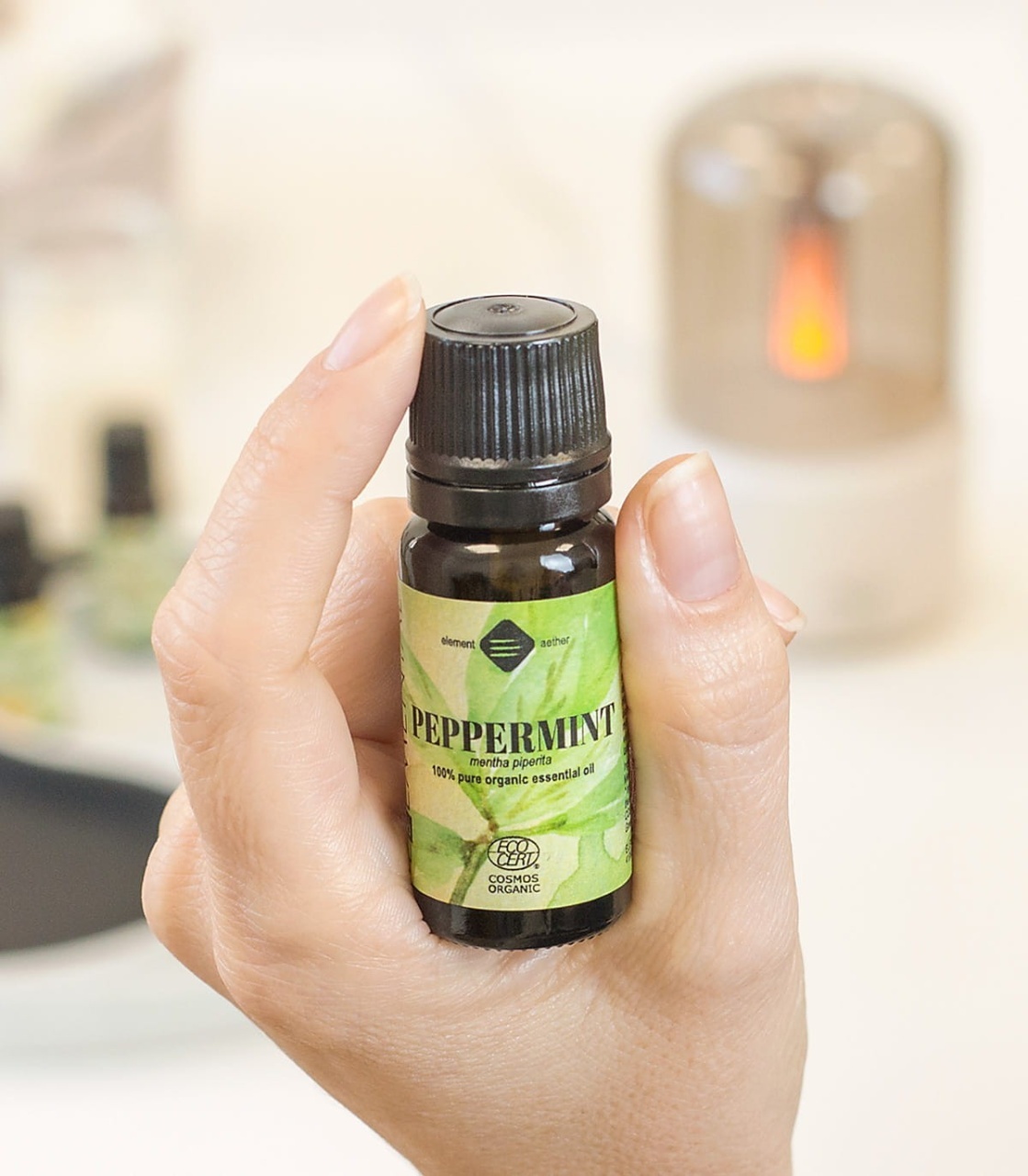
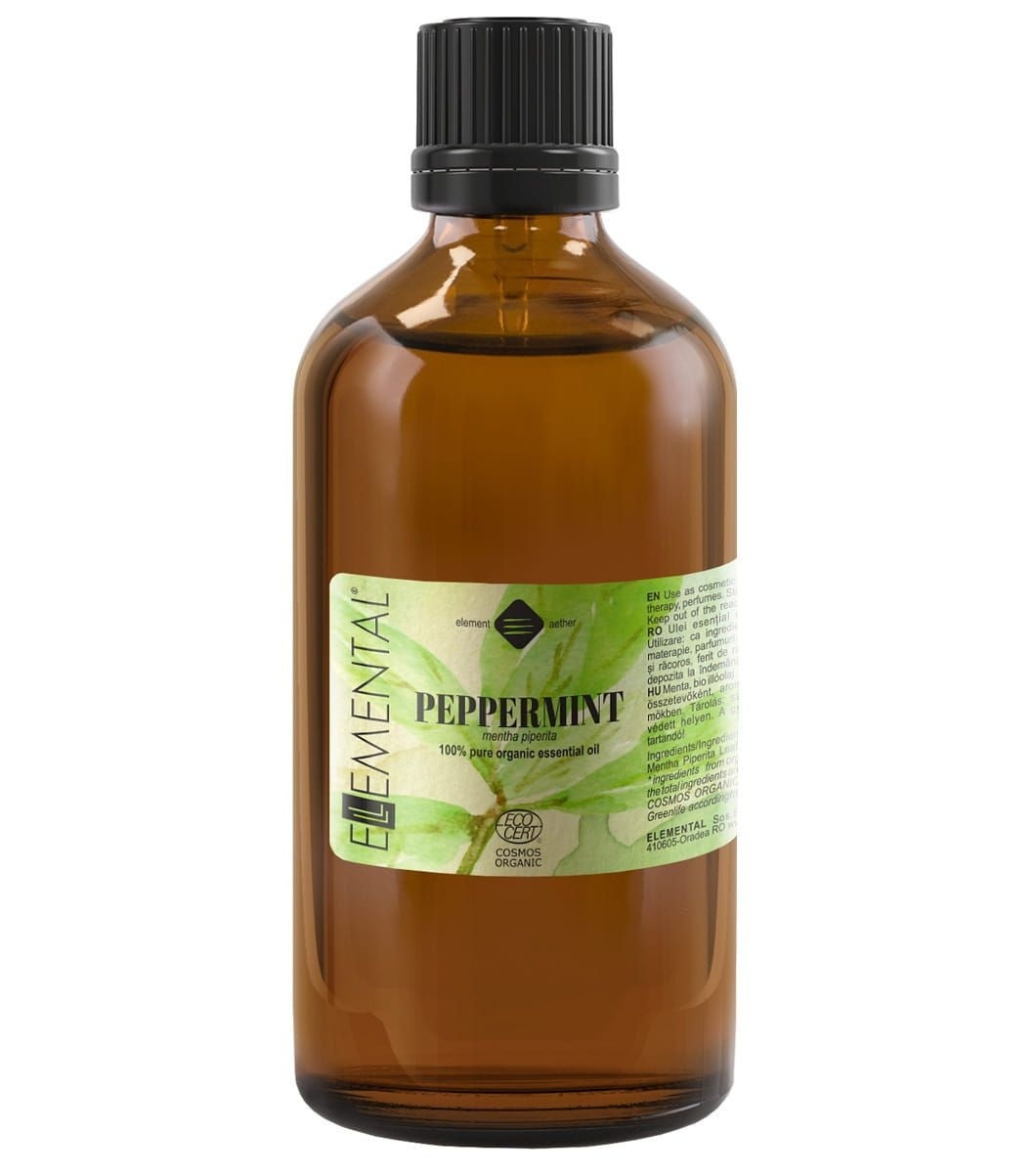
Ingredients: Peppermint Essential Oil (Mentha Piperita Leaf Oil)
100% of the total ingredients come from organic farming
Certified by Ecocert Greenlife in accordance with the COSMOS standard
100% pure and natural, analyzed batch by batch by chromatography (GC-MS)
Obtained by steam distillation of the aerial parts.
editor_choiceCosmetic Properties and Benefits
- Cooling and invigorating effect: Provides an immediate sensation of freshness and an "icy" feel, making it ideal for toning tired, devitalized skin. The power of peppermint essential oil resides in mentol, which activates TRPM8 receptors, transmitting a "cold" signal that reduces inflammation and induces local desensitization.
- Gentle skin soother: Relieves the sensation of itching or discomfort on the skin level, while simultaneously providing a mild astringent effect.
- Scalp tonic: Stimulates microcirculation at the hair root level, contributing to maintaining a clean, fresh, and highly vitalized scalp.
air_freshenerAromatherapeutic Properties
- Energy and focus: Instantly banishes states of lethargy, mental fatigue, or drowsiness, enhancing attention and clarity during periods of study or intellectual effort.
- Respiratory relief: Due to its high menthol content, when diffused in a room, it offers clean air and a comforting sensation of clearing the airways.
- Comfort on the move: Helps reduce discomfort associated with nausea or motion sickness through simple inhalation or ambient aromatherapy.
water_doRecommended Synergies
- For energy and mental clarity: Combines excellently with Organic Rosemary Essential Oil or Lemon Essential Oil in the diffuser.
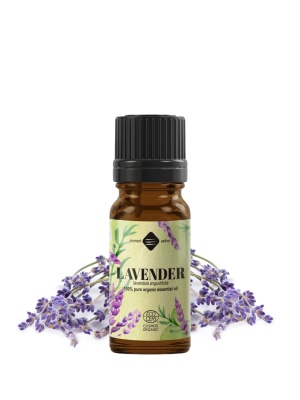
- For muscular comfort and relaxation: Works ideally alongside Lavender Essential Oil added to Sweet Almond Oil.
- For intense leg revival: Associates superbly with Organic Tea Tree Essential Oil in Aloe Vera Gel.
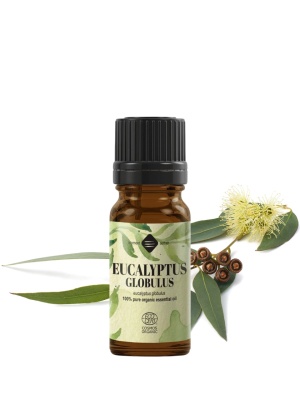
- For purified and fresh air: Can be combined with Eucalyptus Essential Oil in an aromatherapy diffuser.
Practical Applications and DIY Recipes
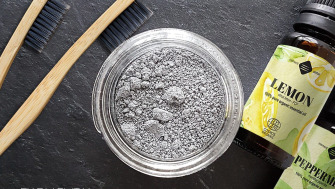
This product can be used as an ingredient for preparing various cosmetic products such as: creams, ointments, lotions, serums, body hygiene products, shampoos, and shower gels.
face_nod Personal Care & Cosmetics
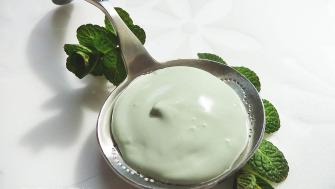
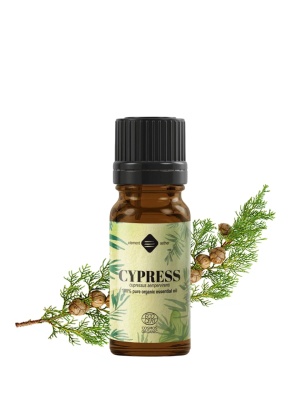
- Cooling gel for tired legs: Add 3-4 drops of peppermint into two tablespoons of Aloe Vera gel. Massage the ankles and soles from the bottom up for an immediate soothing and invigorating effect. For the legs, it combines perfectly with Cypress and Lemon.
- Ultra-fresh shampoo: Add 1 drop of essential oil directly into the daily portion of shampoo to stimulate the scalp and obtain a long-lasting sensation of freshness.
- "Plumping" lip balm: If preparing your own lip balm, add Peppermint essential oil at approximately 1 drop per 10 ml. It offers a fresh sensation and gently stimulates blood flow, making lips appear fuller.
- Oil for muscular recovery: Following intense physical effort, prepare a massage oil with 10 drops of Peppermint, 10 drops of Lemon Eucalyptus Essential Oil, and 5 drops of Wintergreen in 50 ml of Arnica Oil.
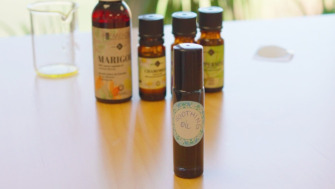
- Headaches: In a 10 ml roller bottle filled with Caprilis Oil, add 5 drops of Peppermint and 5 drops of Lavender. Apply to the temples (well away from the eyes!), forehead, and the back of the neck at the first signs of pain.
- Comforting foot bath: Mix 4 drops of essential oil with a teaspoon of vegetable oil (such as Grape Seed Oil), then pour into a basin with lukewarm water and Epsom Salt or Dead Sea Salt.
home_and_garden Home & Household Use
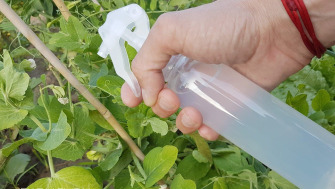
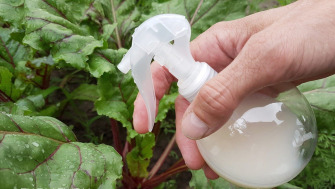
- Aromatic spray and natural repellent: Add 20 drops of peppermint into 10 ml of cosmetic alcohol and 40 ml of Lavender Water in a container with a spray pump. Peppermint is recognized for being highly unpleasant to insects (ants, spiders).
- Sanitizing and freshening surfaces: Add 10 drops of peppermint oil into the mixture of water and white vinegar used for cleaning the trash can or refrigerator, rapidly neutralizing heavy odors.
- Cooling diffusion during summer: Place 3-4 drops in the diffuser on hot summer days to bring a clean, cooling olfactory breeze into the room.
digital_wellbeing Natural Perfumery
- Perfume roll-on for focus: Place 4 drops of peppermint and 4 drops of lemon into a 10 ml roller bottle, top up with Jojoba or MCT Oil (this does not go rancid and keeps the scent intact). Apply to wrists or temples (at a safe distance from the eyes).
- Perfume note: In natural perfumery, peppermint represents an intense and penetrating top note. It combines excellently with citrus notes (Grapefruit, Lemon, Lime), woody notes (Cedarwood), and aromatic notes (Organic Rosemary, Ravintsara).
Questions and Answers (FAQ)
Q: Can peppermint essential oil be applied to the face area or near the eyes?
A: Application of peppermint oil near the eyes must be avoided, as its powerful menthol vapors can cause intense tearing and irritation. Even when diluted, use it only on the body, scalp, or temples at a safe distance from the ocular area.
Q: What is the difference between Peppermint and Spearmint?
A: The major difference is the menthol content. Peppermint (Mentha piperita) contains a high amount of menthol, making it very "cold", powerful, and medicinal. Spearmint (Mentha spicata) contains very little menthol, rendering it much gentler.
Q: Can I add peppermint essential oil directly into my store-bought shower gel or lotion?
A: Direct addition of essential oils to finished commercial products is not recommended, as they can destabilize the formula. It is advised to use it in neutral cosmetic bases or in DIY recipes created entirely from scratch.
Technical Data, Warnings
Product for cosmetic, aromatic, perfumery, and household use.
Store in a dry and cool place, away from sunlight. Keep out of reach of children.
Do not apply pure to the skin. Avoid direct use on open wounds.
Due to the powerful cooling effect, it is recommended to use it in low percentages and strictly avoid eye contact.
For dilutions in accordance with legal regulations, consult the IFRA certificate attached to the product on the website.
Sensitive individuals should perform a tolerance test; perform a skin patch test in the bend of the elbow 24 hours before use. Avoid contact with eyes and sensitive mucous membranes. In case of an accident, rinse abundantly with a vegetable oil. For use during pregnancy, breastfeeding, in case of chronic diseases, for the elderly, or for young children, the recommendation is to consult a doctor.
Bibliography and Scientific Studies
The qualities, applications, and safety profile of peppermint essential oil are documented in reference works in aromatherapy and clinical studies:
- Tisserand, R., & Rodney, Y. Essential Oil Safety: A Guide for Health Care Professionals (2nd Edition) – The global standard on safe dilutions and essential oil interactions.
- Moss, M., Hewitt, S., Moss, L., & Wesnes, K. "Modulations of cognitive performance and mood by aromas of peppermint and ylang-ylang" (International Journal of Neuroscience) – Scientific study highlighting the effects of peppermint aroma on increasing alertness, attention, and mental performance.
- European Medicines Agency (EMA) - Herbal monograph on Mentha x piperita.
- Herro, E., & Jacob, S. E. "Mentha piperita (peppermint)" (Dermatitis) – A review of the composition and dermatological profile of peppermint oil in safe cutaneous applications.