Description
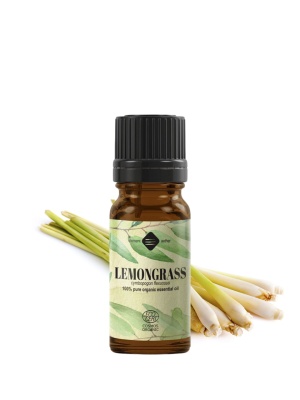
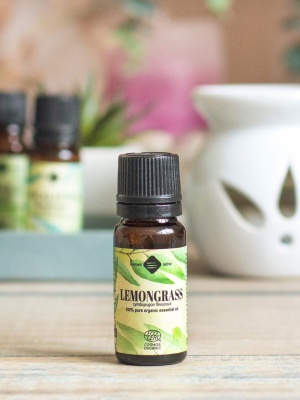
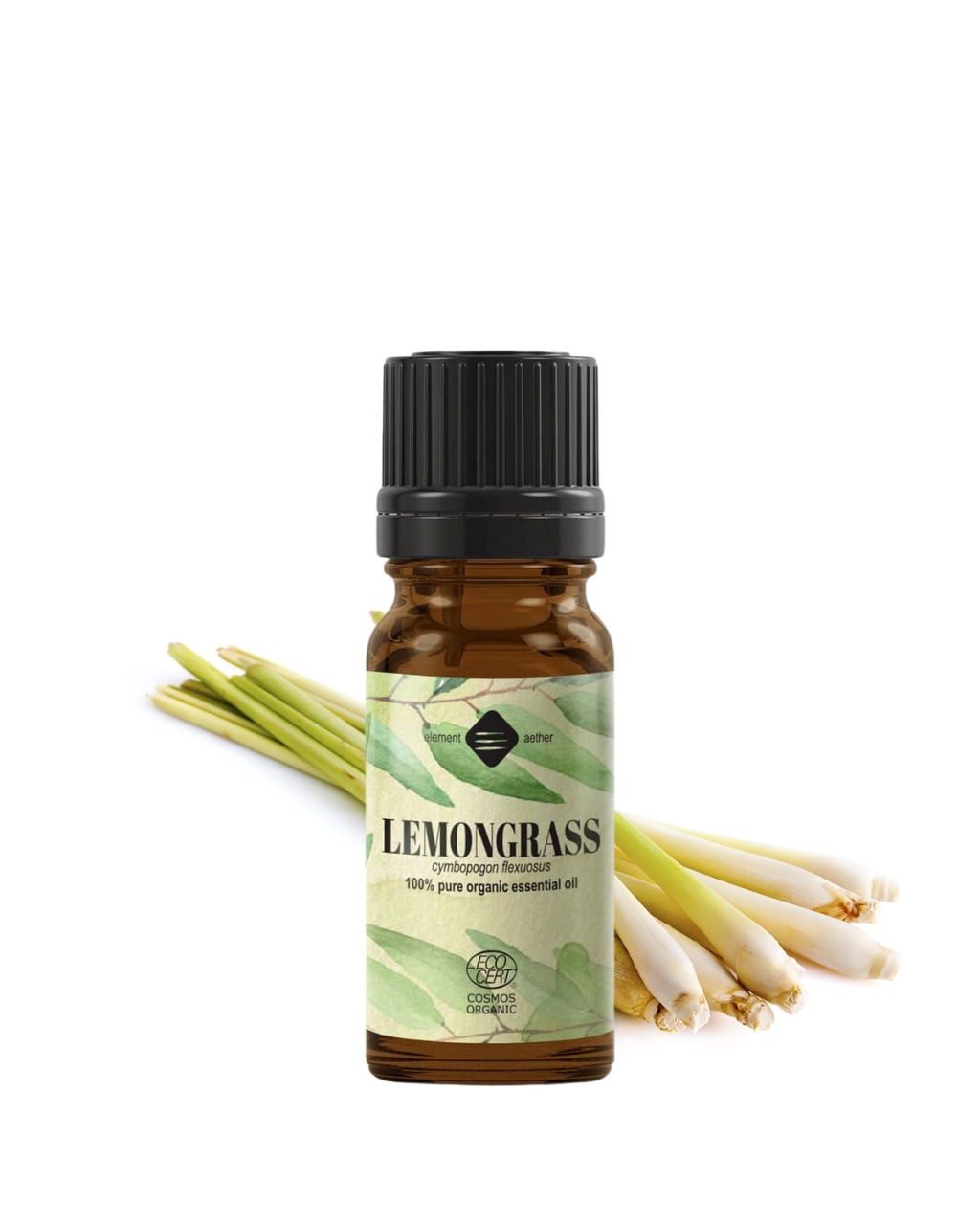
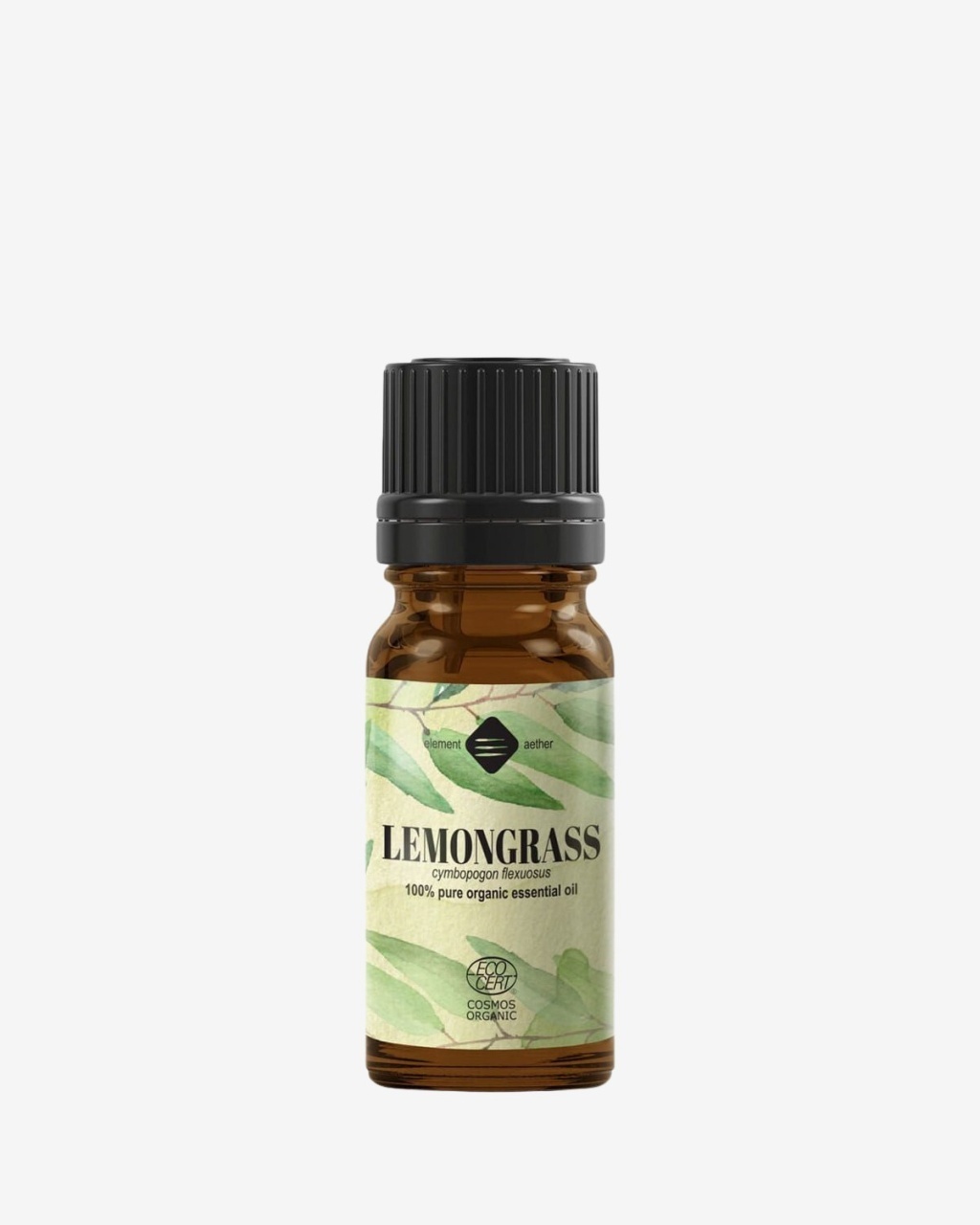
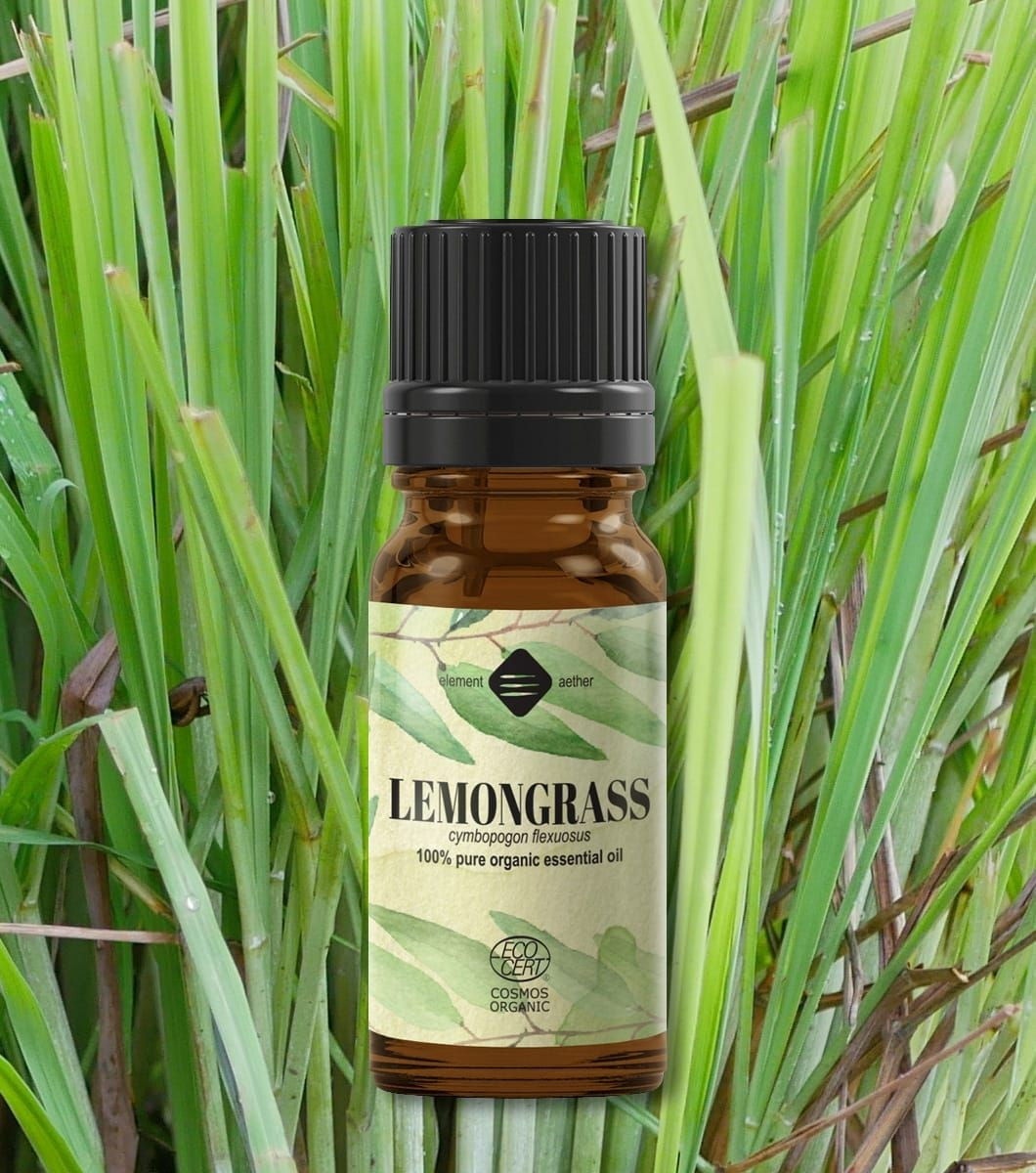
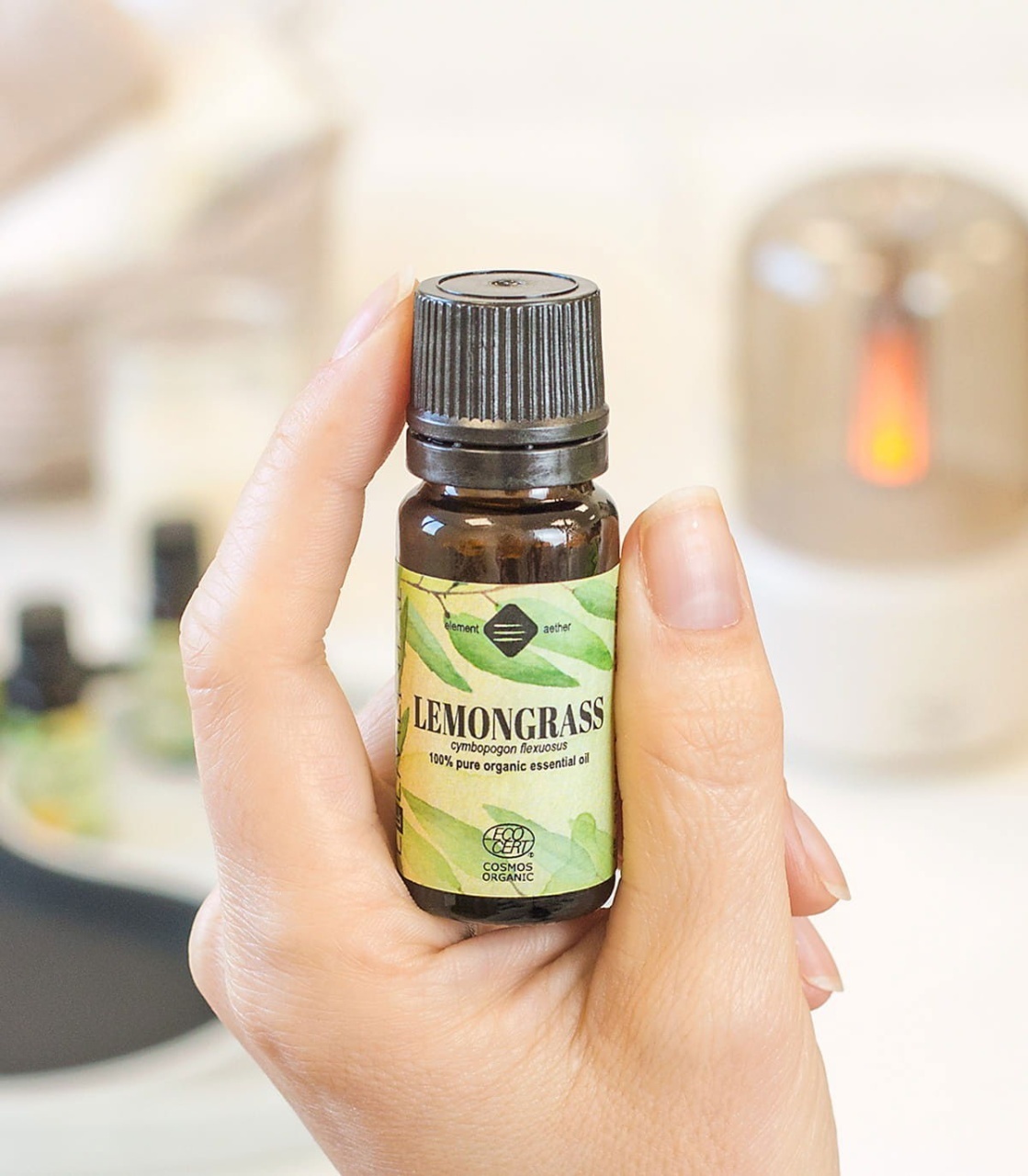
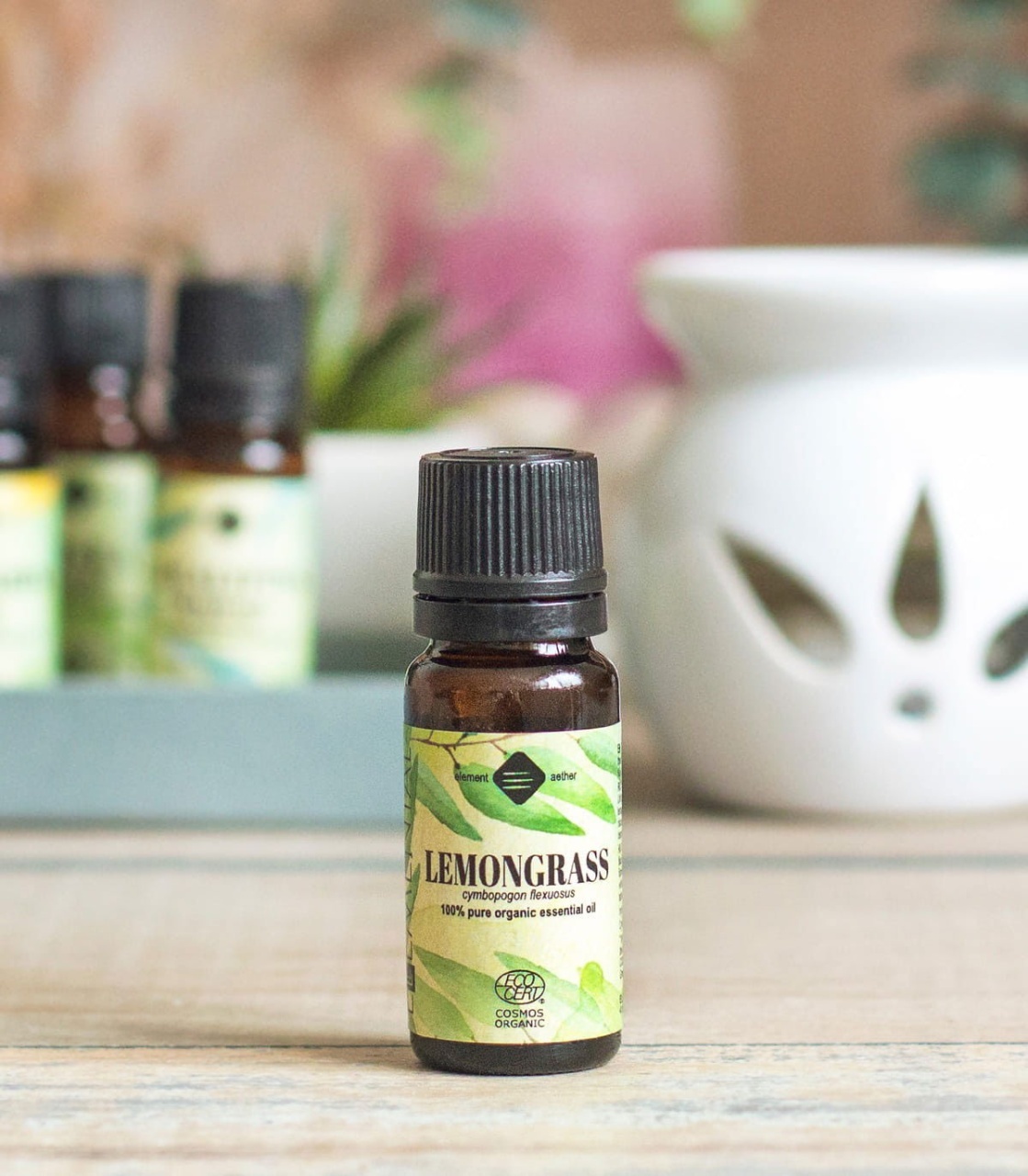
Lemongrass Essential Oil is fresh, invigorating, and possesses an intense citrus-herbaceous fragrance, acting as a highly appreciated ingredient in aromatherapy, personal care, and perfumery. Recognized as an excellent skin and muscular tonic, it helps purify the skin, revitalize the body, and is renowned as an effective natural ally for repelling insects and freshening the air.
air Olfactory profile: Fresh, intensely citrus and herbaceous, with sweet, earthy, freshly cut grass, and slightly green notes, highly diffusive and persistent.
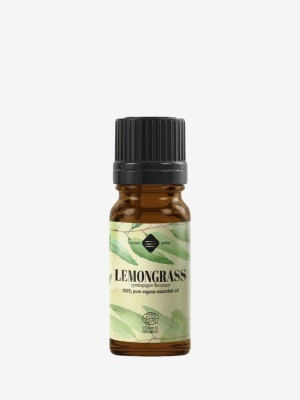
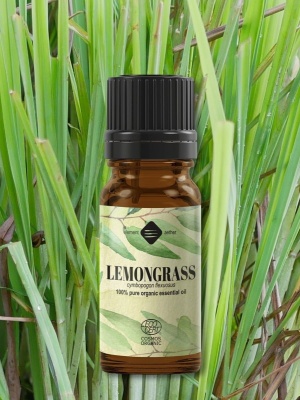
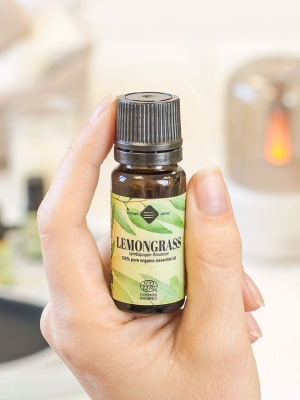
Ingredients: Lemongrass Essential Oil (Cymbopogon Flexuosus Oil)
100% of the total ingredients come from organic farming
Certified by Ecocert Greenlife in accordance with the COSMOS standard
100% pure and natural, analyzed batch by batch by chromatography (GC-MS)
Obtained by steam distillation of the aerial parts.
editor_choiceCosmetic Properties and Benefits
- Skin and muscular tonic: Stimulates peripheral microcirculation and restores firmness to the skin tissue, making it ideal in formulas destined for body and anti-cellulite massage.
- Purifier and deodorant: Helps efficiently cleanse oily or combination skin and neutralizes unpleasant odors, making it excellent in foot creams or deodorants.
- Hair care: Contributes to reducing the appearance of greasy hair, bringing extra shine and freshness to the hair.
air_freshenerAromatherapeutic Properties
- Balancing and soothing: Calms the nervous system, diminishes states of daily stress and mental fatigue, bringing a state of optimism and centering. Useful in relieving rheumatic or muscular pains.
- Natural insect repellent: Due to its intense fragrance rich in citral, it is traditionally used to keep mosquitoes and other insects away through ambient diffusion.
- Ambient deodorizer: Efficiently purifies the air in rooms, neutralizing stale or cooking odors, leaving a clean aroma behind.
water_doRecommended Synergies
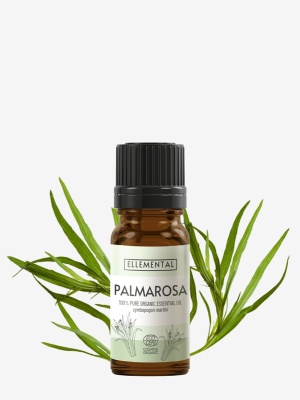
- For a natural repellent effect: Combines efficiently with Geranium or Palmarosa essential oil.
- For anti-cellulite body massage: Works synergistically when added to a vegetable oil or a cosmetic base alongside essential oil of Juniper or Fennel and Grapefruit.
- For cleaning and fragrancing the air: Associated with essential oil of Lemon, Peppermint or Eucalyptus.
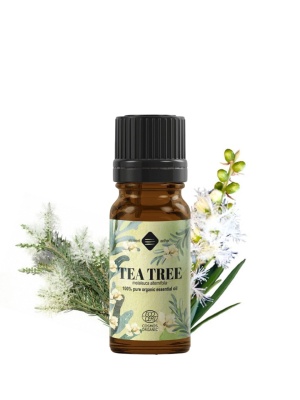
- For foot care: Can be associated with essential oil of Tea Tree (Tea Tree), Cypress, Wintergreen.
Practical Applications and DIY Recipes
This product can be used as an ingredient for preparing various cosmetic products such as: creams, lotions, masks, body and hair hygiene products, shampoos, and shower gels.
face_nod Personal Care & Cosmetics
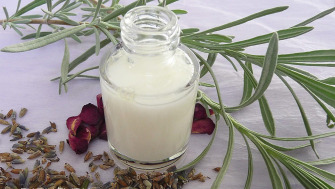
- Anti-cellulite massage oil: Mix 10-12 drops of lemongrass in 50 ml of Macadamia Oil or Sweet Almond Oil. Massage the legs and desired areas with firm movements to stimulate skin tone.
- Shampoo for shine: Add 1-2 drops of essential oil directly into the daily portion of shampoo to give extra shine to dull hair and cleanse a scalp with a tendency to get greasy quickly.
- Deodorizing foot cream: Add 2 drops of lemongrass into a tablespoon of neutral lotion or hand/foot cream to combat unpleasant odors and provide a sensation of freshness.
- Sports recovery oil: Mix 4 drops of Lemongrass, 3 drops of Lavender, and 3 drops of Peppermint into a tablespoon (15 ml) of Arnica oil. Massage tired muscles.
- Purifying mask for combination or oily skin: Combine 1 drop of lemongrass with a tablespoon of White Clay and a little Sage Water until a fine paste is obtained. Apply to the face, avoiding the eye area.
- Cold feet and poor circulation: Prepare a massage oil with 5 drops of Lemongrass and 3 drops of Wintergreen in 10 ml of base oil. Massage the feet in the morning.
home_and_garden Home & Household Use
- Natural insect spray: Mix 20 ml of cosmetic alcohol, 40 drops of Lemongrass, 20 drops of Geranium essential oil, and 80 ml of water. Shake well before application.
- Air sanitization during cleaning: Place 5-6 drops in the diffuser while airing out the house to purify the atmosphere and bring a vibrant scent of cleanliness.
- Fresh-scented laundry conditioner: Add 10-15 drops of lemongrass oil to 100 ml of white vinegar (poured into the fabric softener compartment of the washing machine).
digital_wellbeing Natural Perfumery
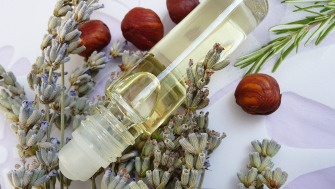
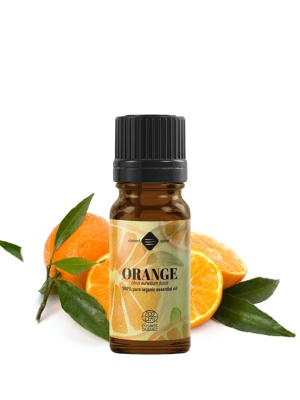
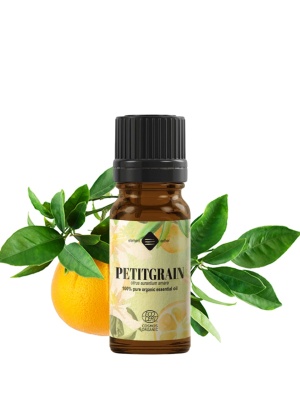
- Citrusy perfume roll-on: Place 5 drops of lemongrass and 10 drops of orange or petitgrain into a 10 ml roller bottle, top up with Jojoba or MCT Oil (this does not go rancid and keeps the fragrance intact). Apply to wrists.
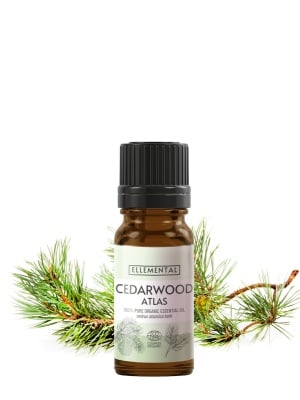
- Perfume note: In natural perfumery, lemongrass acts as a vibrant, sharp, citrus-herbaceous top note. It combines ideally with woody notes (Cedarwood, Fir), floral notes (Geranium, Ylang-Ylang), and other citrus notes (Lemon, Bergamot).
Questions and Answers (FAQ)
Q: Is lemongrass essential oil irritating to the skin?
A: Lemongrass has a high content of citral, a molecule that can be irritating or sensitizing to the skin if used in too high concentrations. For this reason, it is recommended to use it in low dilutions and to always perform a tolerance test in the bend of the elbow 24 hours before use.
Q: Why is lemongrass essential oil not considered a major photosensitizer?
A: Although it has a strong citrus scent, lemongrass is obtained by distilling the leaves of an aromatic grass, not by cold pressing citrus peels (which contain photosensitizing coumarins). However, due to the potential for skin sun-sensitization on very sensitive skin, caution and compliance with the indicated dilutions are recommended.
Q: What is the difference between Lemongrass and Lemon?
A: They are completely different plants. Lemon is a citrus fruit with oil extracted from the peel, while Lemongrass is a distilled tropical grass. Although both have a citrus smell, Lemongrass is much stronger and earthier, offering superior repellent and toning properties.
Technical Data, Warnings
Product for cosmetic, aromatic, perfumery, and household use.
Store in a dry and cool place, away from sunlight. Keep out of reach of children.
Do not apply pure to the skin. Avoid direct use on open wounds.
For dilutions in accordance with legal regulations, consult the IFRA certificate attached to the product on the website.
Sensitive individuals should perform a tolerance test; perform a skin patch test in the bend of the elbow 24 hours before use. Avoid contact with eyes and sensitive mucous membranes. In case of an accident, rinse abundantly with a vegetable oil. For use during pregnancy, breastfeeding, in case of chronic diseases, for the elderly, or for young children, the recommendation is to consult a doctor.
Bibliography and Scientific Studies
The qualities, applications, and safety profile of lemongrass essential oil are documented in reference works in aromatherapy and clinical studies:
- Tisserand, R., & Rodney, Y. Essential Oil Safety: A Guide for Health Care Professionals (2nd Edition) – The global standard on safe dilutions and essential oil interactions.
- Andrade, L. N., de Sousa, D. P., & al. "Protective and anti-inflammatory effects of Cymbopogon citratus essential oil topically in human skin" (Cosmetics) – Clinical study focused on the analysis of dermatological safety and the soothing and protective qualities of lemongrass oil on the skin level.
- European Medicines Agency (EMA) - Assessment report on Cymbopogon flexuosus.
- Boukhatem, M.N., et al. "Lemongrass essential oil as a potent anti-inflammatory and antifungal drug". Libyan J Med. 2014.
- Dewi, A. P., & Lusiyana, N. "The Repellency Effect of Lemongrass Essential Oil against Mosquitoes" (Balaba) – Scientific research demonstrating the natural efficiency of lemongrass oil in repelling insects through aromatherapy and diffusion.