








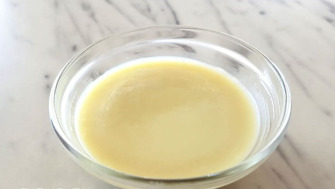
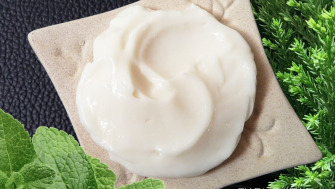
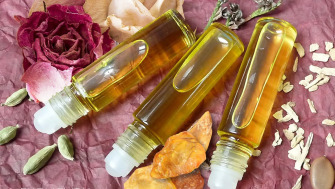
Formula: 11107 Difficulty level: beginner Shelf life: min 6 months pH optimal: - Phase Ingredients Total 100 ml A Sesame oil 40 ml (37 g) A Caprilis oil 55 ml (51 gr) A Licorice CO2 extract 0,5 gr...
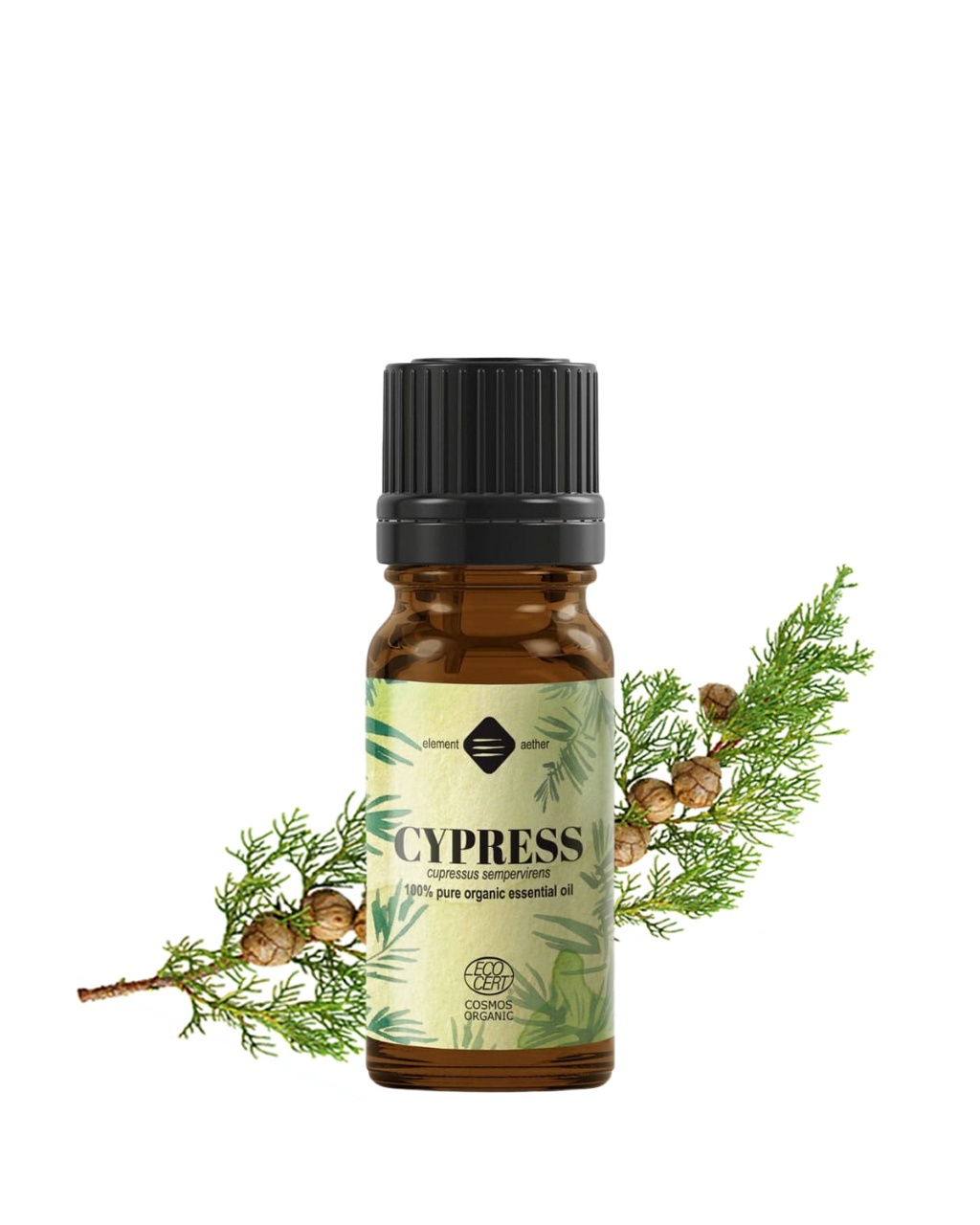


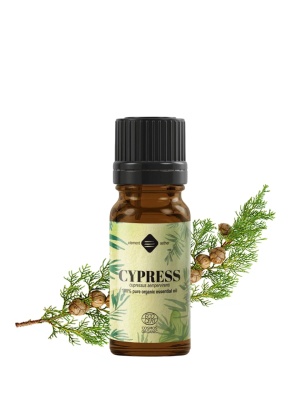
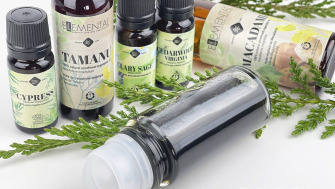
Mediterranean Cypress (Cupressus sempervirens) is a tree with a powerful presence in the European cultural landscape, and the essential oil extracted from its branches concentrates a similar character: straight, clean, persistent. Rich in alpha-pinene, delta-3-carene, and cedrol, it features a biochemical profile oriented toward vascular tone and astringency, with precise applications in cosmetics and aromatherapy. It is not an oil of general versatility, it is an oil with a defined purpose, which excels where other oils are less specific: venous circulation, sweat regulation, seborrheic scalp, and dilated pores.
Its resinous-woody aroma, with green Mediterranean notes, equally makes it a valued perfumery ingredient, more aerial and fresher than Atlas Cedar or Vetiver, with a masculine-neutral character that integrates surprisingly well into floral or chypre compositions.
air Olfactory profile: Resinous, woody-green, slightly balsamic and spicy. Clean, airy, persistent, evoking a Mediterranean coniferous forest.
Ingredients: Cypress Essential Oil (Cupressus Sempervirens Oil)
*100% of the total ingredients come from organic farming
COSMOS ORGANIC certified by Ecocert Greenlife according to the COSMOS standard
100% pure and natural, unfractionated, undenatured, undiluted
Obtained by steam distillation from the branches of Cupressus sempervirens
Venous circulation and heavy legs: Lemon Essential Oil, Patchouli Essential Oil, Vetiver Essential Oil, Comfrey Oil, Grape Seed Oil.
Anti-cellulite and body remodeling: Lime Essential Oil, Sweet Fennel Essential Oil, Juniper Essential Oil, Grape Seed Oil, Daisy Oil.
Oily skin, dilated pores, couperose: Geranium Bourbon Essential Oil, Organic Petitgrain Essential Oil, Grape Seed Oil, Rice Bran Oil, Hamamelis Water.
Antiperspirant deodorant: Sage Officinalis Essential Oil, Organic Palmarosa Essential Oil, Organic Petitgrain Essential Oil.
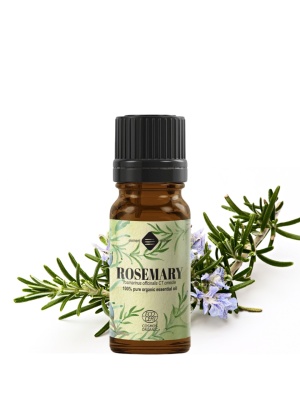
Oily and seborrheic scalp: Organic Rosemary Essential Oil, Organic Atlas Cedar Essential Oil, Amrit / Amla Oil.
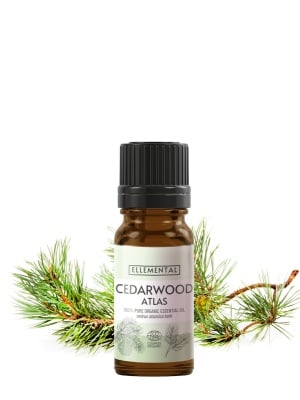
Perfumery: Organic Cedarwood Atlas Essential Oil, Vetiver Essential Oil, Bergamot Essential Oil, Geranium Bourbon Essential Oil, Patchouli Essential Oil.
Organic Cypress Essential Oil is used exclusively as an ingredient in cosmetic preparations and aromatherapeutic compositions. Do not apply undiluted to the skin. For dosages, consult the IFRA certificate attached to the product.
Q: Why is Cypress specific for varicose veins and heavy legs compared to other essential oils?
A: The alpha-pinene and delta-3-carene in its composition give it a traditionally recognized vasoconstrictive and vein-toning action, it tones vascular walls and contributes to the appearance of skin with slow peripheral circulation. It is more direct and specific for this application than oils with similar, more general properties (Vetiver, Patchouli).
Q: Can I use Cypress on sensitive or couperose skin - isn't it too astringent?
A: Its vasoconstrictive properties actually make it beneficial for couperose and rosacea, where superficial vascular toning contributes to a more even skin appearance. Concentrations must be low, associated with soothing vegetable oils, not heavy carriers or intensive emollients. Dosage and combinations matter.
Q: Is Cypress also recommended for use during pregnancy?
A: Cypress is mentioned in specialized literature as an oil to avoid during pregnancy due to its action on circulation and possible influence on the hormonal cycle. The standard recommendation - consult a doctor before any use of essential oils during pregnancy or breastfeeding - applies with increased caution in the case of this oil.
Product for cosmetic, aromatic, and perfumery use. Do not apply undiluted to the skin.
Store in a dry and cool place, away from direct sunlight. Keep out of reach of children.
For dilutions in accordance with legal regulations, consult the IFRA certificate attached to the product on the website.
Sensitive individuals should perform a tolerance test; perform a skin patch test in the bend of the elbow 24 hours before use. Avoid contact with eyes and sensitive mucous membranes. In case of an accident, rinse abundantly with a vegetable oil.
For use during pregnancy, breastfeeding, in case of chronic diseases, for the elderly, or for young children, the recommendation is to consult a doctor.
Write a valid review and earn loyalty points worth €0.40