




Coco-Silicone
Description
Coco-Silicone – Natural Emollient, Plant-Derived Silicone Alternative
Coco-Silicone is a modern, light-textured emollient of natural origin. It imparts a pleasant, silky, non-greasy feel to the skin and demonstrates a superior sensory profile. Spreading very quickly, it offers smoothness and performance in skin and hair care applications.
It is a 100% plant-derived ester that functions as an ultra-lightweight emollient with a high spreading rate, serving as a natural substitute for certain synthetic silicones. Thanks to its minimal dynamic viscosity, Coco-Silicone penetrates rapidly, delivers a dry-touch sensation, and optimizes the spreadability of dense creams and balms.
Ingredients (INCI): Coco-Caprylate.
Technical Characteristics
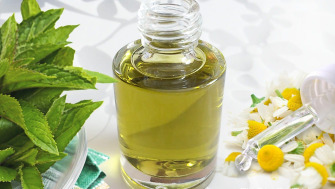
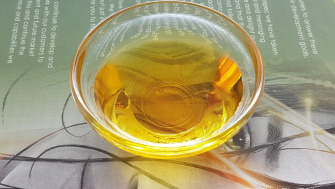
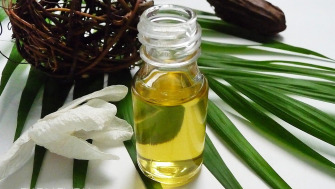
- Appearance: Colorless fluid liquid, almost odorless.
- Solubility: Miscible in oils at room temperature.
- Cosmetic Function: Lightweight emollient, texture modifier, pigment dispersing agent, biodegradable silicone alternative.
- Indicative Dosage: 1% - 20%
Main Properties
- Lightweight Sensory Feel: Gives cosmetic products a light, silky texture and rapid penetration, leaving the skin feeling smooth and velvety.
- Anti-Soaping Effect: When added to emulsions, it reduces or eliminates the formation of white streaks during cream application, an effect often caused by waxes or structural emulsifiers.
- Hair Conditioner: Coats the hair fiber in an extremely fine hydrophobic film, smoothing the cuticle and adding shine without weighing down the hair or leaving it sticky.
- Non-Comedogenicity, Tolerance: Unlike rich vegetable oils, Coco-Silicone is a stable saturated ester that does not undergo peroxidation on the skin, reducing the risk of clogged pores and showing optimal tolerance on oily or acne-prone skin.
- Structural Mimicry of Silicones: Faithfully reproduces the sensory evaporation curve and slip profile of cyclomethicone, although it does not physically evaporate, but rather penetrates quickly into the superficial layers of the epidermis.
Applications
- Lightweight, hydrating day facial creams suitable for combination, oily, or acne-prone skin.
- "Oil-free" creams, serums, and foundations.
- "Silicone-free" hair serums, split-end smoothing oils, and shine sprays.
- "Dry oils" for the body and lightweight massage blends.
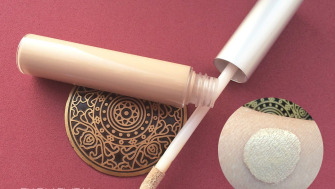
- Makeup products: fluid foundations, makeup bases (primers), concealers, and biphasic makeup removers.
- Sunscreen lotions and creams with a lightweight texture and high spreadability.
Formulation Guide
- Procedure: Add to the oil phase of the formula. It can be heated together with emulsifiers and waxes in hot-process emulsions or integrated into completely cold-process formulations.
- Recommended Usage Dosage: 1% - 15% in emulsions (creams, serums); over 20% in dry body oils, hair serums, or anhydrous products.
- Stability: Stable against oxidation and heat resistant, stable across a wide pH range.
Safety in Use and Storage
Safety Profile: Biodegradable raw material, safe for cosmetic use. Well tolerated by all skin types.
Precautions: For external cosmetic use only.
Storage: Store in a closed container, in a dry and cool place.
Details
Related Recipes and Articles
You'll like these too
Reviews
Write a valid review and earn loyalty points worth €0.40