Description
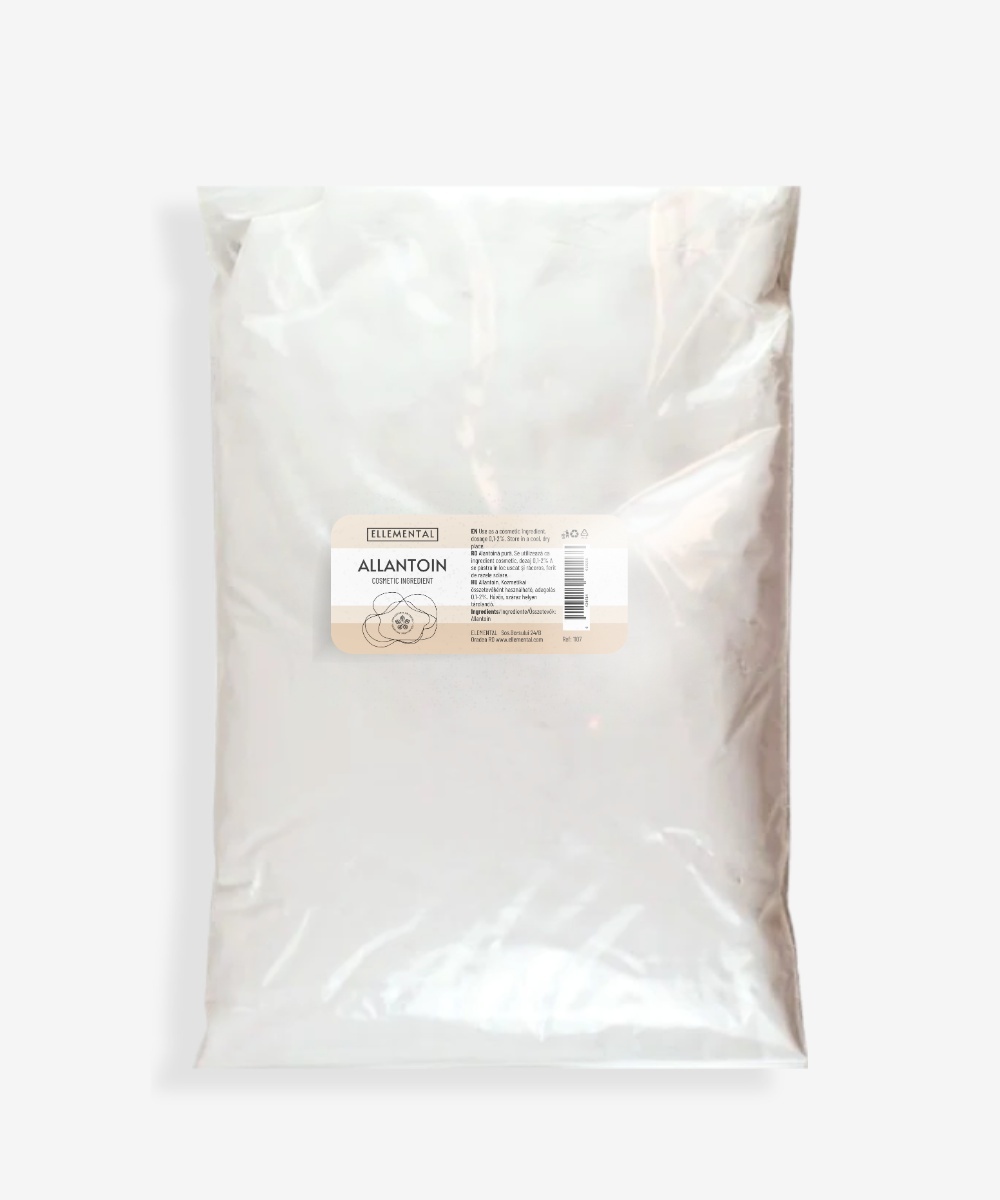
Allantoin – Anti-Irritant, Skin Barrier Protector and Regenerator
Allantoin is a cosmetic active recognized for its skin protection and soothing properties. It acts as an excellent skin conditioning and soothing agent, stimulating the gentle removal of dead cells from the surface and promoting epidermal renewal. It is ideal for formulations designed for sensitive skin exposed to harsh environmental factors, having the capacity to temper sensations of discomfort and transient redness.
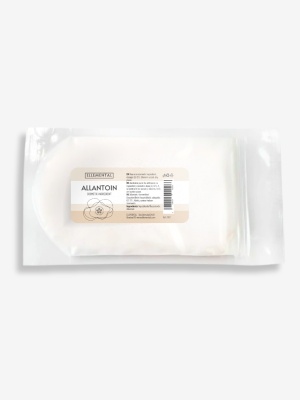
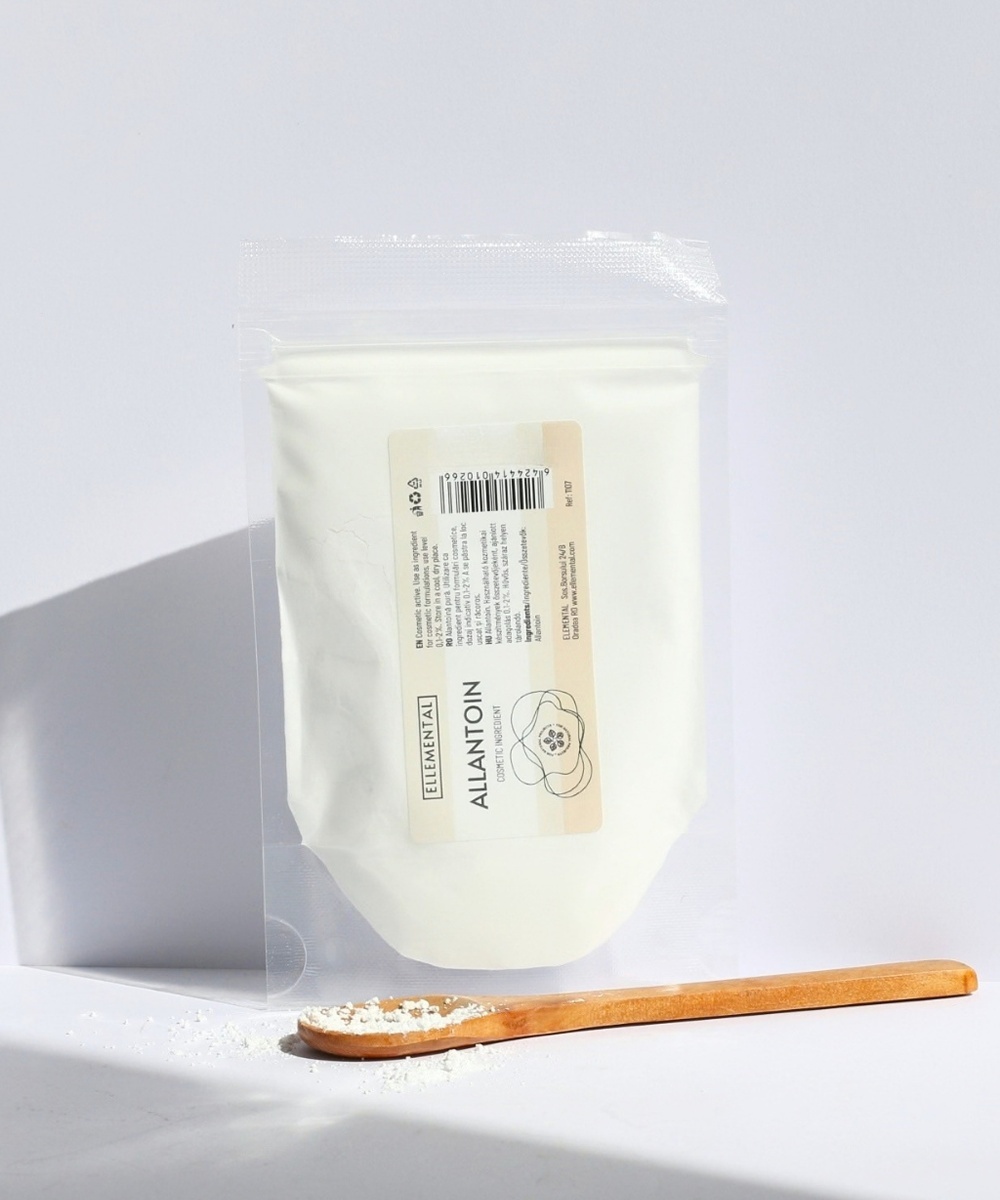
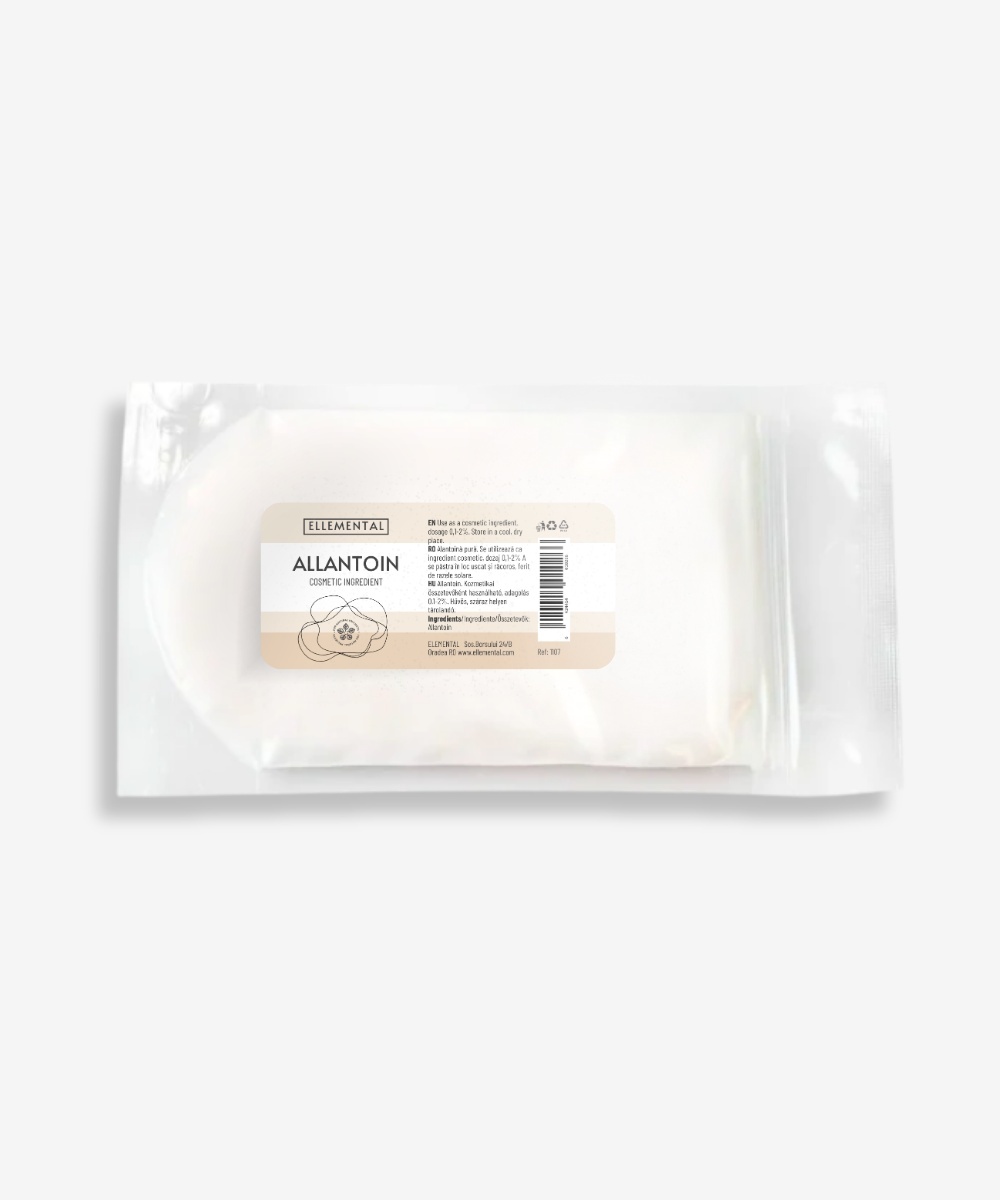
Ingredients (INCI): Allantoin.
Technical Characteristics
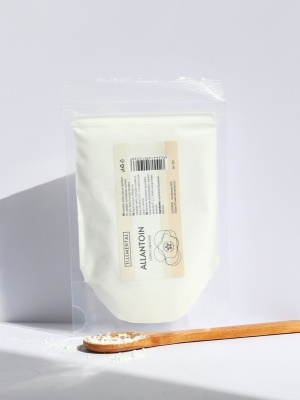
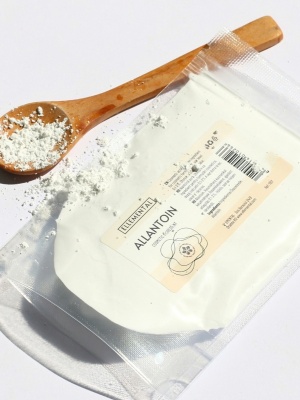
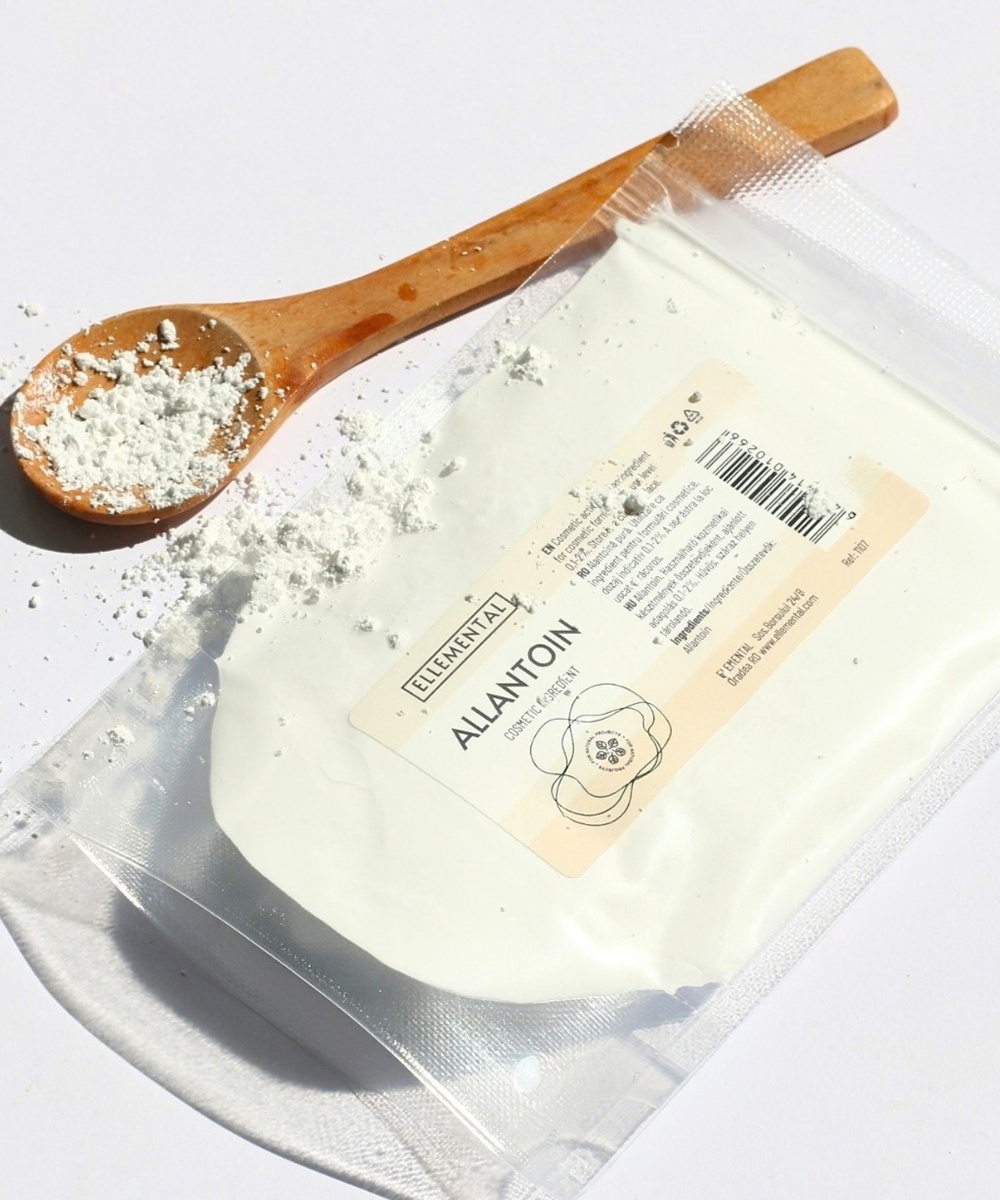
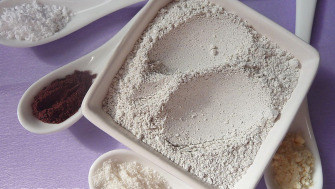
- Appearance: Fine crystalline powder, white in color, odorless.
- Solubility: Poorly soluble in cold water. Limited solubility in hot water.
- Cosmetic function: Anti-irritant agent, soothing agent, skin protector, gentle keratolytic, smoothing agent.
- Indicative dosage: 0.1% - 0.5% and up to 2% in certain formulas.
Information from Specialized Literature
The physicochemical properties and dermatological profile of Allantoin are documented through scientific evaluations and clinical data:
- Reduction of Irritant Potential: Official reports from the Cosmetic Ingredient Review (CIR) attest that allantoin possesses the ability to diminish the skin irritant potential of other ingredients in formulas, such as certain surfactants or exfoliating acids, by forming transient complexes that limit their direct interaction with the stratum corneum.
- Keratolytic Action on the Stratum Corneum: Histological studies show that allantoin interacts with skin keratin, promoting the detachment and desquamation of damaged surface corneocytes. This process smooths rough skin texture without inducing inflammatory reactions.
- Support for Textural Regeneration: Experimental data indicates that the presence of allantoin supports the metabolism of the basal layer of the epidermis, favoring physiological cellular renewal and supporting the restoration of the skin barrier affected by environmental factors.
Main Properties
- Soothing and Anti-Redness: Tempers the sensation of burning, tightness, or discomfort on the skin surface.
- Epithelizing, barrier protector: Helps restore the healthy appearance of skin affected by climatic factors (cold, wind, sun).
- Micro-relief smoother: Removes surface micro-flakes, leaving the skin velvety.
- Secondary humectant: Increases the capacity of cells in the stratum corneum to retain bound moisture.
Applications
- Daily creams and emulsions designed for sensitive, reactive, or atopic-prone skin.
- Post-shave and post-epilation lotions and balms to soothe irritation.
- After-sun care products.
- Hand and body creams for very dry or rough areas (elbows, knees).
- Hair lotions for scalp care and balancing.
- Exfoliating formulations with AHA or BHA acids, as an agent to reduce irritant potential.
Formulation Guide
- Proper dissolution: Do not exceed 0.5% in the aqueous phase if the final product is a fluid solution or a classic cream. Above this value, at room temperature, excess allantoin may recrystallize.
- Procedure: Add directly to the aqueous phase of the formulation. Dissolution is accelerated at temperatures of 50-60°C. Alternatively, it can be incorporated at the end, below 40°C, depending on the formula.
- pH Stability: Very stable in a broad pH range between 4.0 - 9.0.
- Synergies
- Association for Soothing: Combine in the aqueous phase with Panthenol and Aloe Vera Gel to reduce skin discomfort in sensitive skin.
- Use Alongside Exfoliating Acids: Include in lotions with Glycolic Acid or Lactic Acid to reduce the tingling sensation specific to alpha-hydroxy acids.
- Association for Hydration: Use together with LMW Hyaluronic Acid or Polyglutamic Acid for a combined effect of deep hydration and surface smoothing.
Safety in Use and Storage
Safety Profile: Raw material evaluated as safe, non-toxic, and non-comedogenic in current cosmetic applications, exhibiting high skin tolerance.
Precautions: For external cosmetic use only. Keep out of reach of children.
Storage: In a tightly closed container, in a dry and cool place.
Scientific References
- Becker, L. C., Bergfeld, W. F., Belsito, D. V., et al. (2010). Final report of the safety assessment of allantoin and allantoin-containing ingredients. International Journal of Toxicology.
- Draelos, Z. D. (2018). The science behind skincare: Moisturizers. Journal of Cosmetic Dermatology