






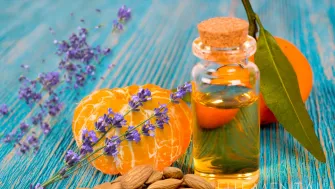
Formula: 46897 Difficulty Level: beginner Shelf life: min 6 months Optimal pH: -- Phase Ingredients Dosage % Total 100 g A Almond Oil 40 40 g A Lavender Essential Oil 5 5 g A Red Mandarin Essential...
| Product size | Suitable pump | |
| 50 ml, 90 g, 100 ml |
|
|
| 200 g, 250 ml |
|
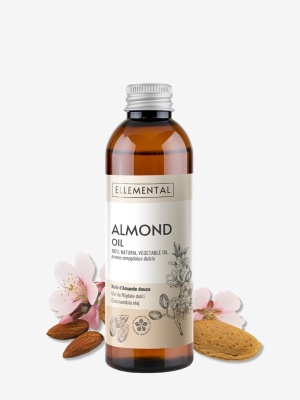
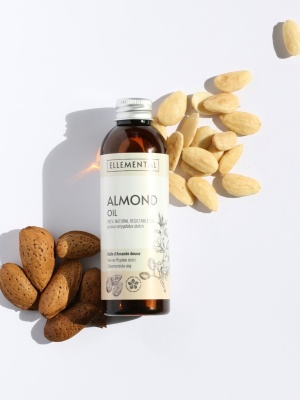
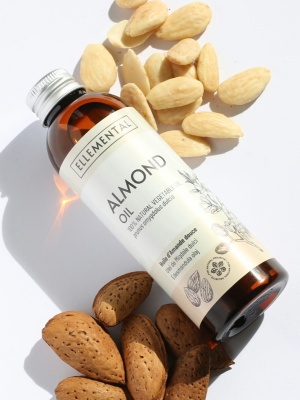
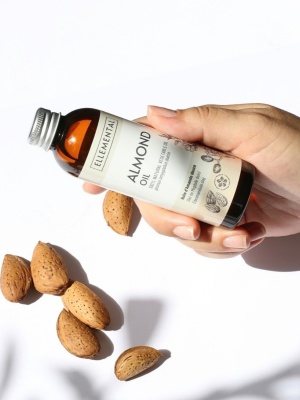
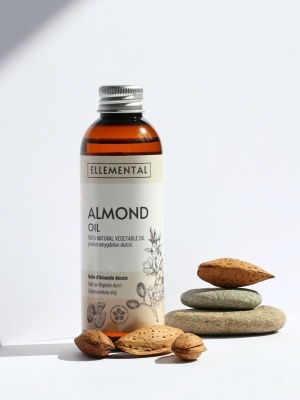
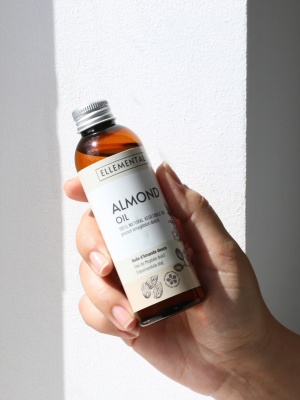
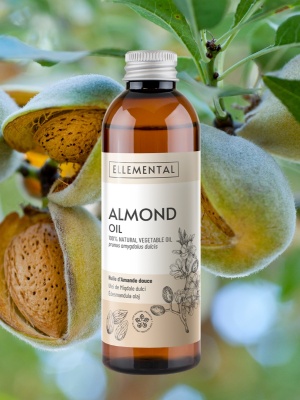
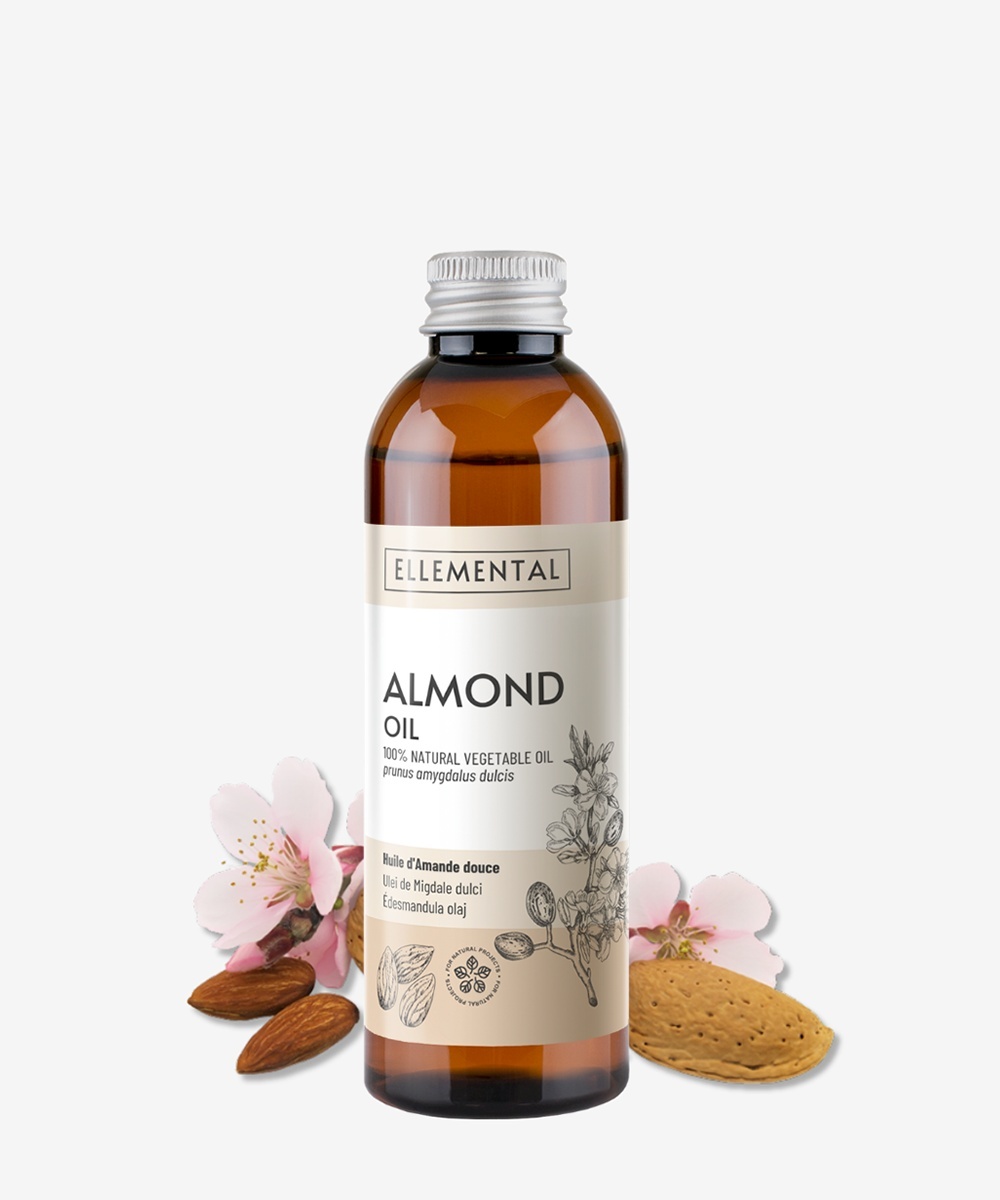
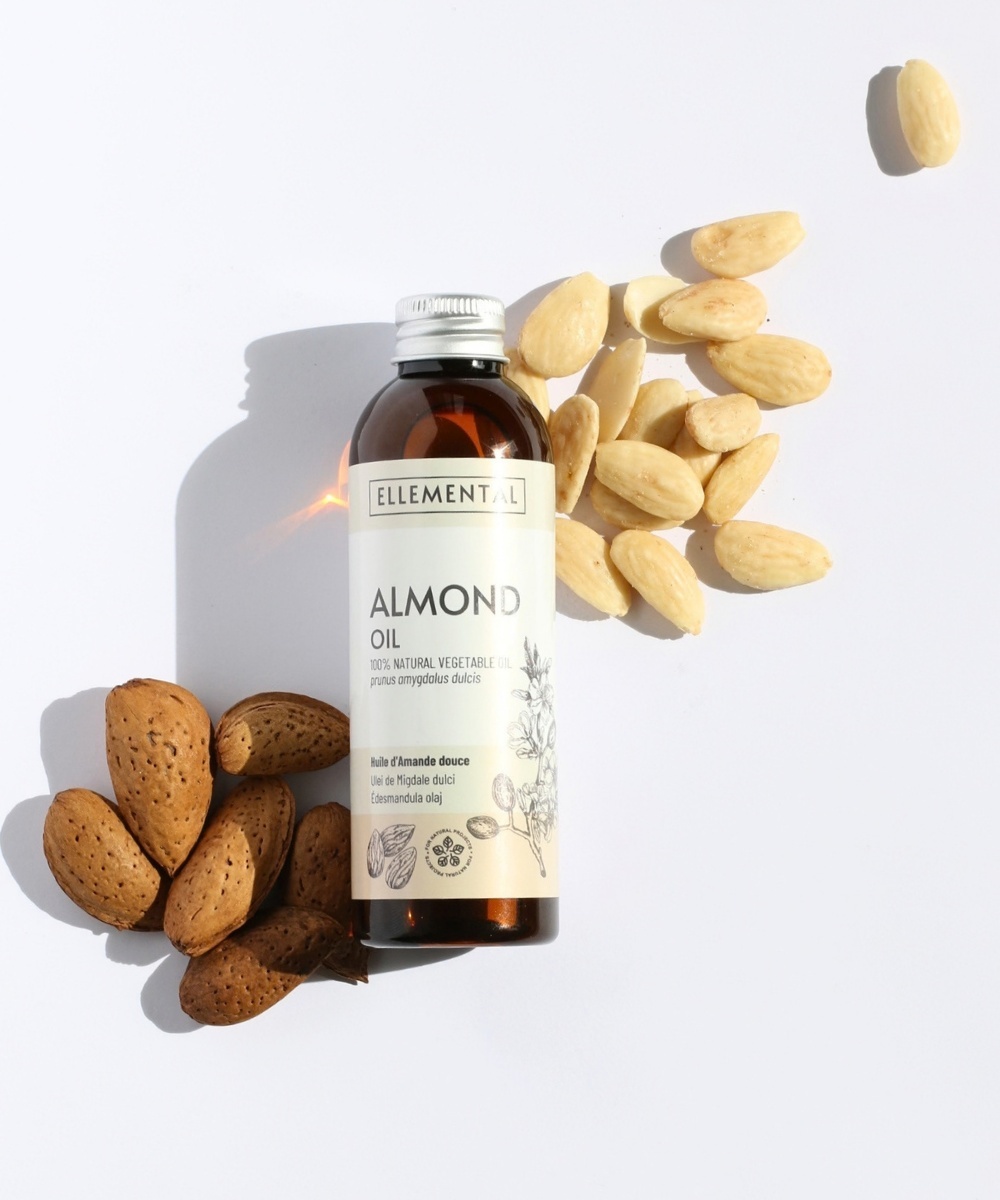
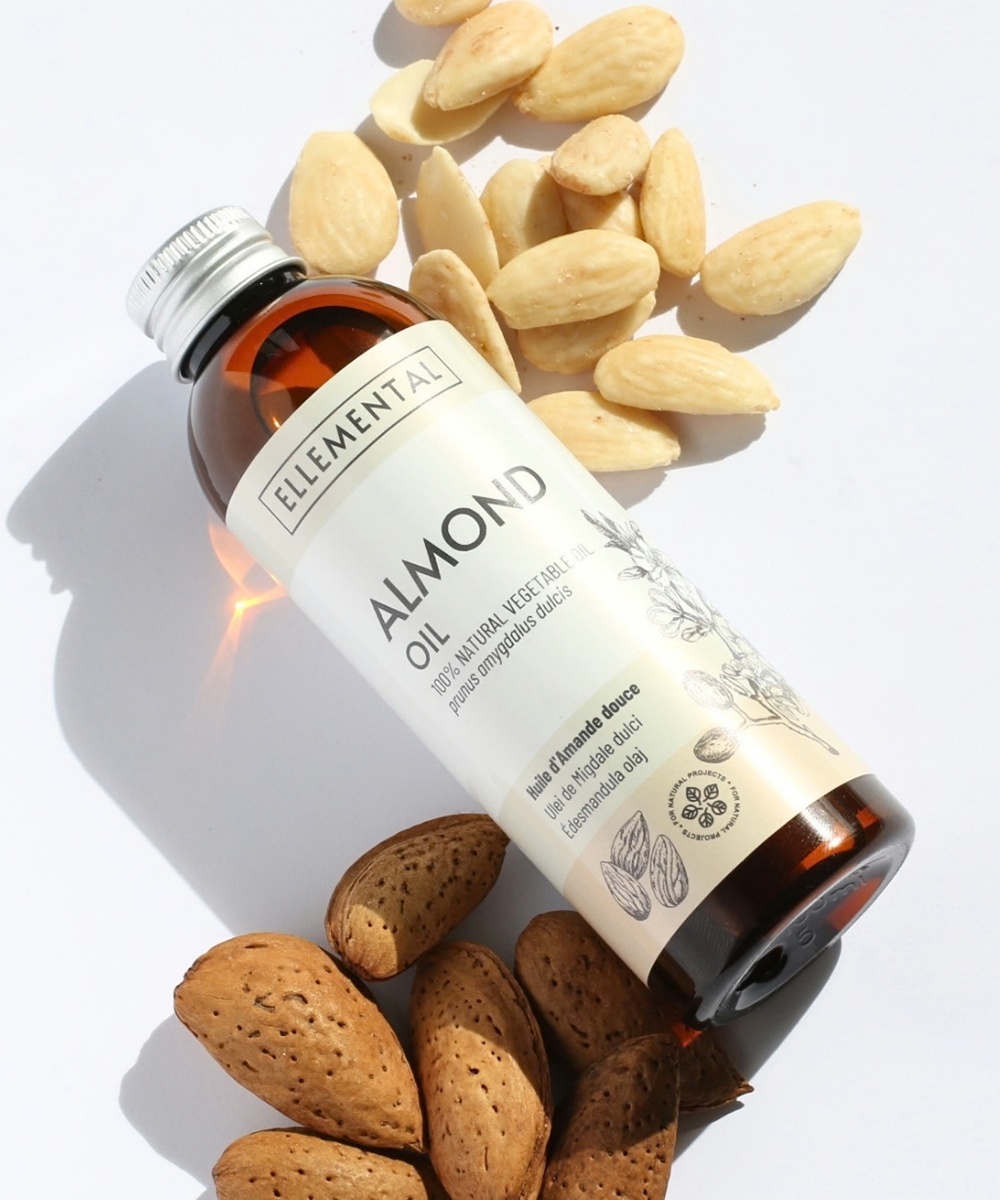
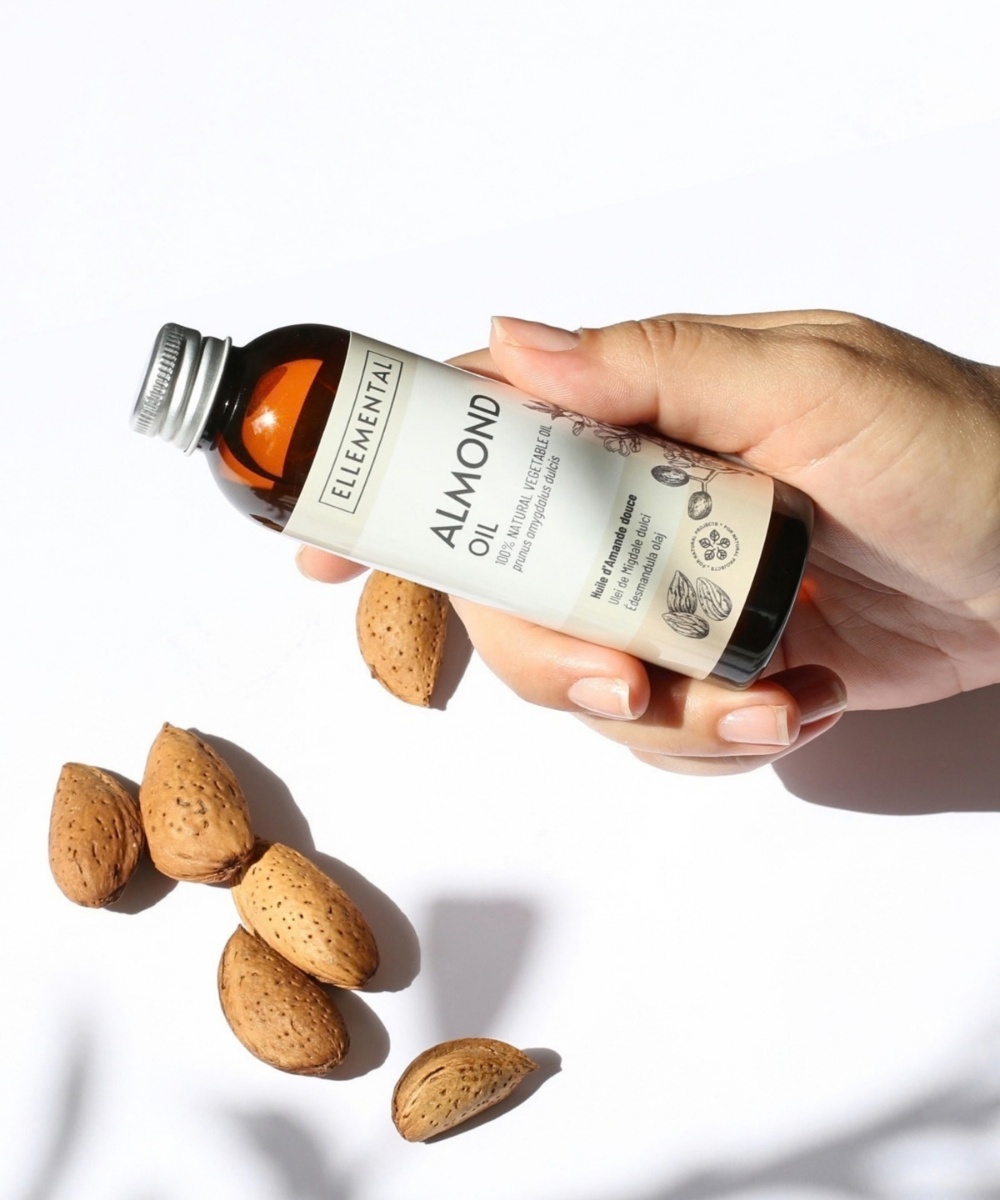
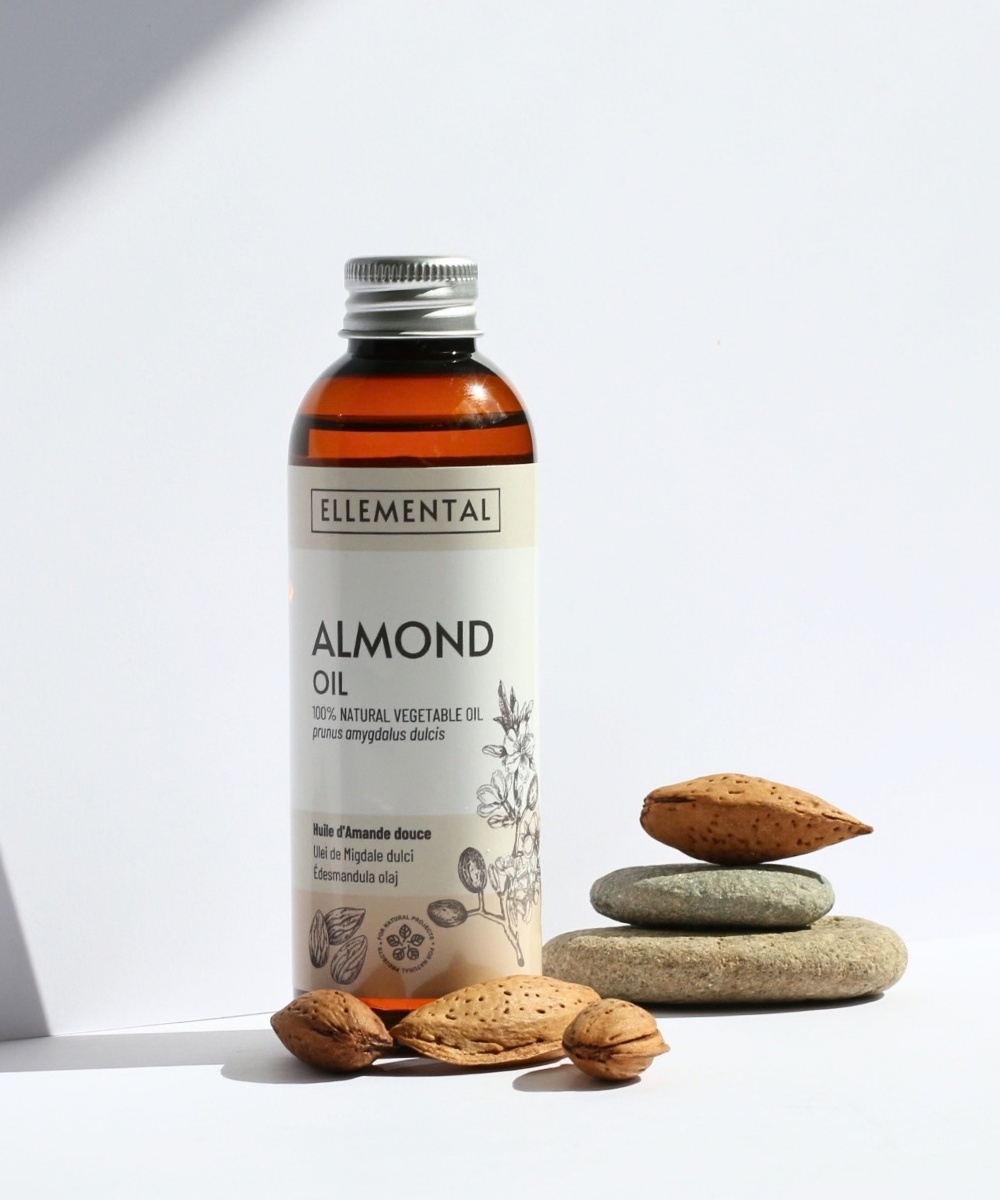
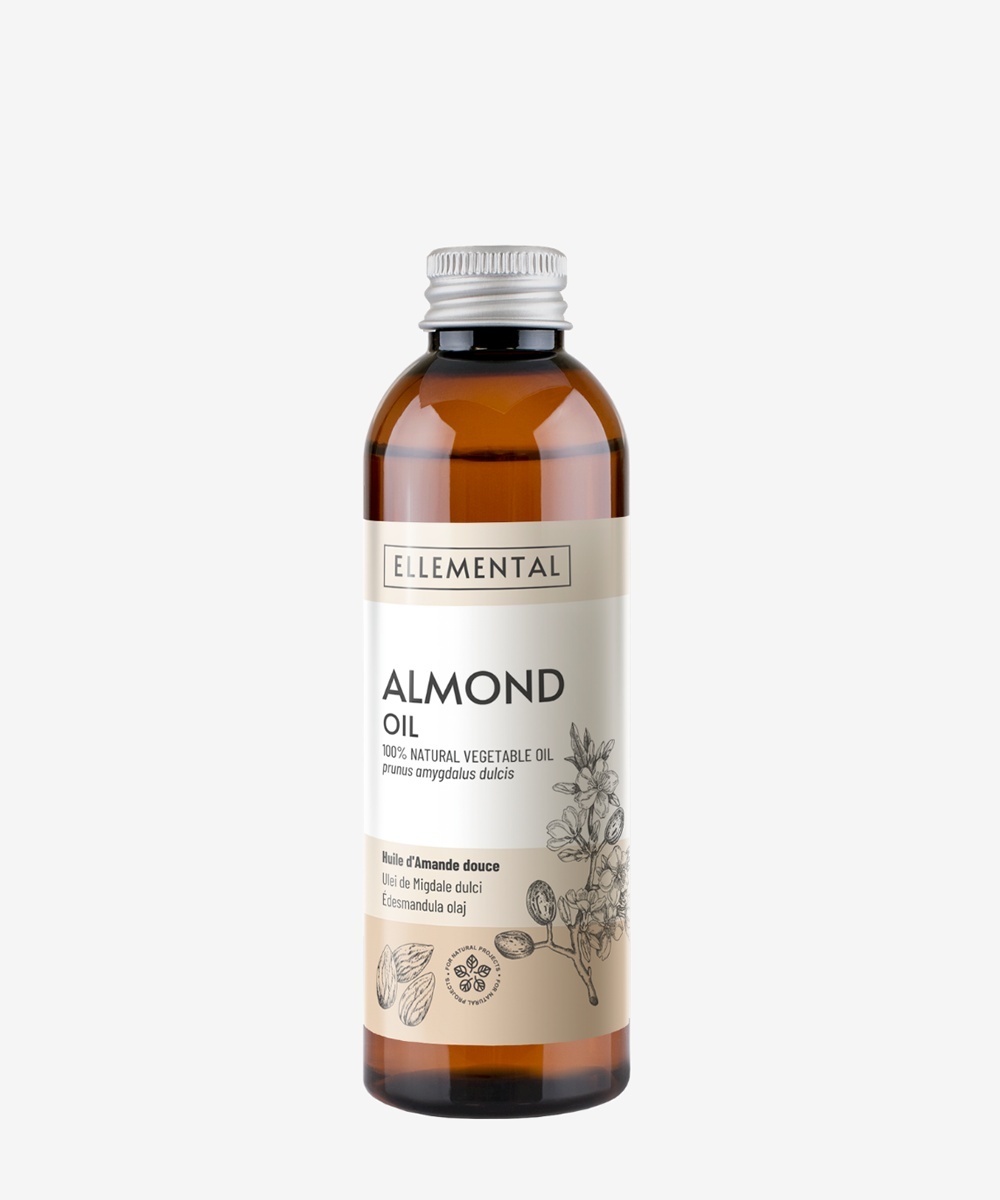
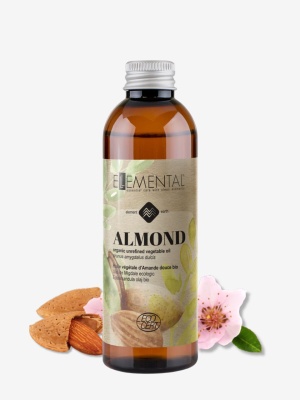
Sweet Almond Oil (Prunus amygdalus dulcis) is a classic oil with a long-standing reputation in cosmetics, valued precisely for its lack of specificity, it works well on any skin type, from babies to adults, and from dry to sensitive skin. Its texture is pleasant and absorbs quite well. It is the default choice for body massage, gentle face and body creams, and children's skin formulas.
It is an unpretentious, fine, and delicate oil that performs consistently as a core ingredient in personal care. It possesses recognized skin tolerance and cosmetic versatility. It is well-known for its ability to reduce friction on the skin, making it a global favorite for massage and body treatments.
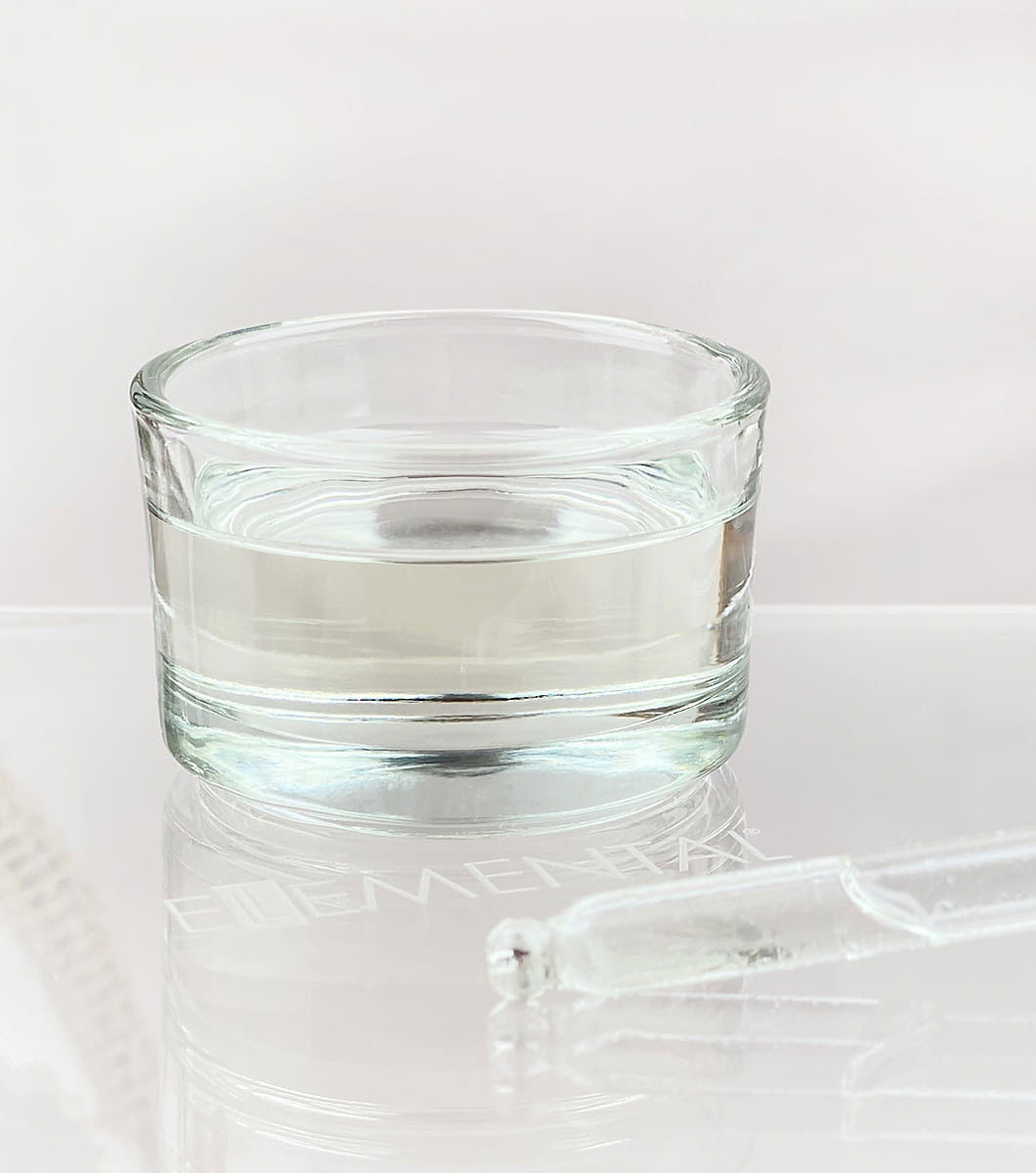
The refined variant of sweet almond oil represents one of the most stable, safe, and polyvalent base oils (carrier oils) in the cosmetic industry. Through the refining process, the oil is freed from aromatic compounds and active substances, resulting in a clear, nearly odorless liquid. Refining significantly increases its oxidative stability, extending its shelf life and making it ideal for products intended for ultra-sensitive, hypoallergenic skin or for infant care, where any traces of potentially irritating substances must be completely avoided.
This sensory neutrality transforms it into an ideal "blank canvas" for formulations, allowing free fragrancing with essential oils or cosmetic fragrances without the risk of altering the olfactory notes.
Ingredients: Prunus Amygdalus Dulcis Oil
*100% natural, free of preservatives, free of additives
On the face, almond oil is suitable for dry, sensitive, or normal skin, including the eye area. It can be used pure or as an ingredient in serums and creams. It is not recommended for oily or actively acne-prone skin in high doses.
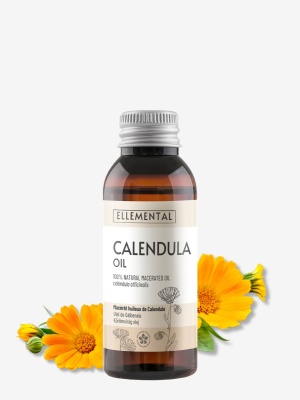
As a soothing serum for sensitive skin, the synergy with Calendula Oil and Bisabolol completes the gentle effect. In a nourishing eye cream, the association with Rice Bran Oil and Camellia Oil provides a fine texture and delicate nourishment. For an anti-aging facial massage oil, it combines harmoniously with Cranberry Seed Oil or Sea Buckthorn Oil and Vitamin A.
At the body level, almond oil is the classic ingredient for massage oils, baby and children's products, and aromatherapy formulas. It is probably the most widely used massage oil, and for good reason.
As a premium massage oil, the synergy with Monoi de Tahiti Oil and Neroli Essential Oil creates a distinctive and nourishing formula. As an ingredient in baby oils or creams, the association with Calendula Oil and Aloe Vera Oil completes the protective and soothing effect.
On hair, almond oil is a lightweight nourishing ingredient suitable for dry or normal hair. It can be used as a pre-shampoo treatment or an ingredient in conditioners and masks.
As a base for a nourishing pre-shampoo treatment, the synergy with Ricin Oil and Organic Argan Oil provides deep nutrition and a conditioning effect.
Is there a difference between sweet and bitter almonds?
Yes, a significant one. Sweet almond oil is the one used in cosmetics, safe and without limitations. Bitter almond oil contains amygdalin and is used for its aroma, but it requires strict purification to eliminate toxic hydrocyanic acid.
Le it suitable for baby skin?
Yes, it is one of the oils with the longest tradition in baby skin care. However, a patch test beforehand is still recommended for safety.
How does it differ from apricot kernel oil?
The profile is similar, as both are dominated by oleic acid. Apricot kernel oil absorbs somewhat faster. Almond oil is denser, more protective, and ideal for massage or body care, while apricot kernel oil is more fluid, absorbs quickly, and is preferred mainly for face care.
Safety in use
Cosmetic product for external use only. Do not ingest. Avoid contact with eyes.
Storage, preservation
Keep the bottle tightly closed, in a cool place, away from direct light.


Write a valid review and earn loyalty points worth €0.40