




Zinc oxide
Description
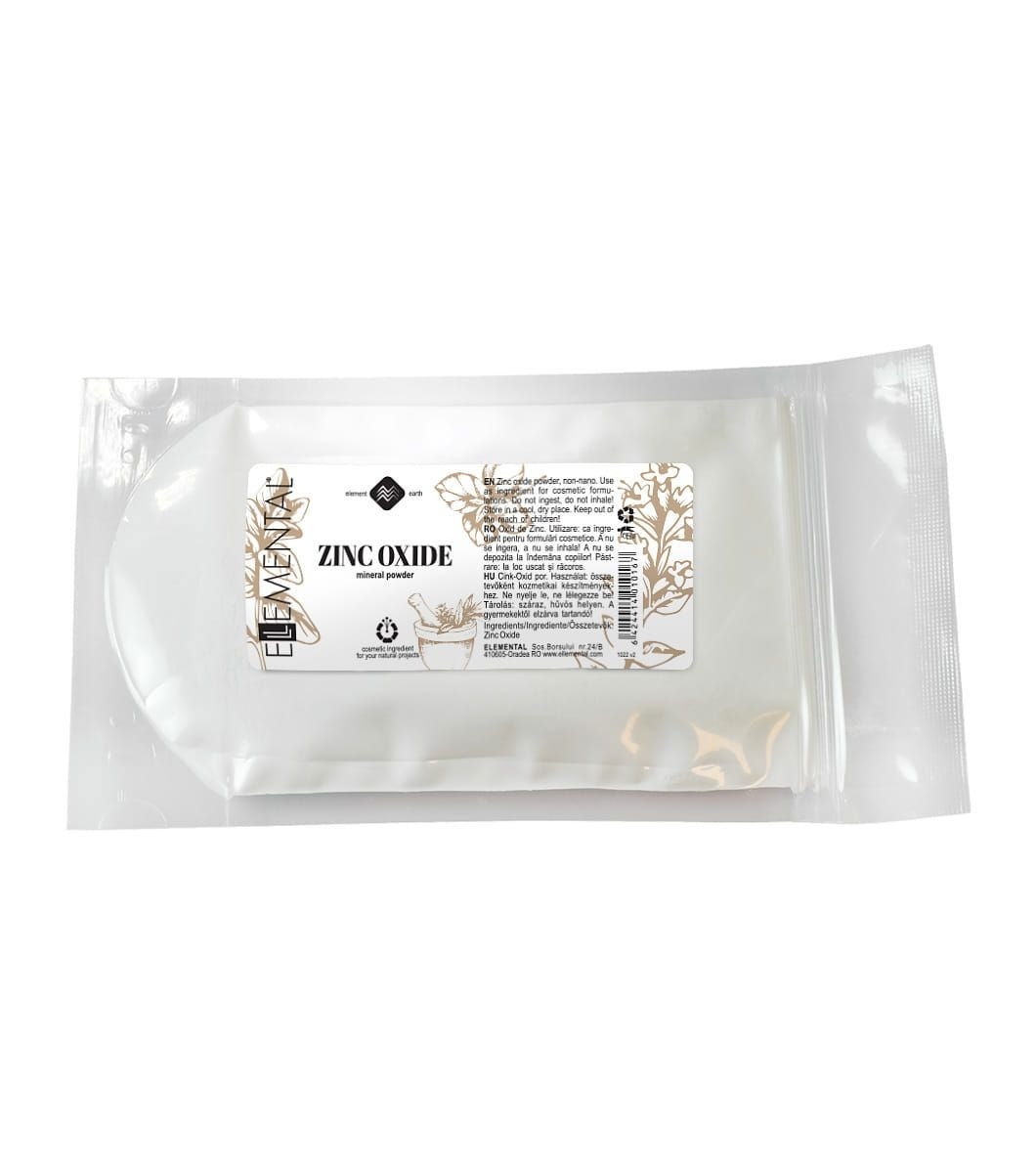
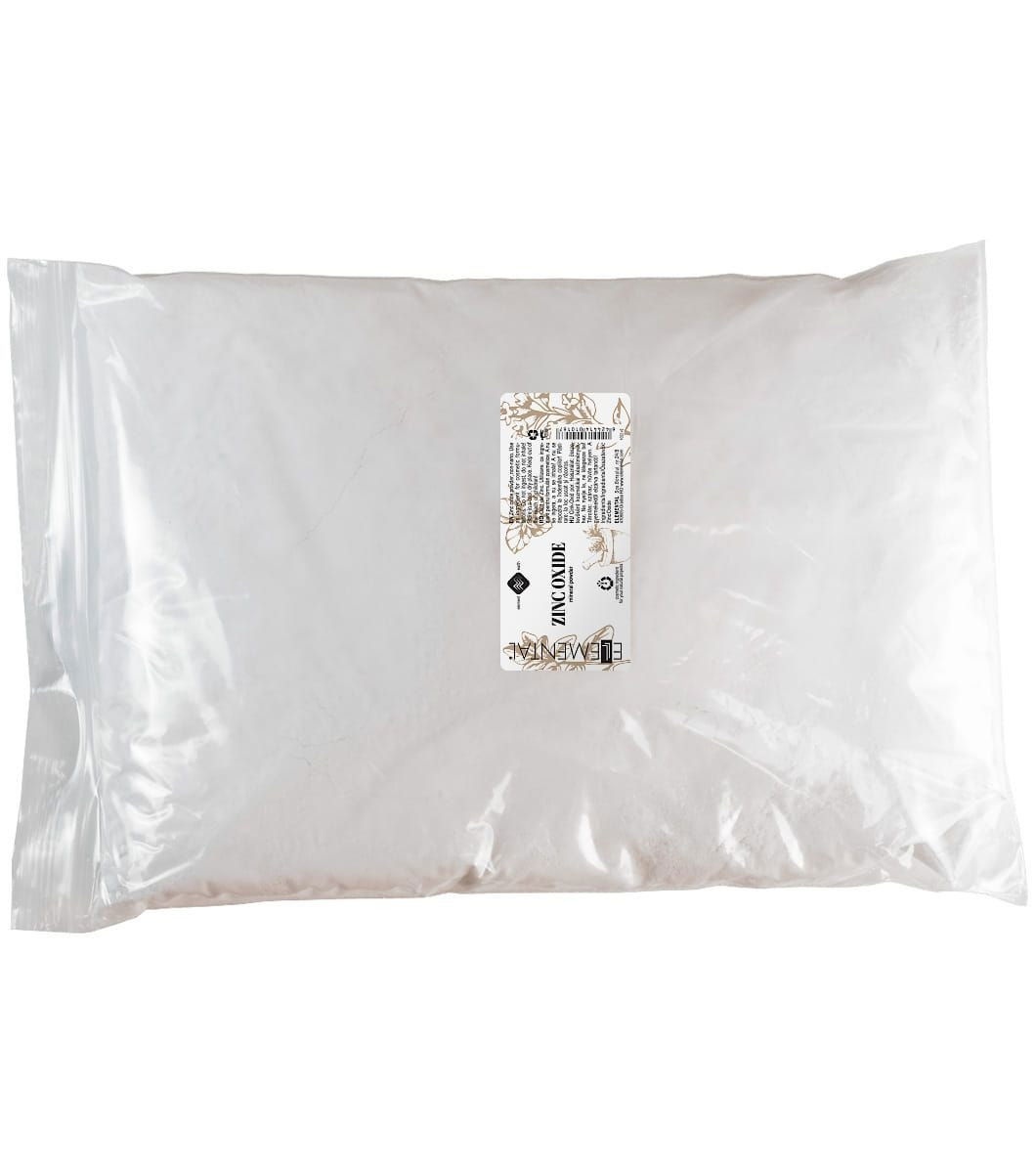
Zinc Oxide – Non-Nano mineral white pigment, protective, purifying
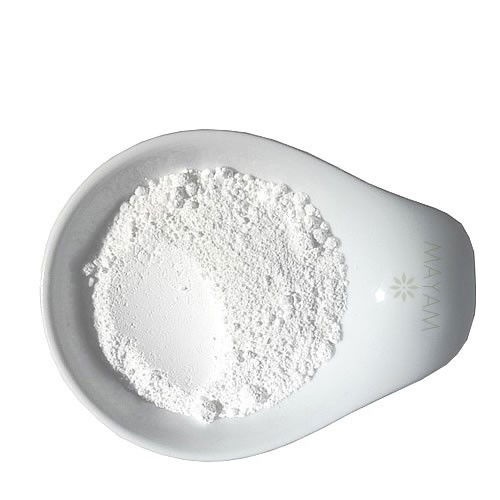
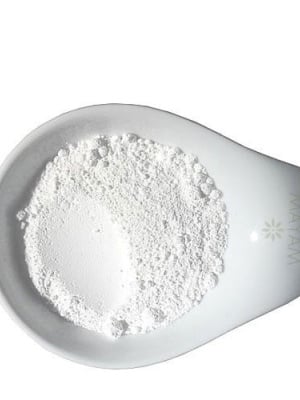
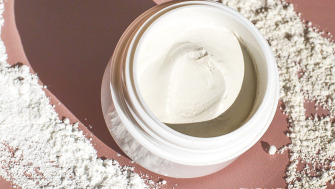
Zinc oxide is a mineral compound in the form of a fine white powder, long used in cosmetic formulations for its ability to cover and protect the skin surface. It is a foundational ingredient in sun care, mineral makeup, products for sensitive skin, and formulations designed for areas frequently exposed to moisture or friction.
Due to its mineral nature and complete insolubility in water, zinc oxide remains on the surface of the skin, forming a physical protective layer with a mattifying and opaque covering effect. It is also one of the authorized UV filters in the European Union, listed in Annex VI of Regulation (EC) No 1223/2009.
Ingredients (INCI): Zinc Oxide
Technical Characteristics
- Appearance: Fine powder, white color; practically odorless
- Solubility: Insoluble in water; insoluble in oils
- Quality: Pure zinc oxide conforming to the European Pharmacopoeia (Ph. Eur.), non-nano particles
- Recommended Dosage: 1 - 25%
Scientific Documentation
According to the manufacturer's technical data sheet, this zinc oxide is obtained through a controlled manufacturing process (the indirect, "French" process) in compliance with European Good Manufacturing Practice (EU-GMP) guidelines and meets the requirements of the European Pharmacopoeia for both pharmaceutical and cosmetic use.
From a regulatory standpoint, zinc oxide is authorized as a UV filter in European cosmetics, with a maximum permitted concentration of 25%.
Properties and Benefits
- White pigment with high covering power and opacifying effect
- Authorized ingredient as a UV filter in European cosmetics
- Mattifying effect, useful in formulations for oily or shine-prone skin
- Physical protective role for the skin surface, especially in areas exposed to moisture or friction
- Mildly astringent with a gentle skin-drying effect
Applications
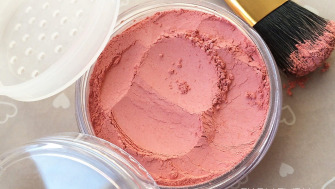
- Mineral makeup: powders, foundations, compact products
- Creams for areas exposed to moisture and friction, for infants or adults
- Lotions and creams for sensitive or irritation-prone skin
- Formulations acting as UV filters, within the limits and conditions established by current cosmetic legislation
Formulation Guide
- Disperse in the oil phase or aqueous phase of the formula, depending on the product type; being insoluble, it requires good mechanical dispersion for homogeneity
- In emulsions, it is typically added to the oil phase
- When used as a UV filter, the actual protective efficacy (SPF rating) must be determined through standardized testing (ISO 24444) of the finished product; the zinc oxide concentration in the formula cannot be directly translated into an SPF value without this testing
- Compatible with most commonly used formulation ingredients; non-ionic emulsifiers and agents are preferred
- Does not provide transparency upon application
- Optimal pH value for the finished product ~7.0
Usage Safety and Storage
- Profile: Safe ingredient for cutaneous application
- Precautions: External cosmetic use; do not use in spray/aerosol formulations; avoid inhaling dust during raw material handling
- Storage: Store in a closed container in a cool, dry place, protected from light
Details
Related Recipes and Articles
You'll like these too
Reviews
Write a valid review and earn loyalty points worth €0.40