Description
Sodium PCA - Biomimetic Moisturizer and Essential Component of NMF
Sodium PCA is an exceptional physiological humectant, naturally found in the human epidermis as an integral part of the Natural Moisturizing Factor (NMF). It is recognized in advanced cosmetics for its extraordinary ability to absorb water from the atmosphere and fix it into the skin layers, being much more effective than traditional glycerin. It is a versatile, non-comedogenic, and extremely gentle ingredient, ideal for revitalizing dehydrated skin and for improving hair elasticity without leaving a sticky sensation.
Ingredients (INCI): Sodium PCA.
Technical Characteristics
- Nature: Vegetable-derived (usually obtained through the fermentation of sugar cane or corn).
- Appearance: Clear, colorless to slightly yellowish, odorless liquid.
- Solubility: Completely water-soluble.
- Function: Powerful humectant, anti-static agent, skin and hair conditioner.
- Recommended dosage: 0.5% - 5%.
Information from Specialized Literature
Sodium PCA is studied for its role in maintaining the skin's water homeostasis:
- Hydration Capacity: Scientific data indicates that Sodium PCA can hold several times its weight in water, being considered one of the most powerful natural humectants currently available.
- Bio-compatibility: Being a molecule identical to the one produced by our body, the risk of irritation is minimal, making it optimal for hypersensitive or reactive skin.
- Protein Protection: Specialized literature suggests that Sodium PCA helps protect structural skin proteins against degradation through dehydration.
- Capillary Benefits: In hair care, it improves strand resistance, reduces porosity, and eliminates static electricity, providing a disciplined appearance.
Main Properties
- Intense Moisturizer: Quickly replenishes the water reserves of "thirsty" skin.
- Improves Texture: Gives the skin a fuller appearance (plumping effect) and a smoother feel.
- Non-Sticky: Offers a fresh sensation, being much more sensorially pleasant than common humectants.
- Anti-Static: Disciplines unruly hair and enhances its natural shine.
Applications
- Moisturizing serums and "boosters" for all skin types.
- Tonic lotions and leave-on micellar waters.
- Lightweight day creams and ultra-hydrating gel-creams.
- Shampoos, conditioners, and hair detangling sprays.
- After-sun products for rapid soothing and rehydration.
Formulation Guide
- Procedure: Introduced into the aqueous phase of the preparation. Heat resistant, but can also be added at the end.
- pH Range: Stable within a pH range between 4.0 and 7.5.
- Ellemental Synergies:
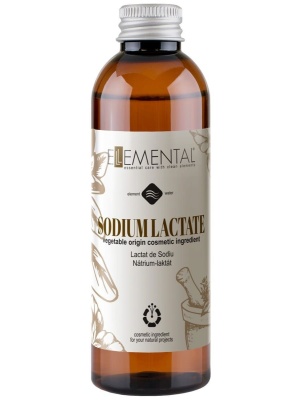
- NMF Reconstruction: Ideally combined with Sodium Lactate and Betaine to replicate the skin's natural moisturizing factor.
- Multilevel Hydration: Associated with Hyaluronic Acid (PCA attracts water to the surface, Hyaluronic seals it in).
- Capillary Luxury: Used alongside Silk Protein for incredibly soft and shiny hair.
Frequently Asked Questions (FAQ)
Can I use Sodium PCA directly on the face?
Although gentle, since it is delivered as a concentrate (50%), it is recommended to dilute it in an aqueous base or cream, according to the recommended dosage, for even distribution.
Is it suitable for oily skin?
Yes, it is the ideal choice. It effectively hydrates without adding oils and without clogging pores, being a substance naturally found in our skin.
Safety in Use
Profile: Safe, biodegradable ingredient.
Precautions: External cosmetic use. Observe the indicated dosages.
Storage: In a cool, dry place, away from direct light. Keep the container tightly closed.
Scientific Reference Literature (2022-2025)
- Garcia, L. M., et al. (2024). Biomimetic humectants: The synergy between Sodium PCA and skin barrier repair. Journal of Cosmetic Science & Technology.
- Roberts, K., et al. (2023). Evolution of NMF components in modern skincare: Focus on Sodium PCA. Cosmetics & Toiletries International Edition.
- Tanaka, H., et al. (2022). Efficacy of Sodium PCA in protecting hair keratin from environmental stress. International Journal of Trichology and Hair Care.
- CIR Expert Panel (2022 Update). Safety Assessment of PCA (2-Pyrrolidone-5-Carboxylic Acid) and its Salts as used in Cosmetics.