Description
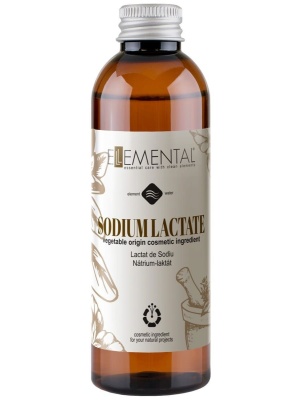
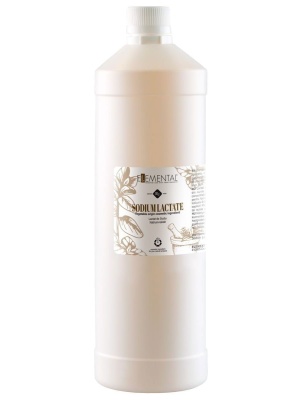
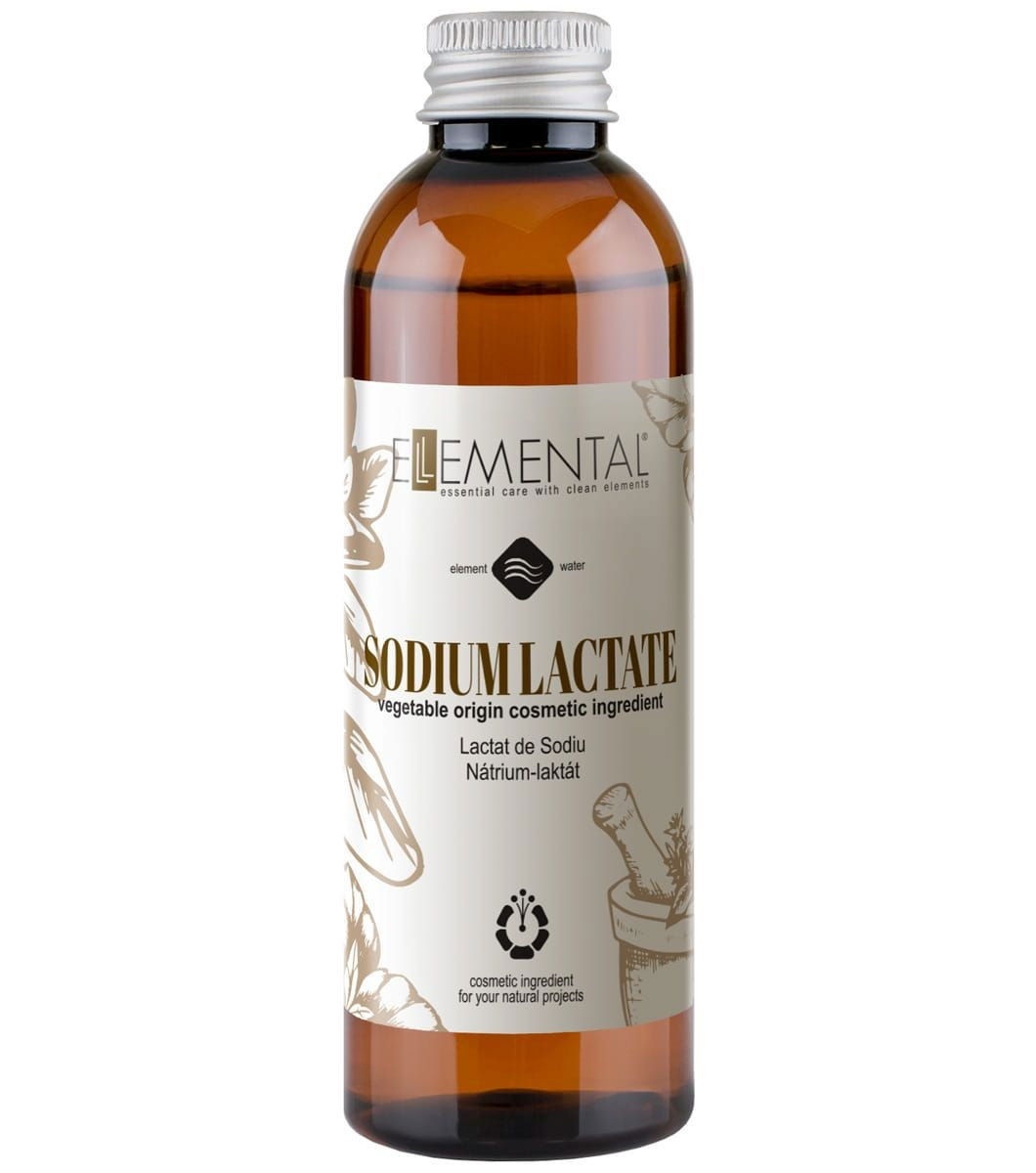
Sodium Lactate - Biomimetic Moisturizer, pH Regulator, and Texture Agent
Sodium Lactate is the sodium salt of lactic acid, produced by the natural fermentation of a sugar source (corn or beets). It is a multifunctional ingredient, found naturally in the human epidermis as part of the natural moisturizing factor (NMF). In cosmetics, it acts as an extremely powerful humectant, with a water retention capacity superior to glycerin, without leaving a sticky sensation. It is also a precious ally in artisanal soap making, where it improves the hardness and aesthetic appearance of soap bars.
Ingredients (INCI): Sodium Lactate.
(Concentration of approx. 60% in aqueous solution).
Technical Characteristics
- Nature: Organic salt derived through fermentation, supplied as a viscous solution.
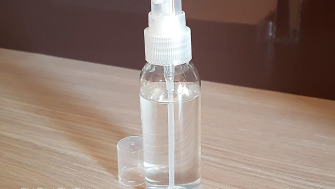
- Appearance: Clear, almost colorless liquid with a neutral odor.
- Solubility: Completely water-soluble.
- Functions: Humectant, conditioning agent, pH regulator.
Information from Specialized Literature
Sodium lactate is documented in specialized literature for its bio-active efficacy:
- Superior Hydration: Comparative studies indicate that sodium lactate has a water-binding capacity twice as high as glycerin, making it essential in treating xerosis (extremely dry skin).
- Bacteriostatic Effect: Research shows that it can inhibit the growth of certain microorganisms, increasing the safety of cosmetic formulations.
- pH Regulation: It is used as a buffering agent to maintain the pH of products within the physiological range of 4.5 - 5.5, preventing irritation.
- Skin Barrier Improvement: Regular use supports the integrity of the stratum corneum, reducing transepidermal water loss (TEWL).
Main Properties
- Humectant and Moisturizer: Attracts and retains moisture in the skin, providing a plump feeling and elasticity.
- Hair Conditioner: Helps detangle hair and improves shine by hydrating the hair shaft. It demonstrates superior performance in rinse-off products compared to other humectants.
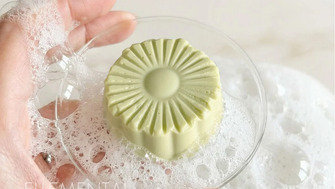
- Essential in Soaps: Added to cold-process soaps, it improves the texture of the soap, which hardens in a shorter time, becomes more compact, easier to cut, unmolds more easily, and has a smoother appearance.
Applications
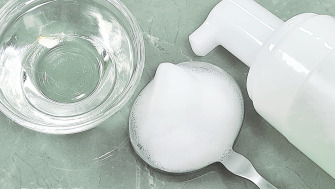
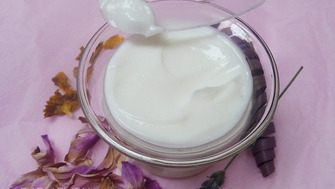
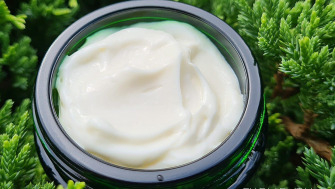
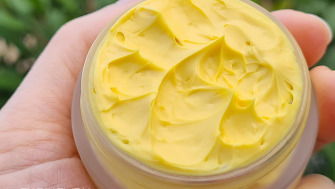
It is suitable for a wide variety of cosmetic skin and hair care products, such as toners, cleansers, moisturizing creams, serums, body creams and milks, shower gels and shampoos, hand creams, and care creams for sensitive skin.
- Moisturizing face and body creams and lotions.
- "Plumping" anti-aging serums and facial toners.
- Shampoos and conditioners for dry or damaged hair.
- Natural soaps made via cold process (CP) or hot process (HP).
- Gentle shower gels and cleansing lotions.
Formulation Guide
- Procedure: Add to the aqueous phase of emulsions. It is heat resistant. For cold-process soaps, it is dosed at a percentage of up to 3% of the total weight of the oils and added to the cooled lye solution.
- Indicative dosage: 0.5 - 4.0 %
- Ellemental Synergies:
- Advanced Hydration System: Combine with Betaine and Hyaluronic Acid for a synergistic multi-layer hydration effect.
- Acid balancing: Associate with AHA Fruit Acids or Gluconolactone to act as a buffering agent.
Frequently Asked Questions (FAQ)
Is sodium lactate the same as Lactic Acid?
No. Lactic Acid is an exfoliant (AHA), while Sodium Lactate is a salt with a predominant role in hydration and pH regulation, without direct exfoliating effects.
Does it make soap foamier?
It does not directly influence foam volume, but it helps produce a soap bar that melts more slowly in contact with water, extending its usage duration.
Safety in Use
Profile: Safe, non-irritating ingredient at recommended dosages.
Precautions: External cosmetic use. Observe the recommended dosage.
Storage: In the original container, at room temperature, away from excessive moisture.
Reference Literature (2020-2024)
- Smith, J. A., et al. (2022). Sodium Lactate and its impact on the Natural Moisturizing Factor of human skin. International Journal of Cosmetic Science.
- García-García, E., et al. (2021). Humectants in personal care: A comparative efficacy study of glycerin versus sodium lactate. Cosmetics & Toiletries Reviews.
- Wang, Y., et al. (2023). The role of organic salts in stabilizing skin barrier function in dry skin conditions. Journal of Dermatological Research.
- Miller, T., et al. (2020). Soap making chemistry: Improving physical properties through sodium lactate addition. Journal of Surfactants and Detergents.