








Formula: 3778 Difficulty level: medium Shelf life: min 3 months pH optimal: 5.5-6.0 Phase Ingredients Dosage % Total 50 gr A Sea Buckthorn seed oil 5 2,5 gr A White Lily oil 5 2,5 gr A Acmella...
| Product size | Suitable pump | |
| 50 ml, 90 g, 100 ml |
|
|
| 200 g, 250 ml |
|
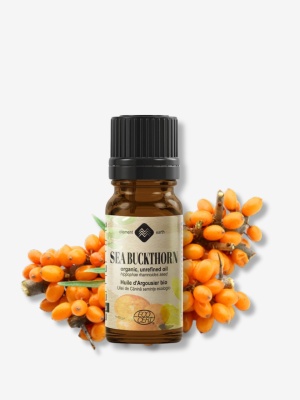
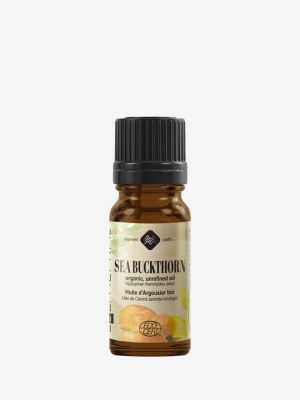
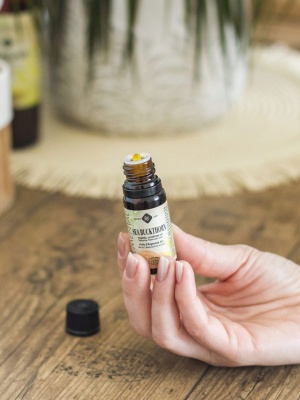
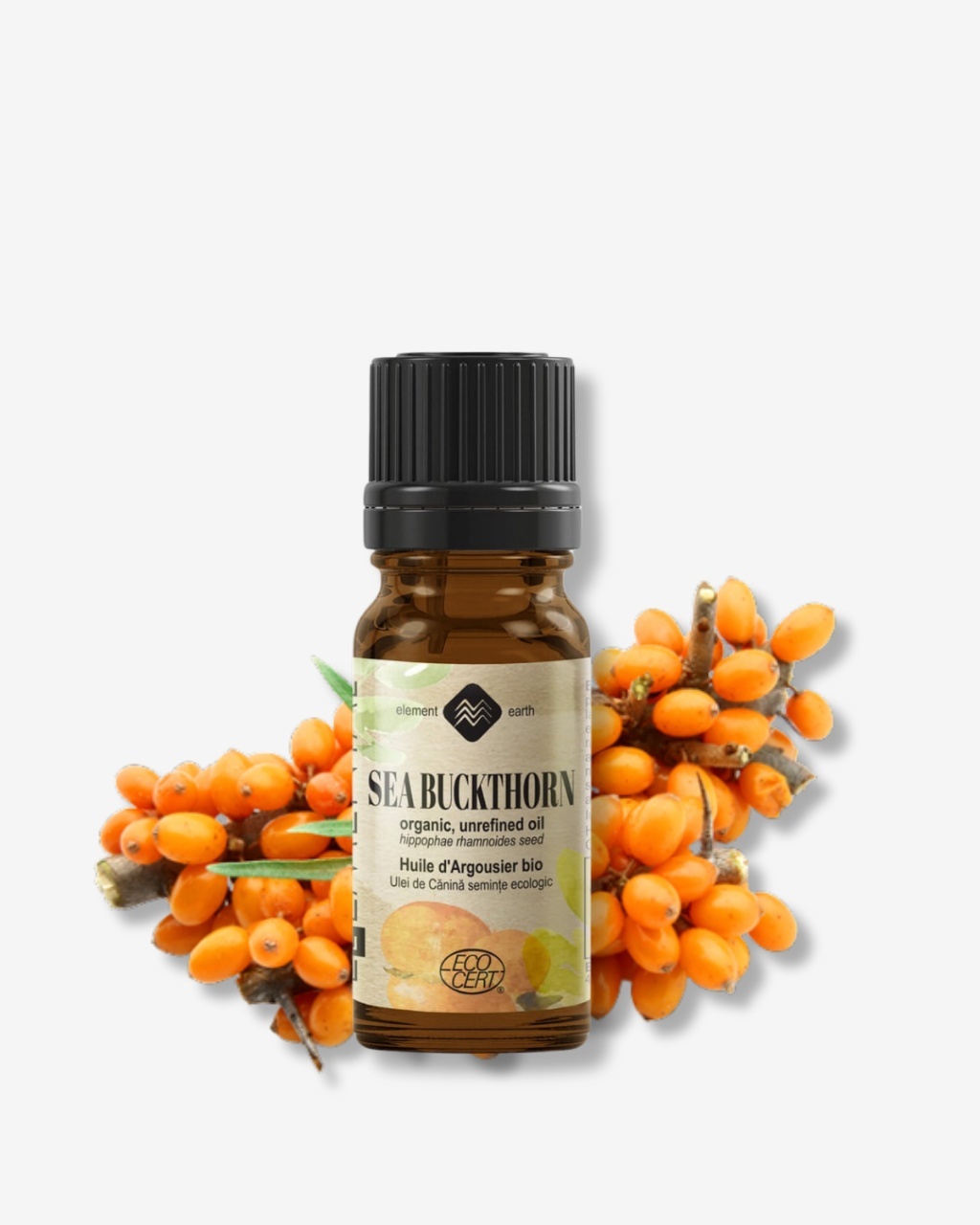
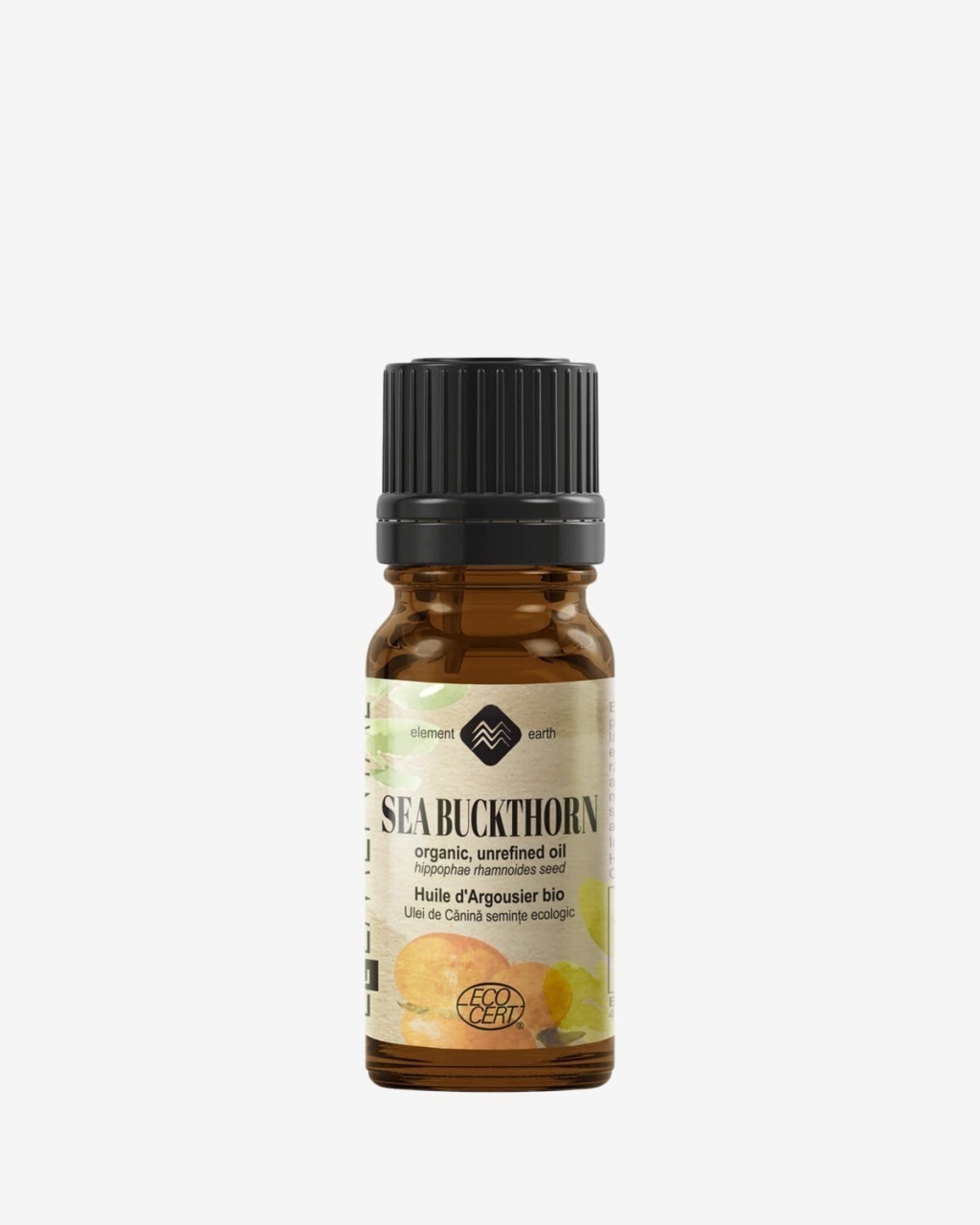
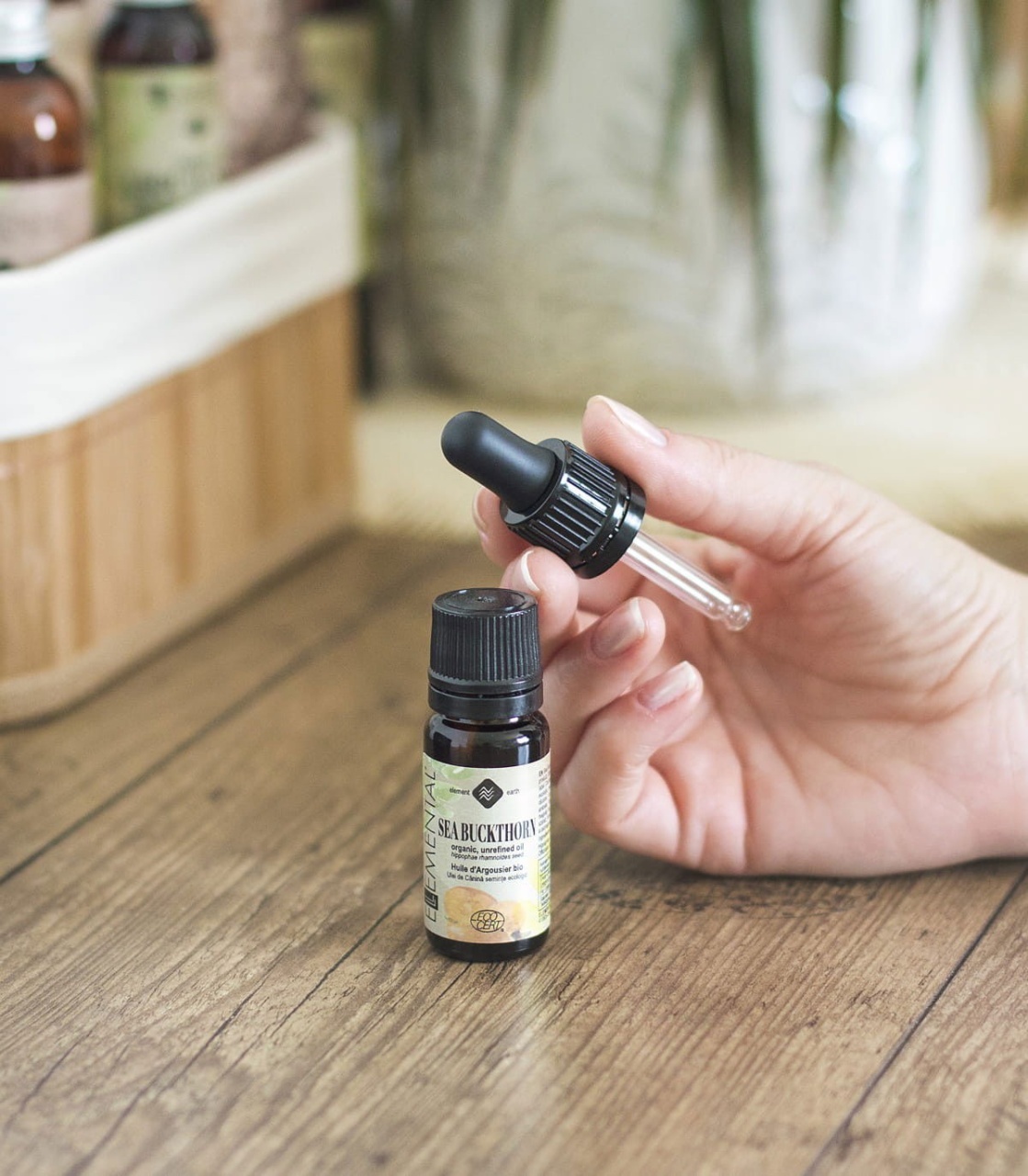
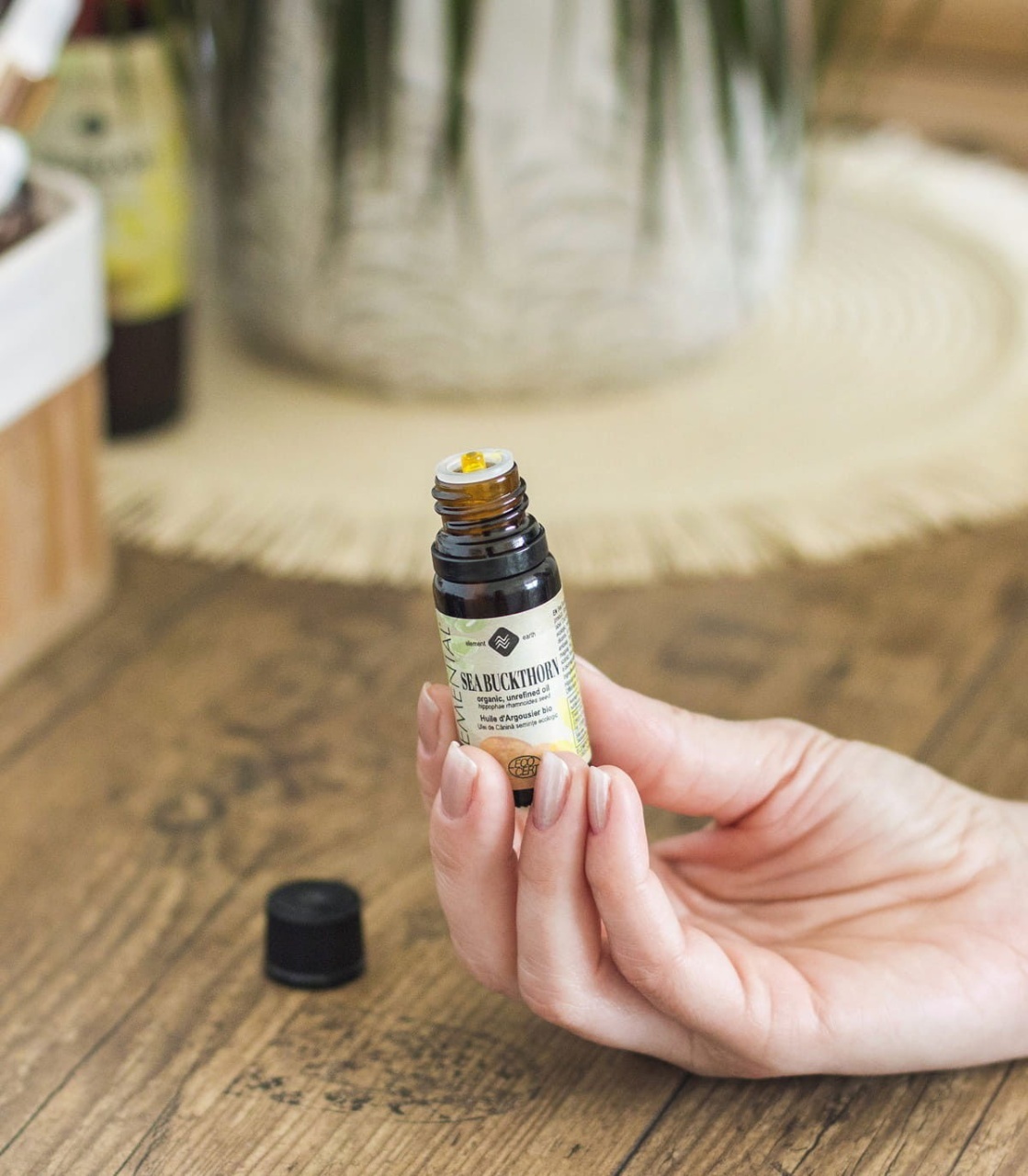
Organic Sea Buckthorn Oil (Hippophae rhamnoides) is a concentrated ingredient, not a base oil, used as an ingredient or diluted with vegetable oils to bring extra regeneration, protection, and radiance. It is recommended for mature, dull, blemish-prone or atopic-prone skin, and for anti-aging formulas where cell regeneration is the primary goal.
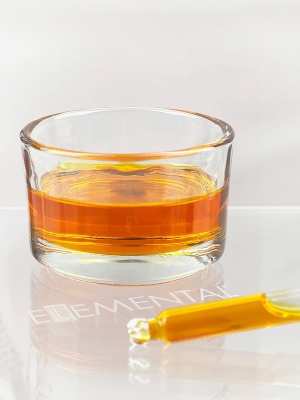
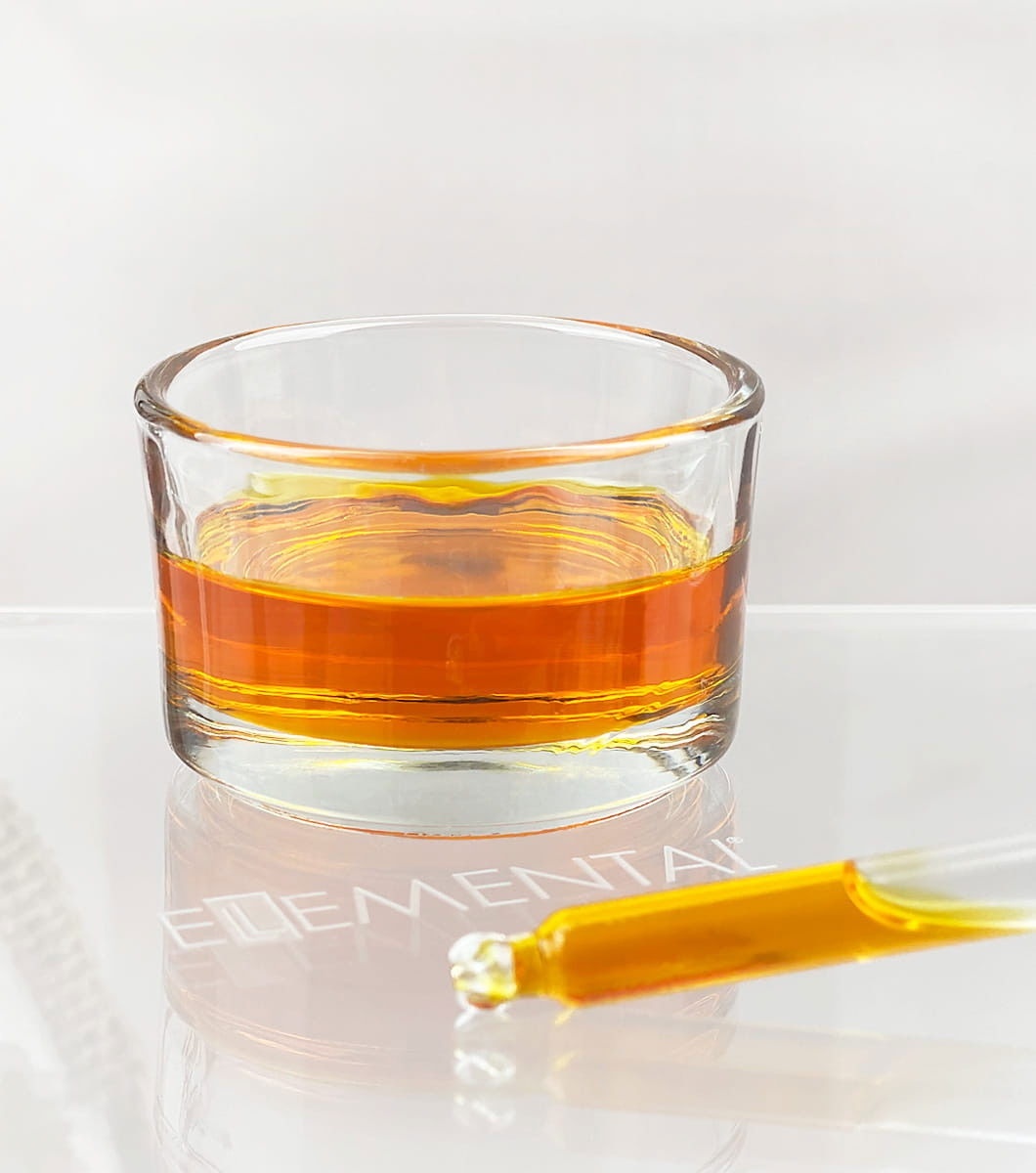
Unlike the oil obtained from the fruit pulp, the seed extract is less viscous and is concentrated in active substances. It contains a balanced ratio of Omega-3 and Omega-6 fatty acids, along with carotenoids, vitamin E, and phytols. It is obtained through a supercritical carbon dioxide extraction method, free from chemical solvents and high temperatures, which keeps the complex biochemical profile of sea buckthorn seeds intact. Its vibrant orange color, given by carotenoids, is the visual sign of its high concentration of active principles.
Ingredients: Hippophae Rhamnoides Seed Extract, Rosmarinus Officinalis Leaf Extract*
*100% of the total ingredients come from organic farming.
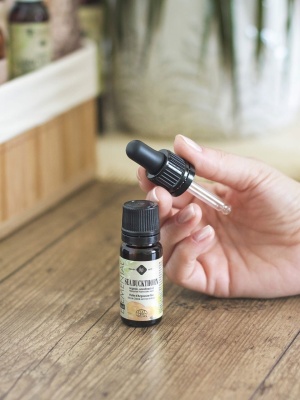
Organic Sea Buckthorn Oil is an active ingredient for mature, dull, or blemish-prone skin, used in small percentages (2-10%) in serums or creams. The intense orange color tints formulas, an aspect to consider when dosing, especially in light-colored products.
For an anti-aging serum, the synergy with Blackcurrant Seed Oil and Vitamin A supports regeneration and firmness. On blemish-prone skin, the association with Black Cumin Oil and Phyto-Silicone as a base offers a balancing effect and a non-greasy texture. Diluted in Olive Squalane, it maintains the fluid texture required for application to the face.
At the body level, Sea Buckthorn oil is valuable in formulas for mature, devitalized, or scarred skin, being used in low doses alongside base oils.
As a regenerating ingredient in body creams, the synergy with Rosa Mosqueta Oil and Schisandra Extract completes the skin repair spectrum.
On hair, Sea Buckthorn oil can be included in small concentrations in treatments for a dehydrated or dandruff-prone scalp, due to its regenerating properties.
As a regenerating active for the scalp, the synergy with Burdock Oil and Rosemary Essential Oil provides a complete treatment for scalps in need of revitalization.
Why does it tint formulas?
The vibrant orange color comes from the natural carotenoids present in a high concentration. It is a sign of the extract's concentrated strength. In low doses, the tinting effect is usually discrete.
What is the difference between the seed oil and the fruit pulp oil?
Seed oil (CO2 Extraction): It is dominated by polyunsaturated fatty acids (Omega-3 and Omega-6), optimally distributed. It has a much lighter texture, absorbs quickly into the skin, and is ideal for restoring the skin barrier and reducing inflammation.
Pulp oil (Pressed/Centrifuged): It is famous for its concentration of Palmitoleic Acid (Omega-7), has a stronger staining effect, and is used primarily as a regenerator for burns and damaged tissues.
Safety in use
Cosmetic product for external use only. Do not ingest. Avoid contact with eyes. It may stain light-colored textiles during application.
Storage, preservation
Keep the bottle tightly closed, in a cool place, away from direct light.
Write a valid review and earn loyalty points worth €0.40