






Formula: 4165 Difficulty level: beginner Shelf life: min 6 months pH optimal: - Phase Ingredients Total 30 ml A Avocado oil 10 ml A Coco-Silicone 10 ml A Hemp seed oil 8 ml A Broccoli oil 1 ml A...


| Product size | Suitable pump | |
| 50 ml, 90 g, 100 ml |
|
|
| 200 g, 250 ml |
|
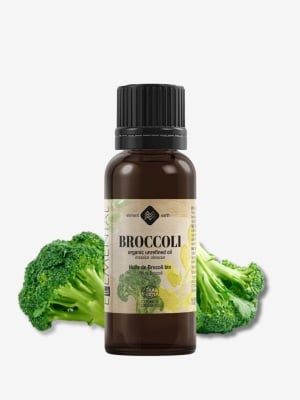
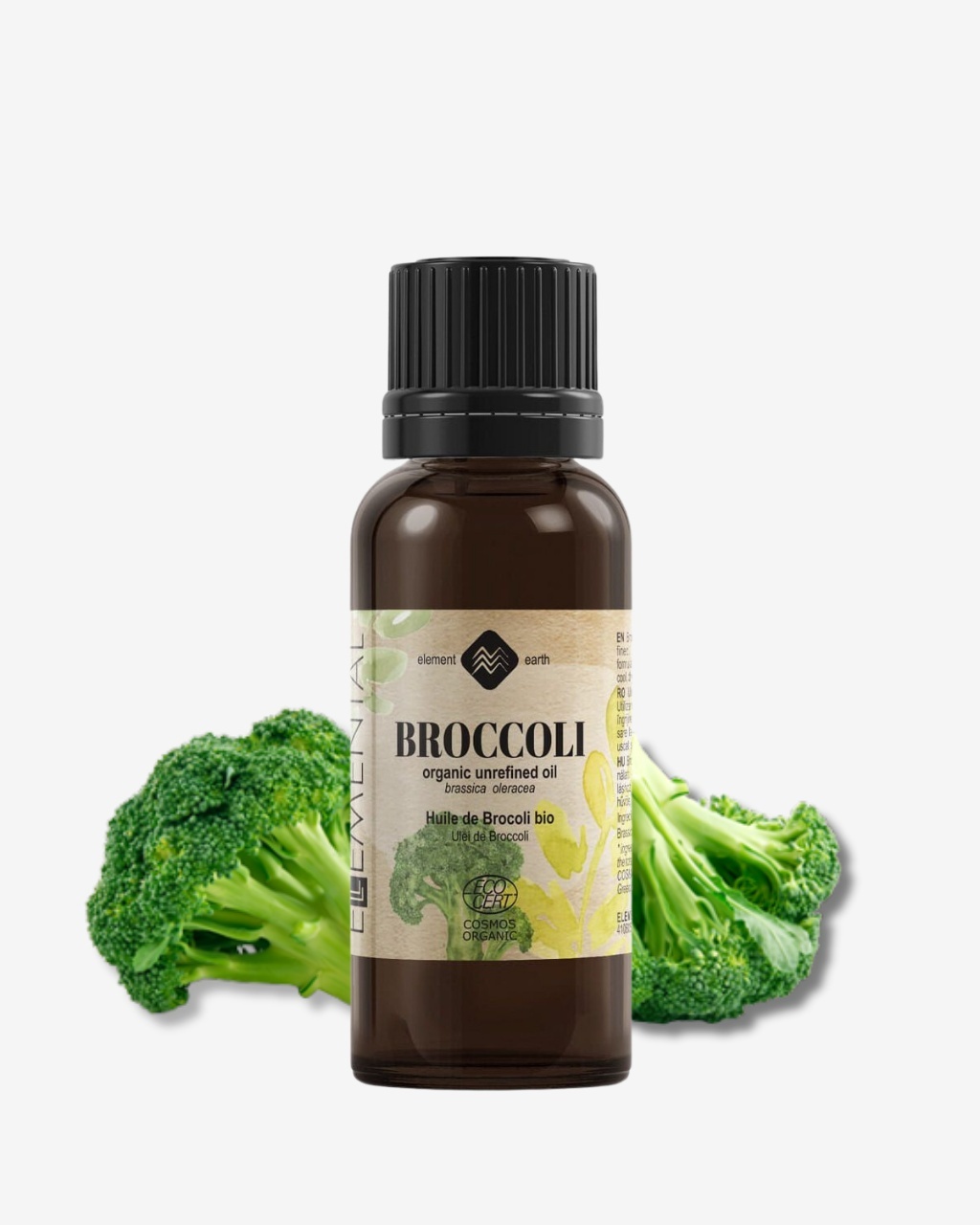
Organic Broccoli Seed Oil (Brassica oleracea) is a concentrated oil with a specific feature that differentiates it from most vegetable oils: its high erucic acid content grants it a film-forming texture similar to cosmetic silicones. It is primarily useful in hair care, as it smooths the strands, reduces frizz, and adds shine. It is an excellent choice particularly for applications targeting damaged, curly, rebellious, or hard-to-comb hair.
Due to its high viscosity and strong, characteristic scent, it is not used pure and should not be applied in large quantities. It is an "active concentrate" type of ingredient, used in low percentages (usually up to 10%) in formulas alongside more fluid oils, or incorporated as an ingredient in hair serums, conditioners, and creams. It also brings benefits to the skin, being especially useful for dehydrated, dry, and aging skin.
Ingredients: Brassica Oleracea Oil*
*100% of the total ingredients come from organic farming. COSMOS ORGANIC certified by Ecocert Greenlife.
On the face, Broccoli oil is a suitable ingredient for mature, dull, or dehydrated skin. It should not be applied pure, as its viscous texture leaves a greasy feel in high amounts. Used in low concentrations, it complements night creams with a regenerating and protective effect.
For mature or dehydrated skin, it combines well with Macadamia Oil, Apricot Oil, Hemp Seed Oil, and Vitamin E. Diluted in Olive-Silicone, it gives the complexion a satin finish.
At the body level, Broccoli oil is valuable for treating areas with damaged, scarred, or chronically dry skin, used as an ingredient in creams, ointments, balms, and body butters.
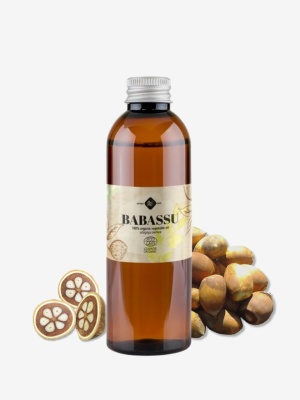
As a protective and emollient ingredient in body applications, it combines well with Sweet Almond Oil, Sesame Oil, Grape Seed Oil, Shea Butter, and Babassu Oil.
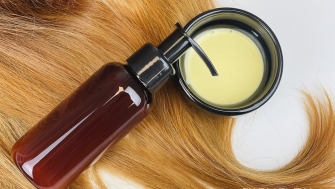
This is the domain of excellence for Broccoli oil. It is an optimal ingredient for curly, rebellious, damaged hair or hair with split ends, where the film-forming effect provides shine and smoothing comparable to the silicones found in conventional hair serums.
As an alternative to silicones in shine serums, the synergy with Phyto-Silicone and Coco-Silicone offers a good sensory finish for curly or unruly hair. For damaged hair, the association with Ceramides and Jojoba or Ricin Oil completes the structural repair effect.
Can it be used pure, directly on the skin or hair?
It is not recommended. Its high viscosity and strong scent make Broccoli oil an ingredient intended for formulations rather than direct application.
Why is it compared to silicones?
Erucic acid, present in an unusually high concentration for a vegetable oil, forms a fine film on the hair strand, similar to the effect of silicones like dimethicone.
Is it suitable for fine hair that weighs down easily?
In low concentrations (below 5%) it can be tolerated, but people with very fine hair should test it first.
Safety in use
Cosmetic product for external use only. Do not ingest. Avoid contact with eyes.
Storage, preservation
Keep the bottle tightly closed, in a cool place, away from direct light.
Write a valid review and earn loyalty points worth €0.40