








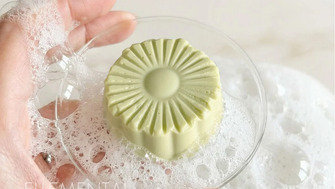
Formula: 48103 Difficulty level: medium Shelf life: min 6 months Optimal pH: 4.5-5.5 Phase Ingredients Dosage % Total 130 g A SCI Surfactant 45 58.5 g A Behenyl alcohol 7 9.10 g A Sodium Stearoyl...


| Product size | Suitable pump | |
| 50 ml, 90 g, 100 ml |
|
|
| 200 g, 250 ml |
|
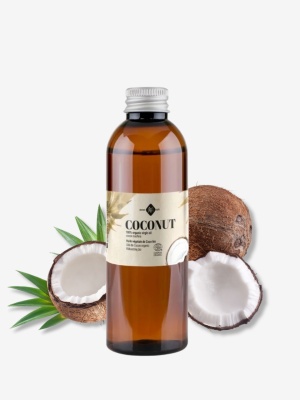
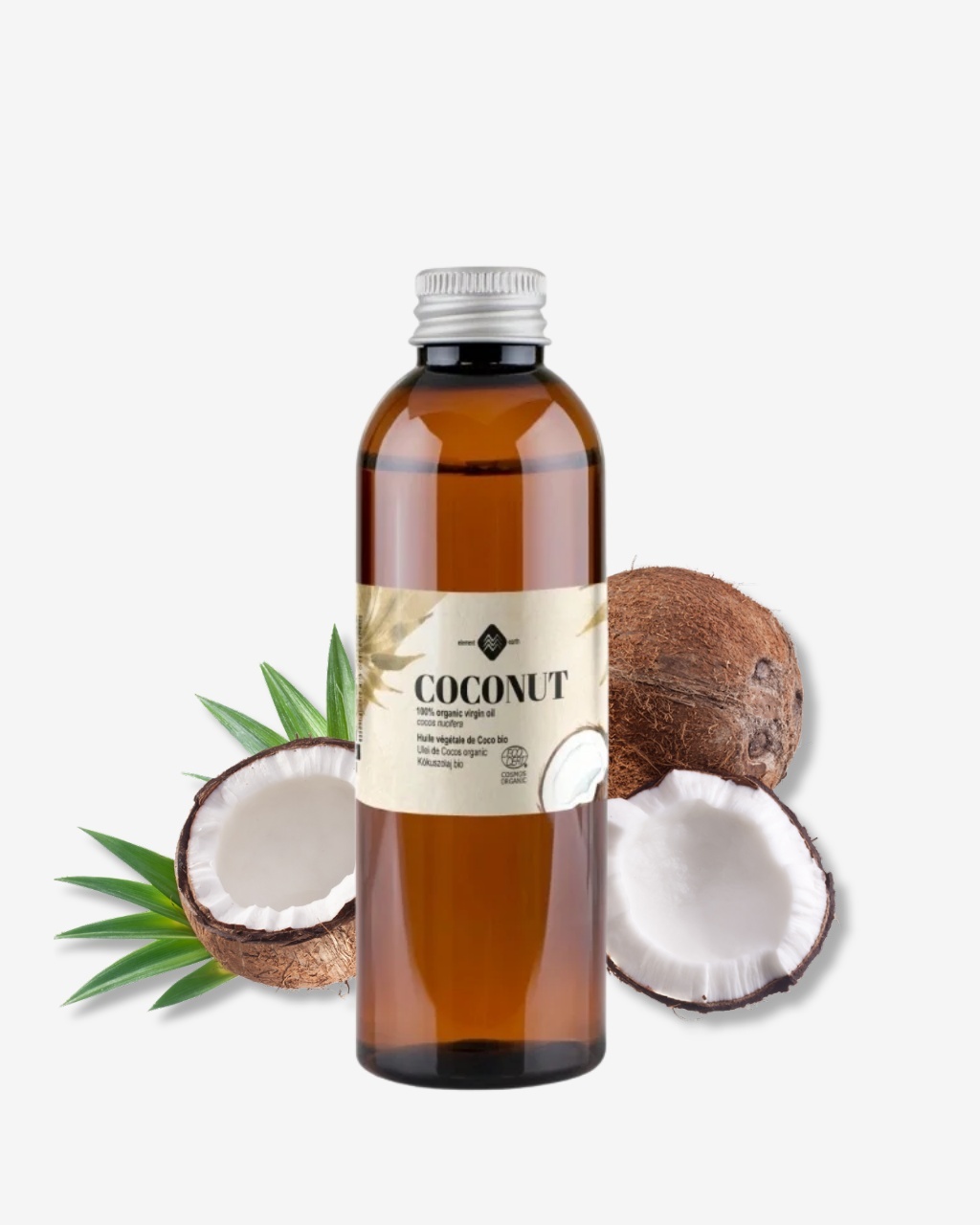
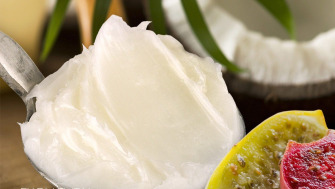
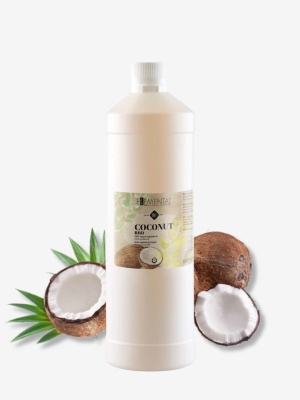
Organic Coconut Oil (Cocos nucifera) is one of the most well-known natural cosmetic oils. Its characteristic texture that transitions from solid to liquid depending on the temperature, along with its specific scent, make it easy to recognize and use. It is highly valued for dry skin that requires deep nourishment, for hair care, and as a base ingredient in anhydrous formulas.
It is appreciated in cosmetics due to its chemical structure dominated by saturated fatty acids (medium-chain triglycerides). Because it is virgin and unrefined, it keeps its biological structure intact, unaltered thermally or chemically, along with its intense, natural coconut aroma.
Its relevant compounds for skin and hair care are:
Ingredients: Cocos Nucifera Oil*
*100% of the total ingredients come from organic farming. COSMOS ORGANIC certified by Ecocert Greenlife.
On the face, organic coconut oil is suitable for dry or normal skin types, and should be used with caution on combination skin. It is not recommended for oily or acne-prone skin due to its relatively high comedogenicity index; however, it can be used as a makeup remover.
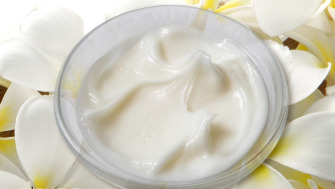
As a soothing makeup remover, the synergy with Safflower or Calendula Oil complements the gentle cleansing effect. In a nourishing mask for dry skin, the association with Apricot Kernel Oil and Vitamin E offers a well-balanced emollient spectrum.
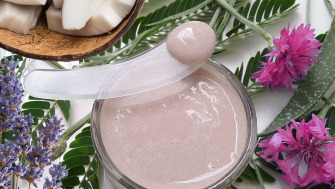
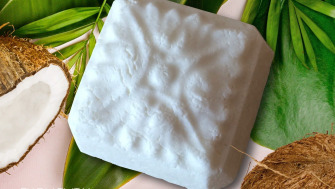
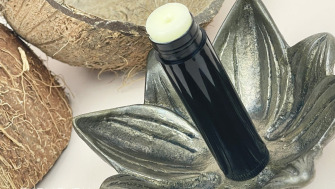
At the body level, organic coconut oil is a versatile base ingredient for body butters, lotion bars, lip balms, and products targeting areas with hardened skin (elbows, knees, soles). It is also an excellent base for body scrubs made with exfoliating granules.
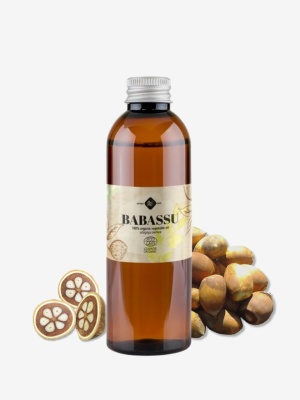
In body butters, combining it harmoniously with Shea Butter Nilotica and Organic Babassu Oil offers a balanced texture that is less greasy than pure coconut oil. As an ingredient in lotion bars, the association with Ylang-Ylang Essential Oil and Myristyl Myristate or Butter-perlen completes the formula.
On hair, organic coconut oil excels as a pre-shampoo treatment and a nourishing mask for dry or damaged hair. Its ability to penetrate the hair strand's cortex differentiates it from oils that only act on the surface. It is not recommended as a leave-in serum for fine hair, it may weigh it down.
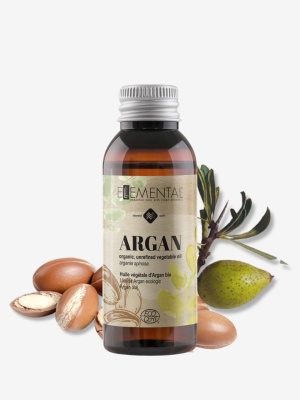
As a pre-shampoo treatment for color-treated hair, the synergy with Organic Argan Oil and Ceramides completes the protection and nutrition of the hair fiber. For a scalp massage, the association with Rosemary Essential Oil and Maca Fortis supports scalp vitality.
Why does it solidify in winter?
Lauric acid and the other saturated fatty acids have a relatively high melting point, which causes the oil to solidify at lower temperatures. This is a normal phenomenon that does not affect product quality. It fluidifies quickly at room temperature or through palm friction.
Is it comedogenic?
It has a moderate-to-high comedogenicity index. On normal or dry skin, it is generally well tolerated. On oily or actively acne-prone skin, it can accentuate pore clogging.
What is the difference compared to RBD coconut oil?
The organic virgin variant retains its natural coconut aroma and is unrefined. The RBD variant is refined, odorless, and colorless — which is advantageous for formulas where the absence of scent or a neutral base is desired.
What is the difference compared to fractionated coconut oil?
Virgin oil (like this one) is cold-pressed and contains all fatty acids, including lauric acid, making it solid when cold and granting it a coconut scent. Fractionated oil is processed to remain perpetually liquid and completely odorless.
Safety in use
Cosmetic product for external use only. Do not ingest. A patch test is recommended for acne-prone skin types. Avoid contact with eyes.
Storage, preservation
Keep the container tightly closed, in a cool place, away from direct light. Its high oxidative stability allows for a long shelf life without preservatives. Solidification at low temperatures is normal.
Write a valid review and earn loyalty points worth €0.40