






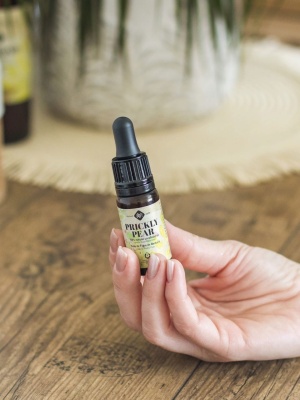


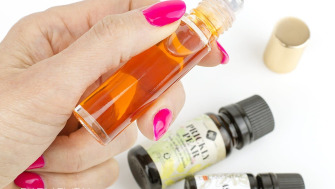
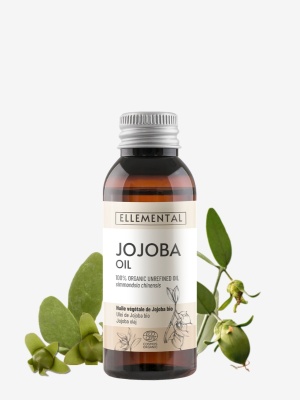
Formula: 72307 Difficulty level: beginner Shelf life: min 6 months pH optimal: - Phase Ingredients Dosage % Total 9 gr / 10 ml A Jojoba Oil 69,5 6,3 gr A Argan oil 20 1,8 gr A Prickly Pear seed Oil...
| Product size | Suitable pump | |
| 50 ml, 90 g, 100 ml |
|
|
| 200 g, 250 ml |
|
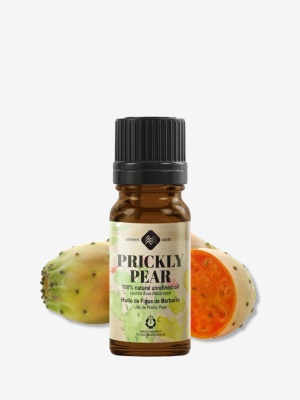
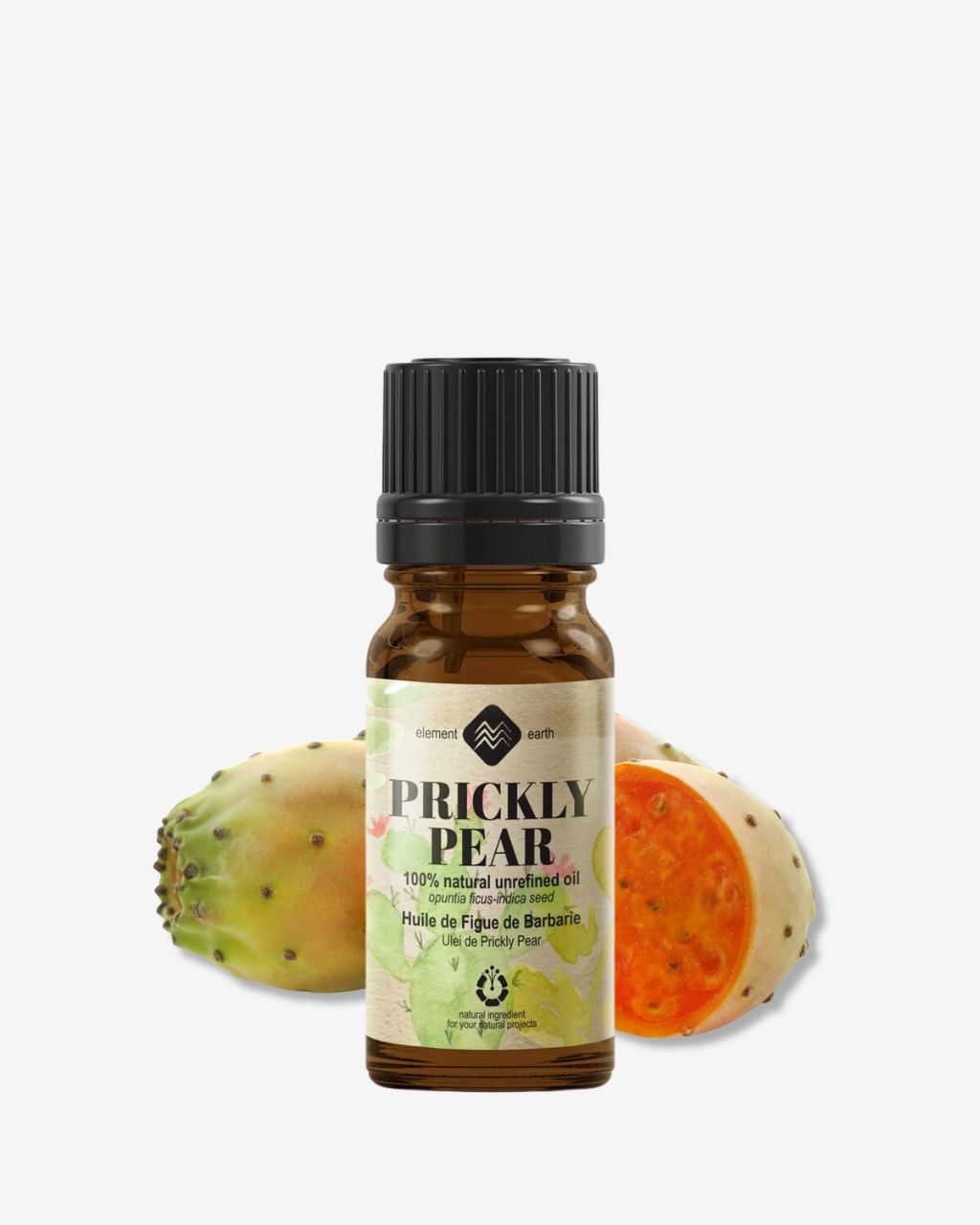
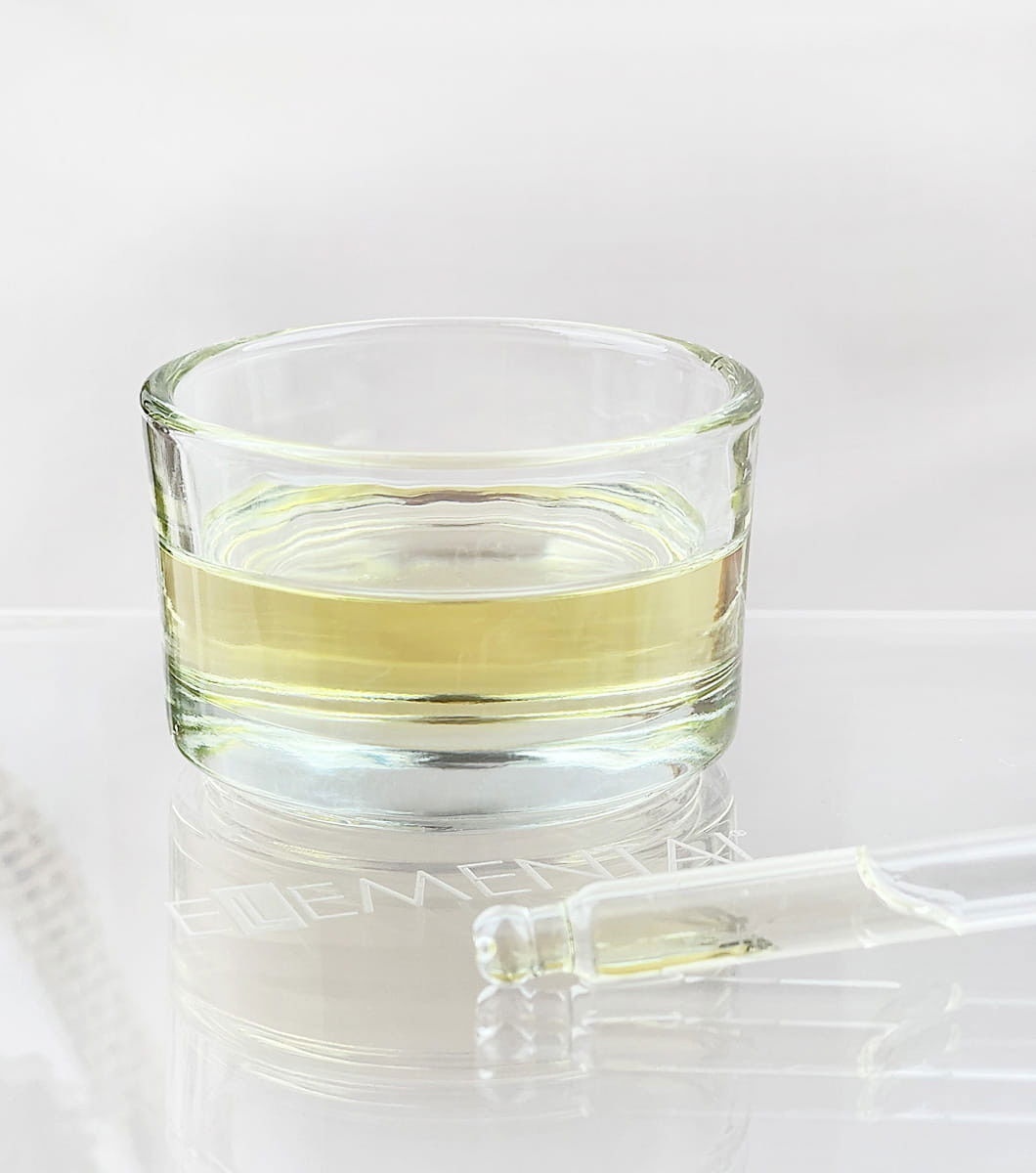
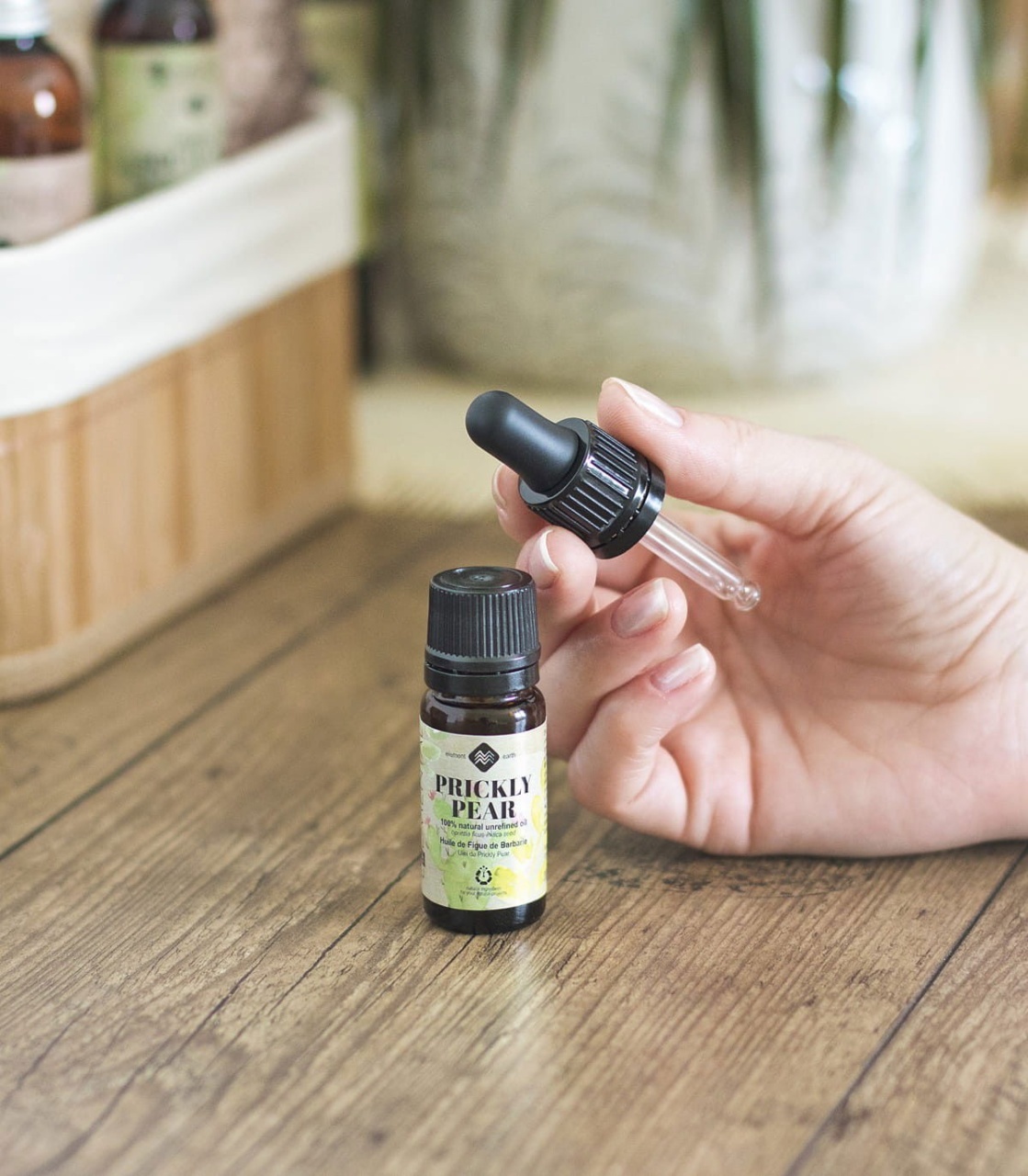
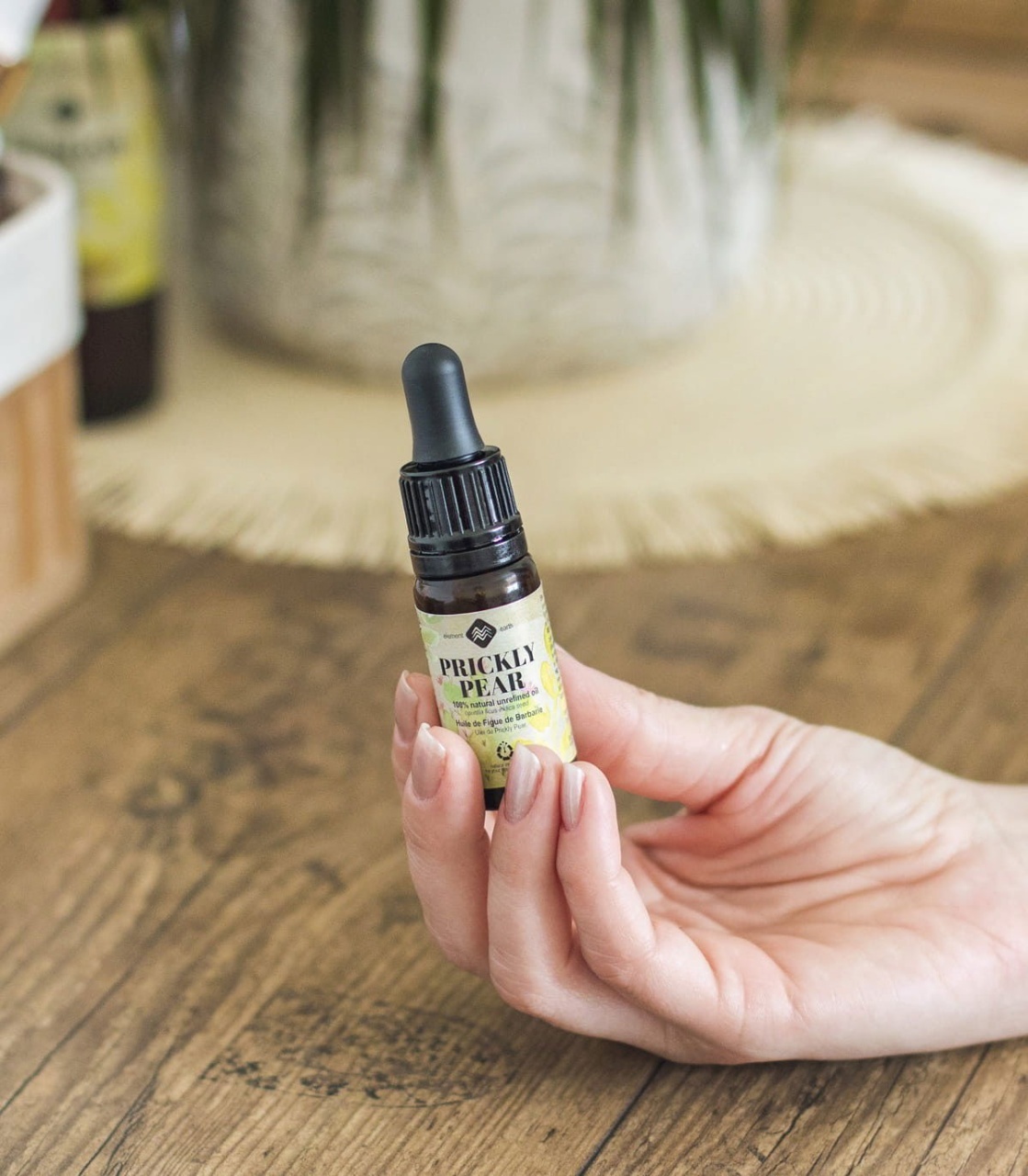
Prickly Pear seed Oil (Opuntia ficus-indica), also known as cactus or barbary fig oil, is valued for its ability to improve the overall appearance of the skin and restore its elasticity. It ranks among the most precious anti-aging oils. It is used in facial care as an intensely regenerating treatment, excelling in revitalizing tired, toneless skin, and caring for the delicate area around the eyes.
Its distinctive feature is its exceptional concentration of tocopherols (vitamin E) and rare phytosterols (campesterol, delta-7-stigmasterol), which exceed the concentrations found in common oils. The presence of vitamin K (phylloquinone) is documented in Prickly Pear oil and contributes to its anti-dark circles effect.
It is a truly rare and precious oil; to obtain a single liter of oil, cold-pressing hundreds of kilograms of the cactus fruit's tiny seeds is required, a laborious process that justifies its exclusive status.
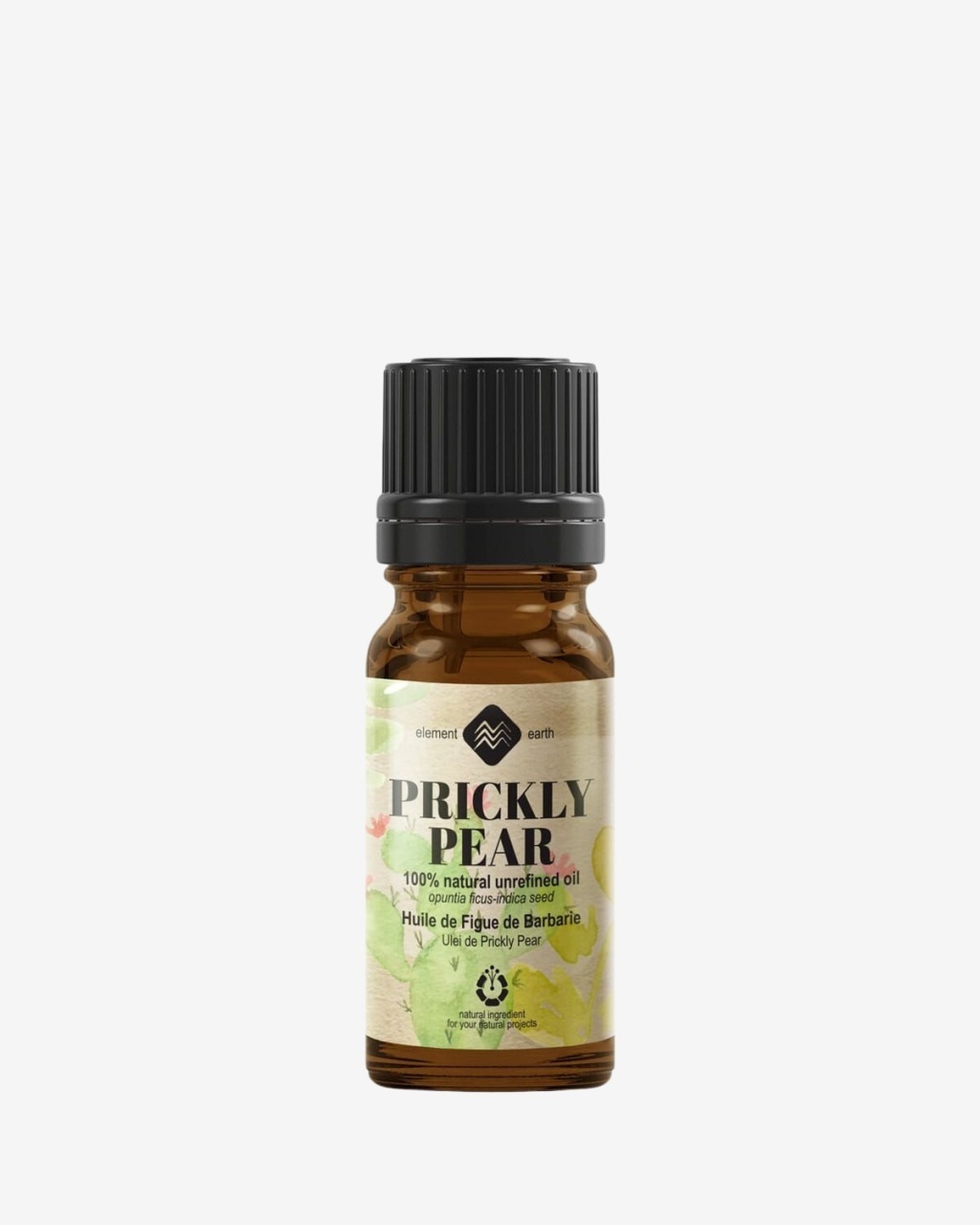
Ingredients: Opuntia Ficus-Indica Seed Oil
100% natural, free of preservatives, free of additives.
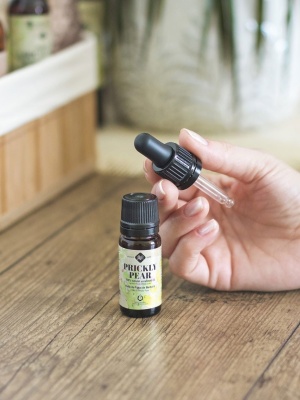
Prickly Pear is by excellence a facial oil. It integrates perfectly into the morning or evening routine, being ideal for direct application to the face, neck, and decolletage, or as an ingredient for various serums, creams, and treatments.
In anti-aging applications, it combines well with Pomegranate Seed Oil, Barbary Fig Oil, Vitamin C THDA, Schisandra Extract, Acmella In-tense, and Coenzyme Q10, completing the antioxidant and regenerating spectrum. On mature skin with scars or fine wrinkles, the association with Rosa Mosqueta Oil, Rosehip Extract, and Bakuchiol supports regeneration and the anti-wrinkle effect. As an eye area serum, it blends harmoniously with Rice Bran Oil, Coffee Oil, and Oat Oil.
At the body level, Prickly Pear is less commonly used due to its high price, but it can be included as an active ingredient in premium anti-aging body formulas.
For anti-aging body applications, it combines harmoniously with Marula Oil, Centella Asiatica Oil, Barbary Fig Oil, and Carrot Extract, completing the antioxidant, regenerating, and nourishing effect of the formula.
On hair, Prickly Pear can be included as an ingredient in premium hair serums, but it is not a primary choice for hair care.
As an antioxidant active in hair serums, the synergy with Amla Oil and Karanja Oil completes the regenerating, protective profile.
Why is it so expensive?
The cactus fruit contains tiny seeds with a low oil content. Hundreds of kilograms are required to obtain a single liter of oil. The pressing process is laborious, which explains both its price and its value, which are significantly superior to other vegetable oils.
I have combination skin. Will it clog my pores?
Prickly Pear seed oil has a low comedogenicity rating, making it well tolerated even by combination skin types.
Safety in use
Cosmetic product for external use only. Do not ingest. Avoid contact with eyes.
Storage, preservation
Keep the bottle closed, in a cool place, away from direct light.

Write a valid review and earn loyalty points worth €0.40