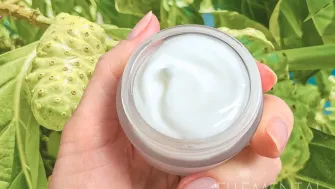
Formula: 45202 Difficulty Level: medium Shelf life: min 3 months Optimal pH: 5.5-6.0 Phase Ingredients Dosage % Total 50 g A Pure / distilled water 77.5 38.75 g A Glycerin 3 3.5 g A Xanthan Gum 0.5...
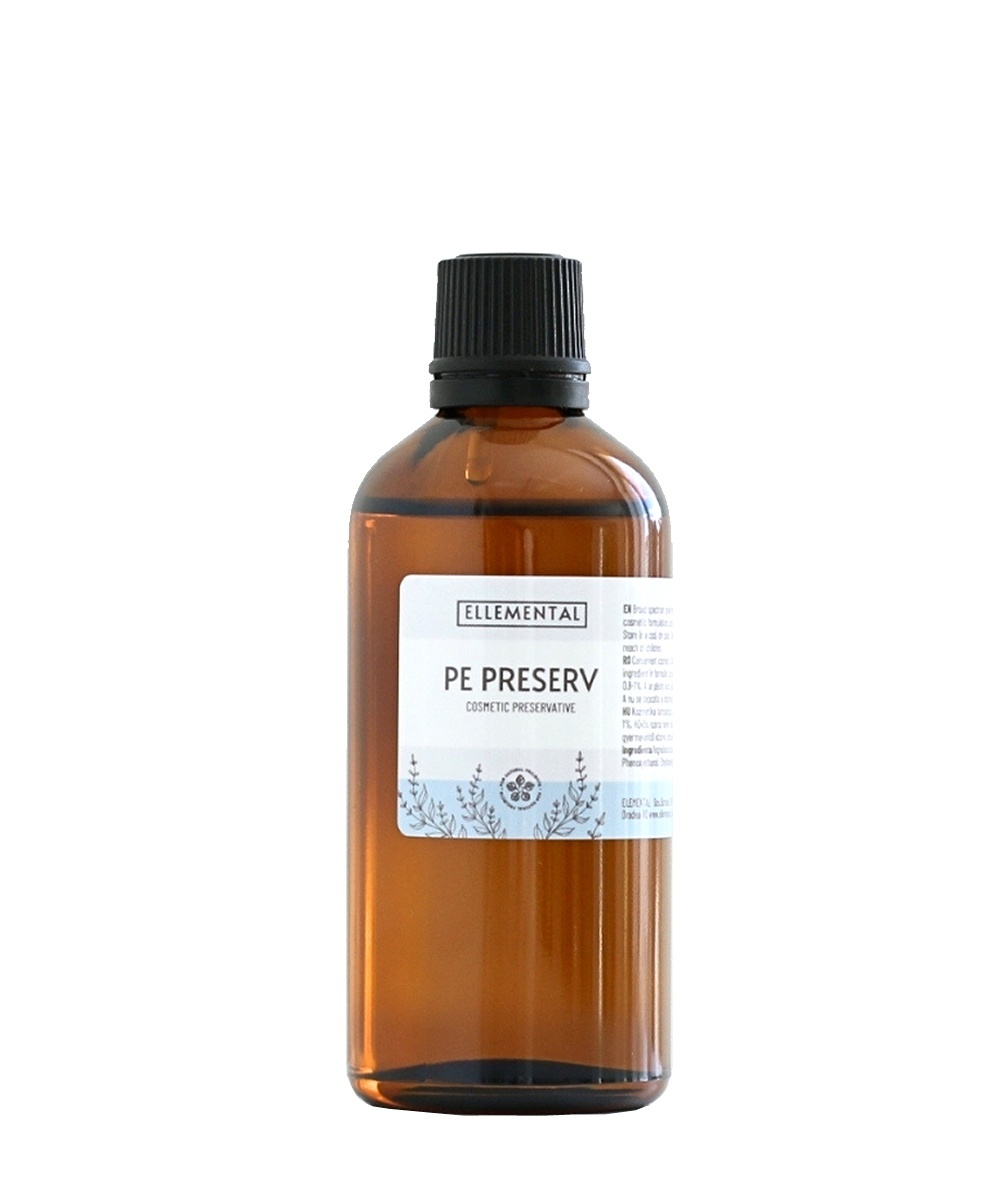
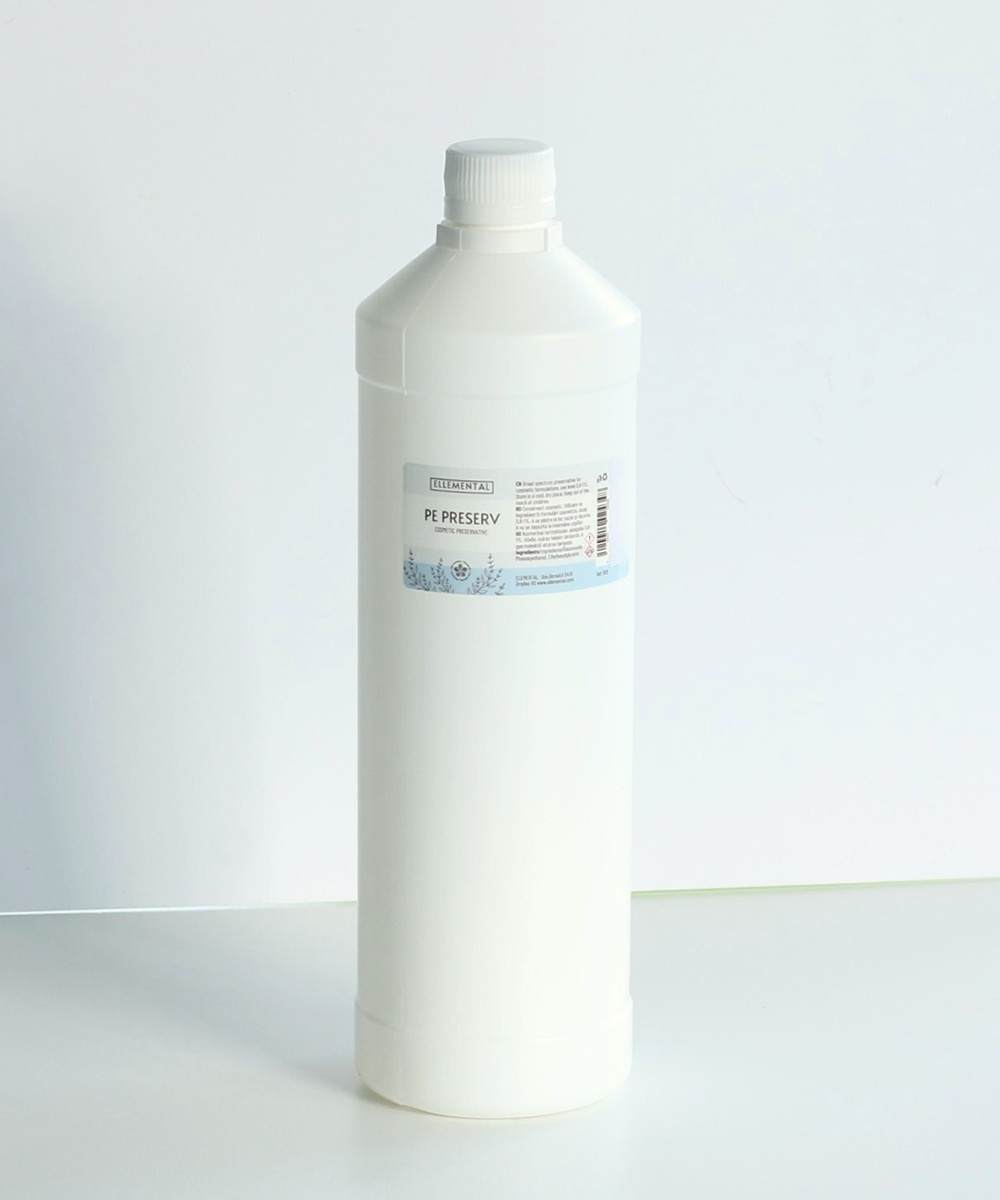
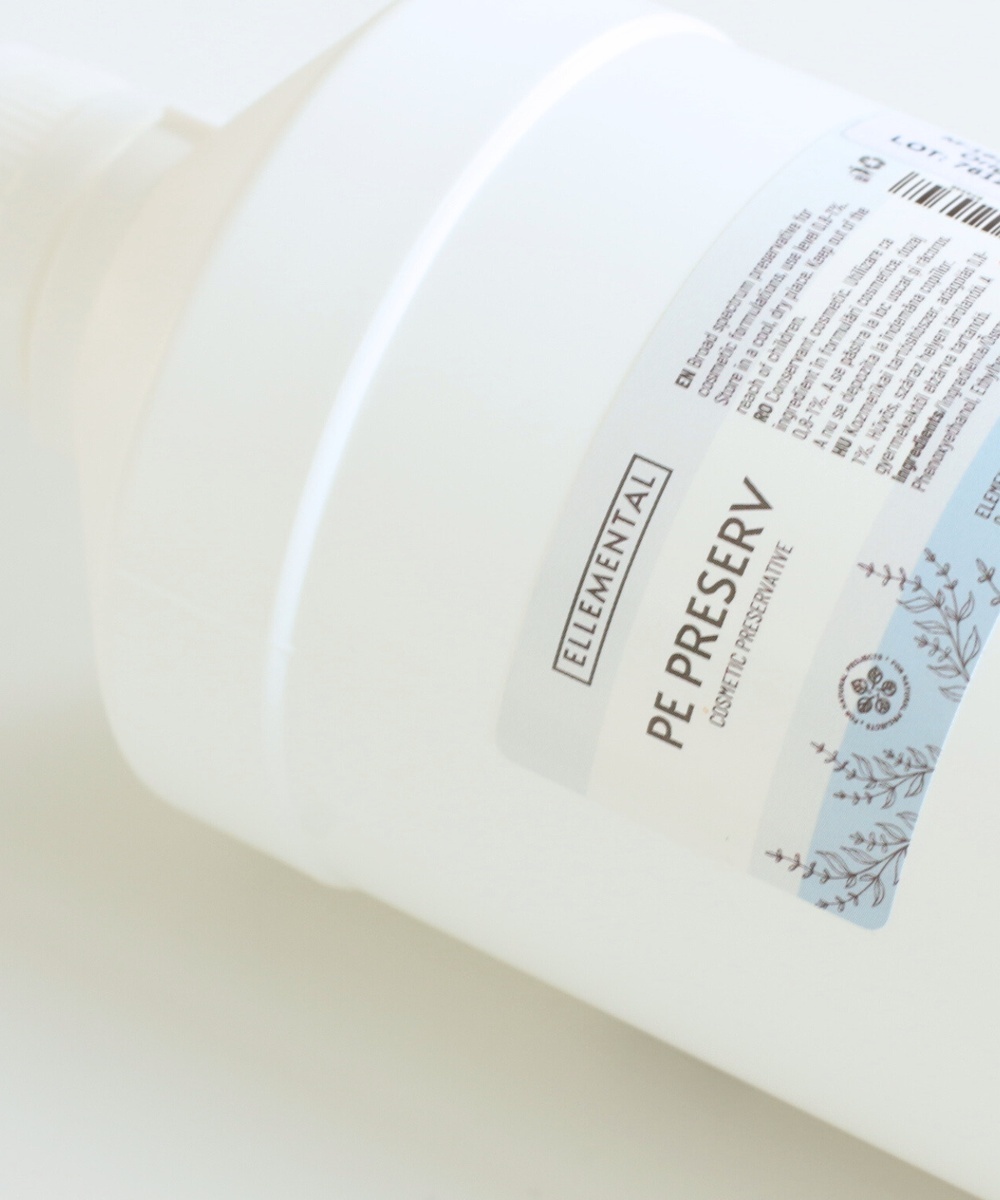
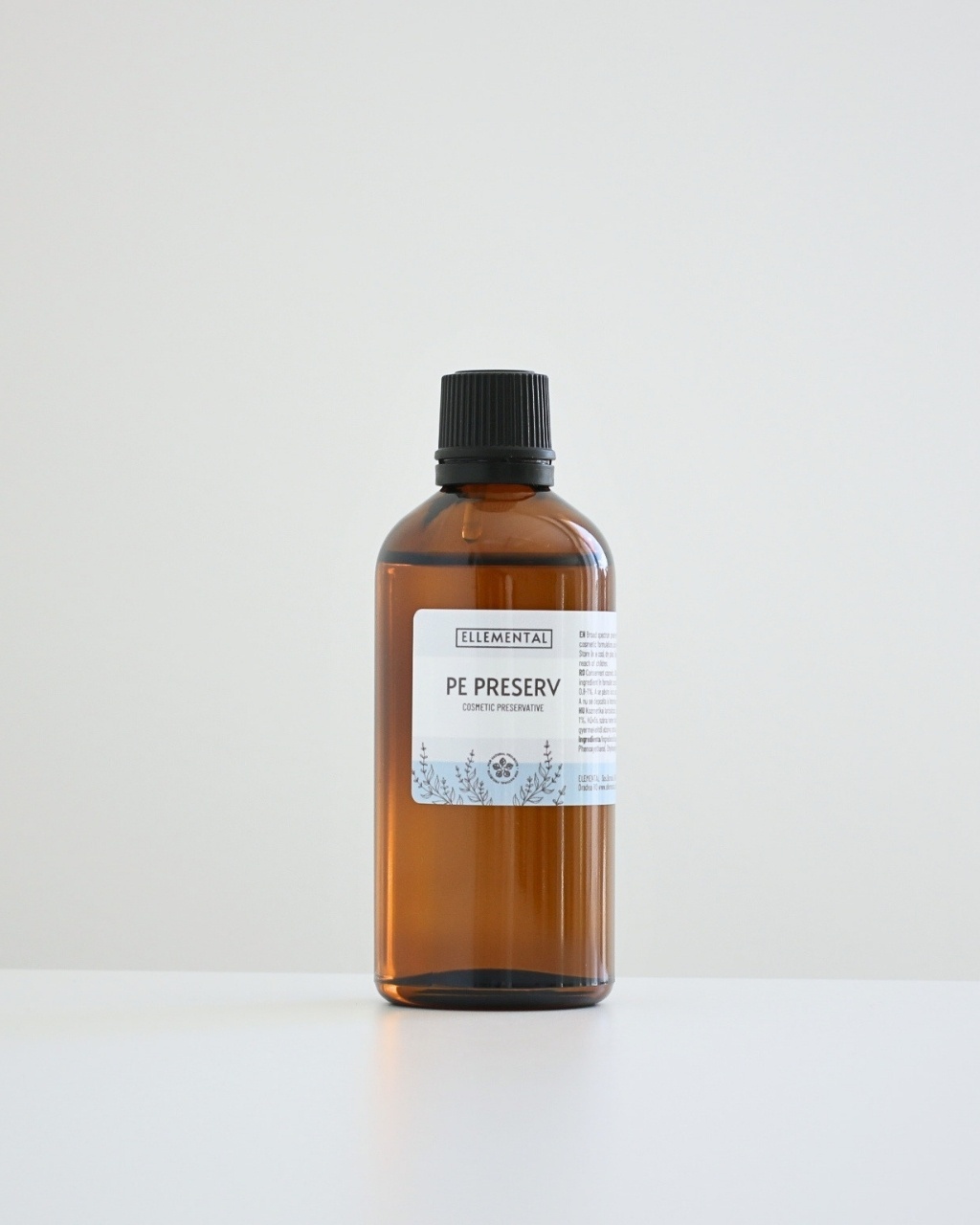
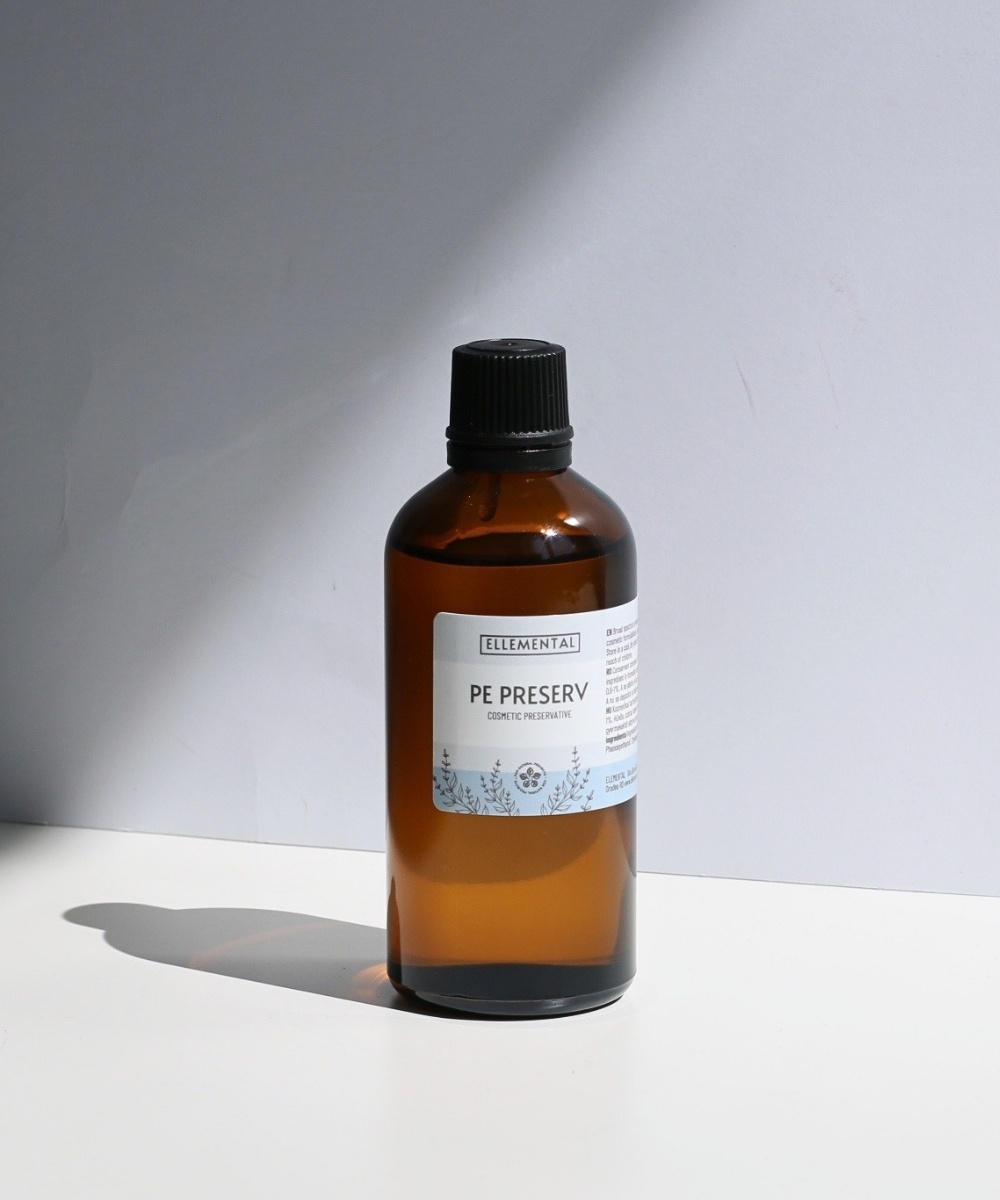
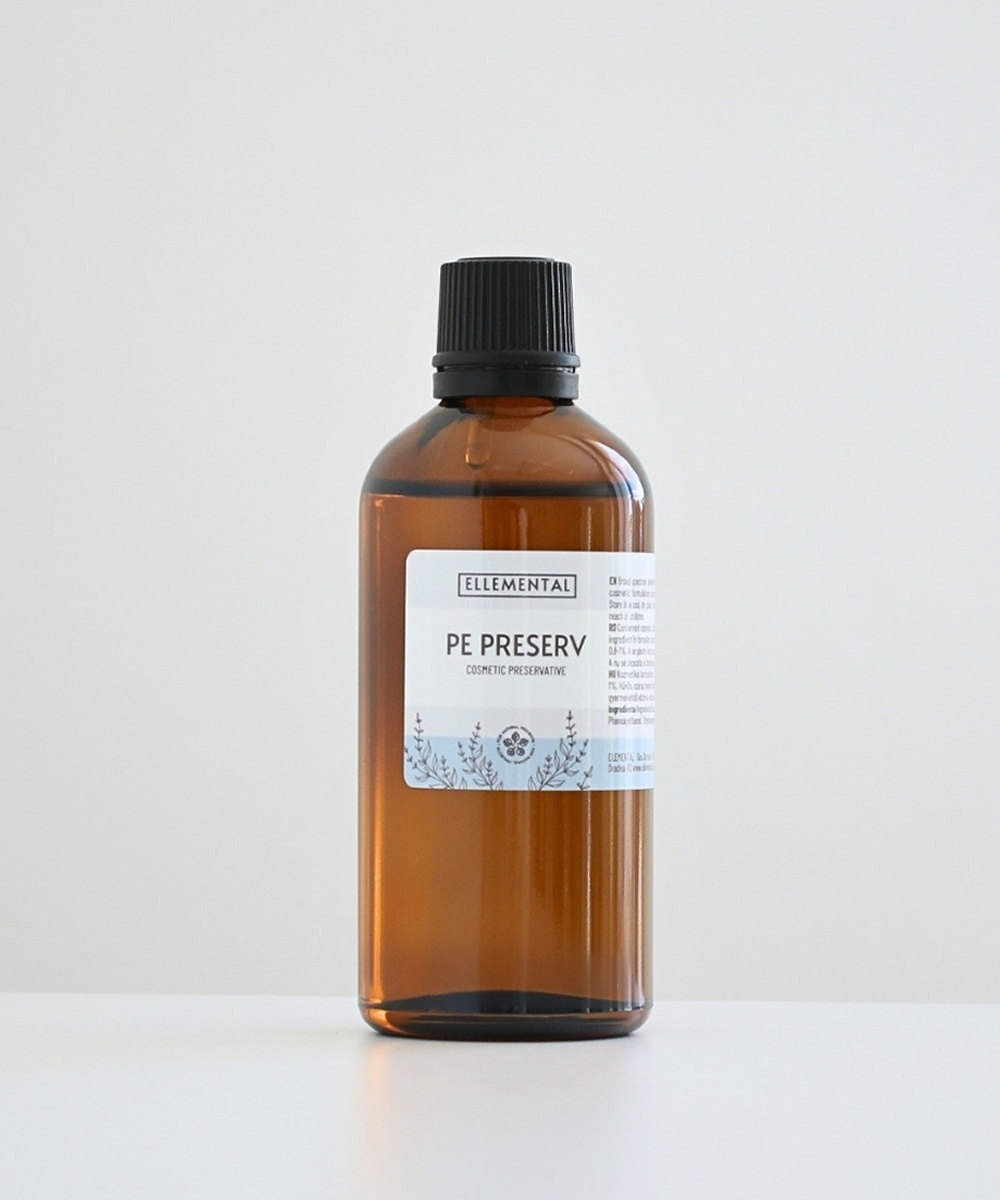
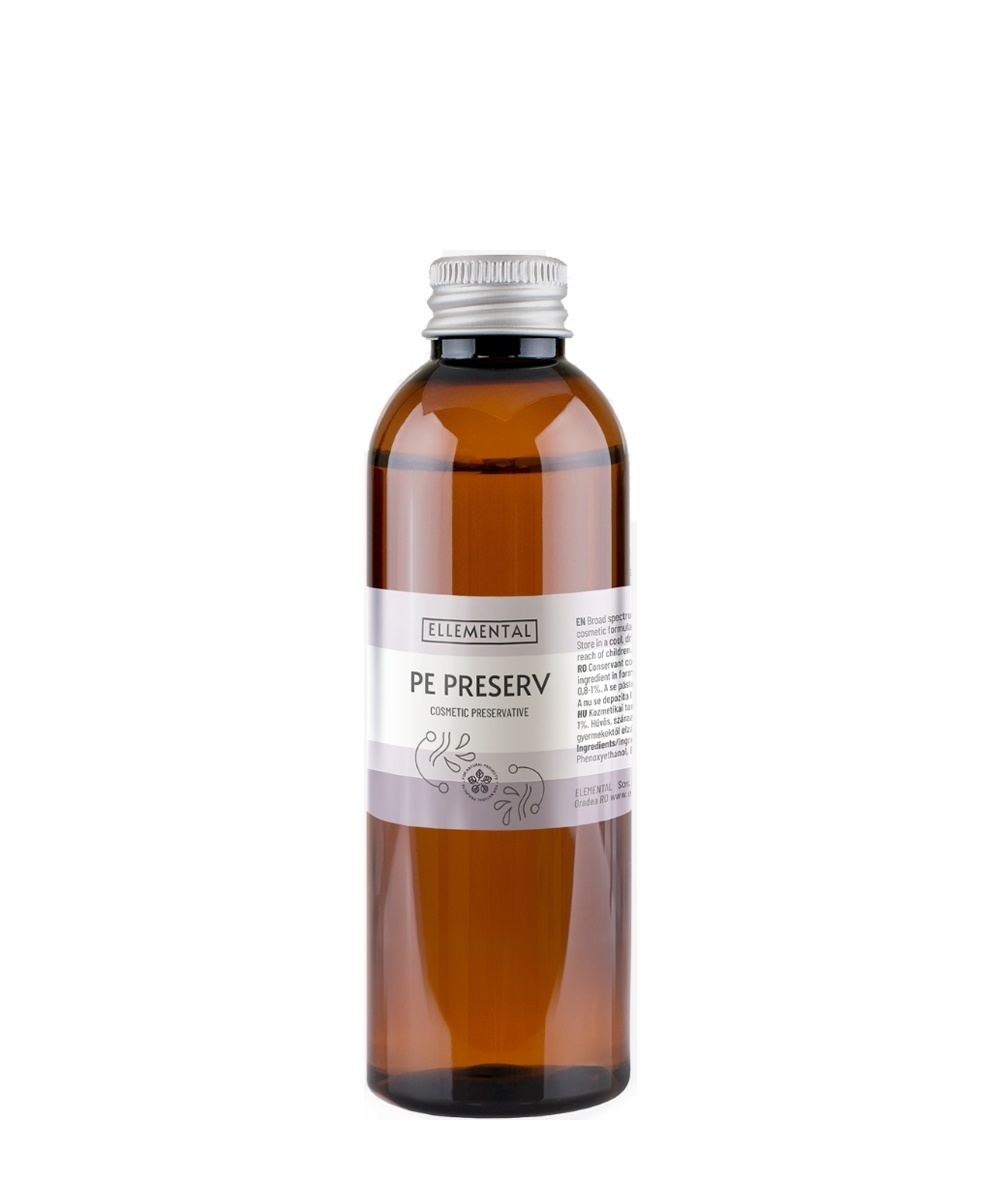
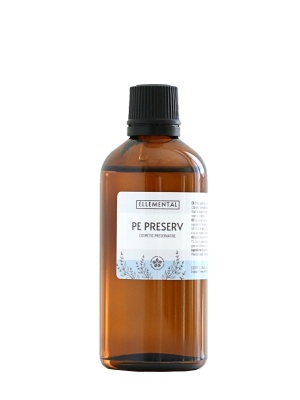
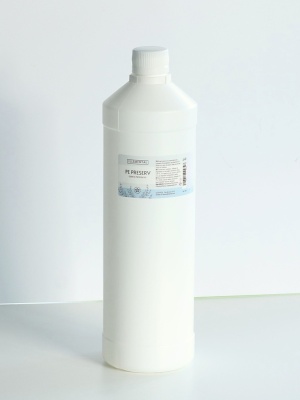
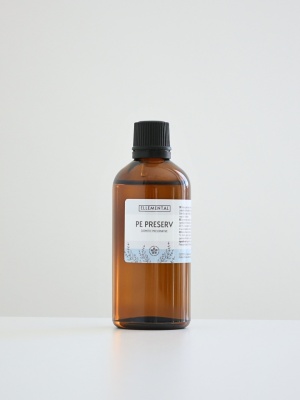
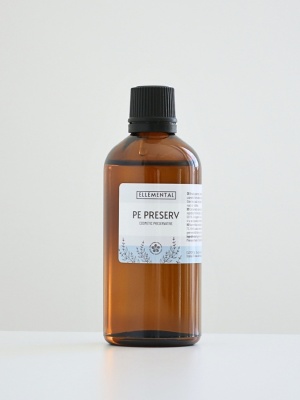
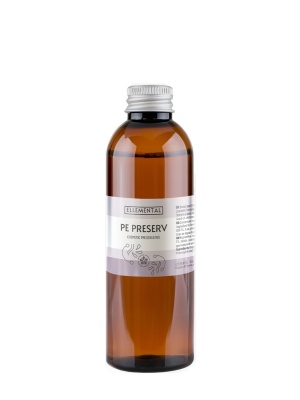
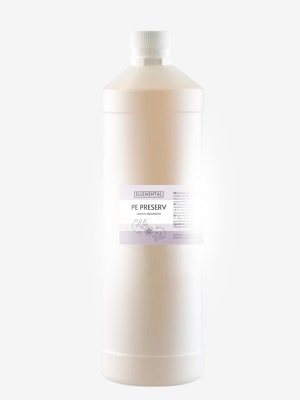
Preservative PE – High-Performance Microbiological Protection and Exceptional Stability
Preservative PE is a synergistic blend with a broad spectrum of antimicrobial efficacy, versatile, and designed to provide reliable protection for modern cosmetic products.
It is the ideal choice for formulators looking for an economical and reliable solution: a paraben-free preservative, without an unpleasant odor, stable at high temperatures, and independent of the finished product's pH.
Ingredients (INCI): Phenoxyethanol, Ethylhexylglycerin.
General recommended dosage: 0.8% – 1%.
In most formulations (creams, lotions, shampoos), a standard dosage of 1% ensures optimal long-term protection. The maximum legal limit in the EU for this blend is 1.1%.
It is suitable for use in face, body, hair care, and sun care formulations.
Why choose Preservative PE instead of Cosgard?
If there are sensitivity issues regarding benzyl alcohol (present in Cosgard and Cosgard 221) or if you wish to avoid the almond-like scent, Preservative PE is a good choice with no concerns regarding stability.
Does this product contain parabens or formaldehyde donors?
No. Preservative PE is a modern preservation system, specifically created to avoid controversial ingredients, offering a safe and globally accepted alternative.
Is it suitable for anhydrous (water-free) products?
Yes, it can be used in anhydrous products (such as scrubs, for example) to protect the product in case it accidentally comes into contact with water during use (e.g., in the shower).
Profile: Safe, biodegradable ingredient, positively evaluated by regulatory bodies (SCCS).
Precautions: Keep out of reach of children. Avoid direct contact with eyes in pure form (can cause severe eye irritation). Do not ingest. Respect the maximum dosage of 1.1%.
Storage: Store in the original packaging, at room temperature, away from direct light and moisture.
Technical documentation and information provided by the Manufacturer.
CosIng - European Commission Database for Cosmetic Substances and Ingredients.
International regulations regarding cosmetic ingredients.
Regulation (EC) No 1223/2009 on cosmetic products.


Write a valid review and earn loyalty points worth €0.40