


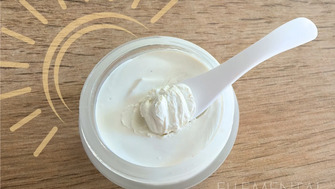
Formula: 47982 Level: advanced Shelf life: min 6 months Optimal pH: 5.5-7.0 Phase Ingredients Dosage % Total 125 g A SuperSol Mineral Filter 25 50 g A Dicaprylyl carbonate 20 25 g A Ovem Wax 7 8.75 g...
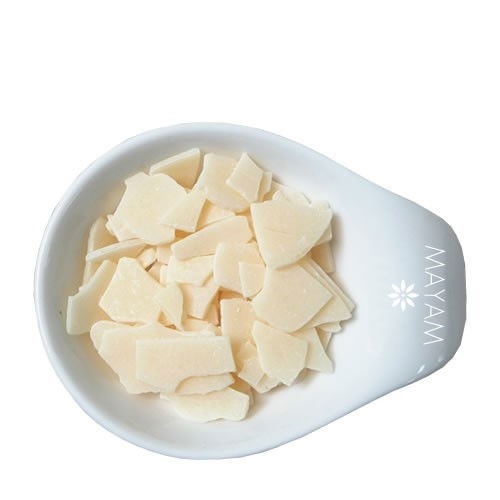
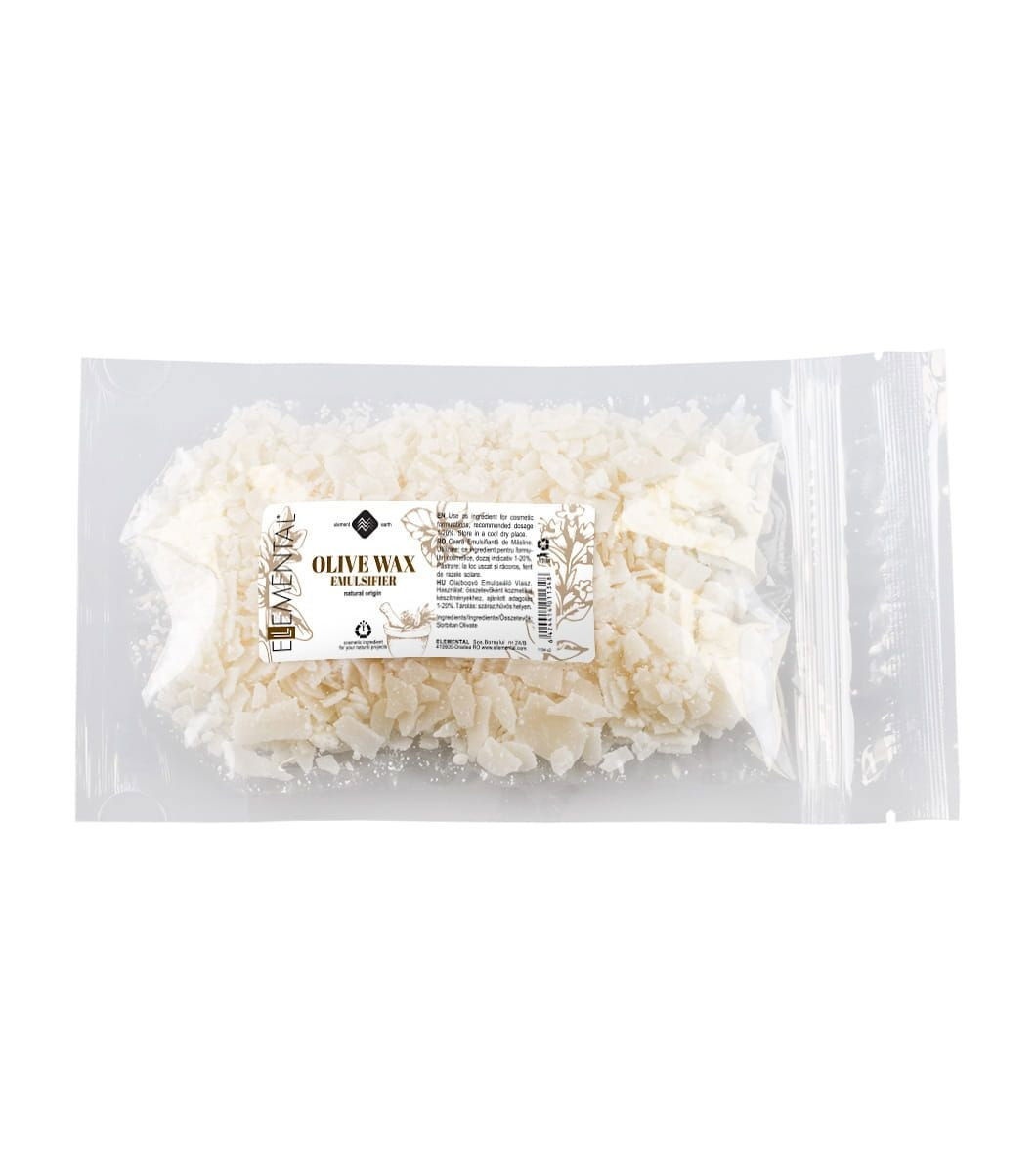
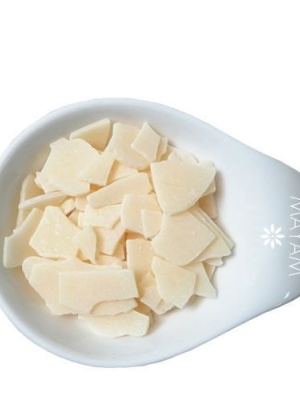
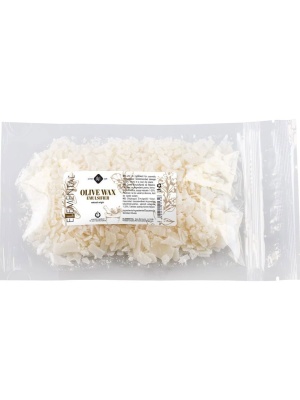
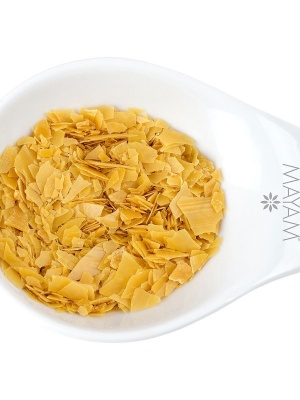
Ovem Wax – W/O Emulsifier, Multifunctional
Ovem Wax derived from olive oil fatty acids, is used to create Water-in-Oil (W/O) emulsions or as a texturizing agent and co-emulsifier in Oil-in-Water (O/W) formulas. Its structure imparts a high affinity for lipids and mineral powders, making it an excellent dispersing agent for pigments and sunscreen filters, while providing emulsions with pronounced hydrophobic barrier properties, long-lasting emolliency, and water resistance.
It exhibits high biocompatibility with human sebum lipids. The film formed on the epidermal surface is non-occlusive, yet significantly reduces transepidermal water loss (TEWL), restoring skin flexibility. It brings multifunctional benefits as a powder and pigment dispersant, lipogel agent, water-resistance additive, and functional lipid.
Former name: Olive Emulsifying Wax
Ingredients (INCI): Sorbitan Olivate.
Why did the water completely separate from the oil as soon as I stopped the mixer?
This issue occurs due to three common causes: either the water phase was poured too quickly, the stabilizing salt was omitted from the water phase, or there was insufficient mixing. W/O emulsions require high mechanical shear to break water into stable microdroplets inside the oil. Restart the process by pouring the water phase slowly, drop by drop, under maximum mixing.
Can I use this wax to obtain a light, fast-absorbing moisturizing cream?
It is not recommended as a primary emulsifier for this purpose. Due to its low HLB, it forms emulsions where the oil is on the outside. These creams natively have a rich, greasy, protective texture that absorbs slowly and leaves a hydrophobic film, making them ideal for night use or very dry skin. If you want a light day cream (O/W type), use hydrophilic emulsifiers like Olliva, Liqua, Moncrem 202, Vegemuls, or Bella, and use this wax only in small percentages as a co-emulsifier and multifunctional emollient.
Safety Profile: Safe raw material with good dermatological tolerance.
Precautions: For external cosmetic use only.
Storage: In a closed container, in a dry and cool place.

Write a valid review and earn loyalty points worth €0.40