


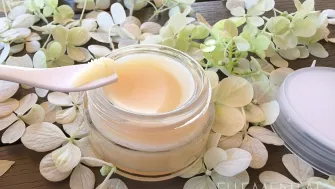
Candelilla wax
Description
Candelilla Wax – Consistency Agent, Vegan Structuring Agent
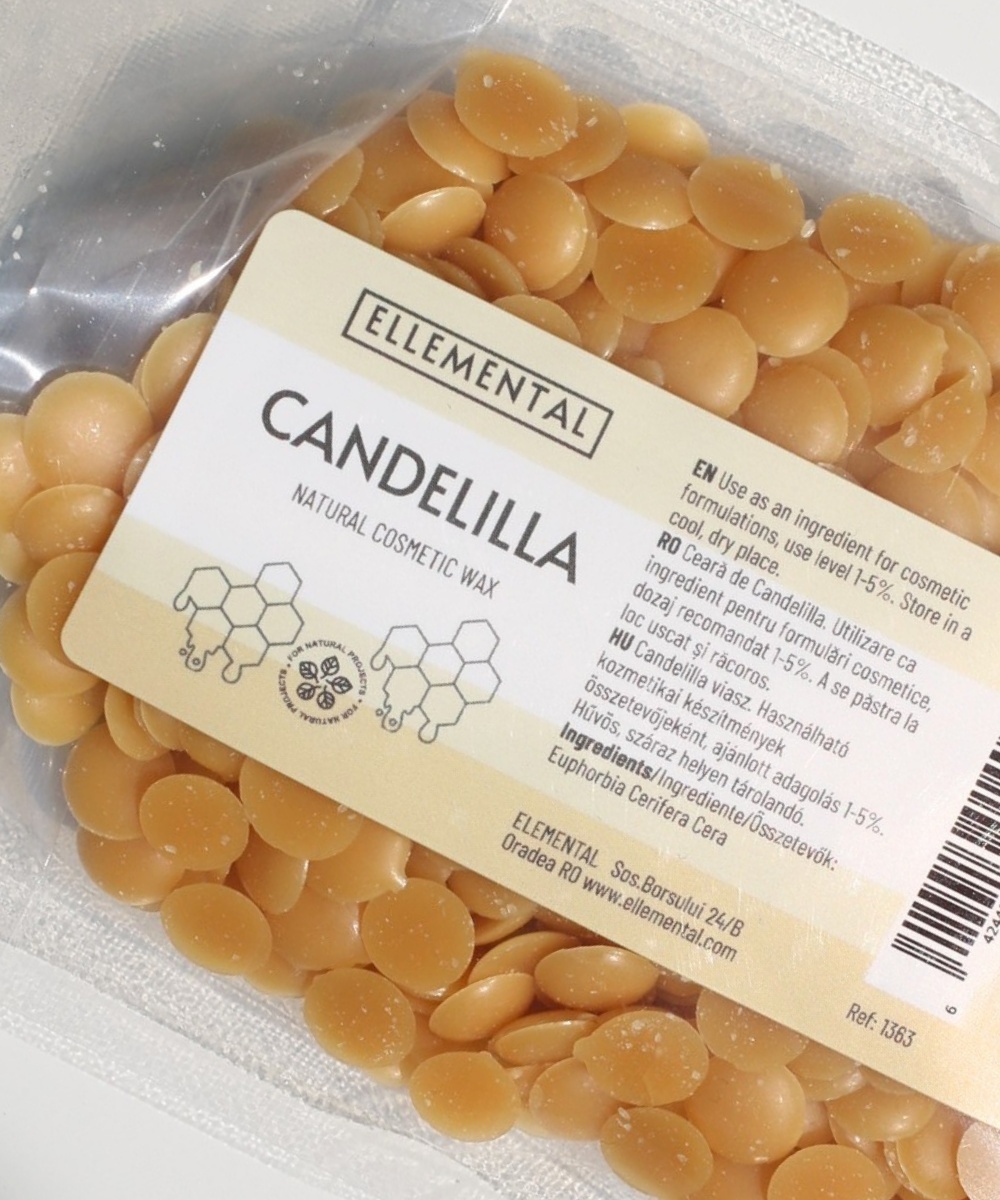
Candelilla Wax is a natural plant-derived wax that functions as a rigid texturizing agent, phase stabilizer, and protective skin barrier. Due to its high melting point and dense molecular structure, candelilla wax is widely used as a 100% vegan alternative to beeswax, providing solid products with superior viscosity, a glossier finish, and high thermal resistance.
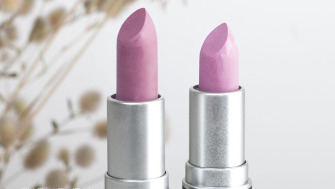
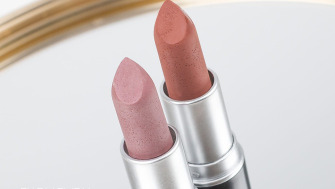
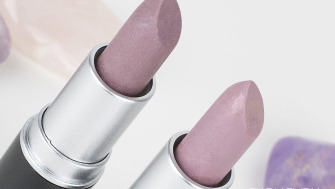
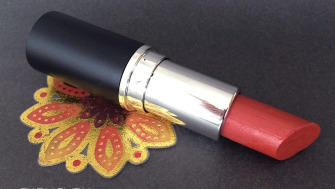
It is used in numerous cosmetic applications, such as creams and lipsticks, traditionally employed to harden and solidify stick formulas, as well as a stabilizing agent in W/O emulsions.
Ingredients (INCI): Euphorbia Cerifera Cera.
Technical Characteristics
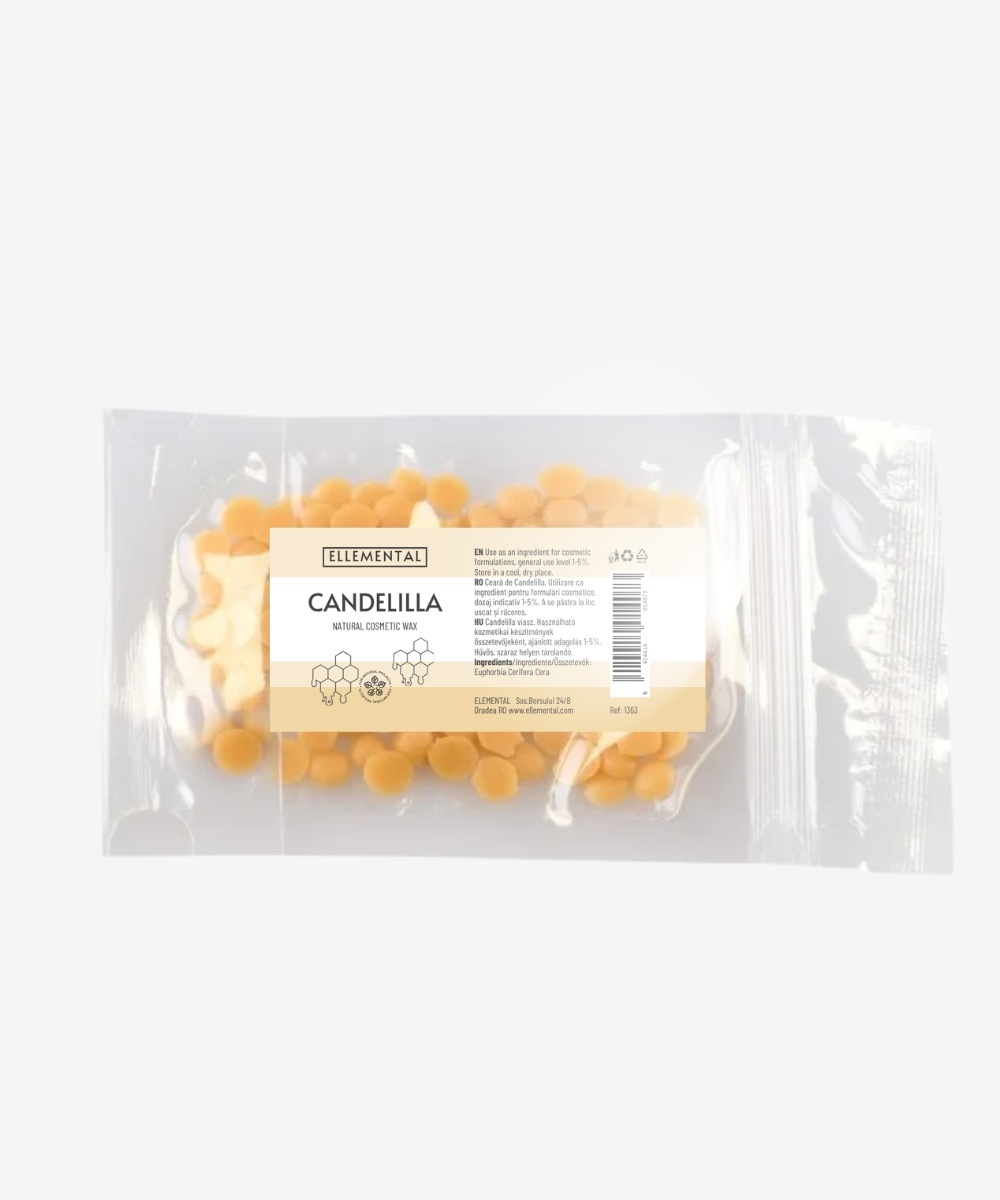
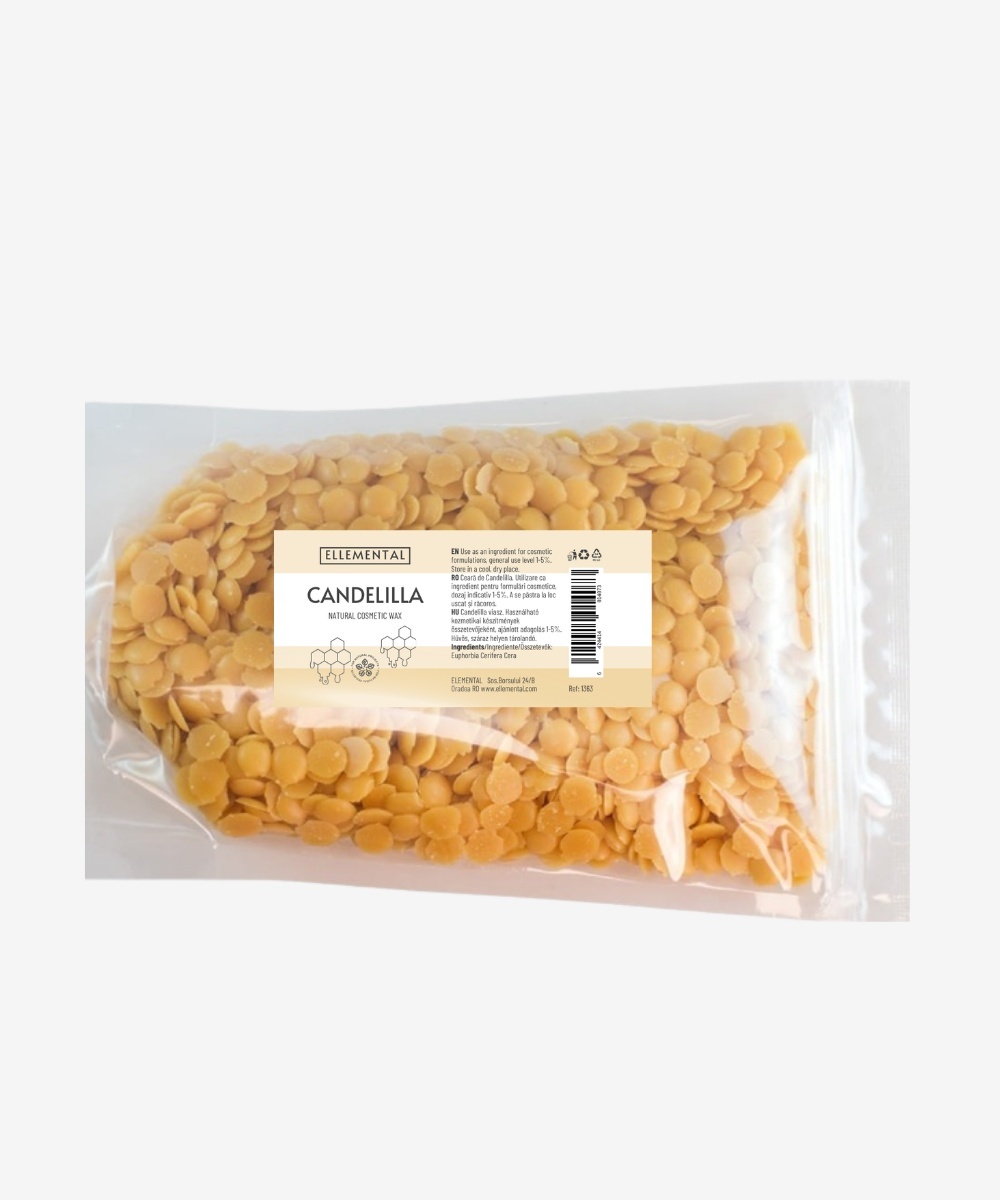
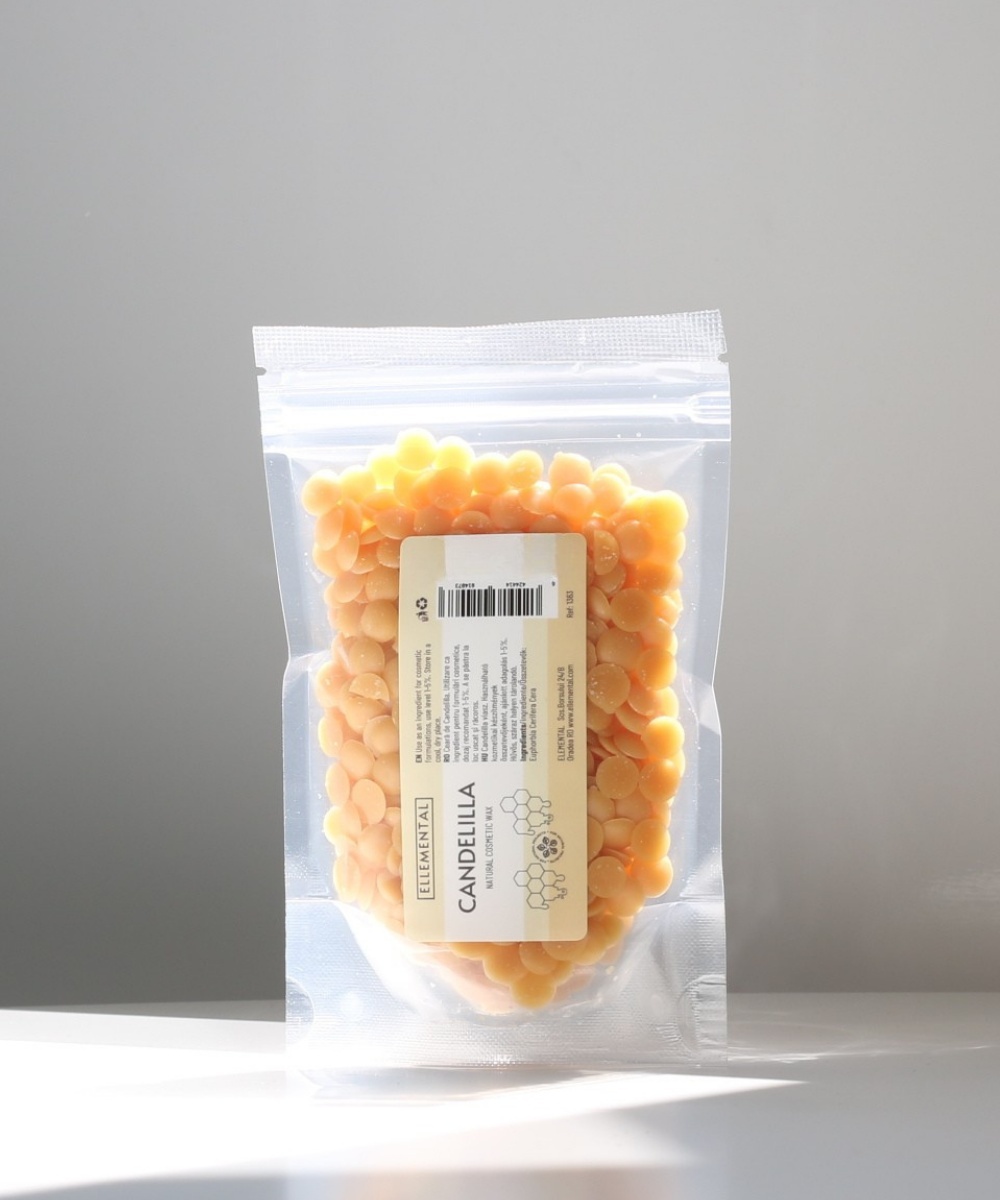
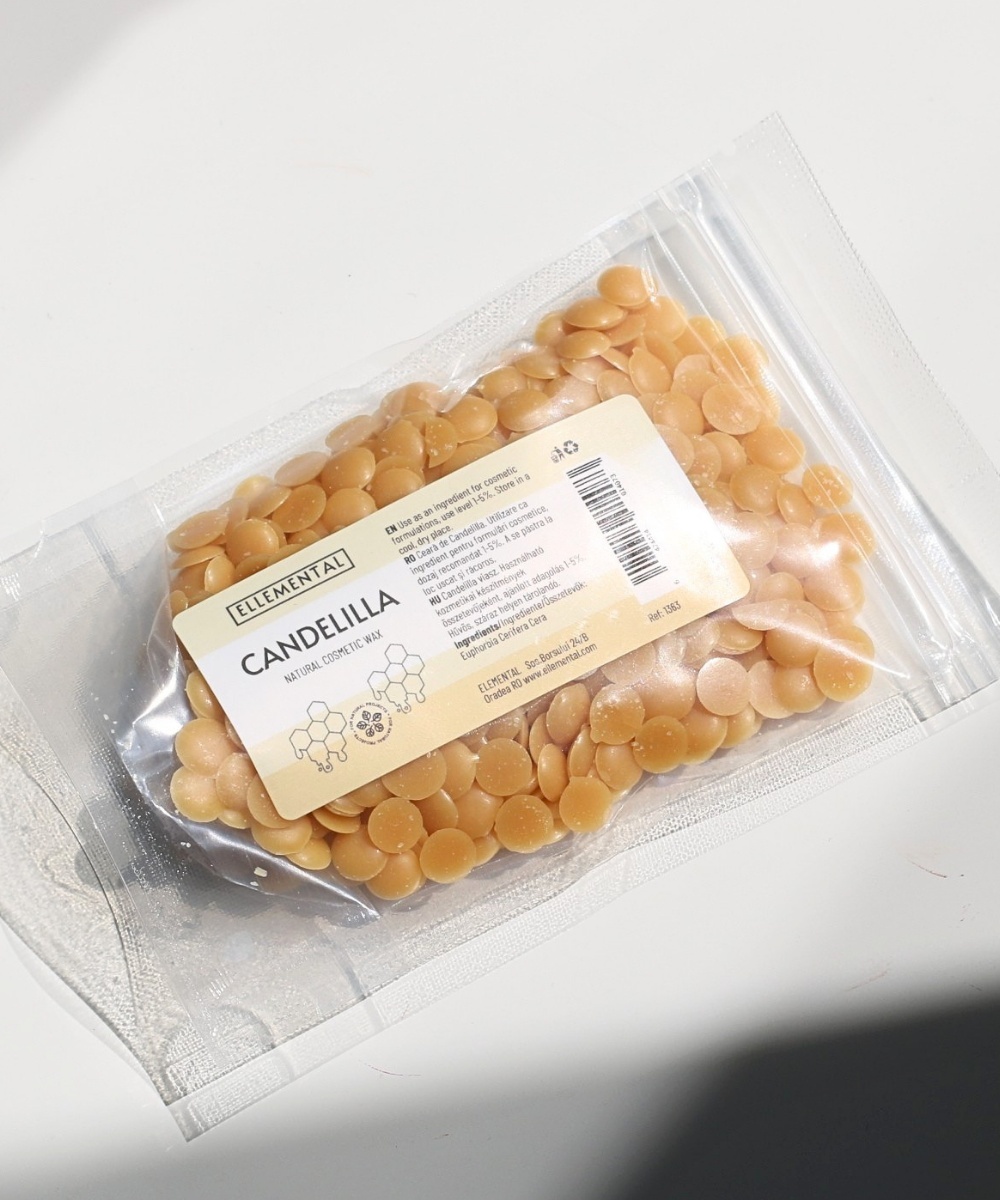
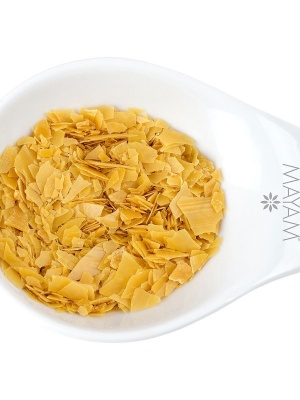
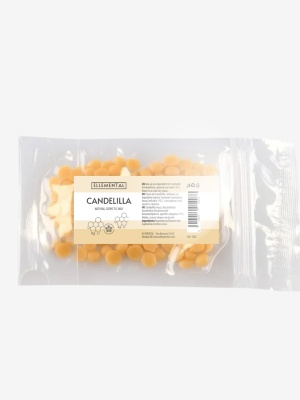
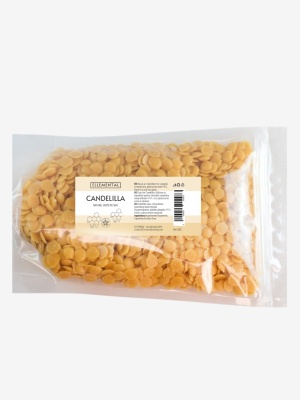
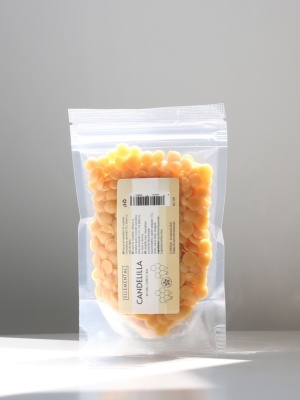
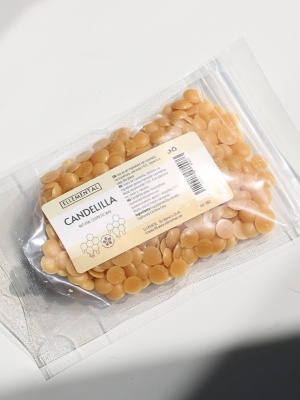
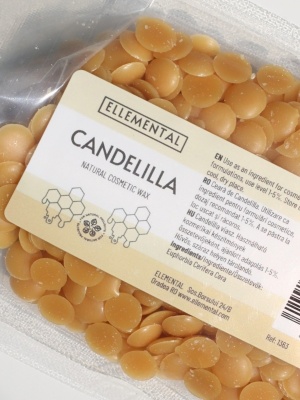
- Appearance: Yellowish pellets, with a delicate, characteristic odor.
- Melting point: Above 65°C, ensures the structural stability of solid products exposed to ambient thermal variations.
- Solubility: Soluble upon heating in vegetable oils, fatty butters, and cosmetic esters.
- Cosmetic function: Consistency agent, structuring agent for anhydrous systems, protective film-forming agent, vegan beeswax substitute, gloss optimizer.
- Recommended usage dosage: 1% - 5% as a stabilizer and texturizing agent in emulsions (creams); 5% - 20% in balms, lipsticks, ointments, or solid sticks.
Main Properties
- Rigidification, High Hardness: Provides superior strength to lipid mixtures, making it ideal for creating thin sticks that will not deform or break under application pressure. Imparts water resistance to preparations.
- Gloss Effect: Unlike other natural waxes that can opacify a mixture, candelilla provides a glossy finish to solid surfaces and lipsticks, enhancing light reflection on mucous membranes.
- Fine Protective Film: Forms a non-occlusive, hydrophobic physical barrier on the surface of the epidermis, reducing transepidermal water loss (TEWL) and protecting lips or skin from dehydration.
- Optimal Shrinkage: Exhibits optimal volumetric shrinkage during the cooling phase, facilitating easy release of lipsticks or sticks from pouring molds.
Applications
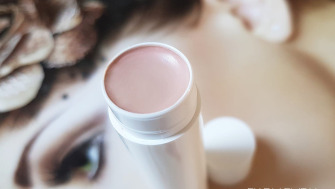
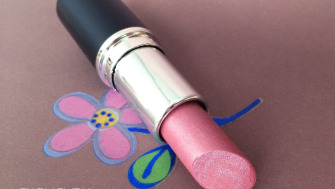
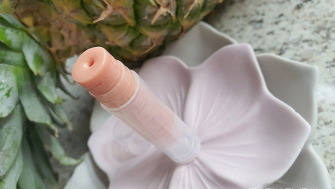
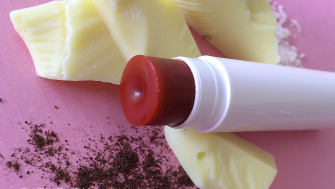
- Vegan solid lipsticks, tinted lip balms, and compact glosses.
- Stick deodorants, solid body balms.
- Hair pomades, hair styling wax, and beard grooming products.
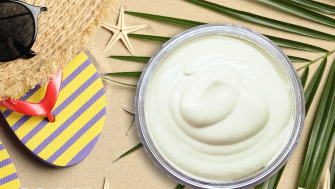
- Dense protective creams designed for very dry skin or skin exposed to winter conditions.
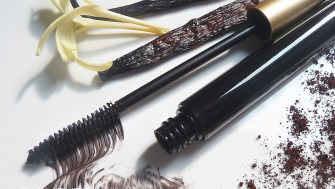
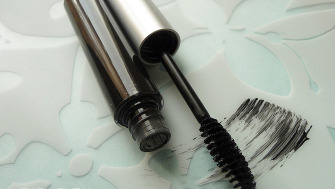
- Mascara and eye makeup products (solid pencils, oil-based creamy shadows).
Formulation Guide and Synergies
The high melting point of candelilla wax requires heat and adherence to technical guidelines to ensure homogeneous melting and prevent brittle textures:
- Procedure: Candelilla wax should be added to the oil phase and heated to approximately 75°C until completely melted and clear before combining with the aqueous phase or pouring into containers.
- Balancing Hardness in Formulas: Because it is a harder and more brittle wax than beeswax, direct replacement at the same proportion may result in rigid, glassy final products. It is recommended to reduce the dosage by up to half compared to the originally intended amount of beeswax and compensate the difference with soft butters to maintain texture elasticity.
- Synergies:
- Glossy Vegan Lipstick: Combines with Gloss Base and Ricin Oil with optimized pigment dispersion, producing a durable, glossy stick.
- Vegan Deodorant Stick: Combines with plant butters and Caprilis Oil to achieve a heat-stable solid structure suitable for pouring natural deodorants.
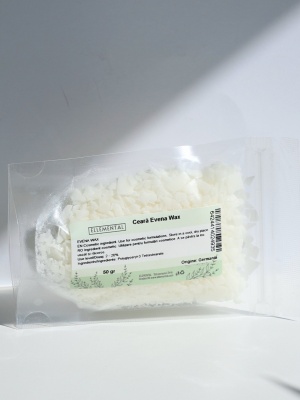
- Smooth-Melting Balm: Pairs in low percentages (1% - 2%) with Butter-Perlen, Evena Wax, and Shea Butter to obtain a solid balm that melts pleasantly upon skin contact.
Frequently Asked Questions (FAQ)
How should I adjust the dosage if I want to replace beeswax with candelilla wax in a lip balm recipe?
Candelilla wax has a compact crystalline structure and a higher melting point than beeswax. If a recipe calls for 10% beeswax and you use 10% candelilla, the balm will turn out excessively hard, rigid, and difficult to glide across the lips. As a general rule, use roughly half the amount and fill out the rest of the formula with esters, soft wax, or creamy butters to maintain an unctuous texture.
Why do small streaks appear or why does the lipstick surface look uneven after solidifying in the tube?
This behavior is a direct consequence of an extremely slow cooling process or occurs when pouring at a temperature too close to its solidification point, causing the wax to crystallize rapidly in uneven layers. To achieve a smooth, glossy surface, pouring must be done quickly while the mixture is completely fluid and hot, followed by uniform cooling of the tubes at room temperature.
Safety in Use and Storage
Profile: Raw material of botanical origin, safe for cosmetic use, approved for products intended for application on the lip mucosa (minimal accidental ingestion poses no risks).
Precautions: For external cosmetic use only.
Storage: In a closed container, in a dry place at room temperature (15 - 25°C).
Details
Related Recipes and Articles
You'll like these too
Reviews
Write a valid review and earn loyalty points worth €0.40