




Carnauba wax
Description
Carnauba Wax – High-Hardness Lipophilic Structuring Agent, Shine Agent, Thermal Stabilizer
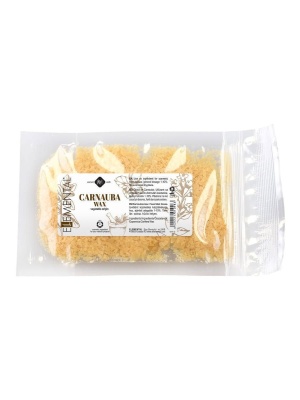
Carnauba Wax is a natural plant wax with a high melting point and structural hardness. It functions as a lipophilic rheology modifier, consistency agent, and shine enhancer, widely used especially in solid makeup products to impart superior resistance to high ambient temperatures and a brilliant, non-greasy finish.
Ingredients (INCI): Copernicia Cerifera Cera.
Technical Characteristics
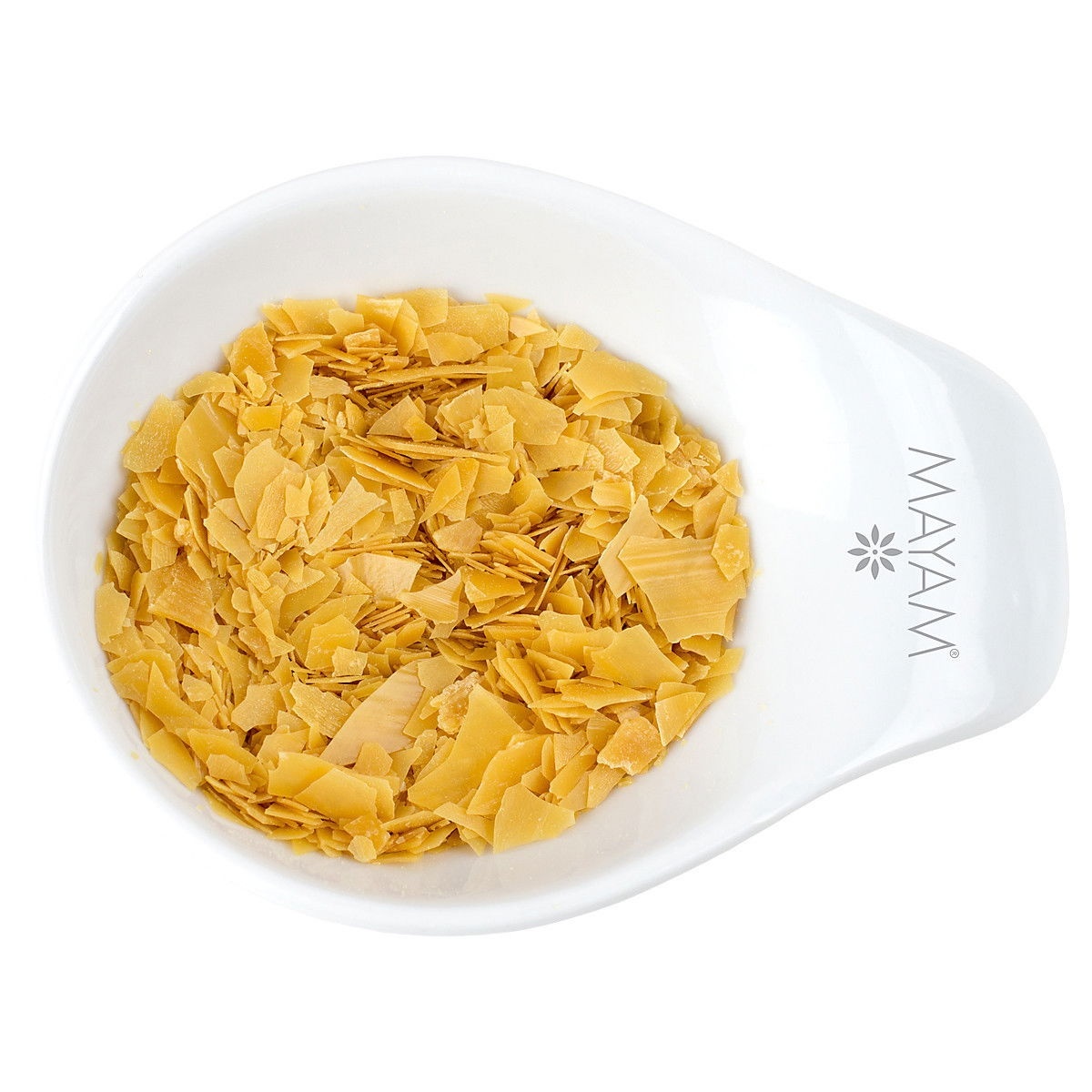
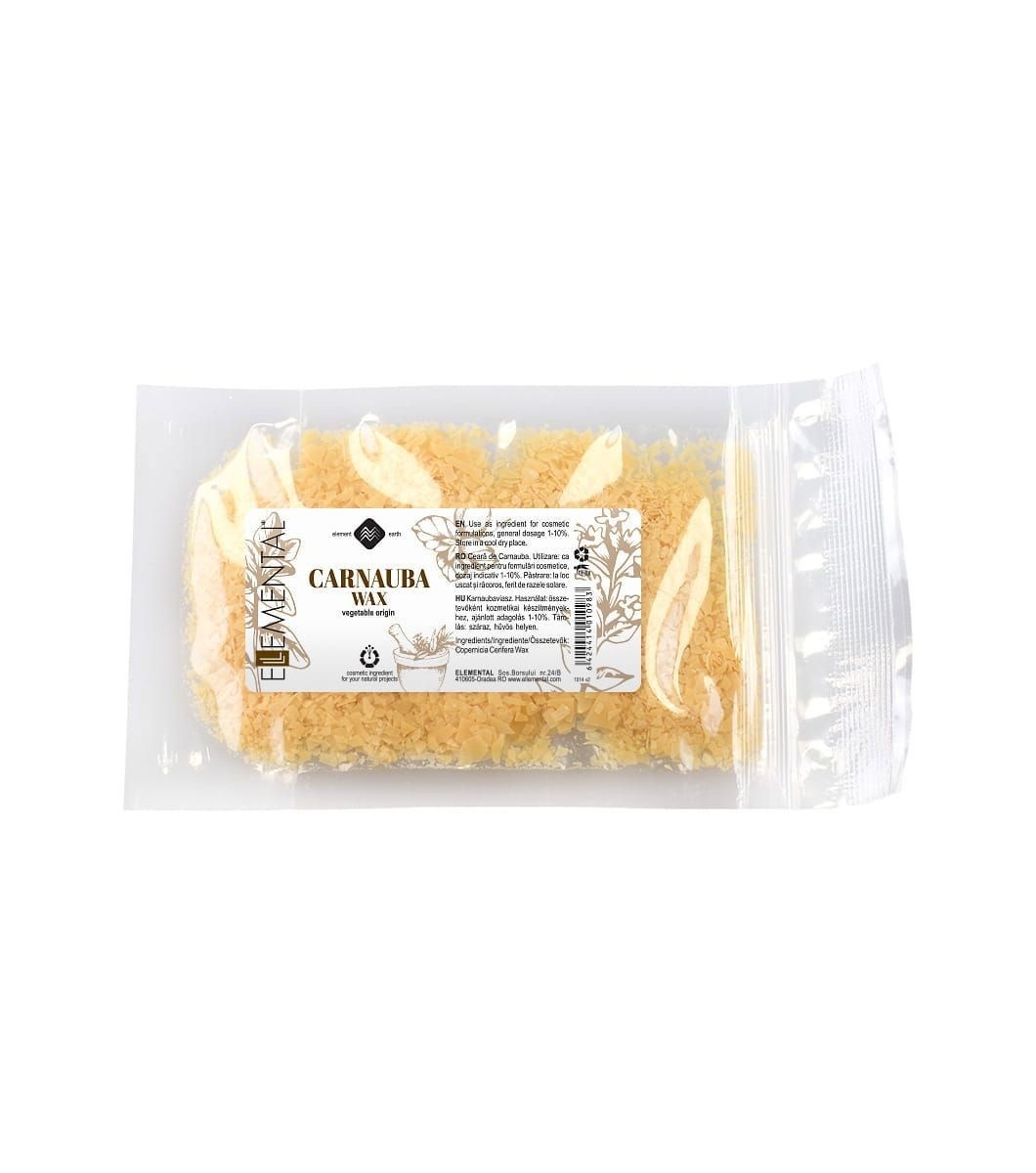
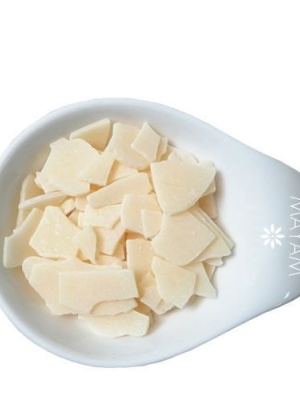
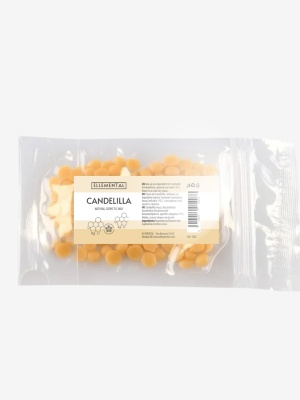
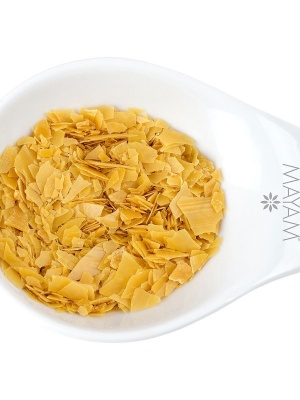
- Appearance: Yellowish pellets, subtle characteristic odor.
- Melting Point: Above 80°C.
- Solubility: Soluble upon heating at high temperatures in vegetable oils, fatty butters, and cosmetic esters.
- Cosmetic Function: Consistency agent, rigid structuring agent for anhydrous systems, shine enhancer, film-forming agent.
- Indicative Dosage: 1% - 10%.
Main Properties
- Rigidifying and Thermal Resistance: Provides a solid structure to lipid mixtures, preventing the liquefaction or deformation of sticks even under high ambient temperature conditions.
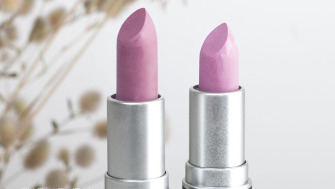
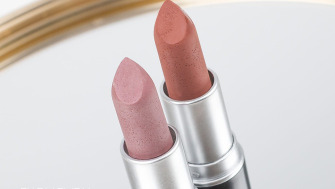
- Optical Shine: Imparts superior shine and a smooth texture, optimizing the aesthetic finish of lipsticks and makeup products.
- Molding and Demolding: Exhibits pronounced shrinkage during the cooling phase, a property that facilitates the release of solid sticks from production molds without damaging their micro-relief.
- Film-Forming, Water-Repellent: Forms a thin, hydrophobic, transfer-resistant film, useful in makeup products, protective creams, and sunscreens.
Applications
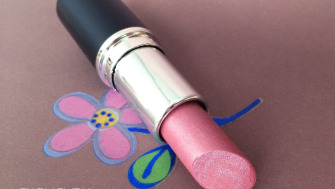
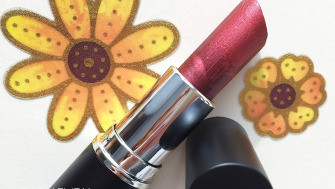
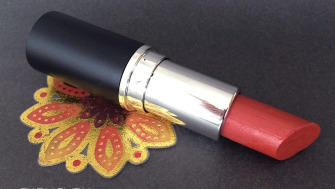
- High-definition solid lipsticks and heat-resistant lip sticks.
- Mascara, eyeliner, as a structural and water-resistance agent.
- Solid stick deodorants.
- Solid hair balms, fixing pomades, and styling waxes for hair or beard.
- Compact makeup products, solid foundations, concealers, creamy eye shadows.
Formulation Guide
- Procedure: Carnauba wax requires a high melting temperature. Add to the oil phase and heat to approximately 85°C until fully liquefied and the mixture turns clear, before combining with the warm aqueous phase or pouring.
- Avoiding Brittleness: Due to its hardness, using carnauba wax as the sole structuring agent can result in a fragile, brittle final product that breaks easily during application. Combining it with more elastic waxes, esters, and vegetable butters is recommended.
- Recommended Usage Dosage: 1% - 10%. Add between 1% and 3% as a texturizing agent in creams, and over 3% in balms, lipsticks, mascaras, or solid sticks.
Frequently Asked Questions (FAQ)
Can beeswax be replaced with carnauba wax 1:1 in a formula?
Carnauba wax has a much higher melting point and a considerably harder crystalline structure. The general rule is to use much lower percentages of carnauba (usually at a 1:3 ratio), completing the rest of the solid phase with softer butters or waxes to achieve flexibility.
Why did granules form in my balm after cooling?
This phenomenon occurs due to uneven cooling. Because carnauba has a high solidification point, if poured into a cold container or if the mixture cools down too slowly or too rapidly, the wax molecules will crystallize first, separating from the surrounding fluid oils as small solid clusters (granules). To prevent this flaw, pouring should be done quickly at a high temperature, and cooling should be uniform at room temperature.
Safety in Use and Storage
Safety Profile: Safe raw material for cosmetic applications, approved for products intended for the lip area (minimal accidental ingestion carries no toxicological risks).
Precautions: For external cosmetic use only.
Storage: In a closed container, in a dry place, away from direct heat sources, and at room temperature (15-25°C).
Details
Related Recipes and Articles
You'll like these too
Reviews
Write a valid review and earn loyalty points worth €0.40