


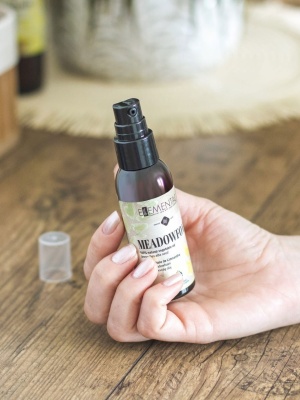


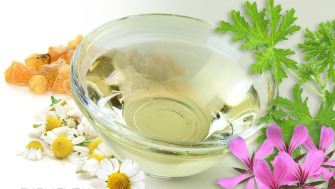
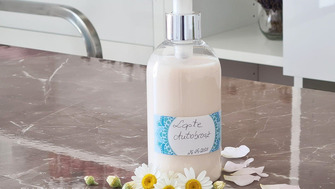
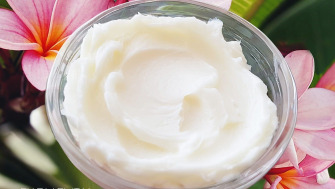
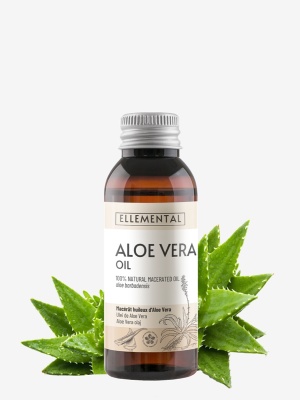
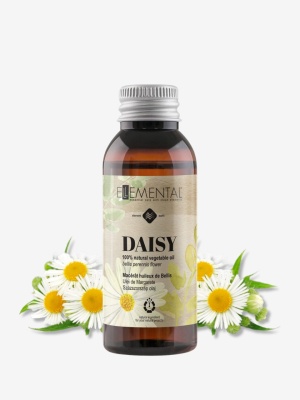
Formula: 58319 Difficulty level: beginner Shelf life: min 6 months pH optimal: - Phase Ingredients Dosage % Total 100 gr A Sweet Almond Oil 68,33 68,33 gr A Meadowfoam oil 30 30 gr A Chamomile...
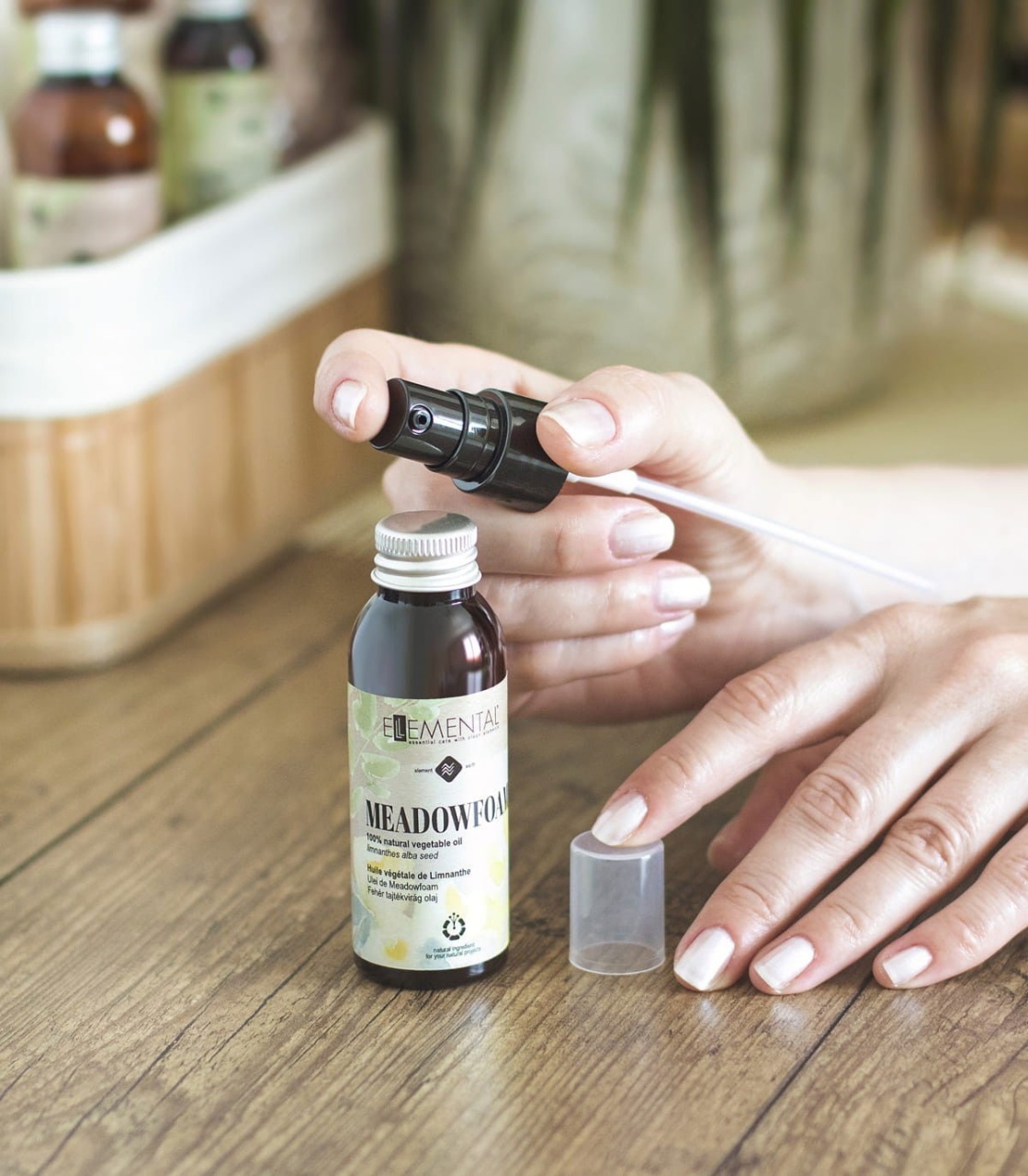
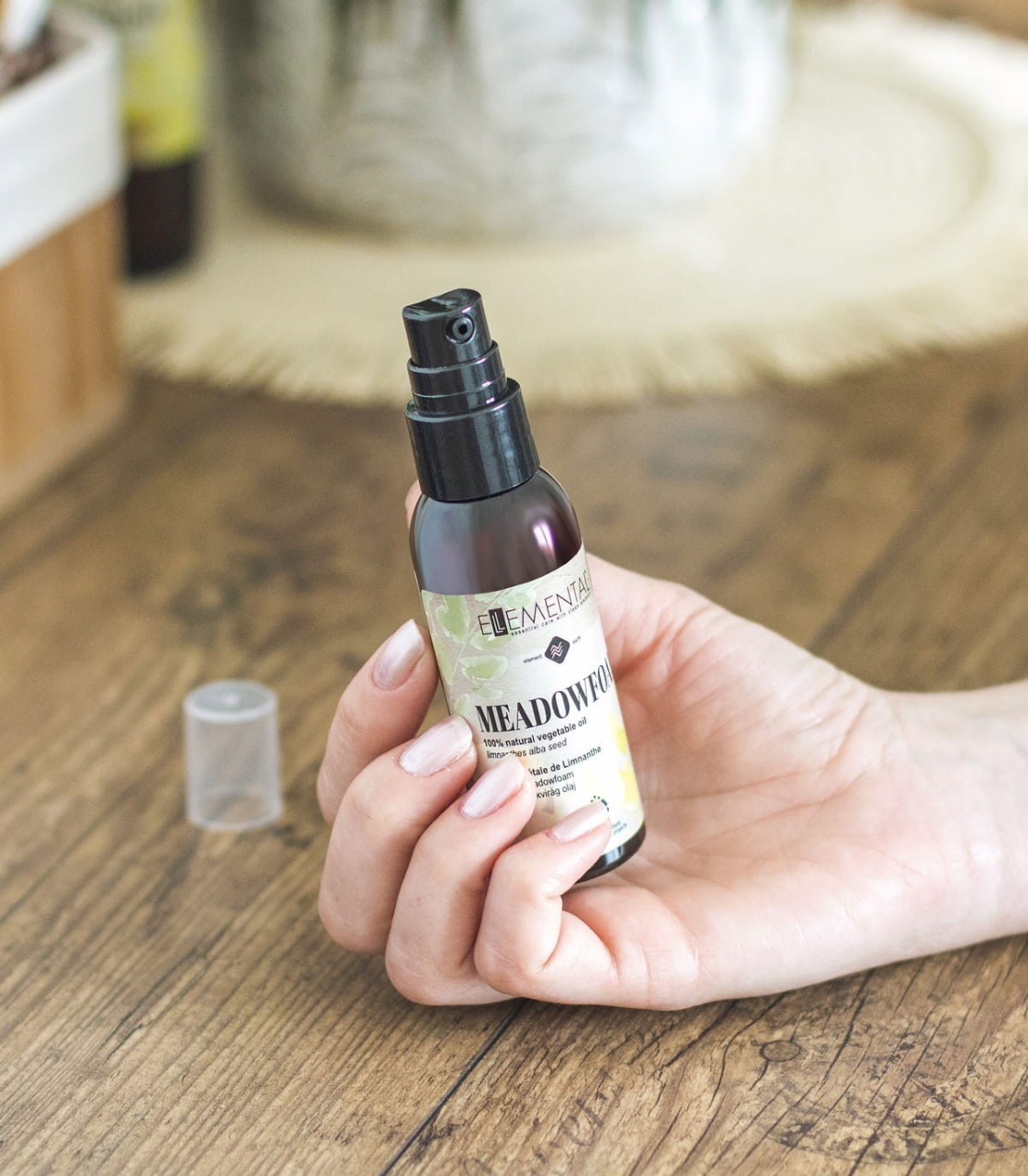
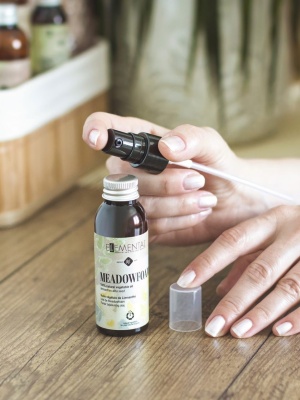
| Product size | Suitable pump | |
| 50 ml, 90 g, 100 ml |
|
|
| 200 g, 250 ml |
|
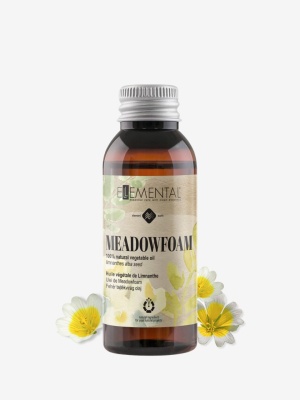
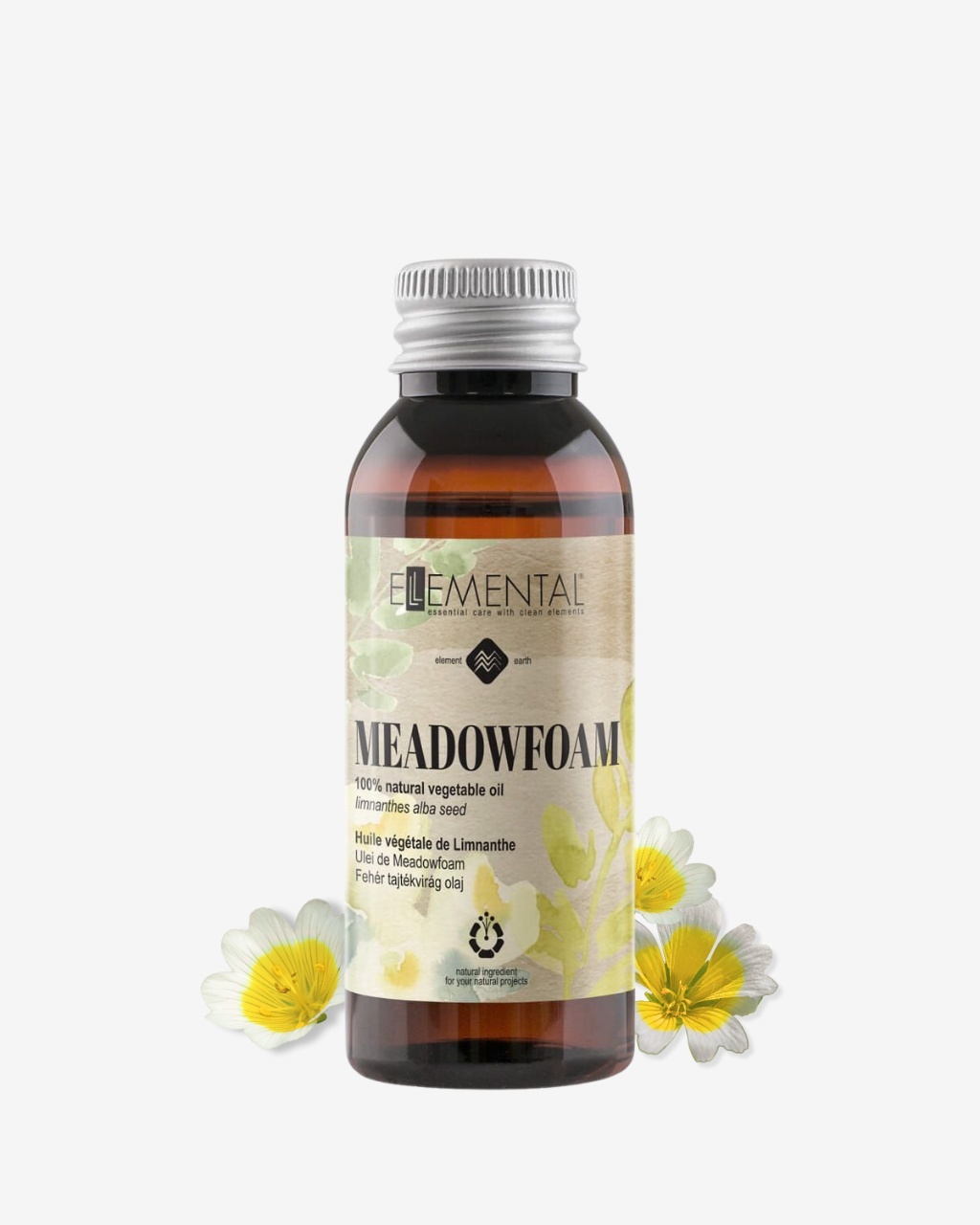
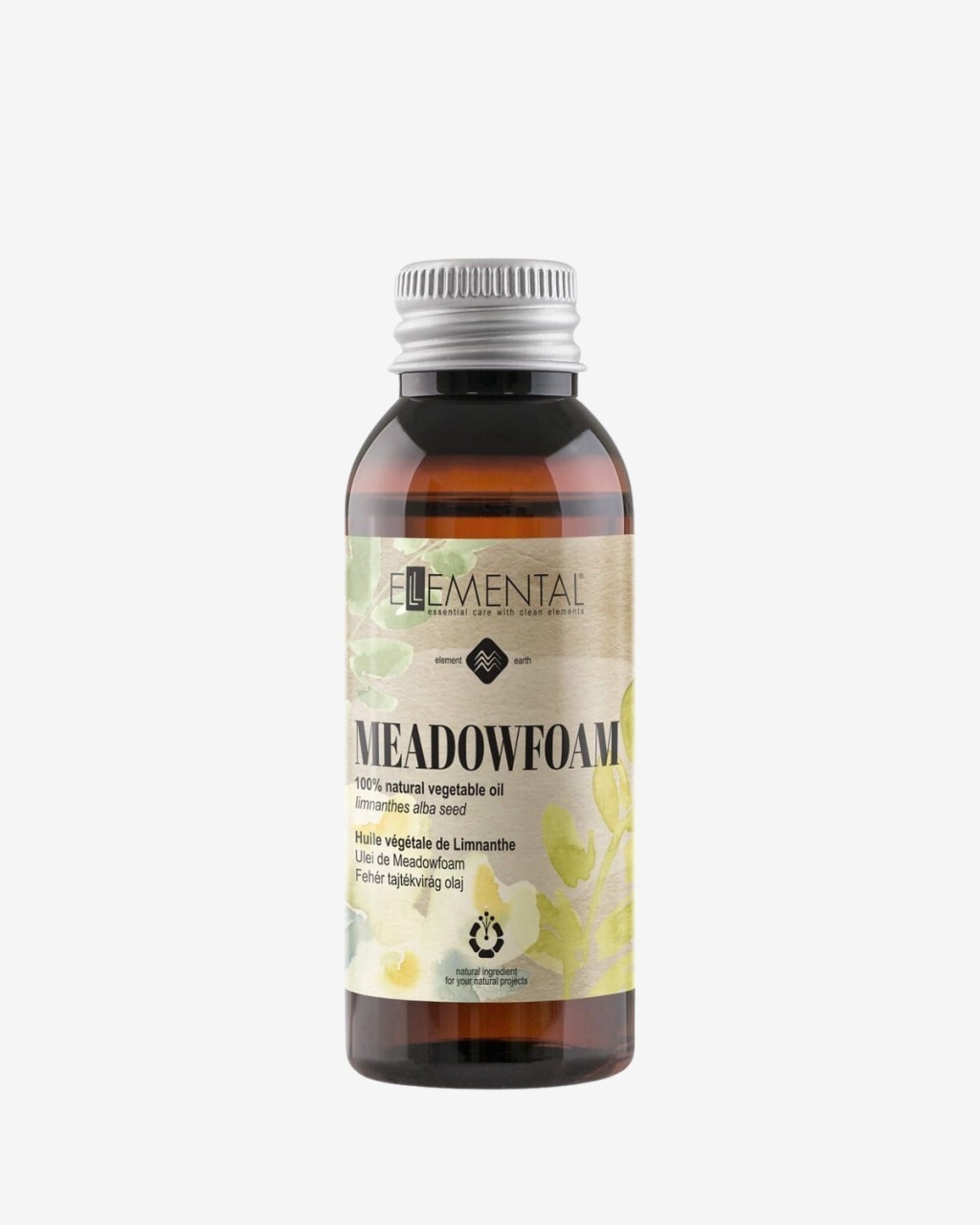
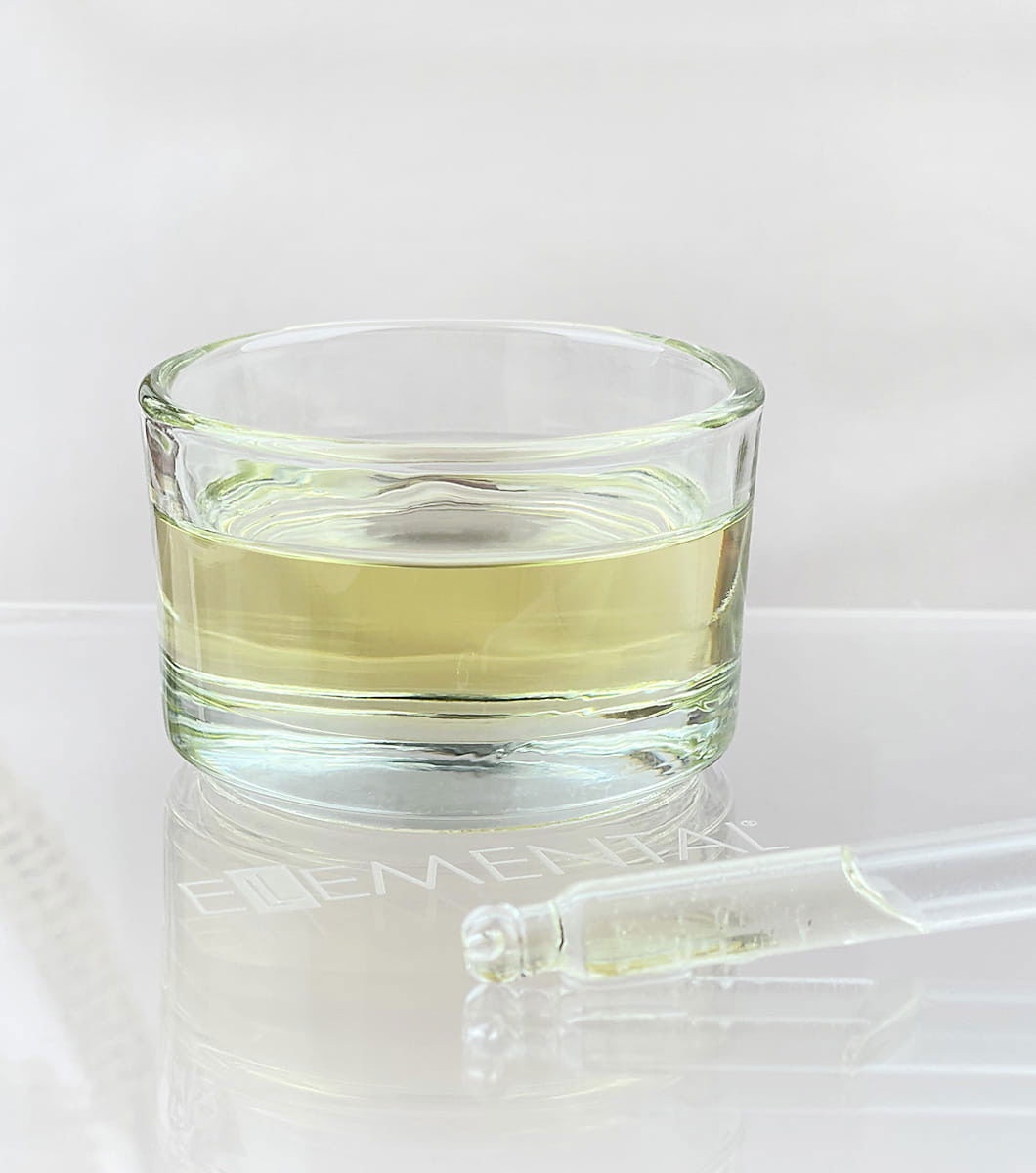
Meadowfoam Oil (Limnanthes alba), extracted from the seeds of the "Meadow foam" plant, is a completely unique ingredient in cosmetics due to a distinct fatty acid profile that barely exists in other vegetable oils. This atypical composition grants it a particular oxidative stability, heat resistance, and a distinctive silky texture.
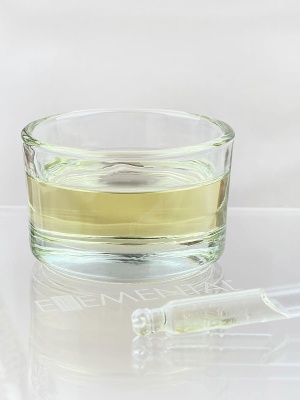
What differentiates this oil from most plant lipids is its profile composed predominantly of long-chain fatty acids (especially eicosenoic acid), which provides high native resistance to thermal degradation and rancidity. Despite its dense molecular structure, Meadowfoam oil has a surprisingly fluid, non-greasy texture and absorbs quickly, leaving a silky feel on the skin similar to cosmetic silicones.
It is a premium emollient ideal for complex formulations, simultaneously offering stability, long-lasting hydration, and a discrete protective barrier for skin exposed to urban stress and environmental factors.
Ingredients: Limnanthes Alba Seed Oil
100% natural, free of preservatives, free of additives.
On the face, Meadowfoam is a versatile formulation ingredient suitable for all skin types. It does not have a specific active effect on the skin, but it contributes to the fine texture of formulas, their stabilization, and a pleasant emollience without a risk of comedogenicity.
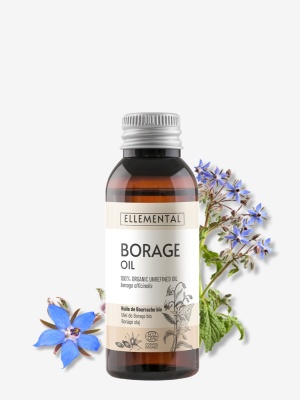
In anti-aging serums, it combines well with Organic Borage Oil and Rosa Mosqueta Oil without affecting the active properties of the two oils. As a lightweight serum base, the association with Cherry Kernel Oil and Pomegranate Oil provides a stable and antioxidant formula.
At the body level, Meadowfoam is a premium oil base for silky body oils, various balms, whipped body butters, and products for sensitive skin.
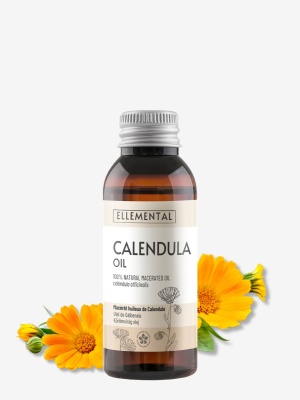
As a body oil base for delicate skin, the synergy with Calendula Oil and Bisabolol provides a soothing and emollient formula with an extended shelf life. For fluffy body butters, it pairs well with Murumuru, Cupuacu, or Mango Butter.
On hair, Meadowfoam is an optimal ingredient for thermal protection serums and shine serums due to its heat resistance.
Together with Phyto-Silicone and Organic Broccoli Seed Oil, it offers a premium hair serum formula with natural heat protection and remarkable shine. As a color-stabilizing serum for dyed hair, the association with Karanja Oil completes the UV protection profile.
Why is it called Meadowfoam?
The name Meadowfoam comes from the visual appearance of the plant when it flowers. In late spring, fields cultivated with Meadowfoam bloom simultaneously, producing a dense mass of small, white or cream flowers. Viewed from a distance, this compact white carpet creates the optical illusion of a dense foam covering the entire meadow.
Is it true that the oil comes from environmentally friendly crops?
Meadowfoam oil comes from rigorously monitored sustainable crops, grown as a rotation plant to protect the soil. In addition, it supports local biodiversity, being a vital source of nectar for bees during the spring. Due to its rapid growth cycle in spring, the plant naturally competes with weeds, drastically reducing the need for herbicides. Its roots stabilize the soil against erosion during rainy months, and after harvesting, the plant remnants are reintroduced into the soil as green manure, improving its structure. Meadowfoam fields are a paradise for pollinators. The massive blooming at the end of spring offers an abundant source of nectar and pollen for bees at a time when other major crops are not yet in bloom. In fact, local beekeepers place their hives near these crops, obtaining a highly prized Meadowfoam honey.
Is it comedogenic?
Meadowfoam oil is rated with a comedogenicity index of 1, meaning that the probability of clogging pores or promoting the appearance of blackheads and pimples is extremely low, making it considered safe for almost all skin types.
Safety in use
Cosmetic product for external use only. Do not ingest. Avoid contact with eyes.
Storage, preservation
Keep the bottle closed, in a cool place, away from direct light.
Write a valid review and earn loyalty points worth €0.40