






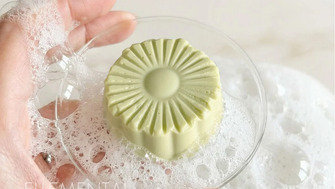
Formula: 48103 Difficulty level: medium Shelf life: min 6 months Optimal pH: 4.5-5.5 Phase Ingredients Dosage % Total 130 g A SCI Surfactant 45 58.5 g A Behenyl alcohol 7 9.10 g A Sodium Stearoyl...
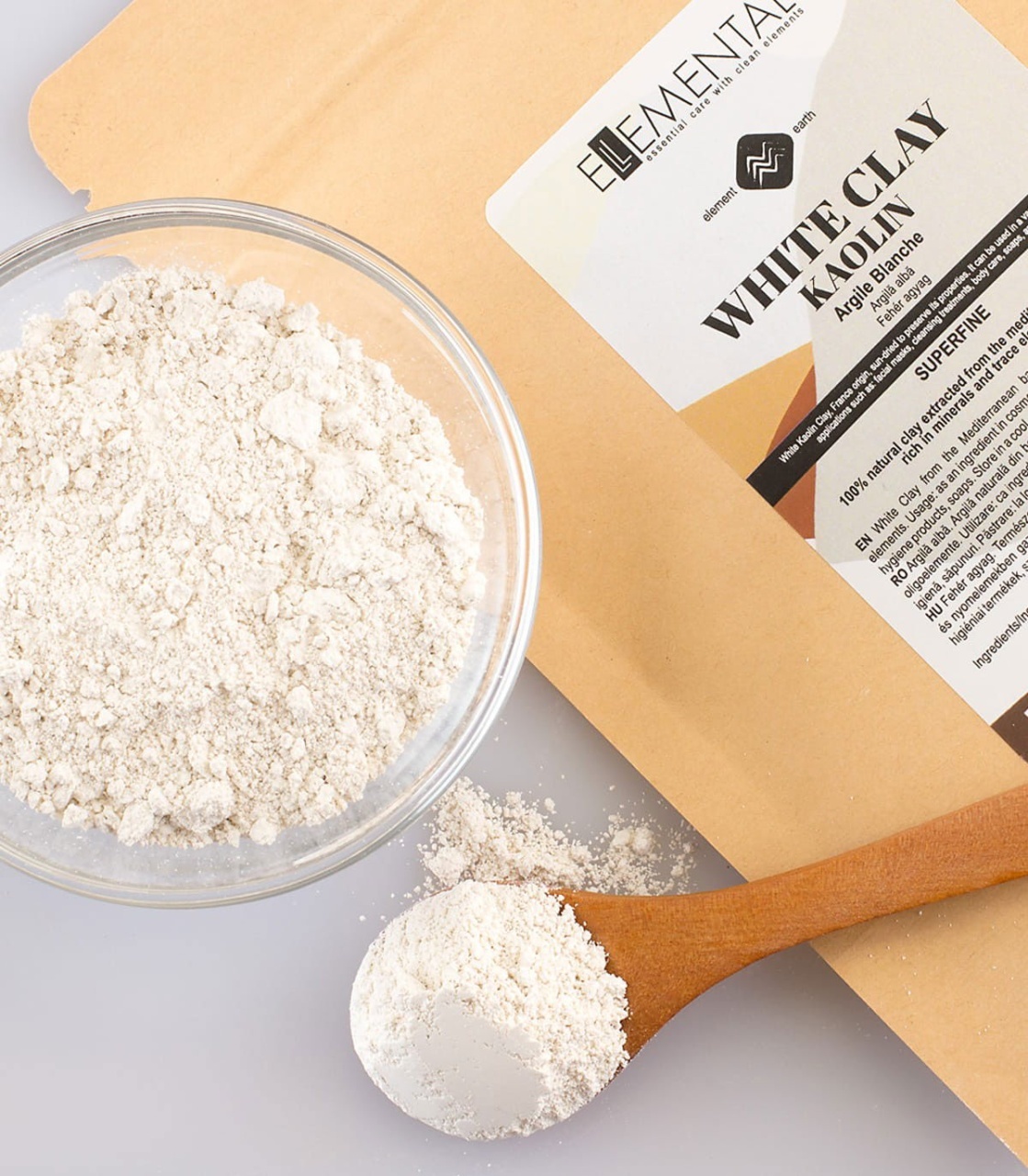
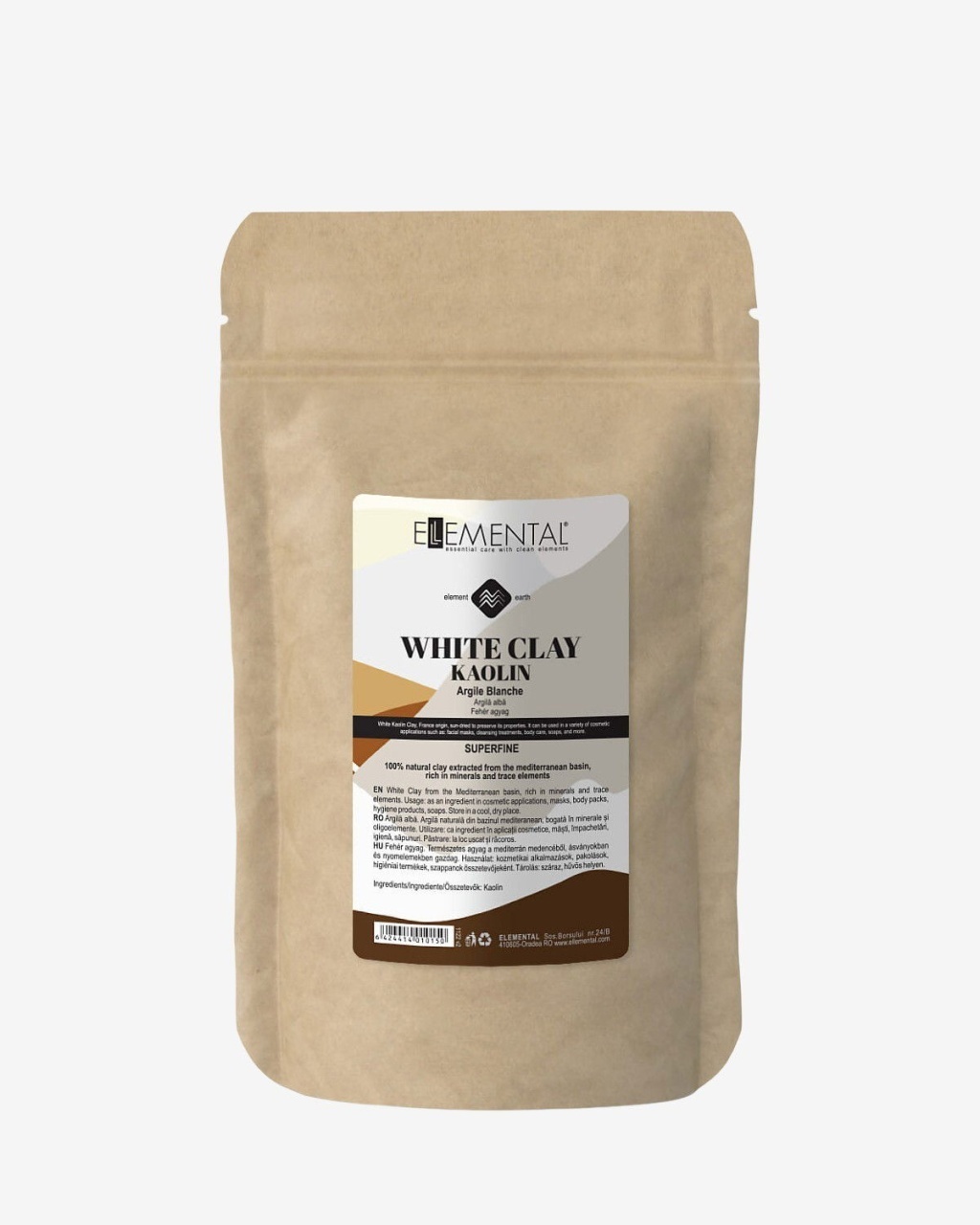
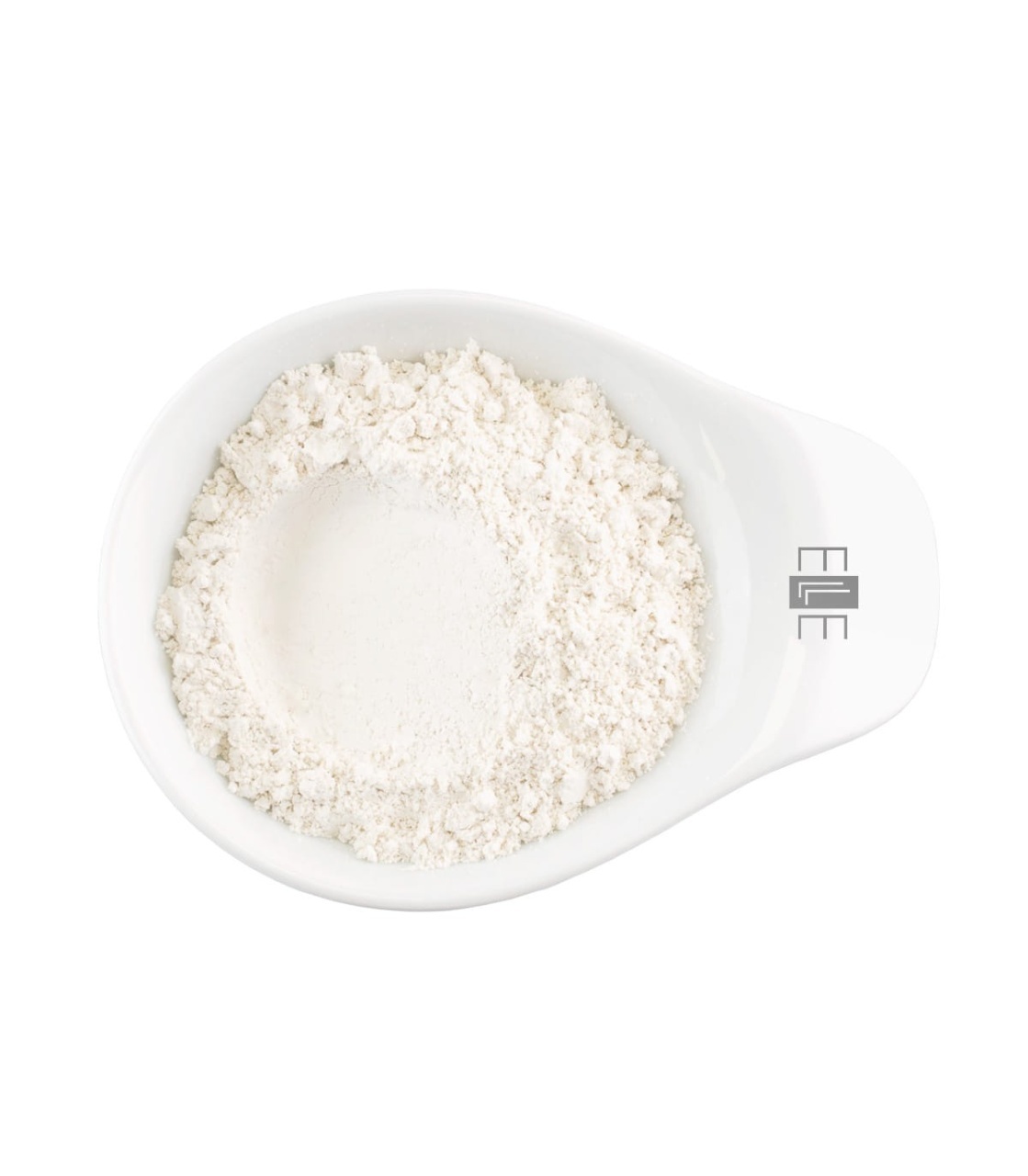
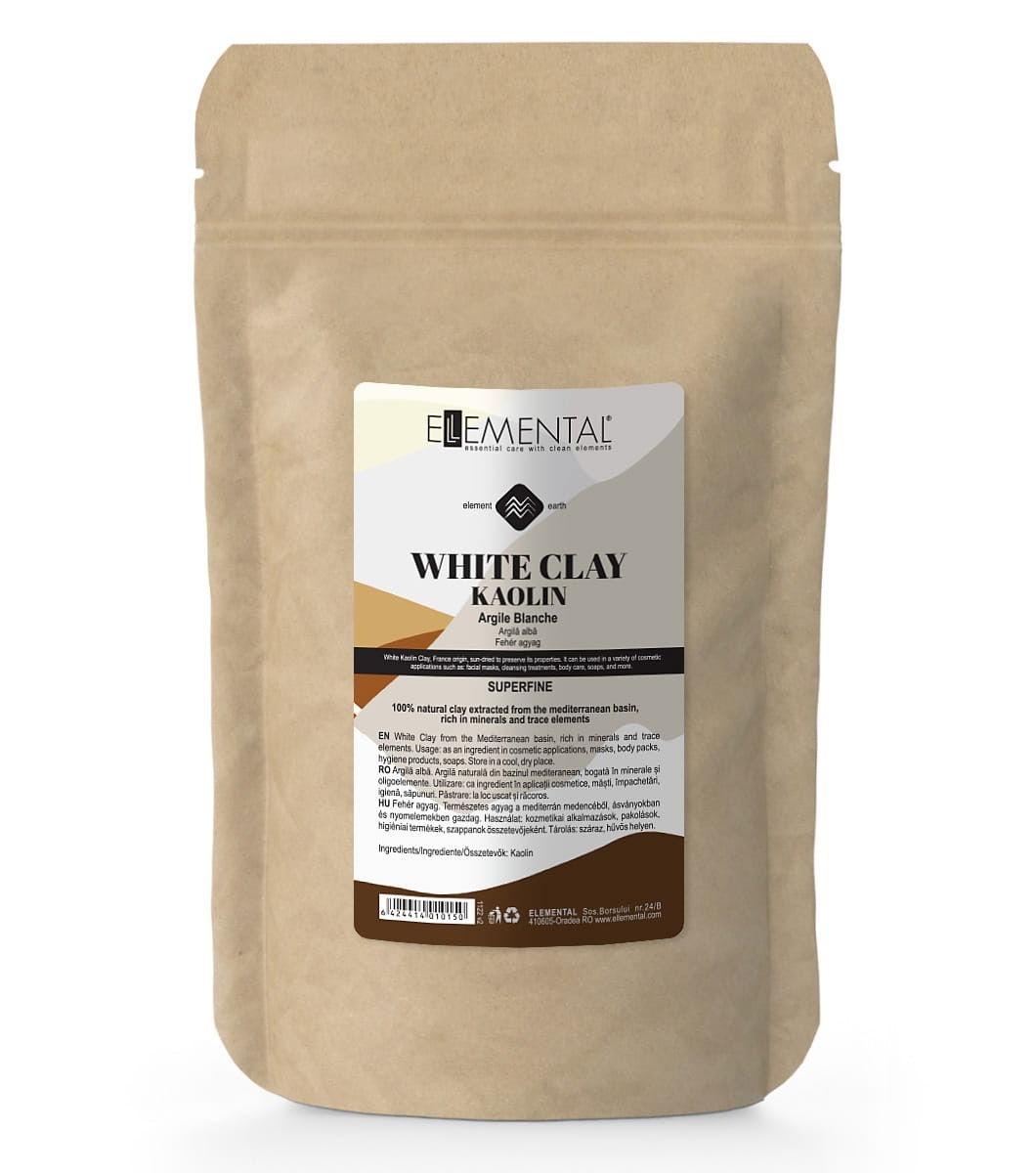
Kaolin Clay – Absorbent Agent, Gentle Mineral Purifier
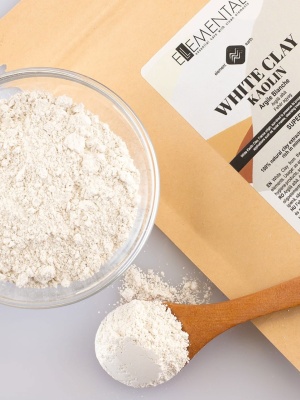
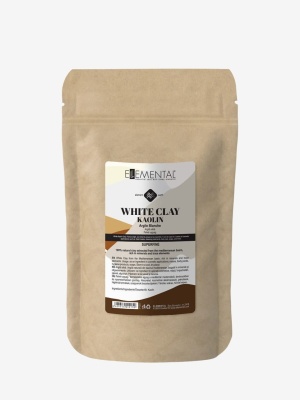
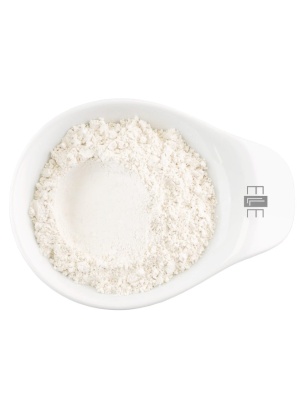
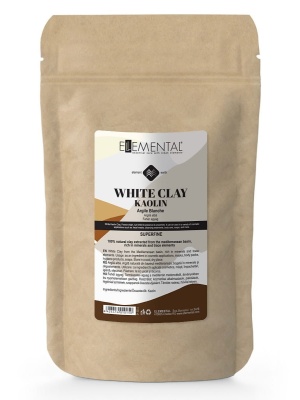
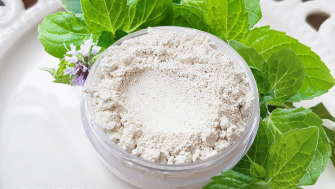
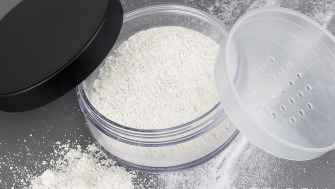
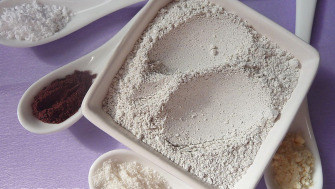
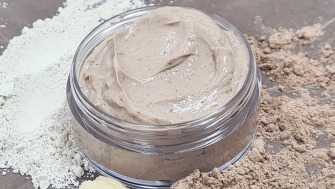
Kaolin Clay, also known as white clay, is a fine powder widely used in cosmetics as a moderate-intensity purifying and absorbent agent, characterized by high skin tolerance. Its molecular structure allows it to fix excess sebum and impurities from the epidermal surface through adsorption, without causing marked dehydration of the stratum corneum. Due to its reduced particle size and mild properties, it is the standard choice for formulations intended for normal, dry, or sensitive skin, while also functioning as an opacifier and texturizer in makeup and hygiene products.
Our cosmetic clays originate from the Mediterranean basin. They feature excellent microbiological purity due to the drying/crushing method applied at the extraction platform.
Ingredients (INCI): Kaolin.
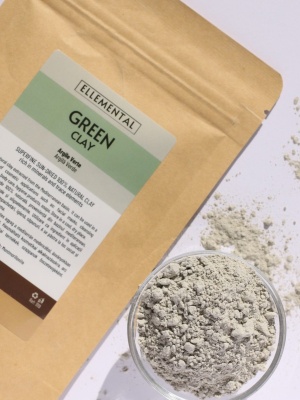
What is the difference between White Clay and Green Clay?
The difference lies in the mineral composition and adsorption capacity. Green clay is rich in montmorillonite, featuring high absorption power, which is particularly suited for oily or acne-prone skin. White clay contains a high percentage of silica, has a less expandable molecular structure, and absorbs lipids with lower intensity. For this reason, kaolin does not dry out the skin and is recommended for fragile or dry skin.
Why is it recommended that a clay mask not be allowed to dry completely on the skin?
As water begins to evaporate, the clay exerts its active sebum absorption phase. If left to dry completely until cracking, the mask begins to extract moisture directly from the upper layers of the epidermis, causing dehydration, itching, and redness. It is recommended to spray the mask with a hydrosol or remove it before it dries completely.
Safety Profile: Chemically inert mineral raw material, non-toxic, and non-comedogenic, with high dermatological compatibility.
Warnings: For external cosmetic use only.
Storage: In a tightly closed container, protected from direct contact with moisture, at room temperature.
Write a valid review and earn loyalty points worth €0.40