




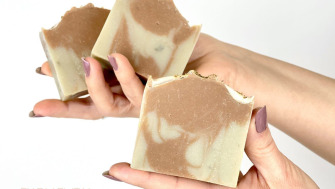
Formula: CP111 Difficulty level: medium Validity: min 12 months Superfat: 7% For details on the terms used and how to work, and for your safety, please see before COLD PROCESS SOAP MAKING GUIDE...
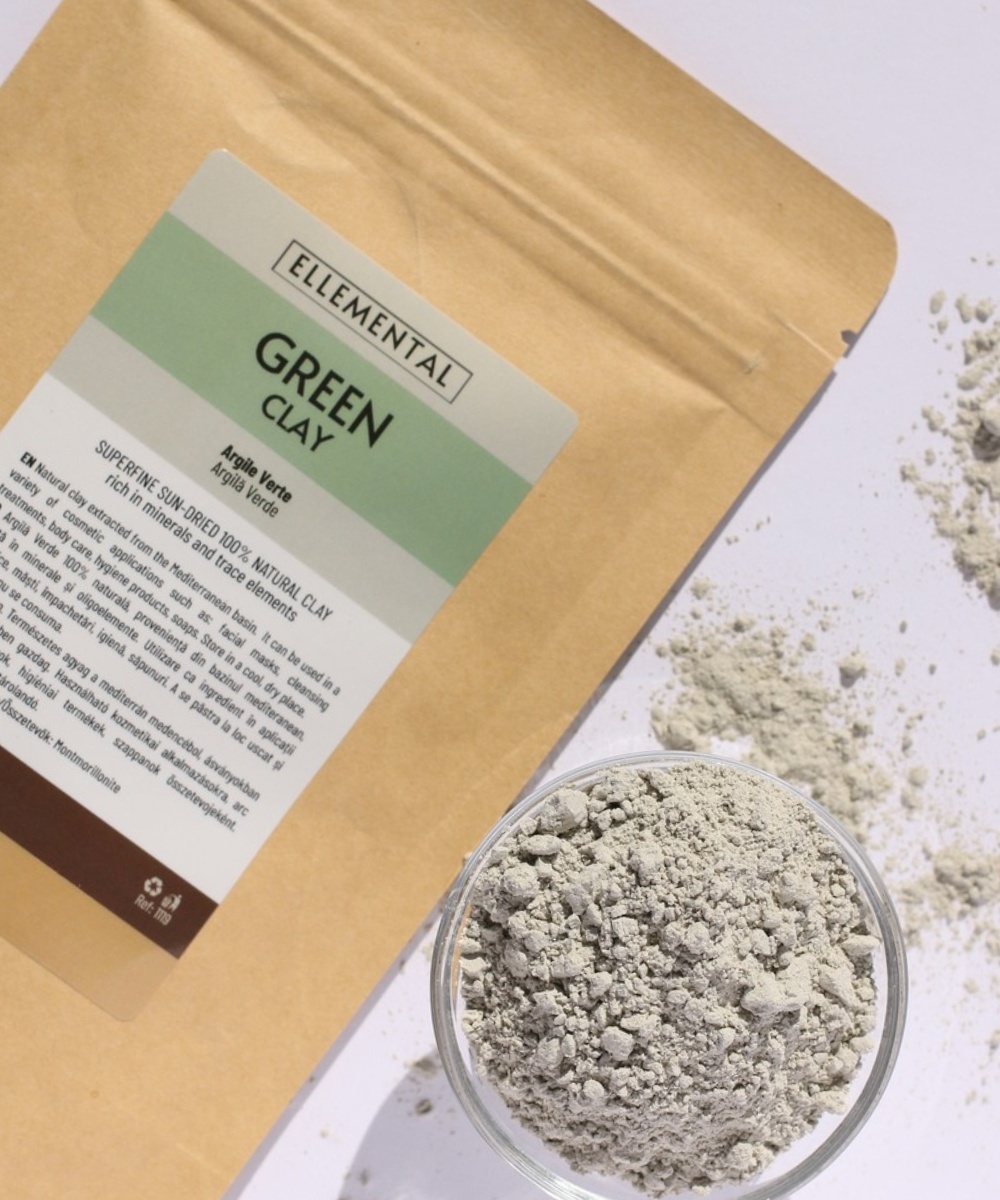
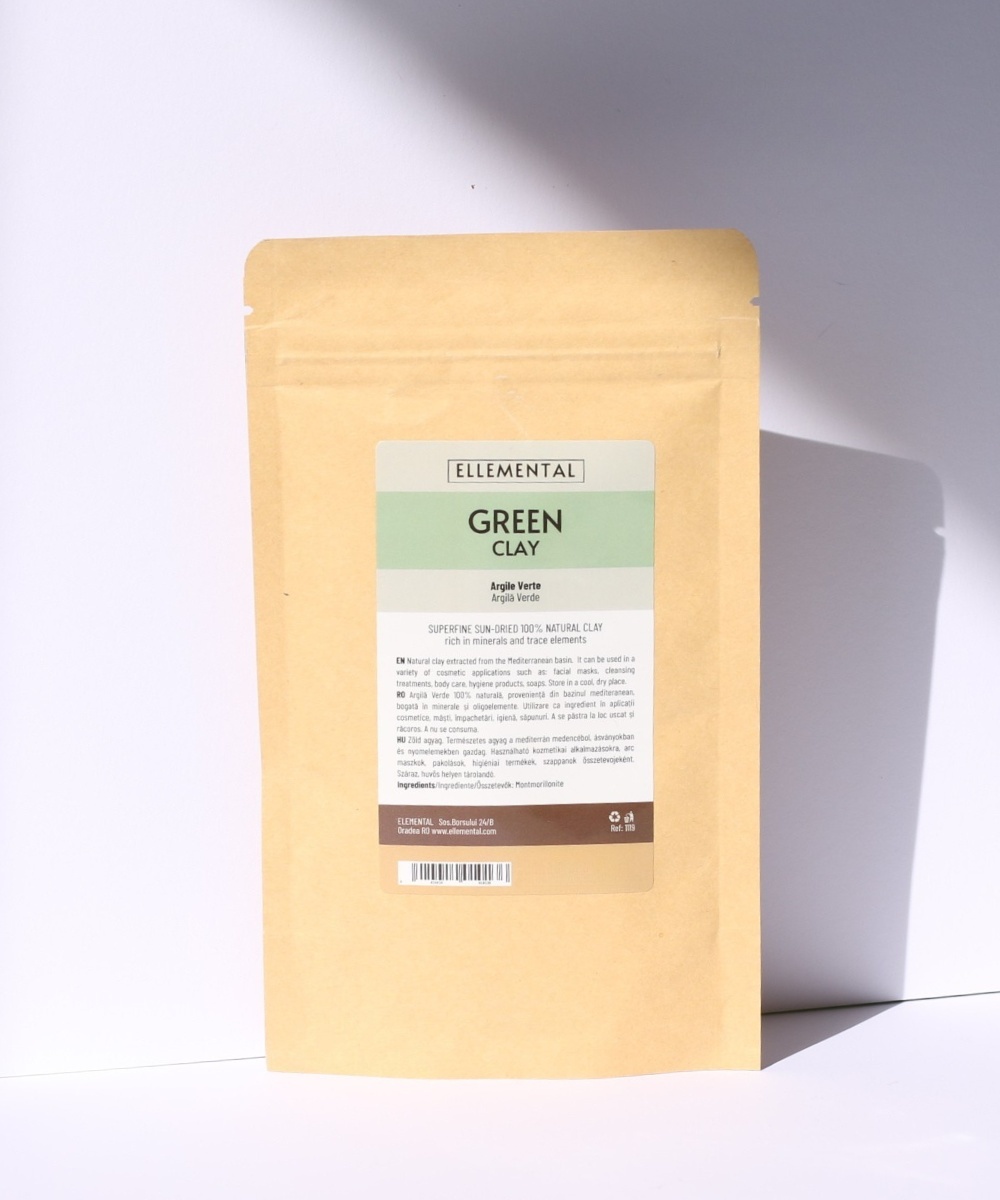
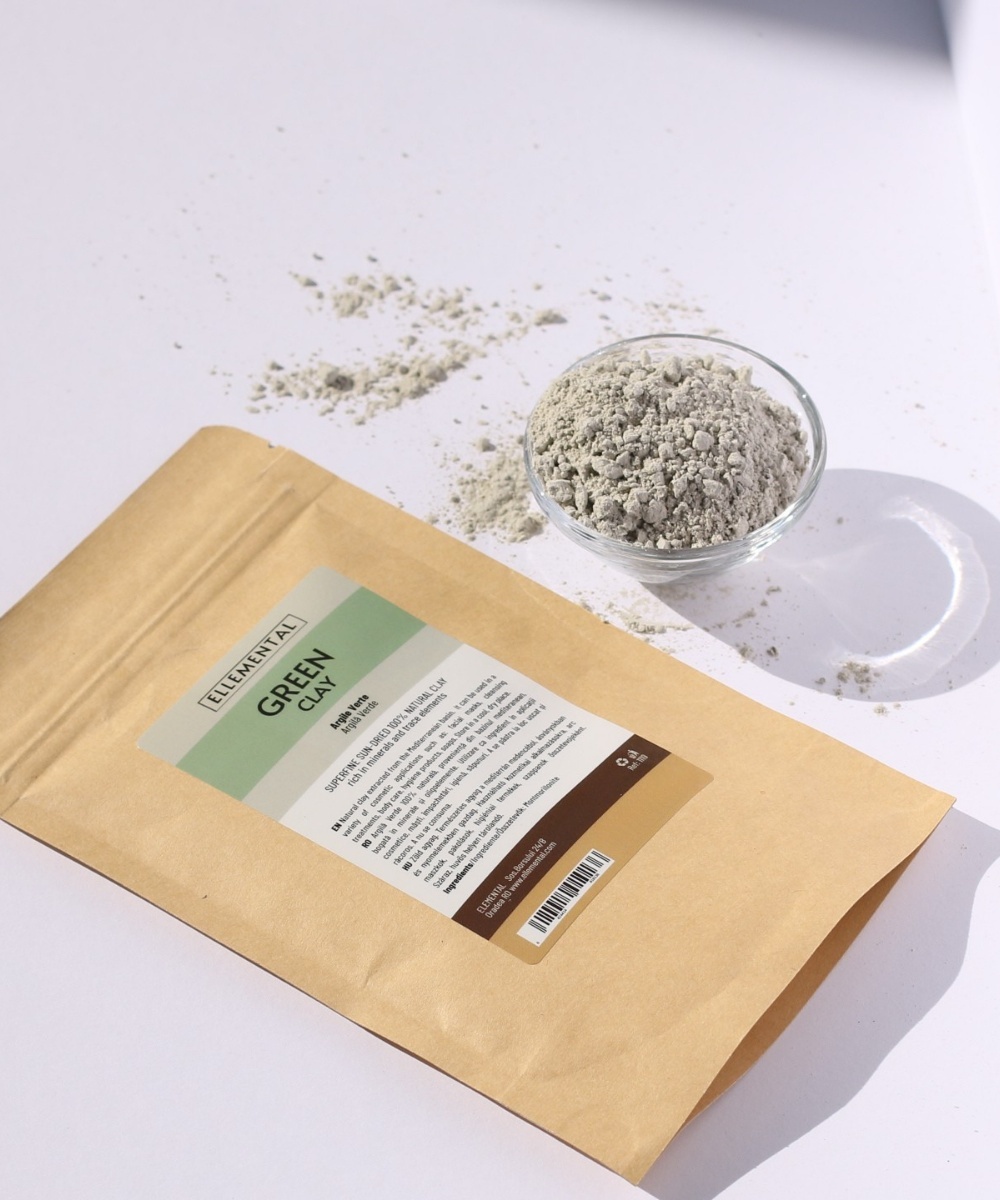
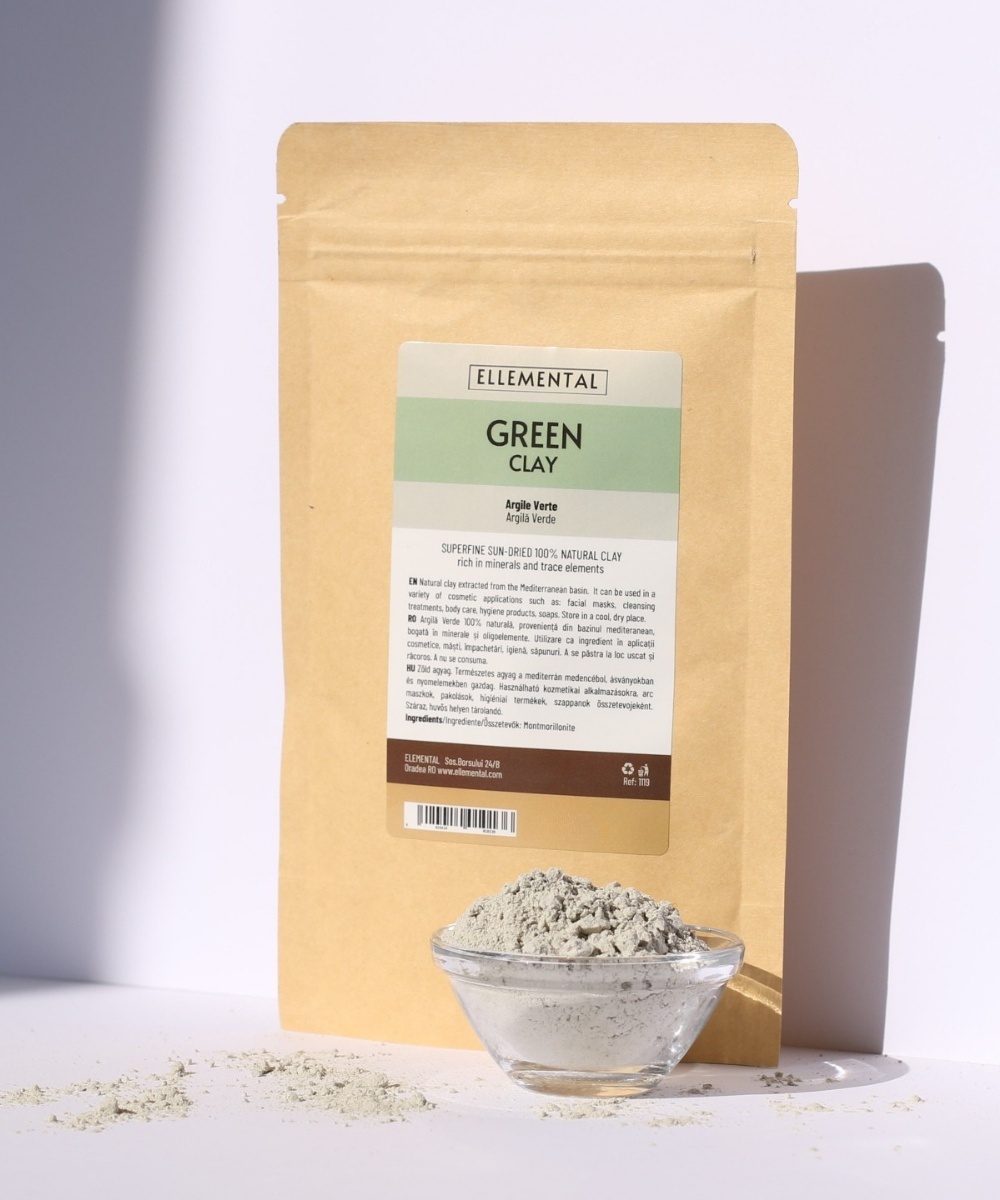
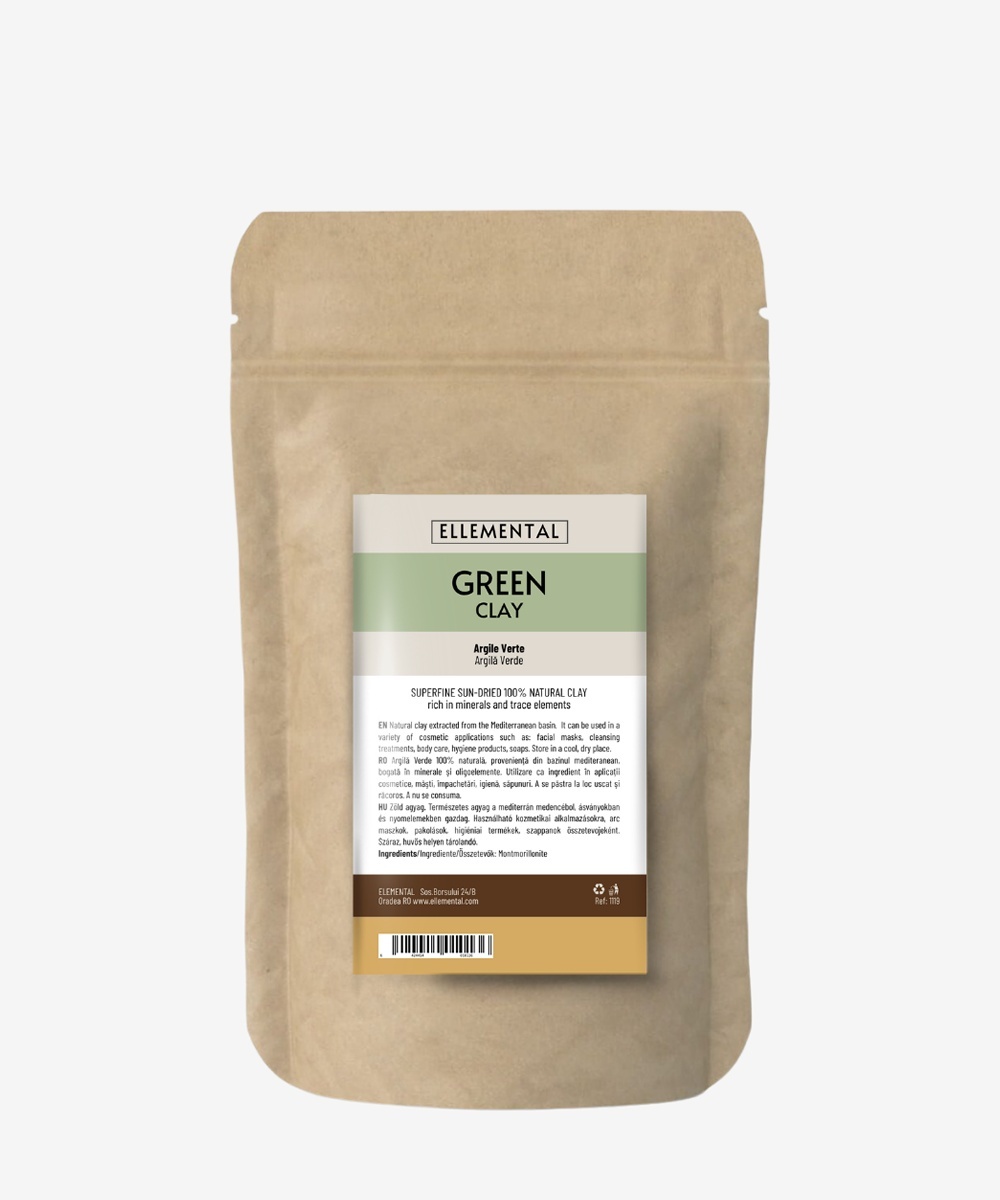
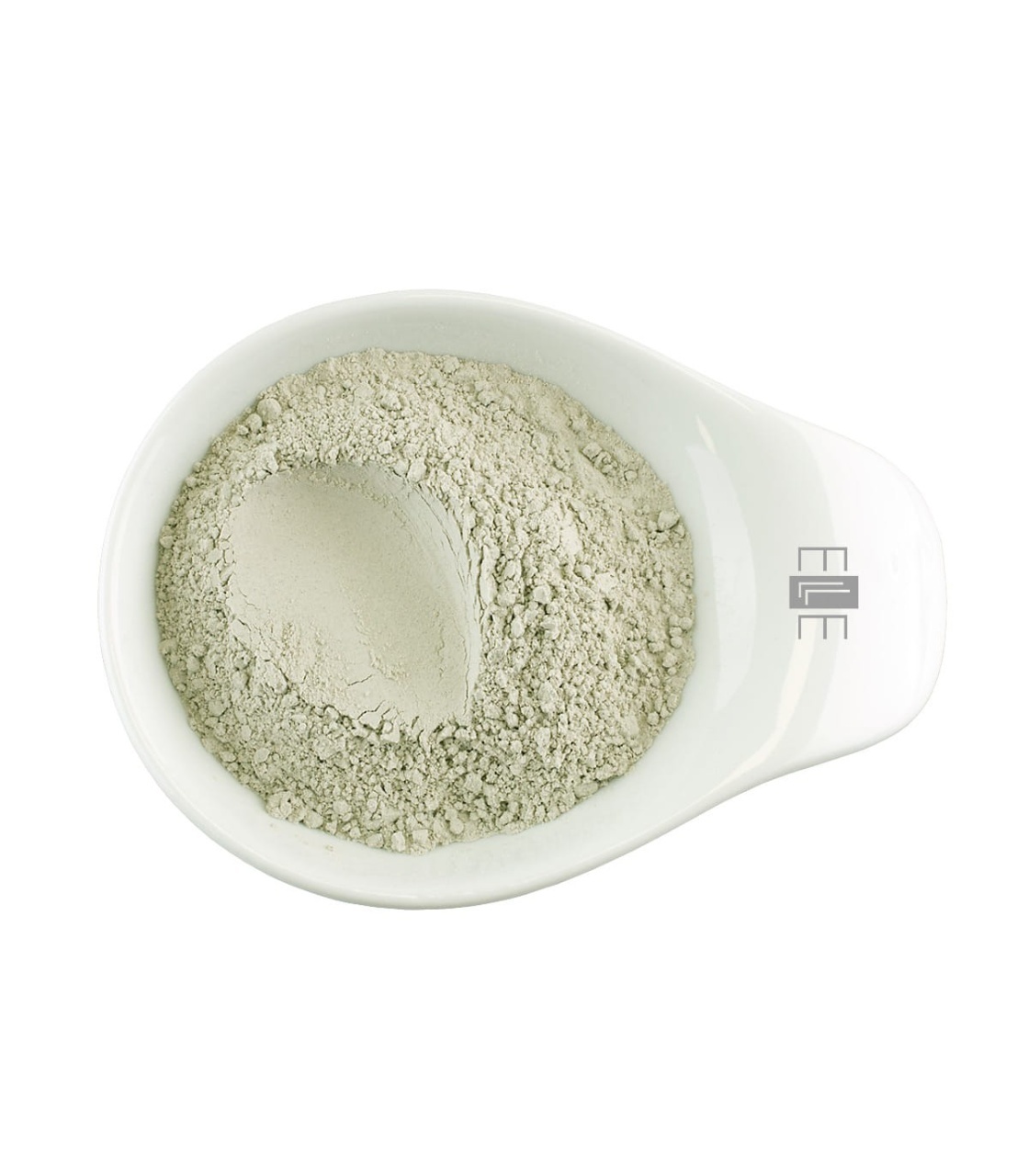
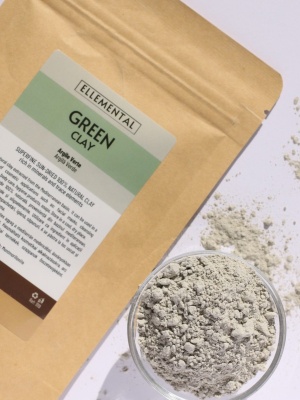
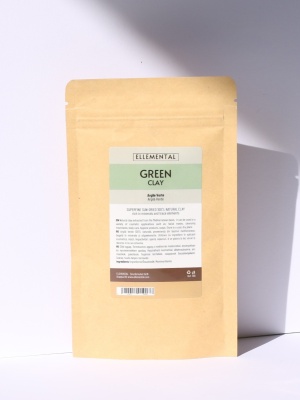
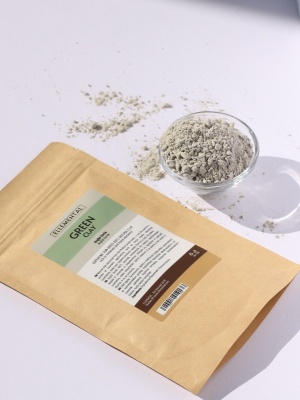
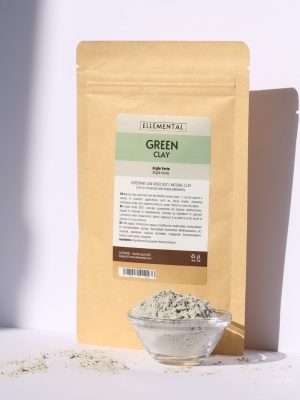
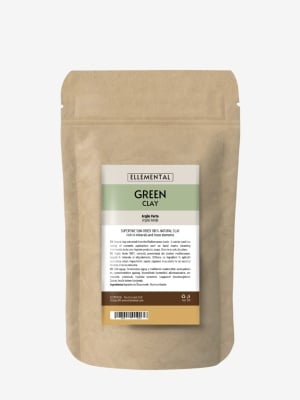
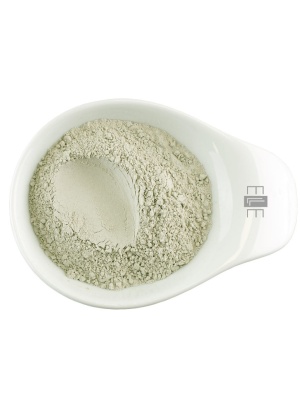
Green Clay – Mineral Absorbent, Purifying, and Mattifying Agent
Green Clay is recognized for its high capacity for lipid adsorption and absorption. It is widely used in formulations designed for combination, oily, or congestion-prone skin, serving to trap excess sebum, remove impurities, and mattify the skin surface through fine mechanical cleansing.
It is beneficial for all skin types, being especially suitable for oily and combination skin, imperfection-prone skin, and oily scalp.
Our cosmetic clays originate from the Mediterranean basin. They feature excellent microbiological purity due to the drying/crushing method applied at the extraction platform.
Ingredients (INCI): Montmorillonite.
Why is green clay considered more intense regarding absorption?
Green clay, especially that rich in montmorillonite, has an expandable crystalline structure with a very large internal specific surface area. This means it can absorb water and lipids not only on the outer surface of the particles, but also between its molecular layers. This physical property grants it a much higher sebum-binding power than white clay (kaolin) or red clay, making it suitable for skin dealing with excess grease.
What happens if a green clay mask is allowed to dry completely on the skin until it cracks?
Once the water in the mask has evaporated, its high hygroscopic property will begin to extract water from the cells of the stratum corneum. This leads to marked dehydration, mechanical irritation, a feeling of tightness, and redness. To prevent this phenomenon, the mask should be removed by rinsing with lukewarm water the moment it starts to dry around the edges while still damp to the touch.
Safety Profile: Inert mineral raw material, safe for cosmetic use, non-toxic, and non-comedogenic.
Precautions: For external cosmetic use only. Do not apply to severely irritated skin, open wounds, or areas affected by dry dermatitis.
Storage: In a tightly closed container, in a dry place, protected from moisture, at room temperature.

Write a valid review and earn loyalty points worth €0.40