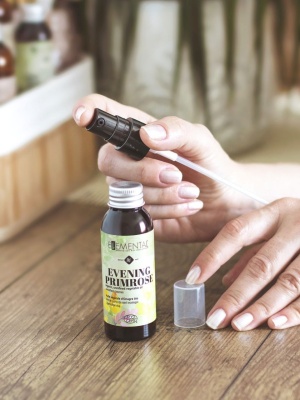
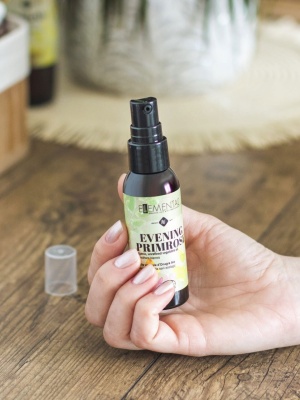


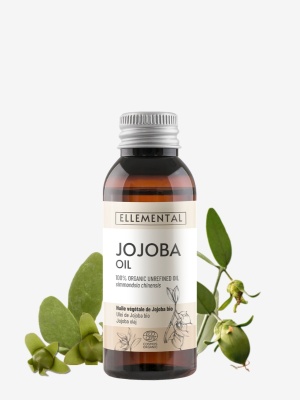
Formula: 32740 Level: beginner Shelf life: min. 6 months Optimal pH: -- Phase Ingredients Dosage % Total 30 g A Cherry Oil 50 15 g A Tricaprylin 15 4.5 g A Evening Primrose Oil 5 1.5 g A Jojoba Oil...
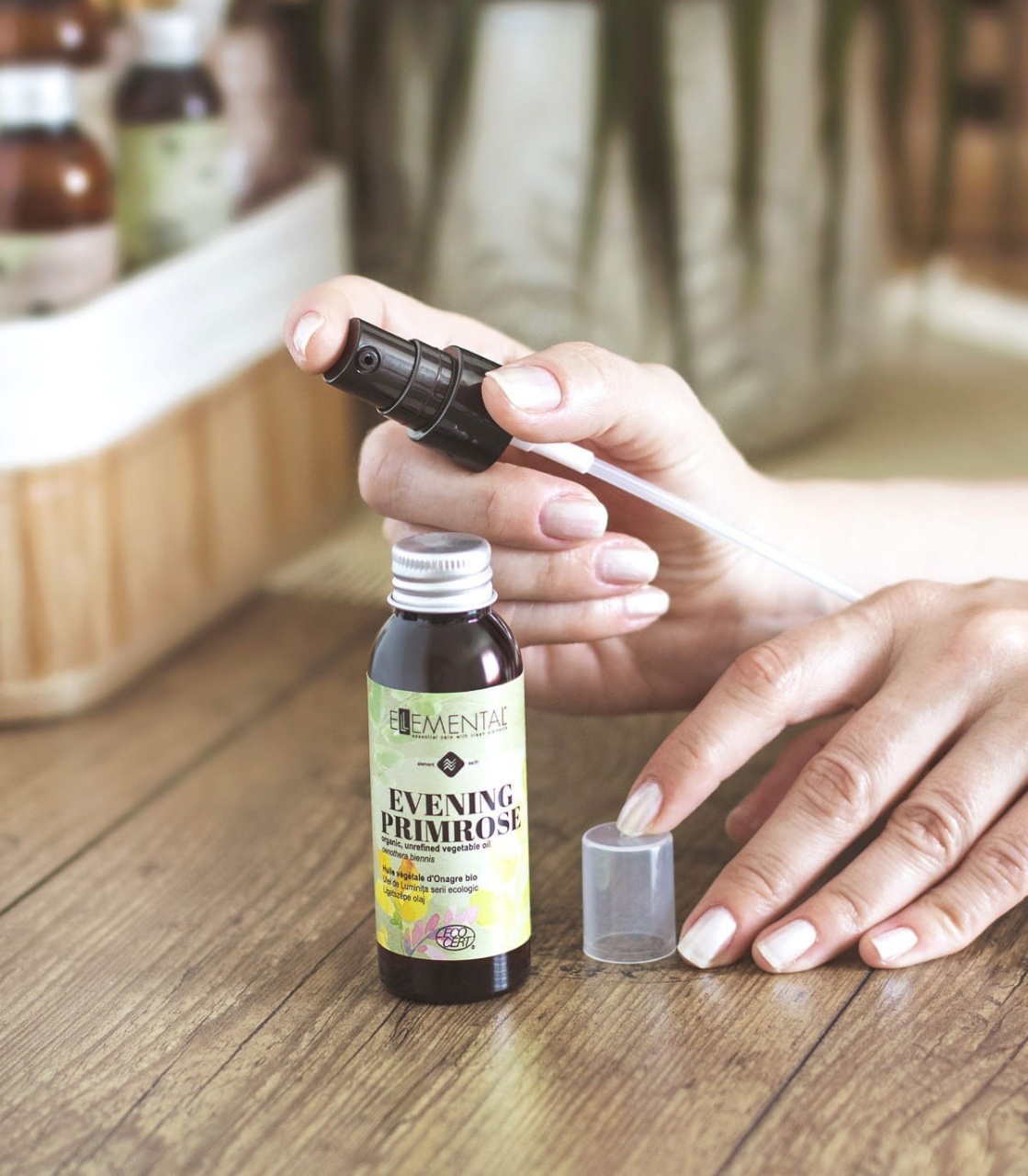
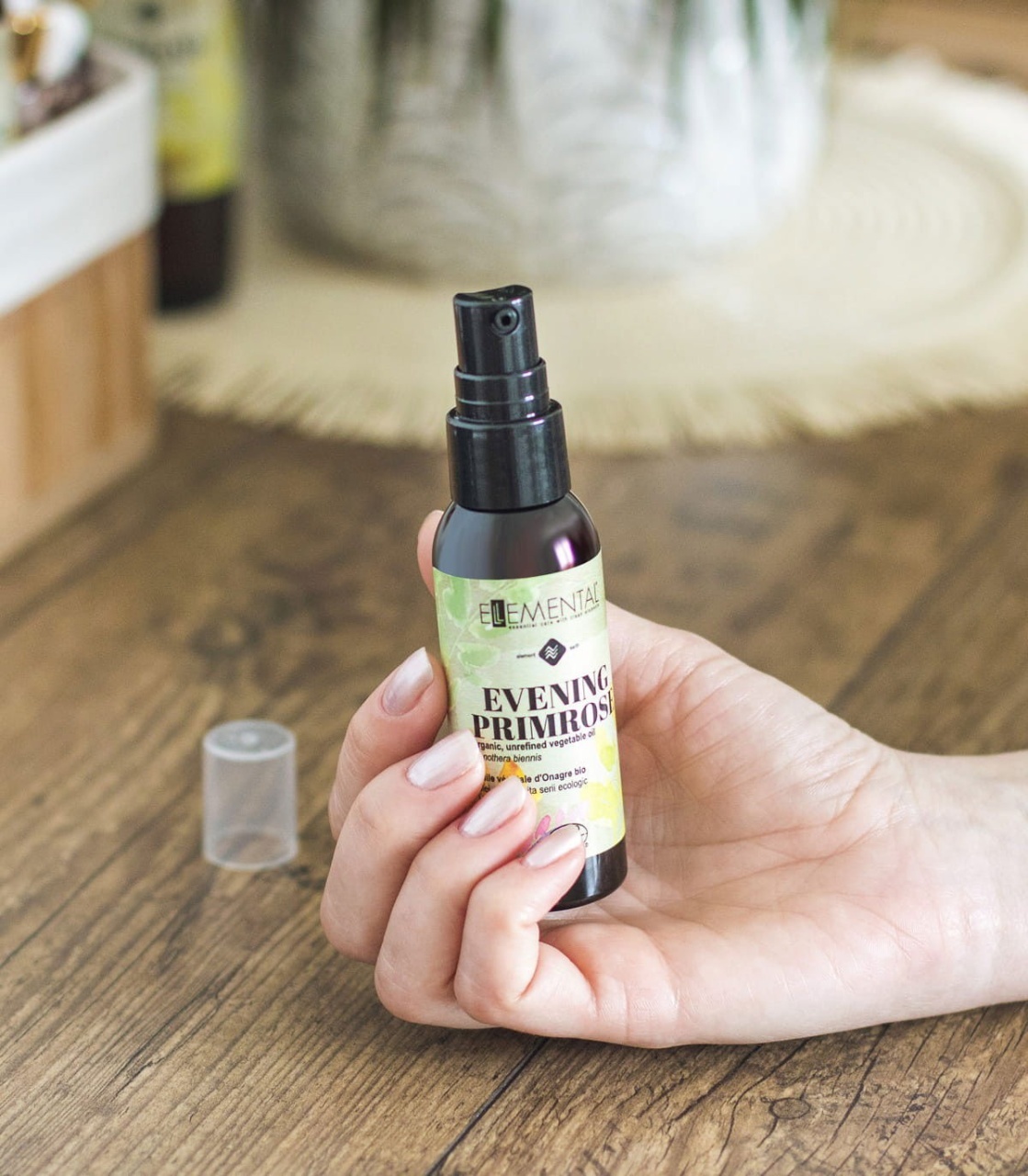
| Product size | Suitable pump | |
| 50 ml, 90 g, 100 ml |
|
|
| 200 g, 250 ml |
|
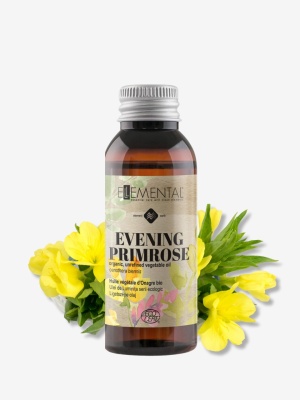
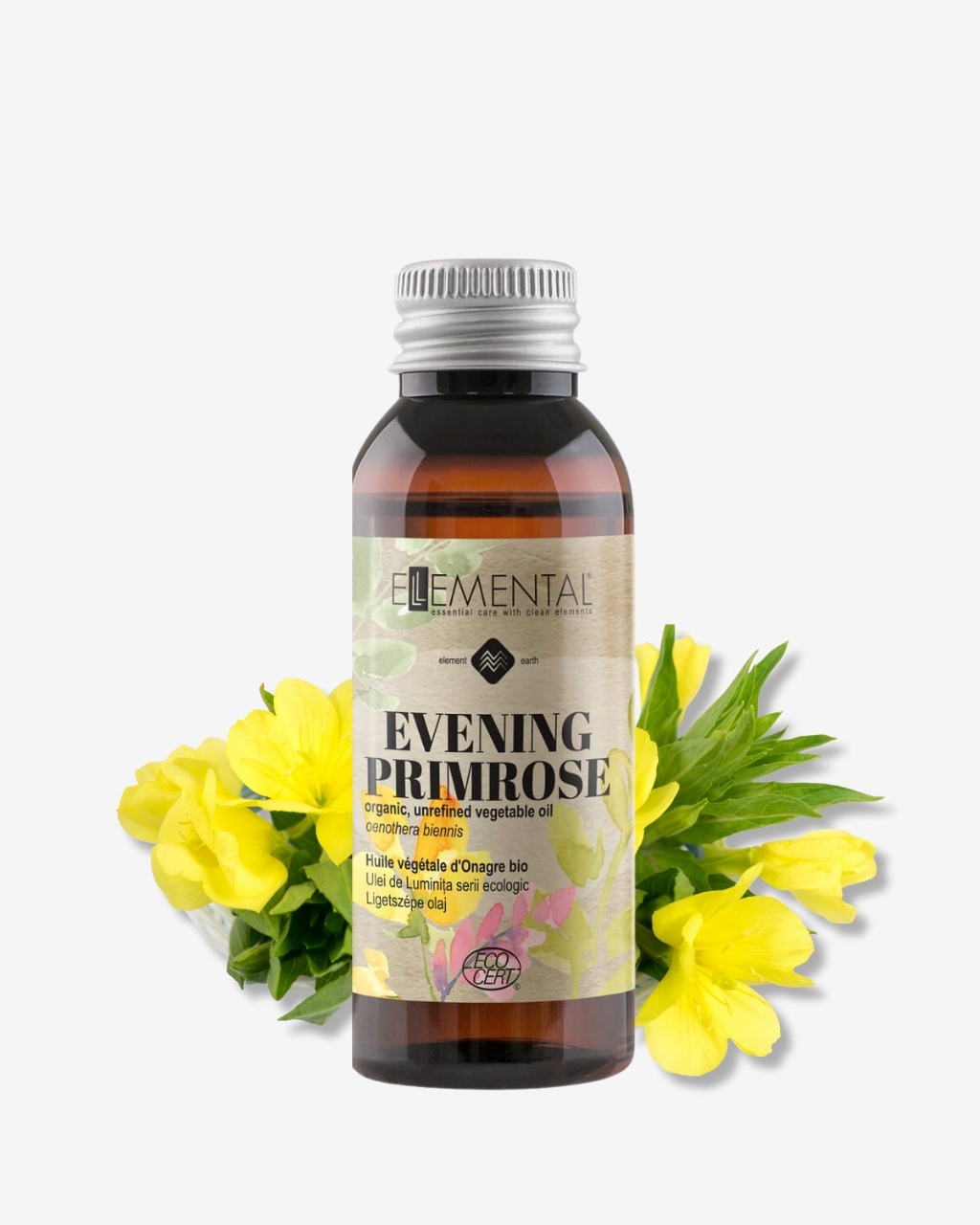
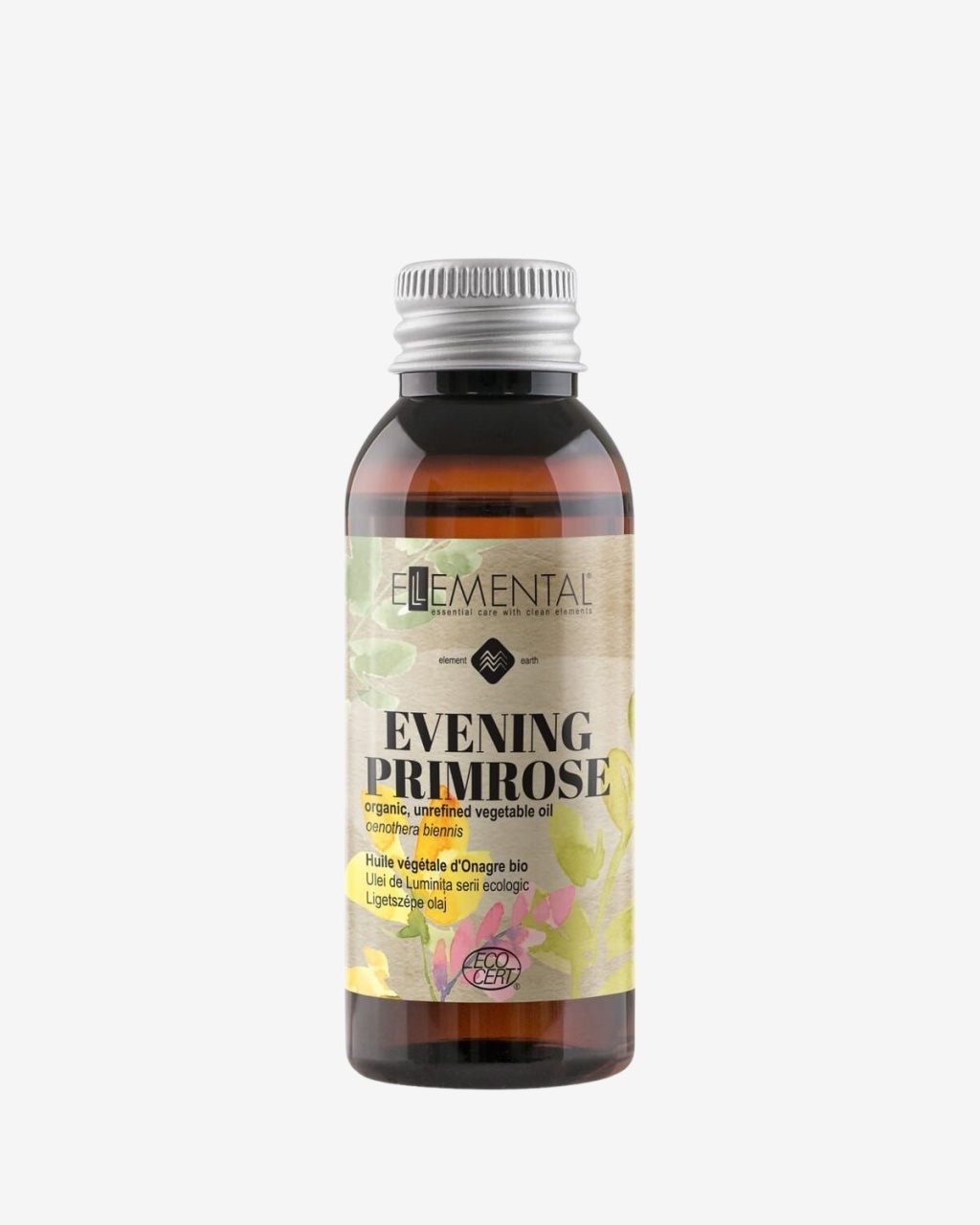
Organic Evening Primrose Oil (Oenothera biennis) is exceptionally rich in gamma-linolenic acid (GLA), making it one of the reference oils for cosmetic treatments aimed at restoring the skin barrier and soothing atopic or chronically dry skin. It is recommended primarily for mature, wrinkled, sensitive skin or skin affected by eczema and dermatitis, skin categories that often exhibit a documented deficit of GLA.
It is a precious elixir for skin restructuring, renowned in cosmetics for skin rejuvenation and elasticity. It infuses the epidermis with structural lipids that deeply repair the hydrolipid barrier, instantly soothing inflammation, redness, and irritation specific to sensitive, dry, or atopic-prone skin. Through its ability to stimulate cell regeneration and limit water loss from tissues, it is the ideal ingredient in anti-aging formulas, restoring a dense, firm appearance and radiance to mature, tired, or devitalized skin.
Ingredients: Oenothera Biennis Oil*
*100% of the total ingredients come from organic farming. COSMOS ORGANIC certified by Ecocert Greenlife.
It is recommended for mature, wrinkled, sensitive skin or skin with mild dermatitis. It is generally not used pure as a daily face oil; it is incorporated into serums or creams as an ingredient. The effect is cumulative and requires consistent use over several weeks.
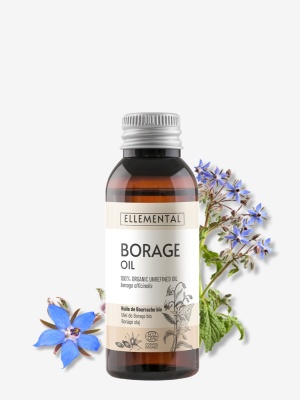
The association with Borage Oil, another oil rich in GLA, and Rosa Mosqueta Oil creates a complete regenerating profile for mature skin. On atopic skin or skin with mild eczema, the synergy with Bisabolol and Ceramides completes the restoration of the skin barrier. Combined with Wheat Germ Oil for ultra-nourishing and skin-repairing compositions.
At the body level, it is valuable in formulas for severely dry skin, stretch marks, and atopic skin. It is used diluted or within formulas, not pure over large areas.
In an anti-stretch mark formula, the synergy with Macadamia Oil and Helichrysum or Geranium Essential Oil completes the structuring and aromatic profile. For atopic skin, the association with Andiroba Oil and Calendula Oil supports both soothing and emollience without overloading the barrier. For nail and cuticle care, combine with Lemon Essential Oil.
On hair, it can be included at low concentrations in treatments for dry or brittle ends and in hair masks for hair lacking nutrition.
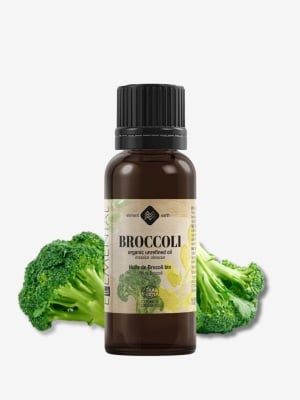
As a nourishing active in hair masks, the synergy with Organic Argan Oil and Broccoli Seed Oil completes the structuring of the fiber.
What is the difference compared to Borage oil?
Both are major sources of GLA, but their profiles differ. Borage oil has a higher concentration of GLA but lower stability. Evening Primrose has more linoleic acid and a more balanced profile. They can be used complementarily to maximize GLA intake.
How long does it take for visible effects to appear on the skin?
Restoring the skin barrier through GLA is a cumulative process that requires several weeks of regular use. It is not an oil with an immediate effect.
Does it have an unpleasant odor?
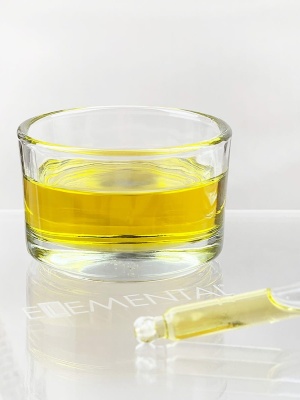
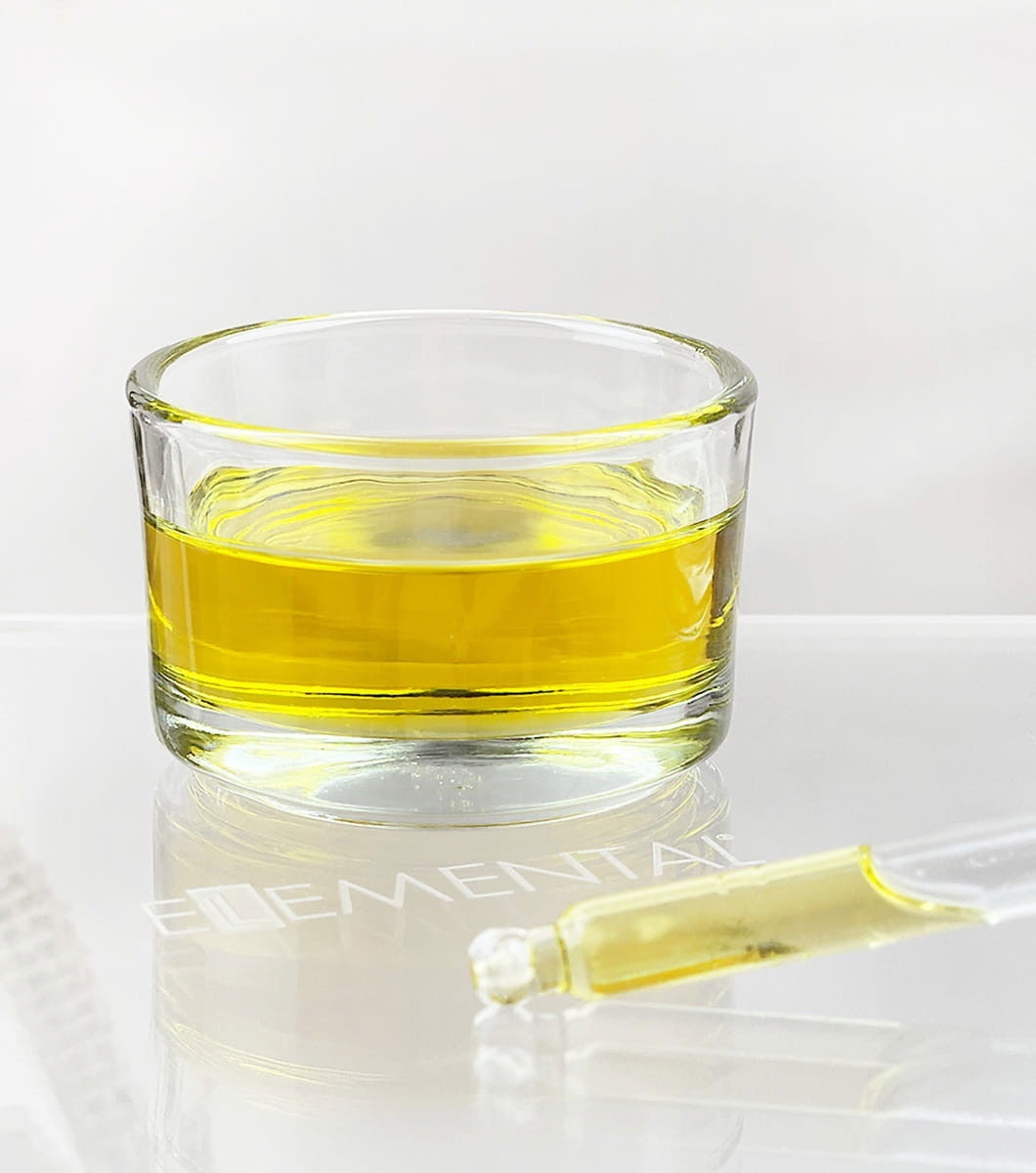
It has a specific, oily, slightly unpleasant scent in its pure state; the intensity can vary from batch to batch. This is a sign that the oil is unrefined.
Safety in use
Cosmetic product for external use only. Do not ingest. Avoid contact with eyes.
Storage, preservation
Keep the bottle tightly closed, in a cool place (or in the refrigerator), away from direct light.
Write a valid review and earn loyalty points worth €0.40