






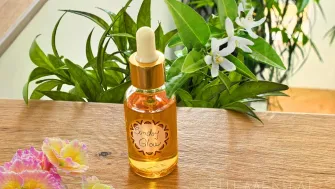
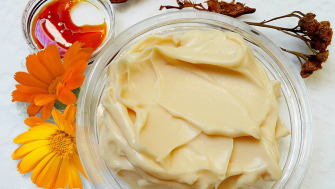
Formula: 32740 Level: beginner Shelf life: min. 6 months Optimal pH: -- Phase Ingredients Dosage % Total 30 g A Cherry Oil 50 15 g A Tricaprylin 15 4.5 g A Evening Primrose Oil 5 1.5 g A Jojoba Oil...
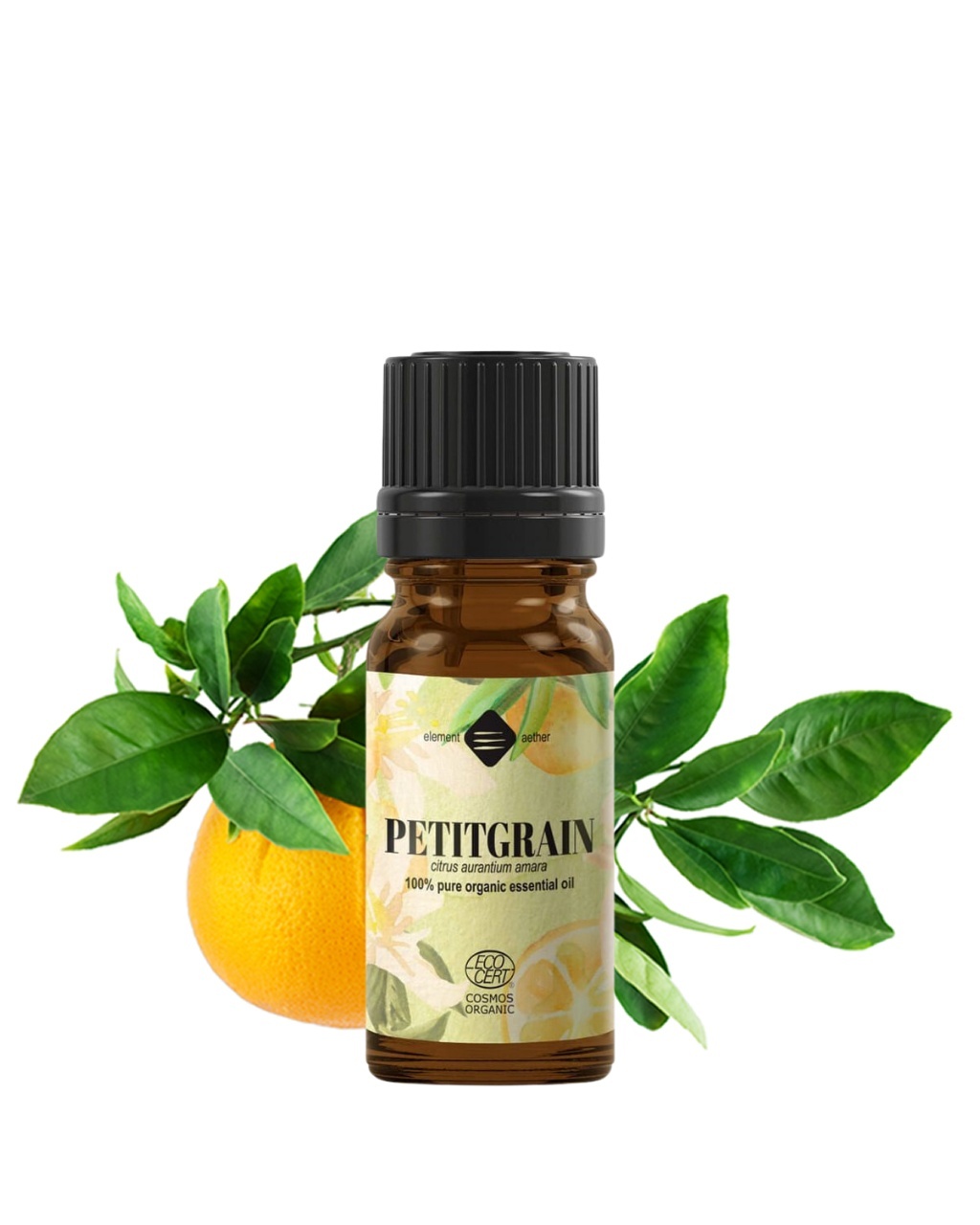
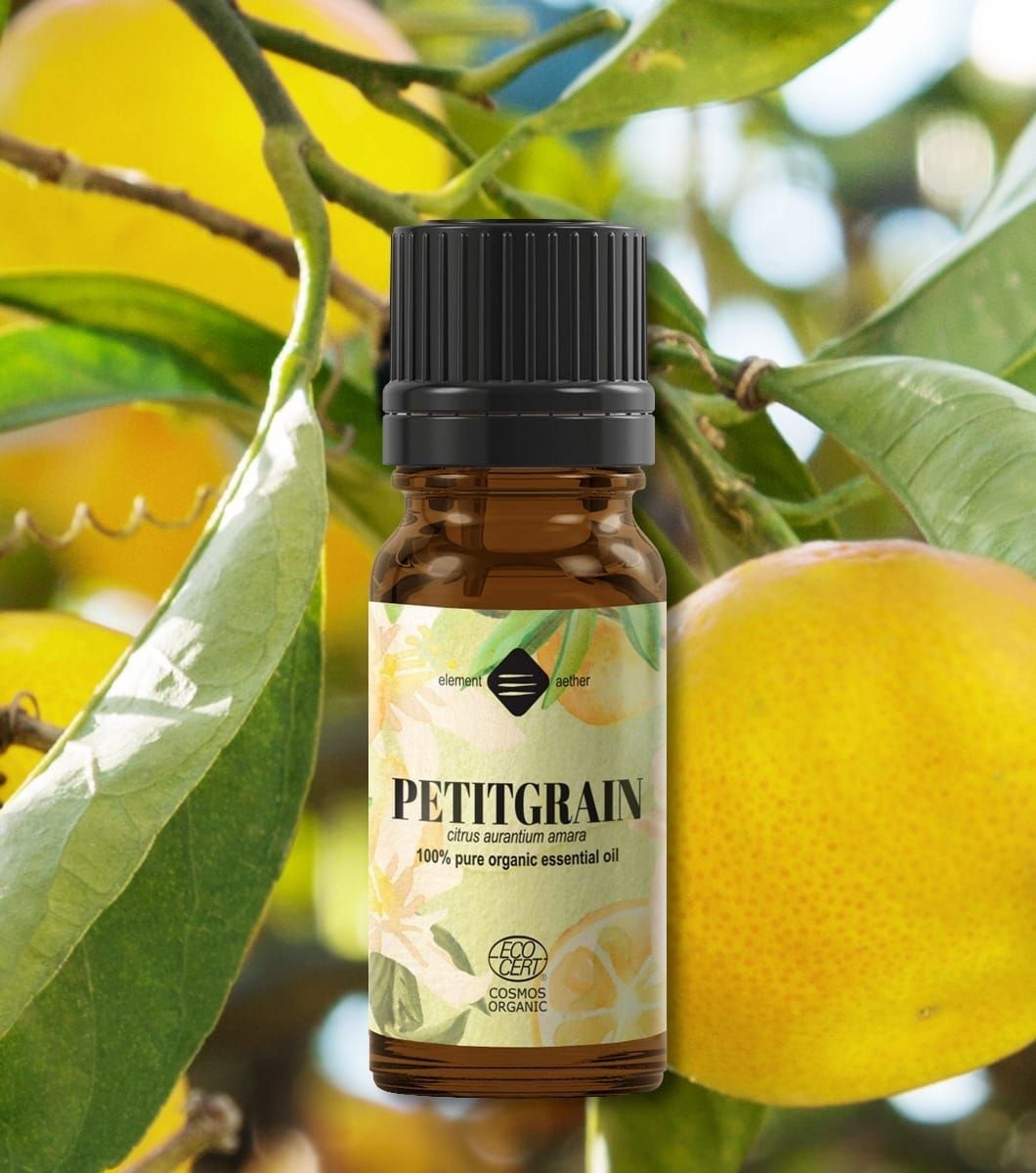
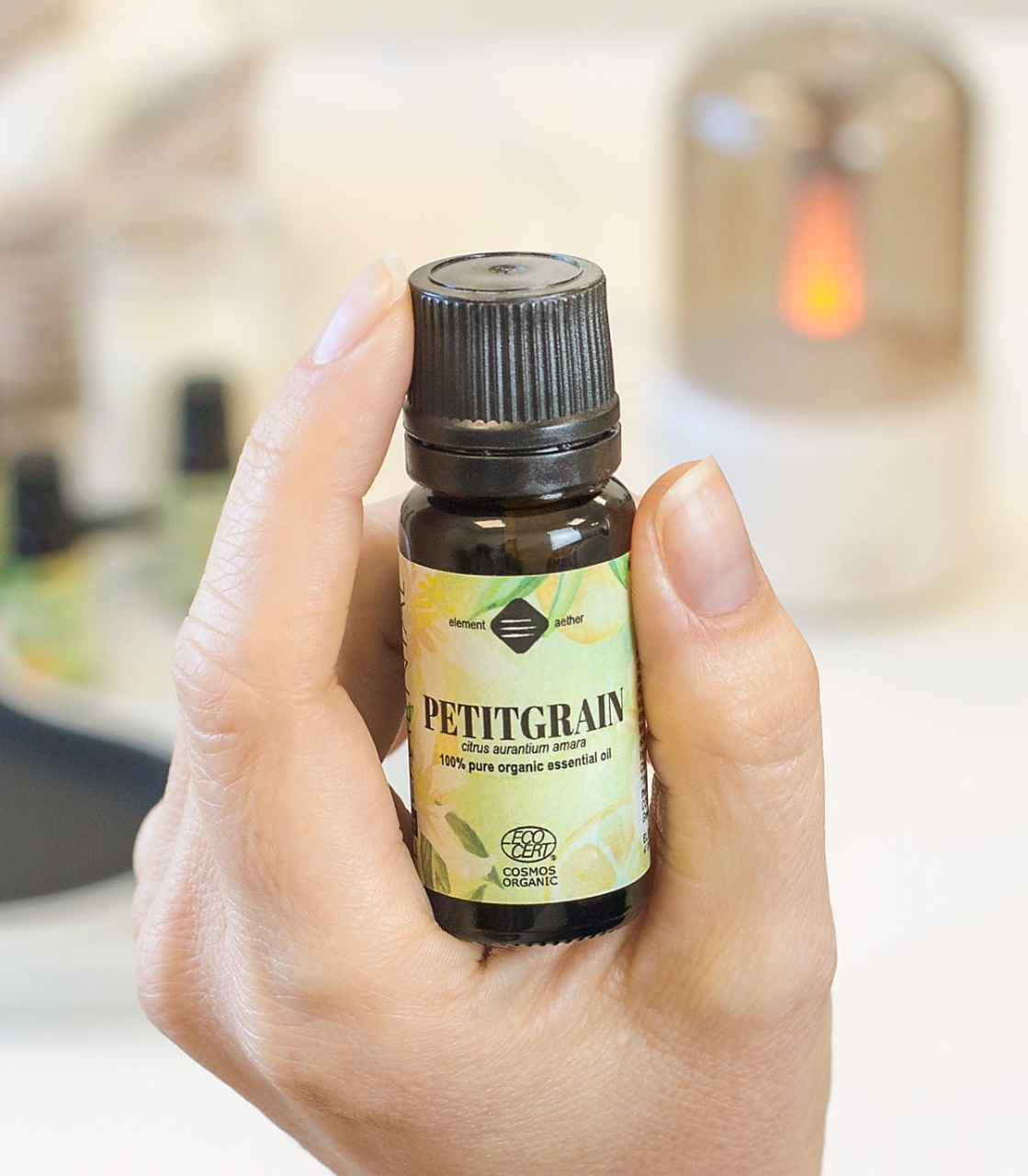
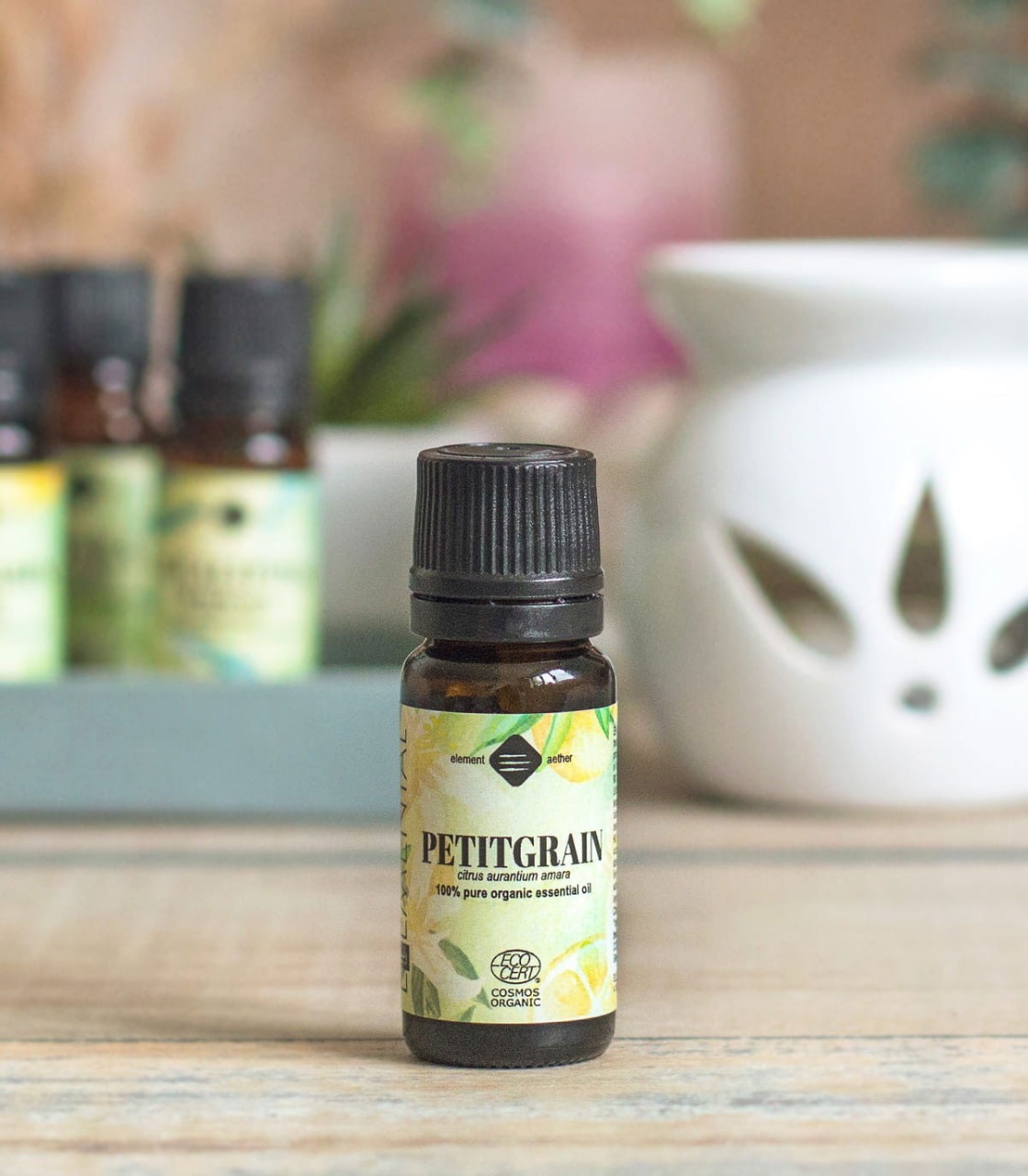
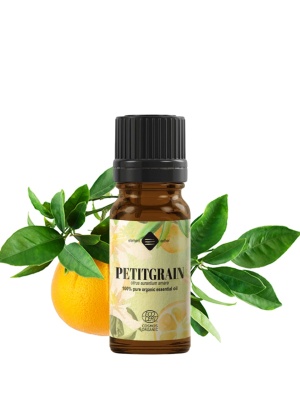
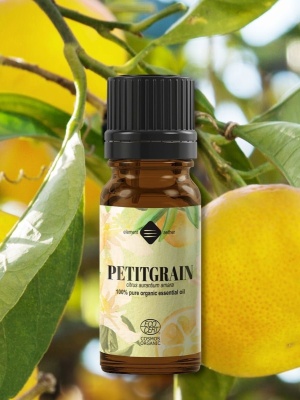
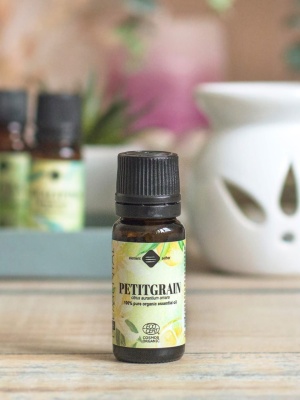
Petitgrain (Citrus aurantium amara) is extracted from the leaves and young branches of the bitter orange tree, the very same tree that produces Neroli from its flowers and Bitter Orange from its fruit peel. Three completely different oils from the same plant. Petitgrain captures the "green" and herbaceous essence of the tree: fresh, fruity-floral, with a slightly bitter base and notes of classic cologne. Its primary applications include oily and acne-prone skin, a seborrheic scalp, natural deodorants, nervous relaxation, and as an antispasmodic for cramps and muscular tension. An affordable oil that covers a remarkably wide range of uses.
Its biochemical profile explains this versatility, with an emphasis on linalyl acetate, which clarifies why Petitgrain possesses calming and antispasmodic properties similar to lavender, yet maintains a completely different olfactory character.
The difference compared to Neroli, with which it shares the same plant: Neroli contains heavy indolic compounds that give it an intoxicating floral depth, whereas Petitgrain is cleaner, greener, and more suitable for everyday use.
air Olfactory profile: Fresh, fruity-floral, green, and bitter, with notes of classic cologne and a slightly herbaceous base. More sober than Neroli, more complex than classic citruses.
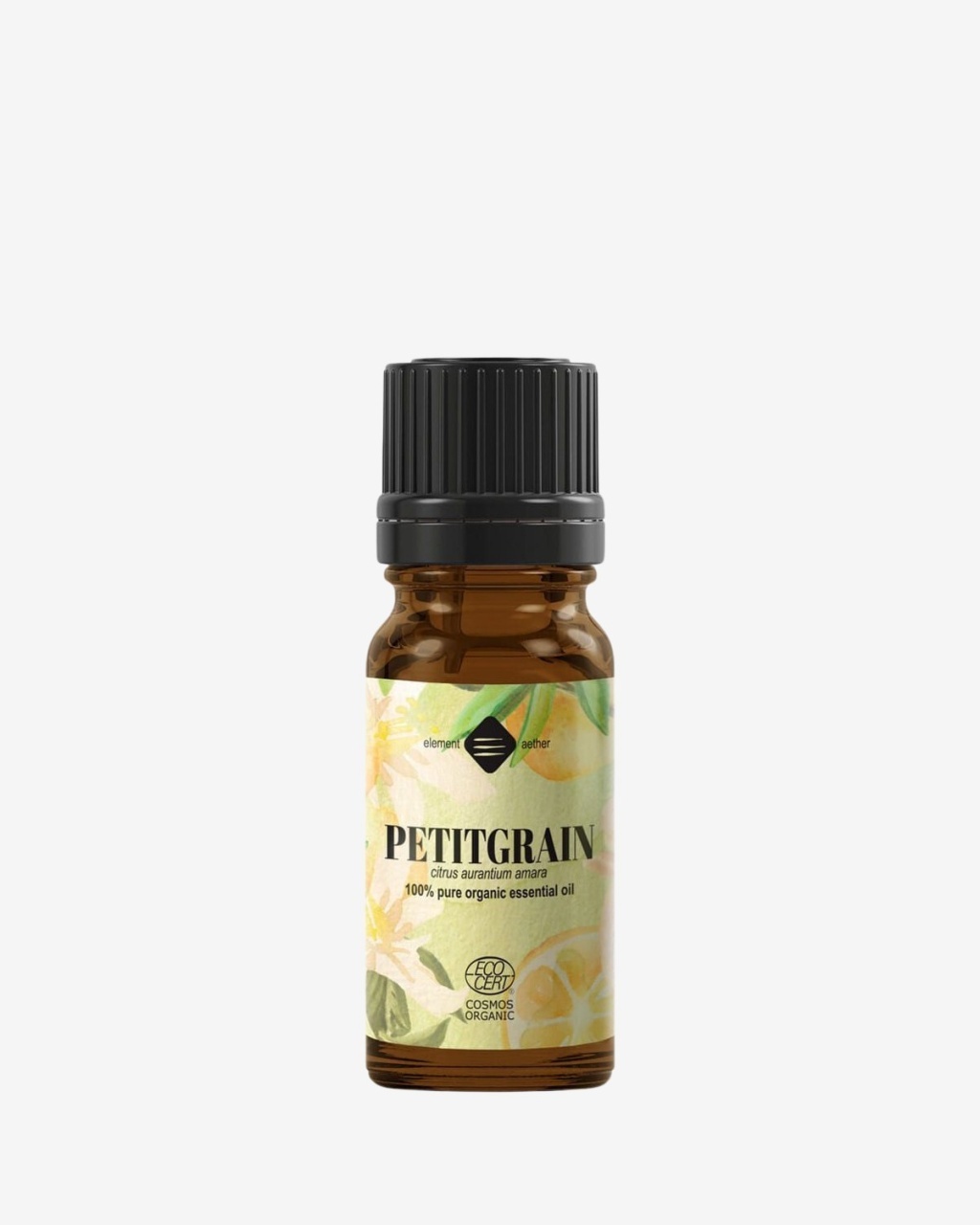
Ingredients: Petitgrain Essential Oil (Citrus Aurantium Amara Leaf/Twig Oil)
*100% of the total ingredients come from organic farming
COSMOS ORGANIC certified by Ecocert Greenlife in accordance with the COSMOS standard
100% pure and natural, E.O.B.B.D. botanically and biochemically defined, full spectrum, unfractionated, undiluted
Obtained by steam distillation from the leaves and young branches of Citrus aurantium amara
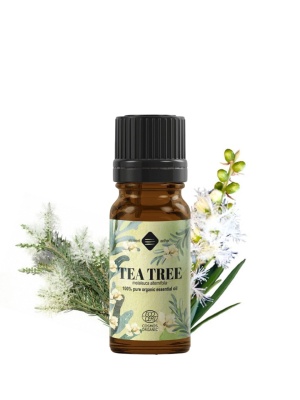
Oily, acne-prone, and seborrheic skin: Clary Sage Essential Oil, Litsea Cubeba Essential Oil, Organic Tea Tree Essential Oil, Organic Jojoba Oil.
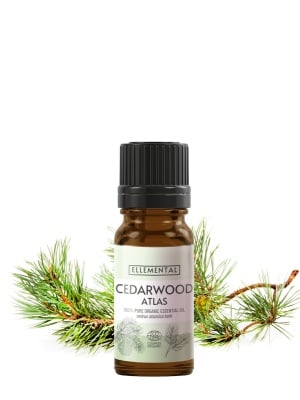
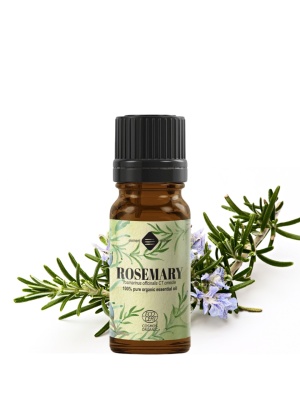
Oily scalp, hair treatment: Organic Rosemary Essential Oil, Organic Cedarwood Atlas Essential Oil, Clary Sage Essential Oil, Ricin Oil, Organic Black Cumin Oil.
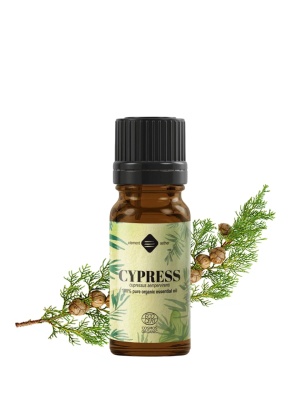
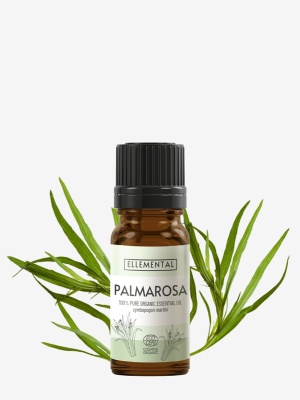
Natural deodorant: Organic Palmarosa Essential Oil, Organic Cypress Essential Oil, Sage Officinalis Essential Oil.
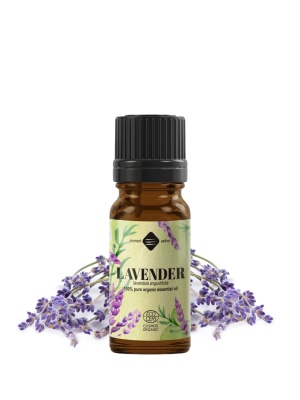
Nervous relaxation, antispasmodic: Organic Lavender Essential Oil, Roman Chamomile Essential Oil, Marjoram Essential Oil, Red Mandarin Essential Oil, St. John's Wort Oil.
Aromatherapy: Amyris Essential Oil, Copaiba Essential Oil, Neroli Essential Oil, Sandalwood Essential Oil.
Perfumery: Neroli Essential Oil, Peru Balsam Essential Oil, Sweet Orange Essential Oil, Ylang-Ylang Essential Oil, Cedarwood Virginia Essential Oil.
Petitgrain essential oil is used exclusively as an ingredient in cosmetic preparations and aromatherapeutic compositions. Do not apply undiluted to the skin. For maximum dosages, consult the IFRA certificate attached to the product.
Q: What is the difference between Petitgrain, Neroli, and Bitter Orange peel oil, are they from the same plant?
A: Yes, all three originate from Citrus aurantium amara, but from different parts. Petitgrain oil is distilled from the leaves and young twigs, Bitter Orange oil is obtained from the fruit peel (an essence often used for aperitifs and liqueurs), and the most expensive among them, Neroli, is extracted exclusively from the blossoms.
Q: Why is it called "Petitgrain"?
A: The name comes from the French phrase "petit grain," meaning "small seeds" or "little grains." It refers to the fact that, historically, the oil was extracted from the small, green, unripe miniature fruits of the orange tree. Today, it is predominantly extracted from the leaves, but the traditional name has remained.
Product for cosmetic, aromatic, and perfumery use. Do not apply undiluted to the skin.
Store in a dry and cool place, away from direct sunlight. Keep out of reach of children.
For dilutions in accordance with legal regulations, consult the IFRA certificate attached to the product on the website.
Sensitive individuals should perform a tolerance test; perform a skin patch test in the bend of the elbow 24 hours before use. Avoid contact with eyes and sensitive mucous membranes. In case of an accident, rinse abundantly with a vegetable oil.
For use during pregnancy, breastfeeding, in case of chronic diseases, for the elderly, or for young children, the recommendation is to consult a doctor.
Write a valid review and earn loyalty points worth €0.40