








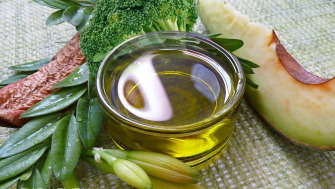
Formula: 4165 Difficulty level: beginner Shelf life: min 6 months pH optimal: - Phase Ingredients Total 30 ml A Avocado oil 10 ml A Coco-Silicone 10 ml A Hemp seed oil 8 ml A Broccoli oil 1 ml A...


| Product size | Suitable pump | |
| 50 ml, 90 g, 100 ml |
|
|
| 200 g, 250 ml |
|
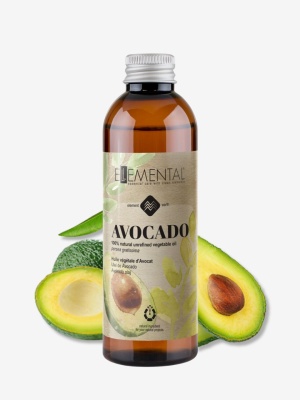
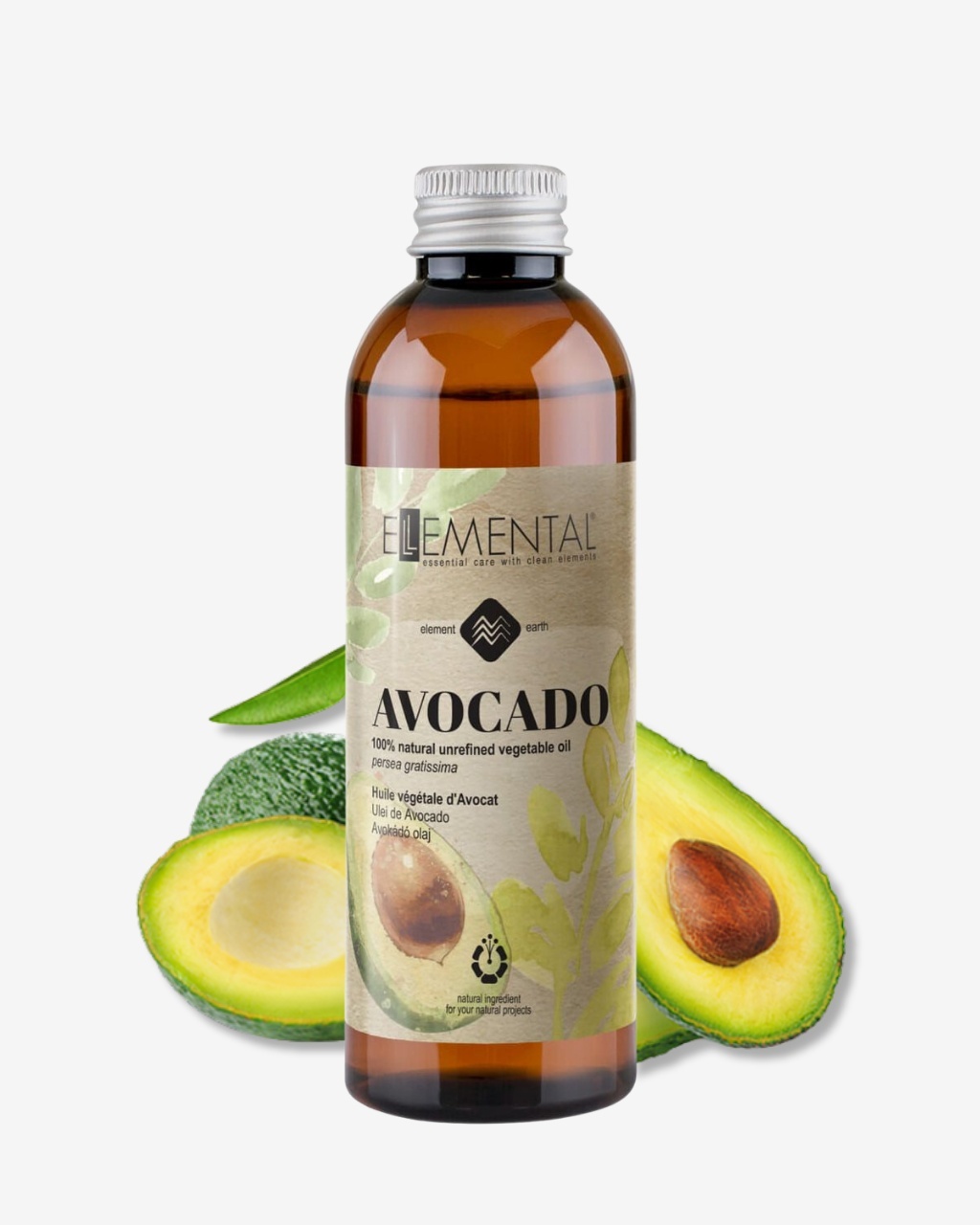
Avocado Oil (Persea gratissima) has a remarkable concentration of carotenoids, phytosterols, fat-soluble vitamins, and fatty acids. It is highly nourishing with a dense texture, recommended primarily for dry, mature, fragile, or devitalized skin. It deeply nourishes and maintains skin elasticity, contributing to a plumper and more supple appearance of the complexion.
It is obtained through mechanical processes from the lipid-rich pulp of the avocado fruit, not from the seed. The texture is richer and more viscous than most face oils, and its absorption is slower, but it leaves a longer-lasting feeling of care. It works excellently as an ingredient in formulations, where it can be diluted with lighter oils to balance its texture. It is a good choice in hair care for dry, color-treated, or structurally damaged hair.
Ingredients: Persea Gratissima Oil
100% natural, free of preservatives, free of additives.
Avocado Oil is the ideal ingredient for dry, mature, or tired and devitalized skin. It is not recommended as a single oil on oily or acne-prone skin, as its richer texture and high viscosity can be unfavorable. On dry or mature skin, it can be used pure in the evening, or diluted with lighter oils for daytime use.
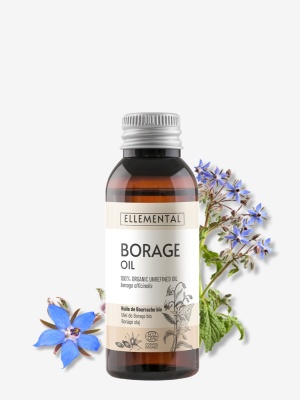
For a nourishing anti-aging serum, the synergy with Rosa Mosqueta Oil, Acmella In-Tense, and Argan Oil is a good choice. On mature skin in need of tone and nourishment, the association with Borago Oil, Sea Buckthorn Oil, and Bakuchiol offers a broad spectrum of care. As an ingredient in creams for dry sensitive skin, combining it with Bisabolol, Carrot CO2 Extract, and Ceramides completes the protection of the skin barrier.
At the body level, Avocado oil excels in anti-stretch mark formulas, nourishing body creams, and massage oils for dry skin. Its nutritional richness makes it an optimal choice for products targeting areas with thicker skin or those prone to chronic dehydration (elbows, knees, soles).
For a complete anti-stretch mark formula, it combines well with Rosa Mosqueta Oil, Wheat Germ Oil, or Rosehip CO2 Extract. As an ingredient in nourishing creams for dry and mature skin, the association with Monoi Oil and Bisabolol offers both nutrition and a soothing effect. As a body massage base, combining it with Isoamyl Laurate, Caprilis, or Dicaprylyl Carbonate balances the texture.
On hair, Avocado oil is a nourishing treatment for dry, chemically damaged hair, or a dry scalp. Due to its rich texture, it is recommended to dilute it with lighter oils or to use it as a rinse-off treatment, not as a leave-in serum, as it will weigh down the strands.
For a nourishing hair mask, combining it with Broccoli Seed Oil, Babassu Oil, and Amla Oil completes nutrition at both a surface and structural level. As a dry scalp treatment, the association with Ricin Oil and Ylang-Ylang Essential Oil provides a balanced nutritional spectrum.
Why can the oil be cloudy sometimes?
Occasional turbidity is a natural phenomenon of unrefined oil, caused by fine pulp particles or temperature variations. It does not affect the quality or properties of the product.
Is it suitable for oily skin?
It is not the first choice for oily or acne-prone skin. Its high viscosity and rich oleic acid content can create discomfort on skin that already produces a lot of sebum. On combination skin, it can be used occasionally in low concentrations or only on drier areas.
Does it smell like guacamole?
It does not have a scent identical to the freshly prepared fruit. It is much more subtle, slightly vegetable with raw-green notes.
Safety in use
Cosmetic product for external use only. Do not ingest. Avoid contact with eyes.
Storage, preservation
Keep the bottle tightly closed, in a cool place, away from direct light.
Write a valid review and earn loyalty points worth €0.40