




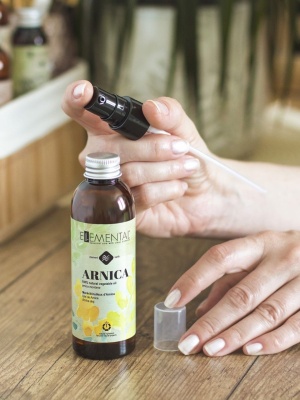
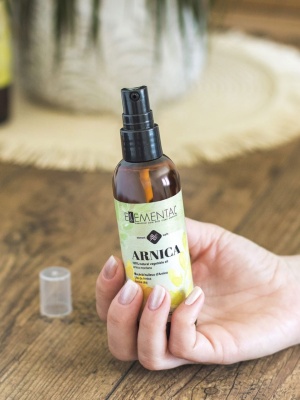


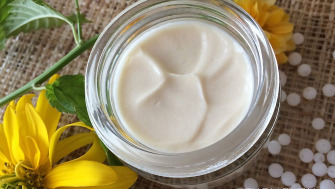
Formula: 24511 Difficulty level: medium Shelf life: min 3 months pH optimal: 5.5 Phase Ingredients Dosage % Total 30 gr A Evening Primrose oil 10 3 gr A Arnica oil 5 1,5 gr A Coco-silicone 7 2,1 gr A...
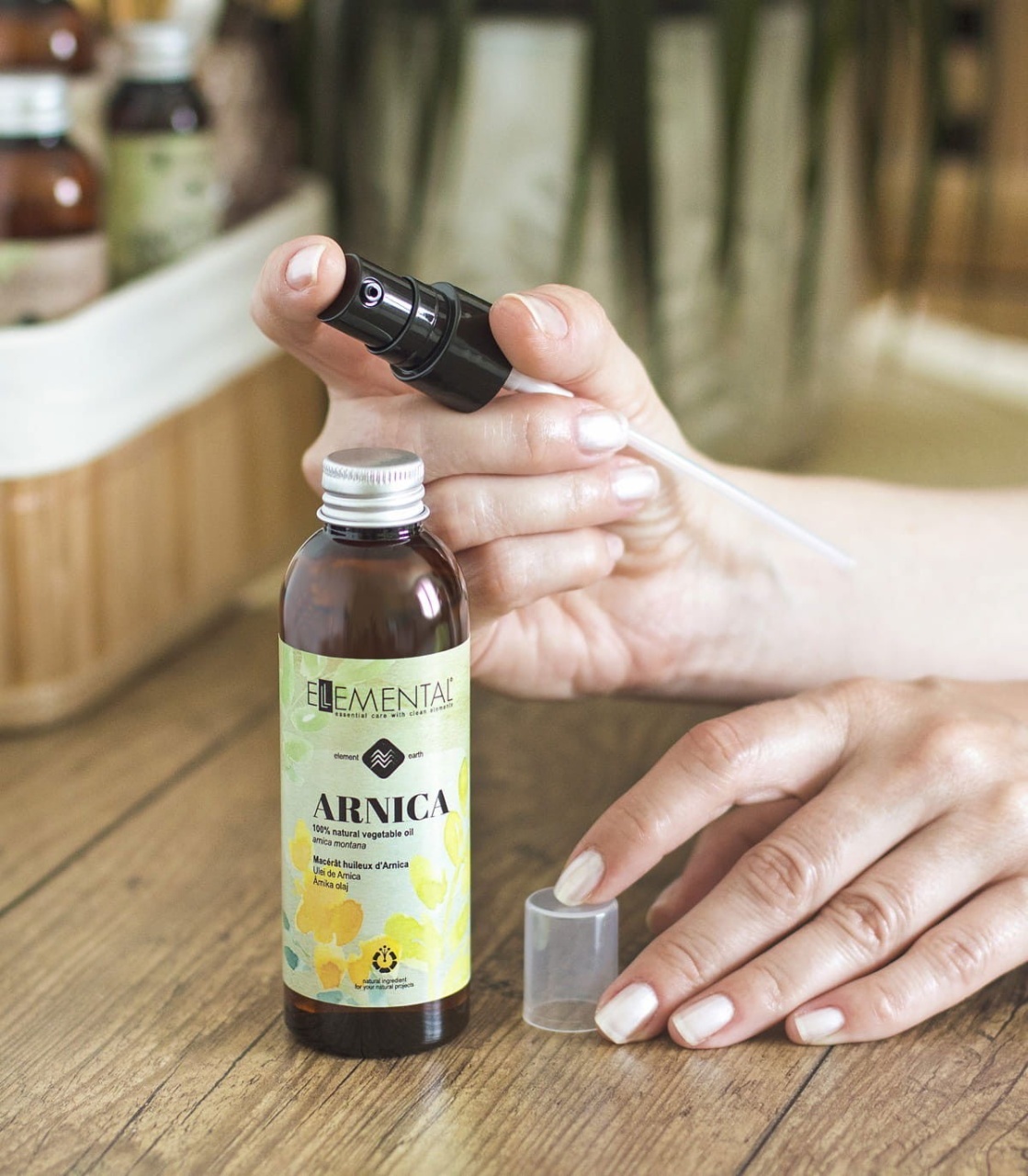
| Product size | Suitable pump | |
| 50 ml, 90 g, 100 ml |
|
|
| 200 g, 250 ml |
|
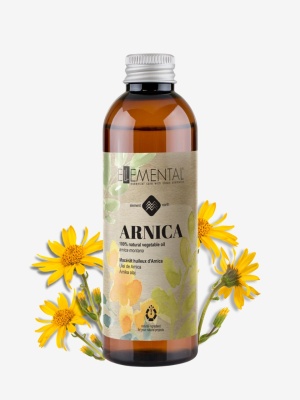
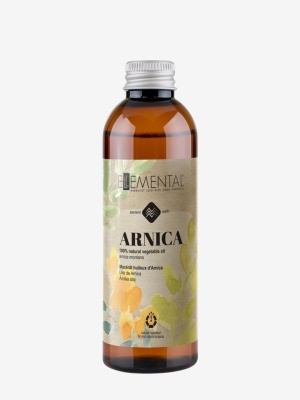
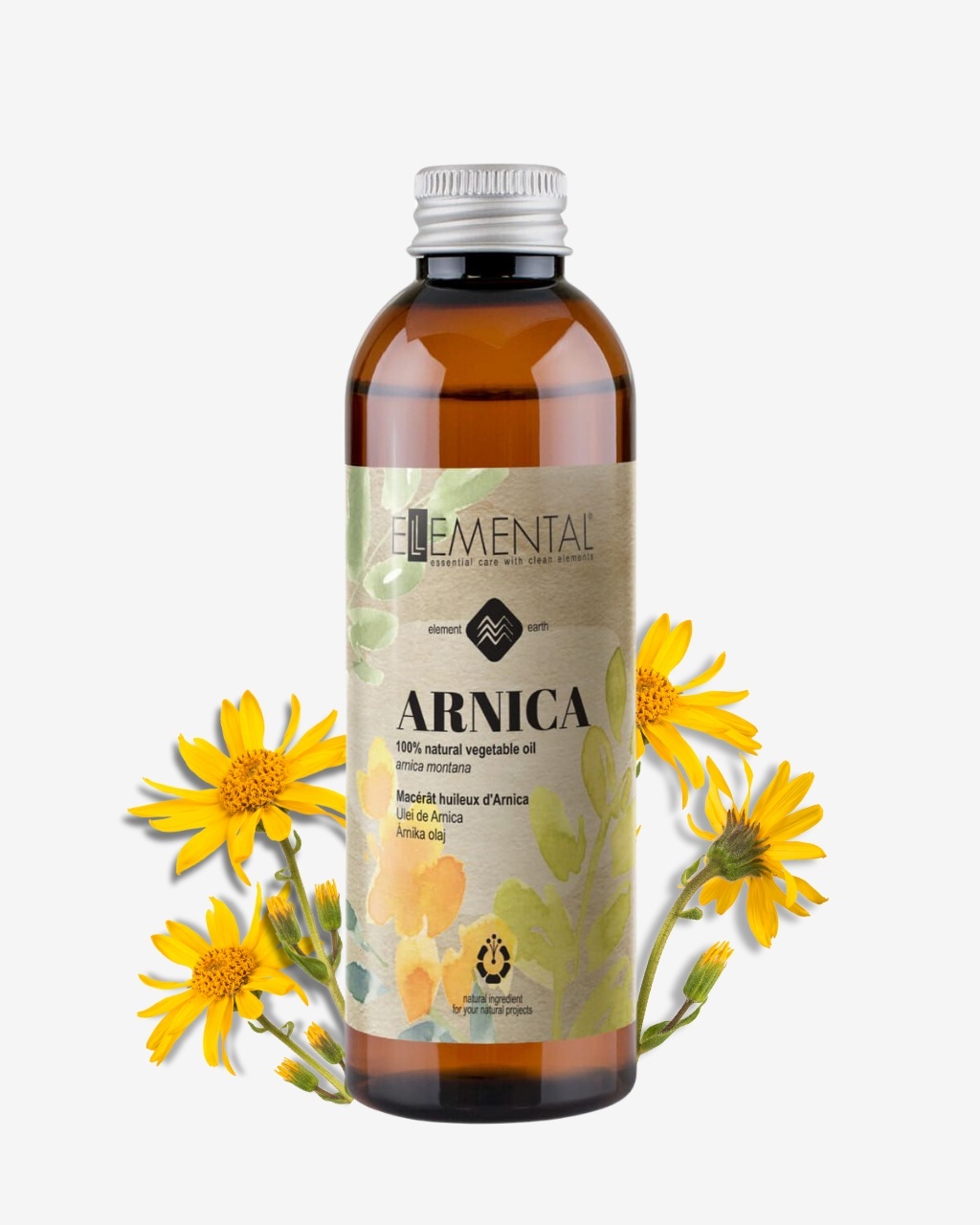
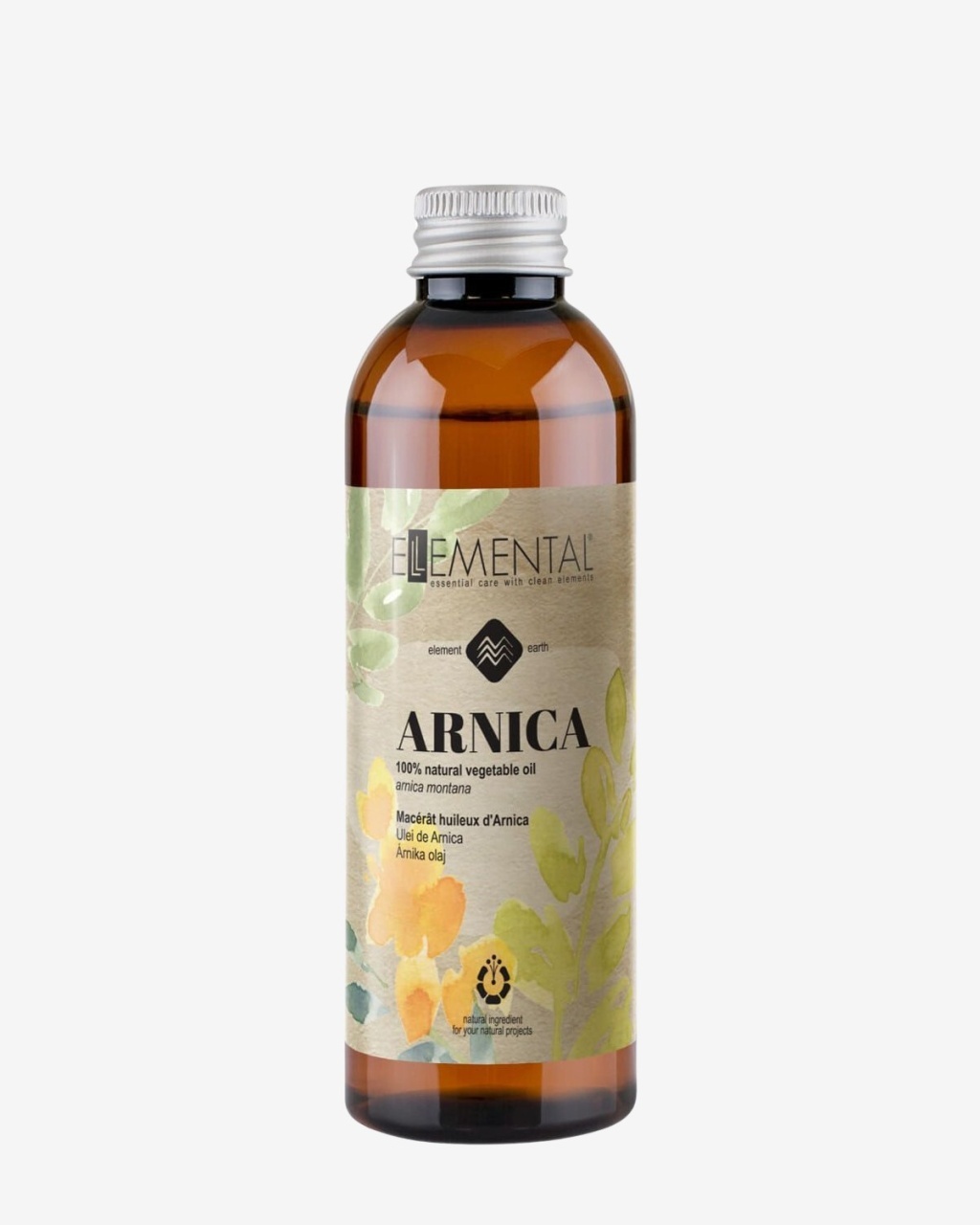
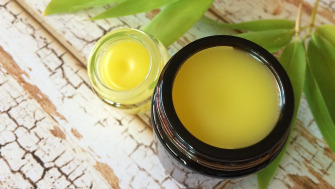
Arnica Oil (Arnica montana) is not a face care oil or a routine emollient; it is an oily extract traditionally used in external therapeutic applications such as recovery after physical trauma, bruises, contusions, sprains, and muscle or joint pain. This is the ideal product for an active person or an amateur athlete.
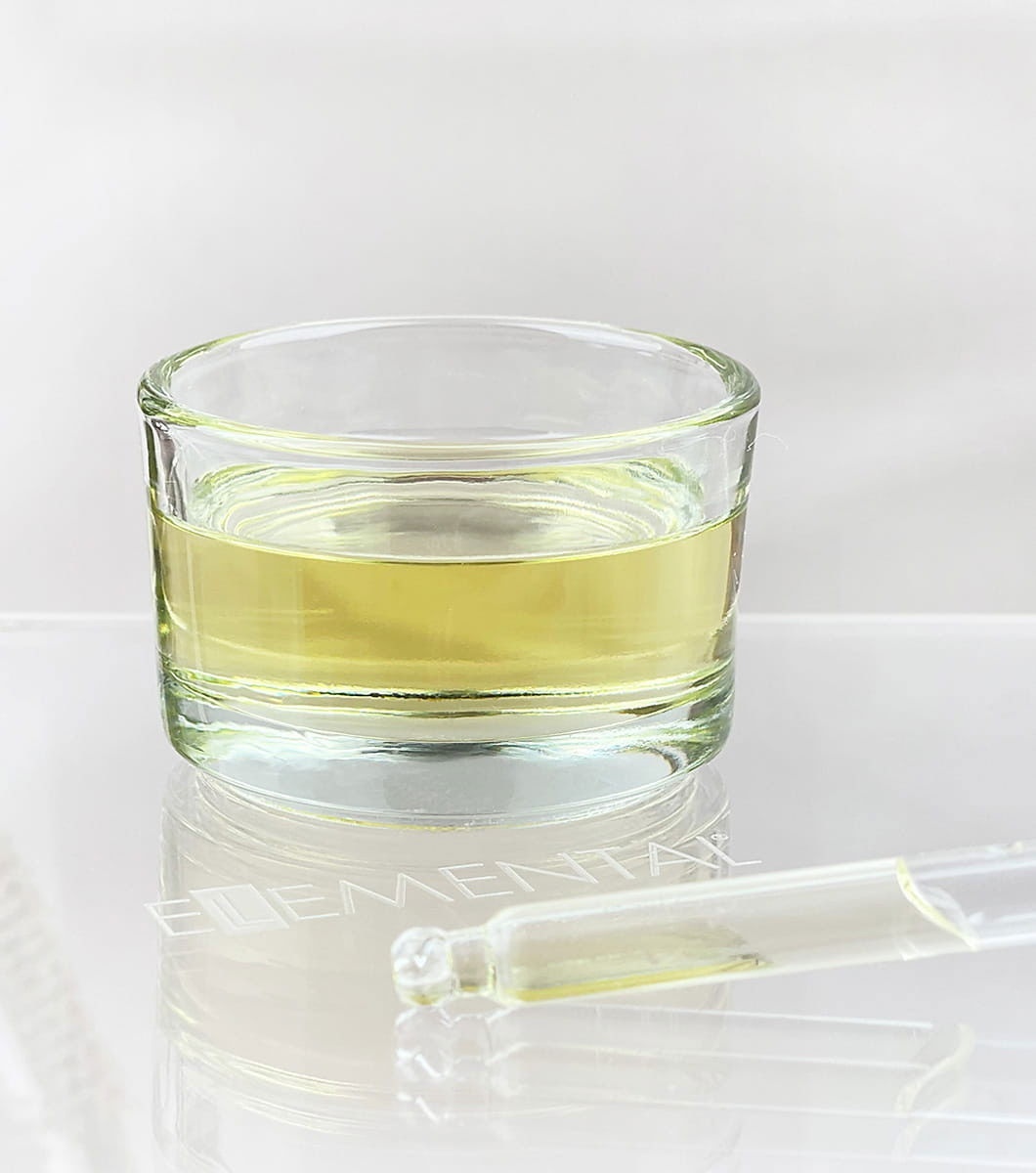
It is a macerate obtained by infusing Arnica montana flowers in sunflower oil. Arnica flowers contain sesquiterpene lactones (helenalin and its derivatives), which are responsible for the anti-inflammatory effect and capable of facilitating the reabsorption of superficial hematomas. The sunflower base ensures an efficient delivery of these active principles.
Ingredients: Helianthus Annuus Seed Oil, Arnica Montana Extract
*100% natural, free of preservatives or additives.
Arnica Oil is not recommended for the daily face care routine. It can be irritating if applied to more sensitive skin types. Application on the face without dilution or in the eye and lip area is not recommended.
Application on the face is limited and exceptional. If necessary, it should be diluted in Sweet Almond Oil or Calendula Oil, and the concentration of arnica should not exceed 10–15%.
This is the main area of use for Arnica oil. It is preferred in massage oils for physical recovery, products for athletes, joint balms, and post-trauma formulas. It can be used alone or as an active ingredient in creams, balms, or ointments. Do not apply to broken, abraded skin or open wounds.
For a recovery oil after physical exertion or trauma, it complements well with Lavender Essential Oil, Peppermint Essential Oil, Calendula Oil, and Wintergreen Essential Oil for a broad spectrum of action.
Arnica Oil is not a standard ingredient in hair care. It can be included in low concentrations in scalp oils to stimulate circulation, but it does not represent a primary choice for nourishing or restructuring the hair.
As a stimulating ingredient in scalp oils, it associates with Rosemary Essential Oil and Burdock Oil as a base, within a dedicated scalp formula.
Can it be used on broken skin or wounds?
No. Arnica Oil must never be applied to skin that has cuts, open wounds, or eczema with active lesions. It is intended exclusively for application on intact skin.
How long after a bruise appears can it be applied?
It can be applied immediately after the appearance of the bruise, on intact skin. The reabsorption effect on superficial hematomas is better the more timely the application is. Do not apply to areas with suspected fractures or deep hematomas without medical consultation.
Is it suitable for children?
Caution and the advice of a specialist are recommended before use on the skin of young children due to the concentration of active principles.
Safety in use
Cosmetic product for external use only. Do not ingest. Do not apply to broken or wounded skin. Avoid contact with eyes and mucous membranes. People with allergies to plants of the Asteraceae family should exercise caution. Keep out of reach of children.
Storage, preservation
Keep the bottle tightly closed, in a cool place, away from direct light.
Write a valid review and earn loyalty points worth €0.40