





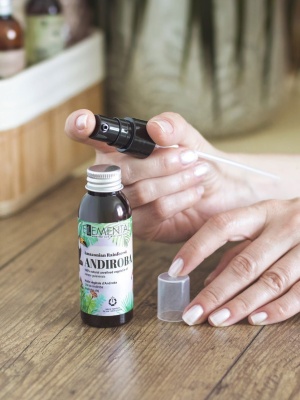
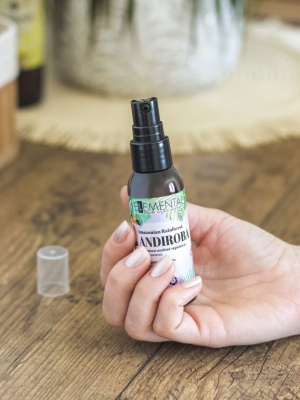


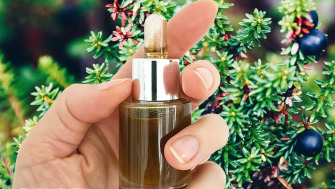
Formula: 36201 Difficulty level: beginner Shelf life: min 6 months pH optimal: - Phase Ingredients Dosage % Total 30 gr A Bacuri Butter 10 3 gr A Pracaxi oil 25 7,5 gr B Pequi oil 20 6 gr B Ojon oil...
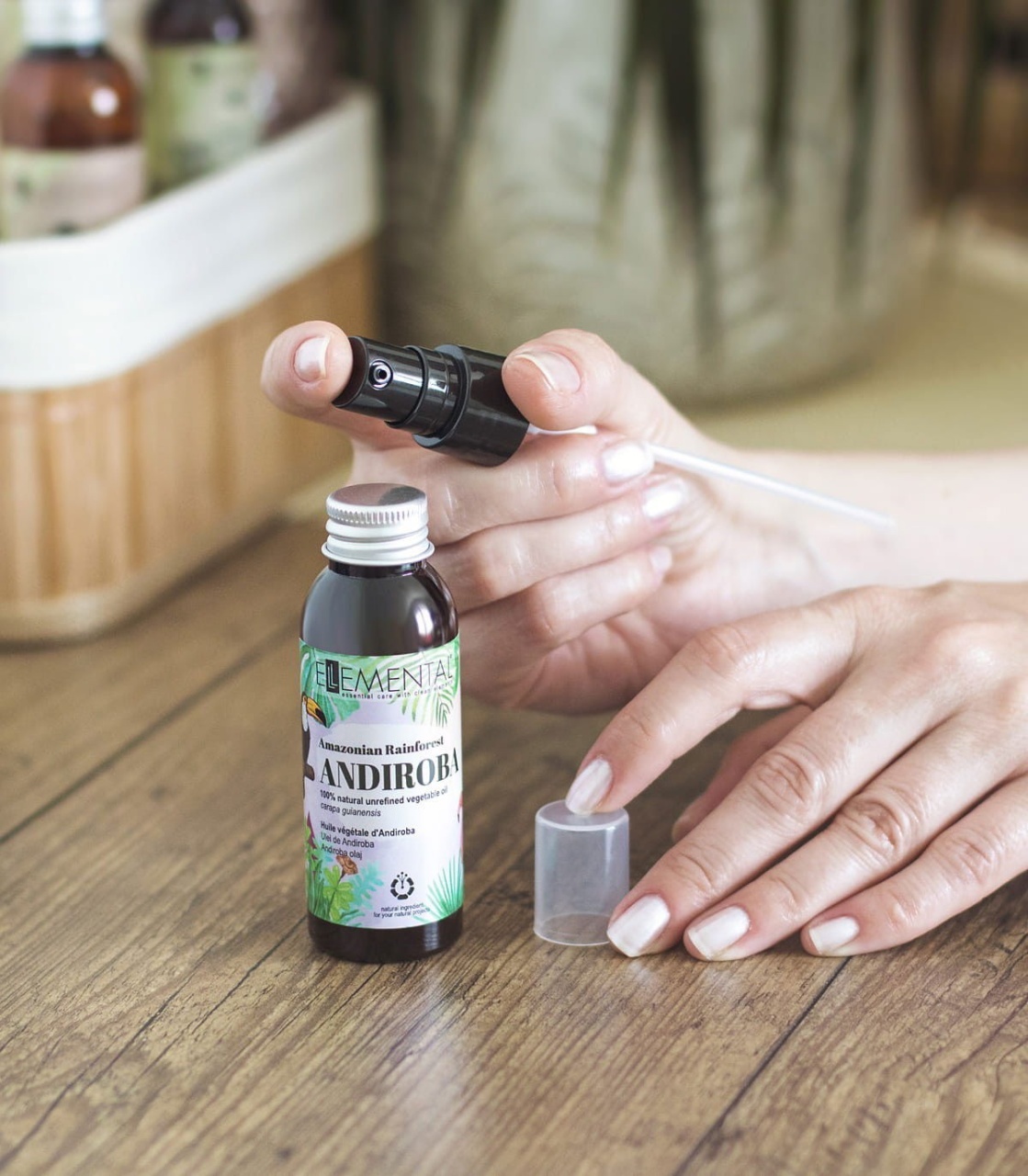
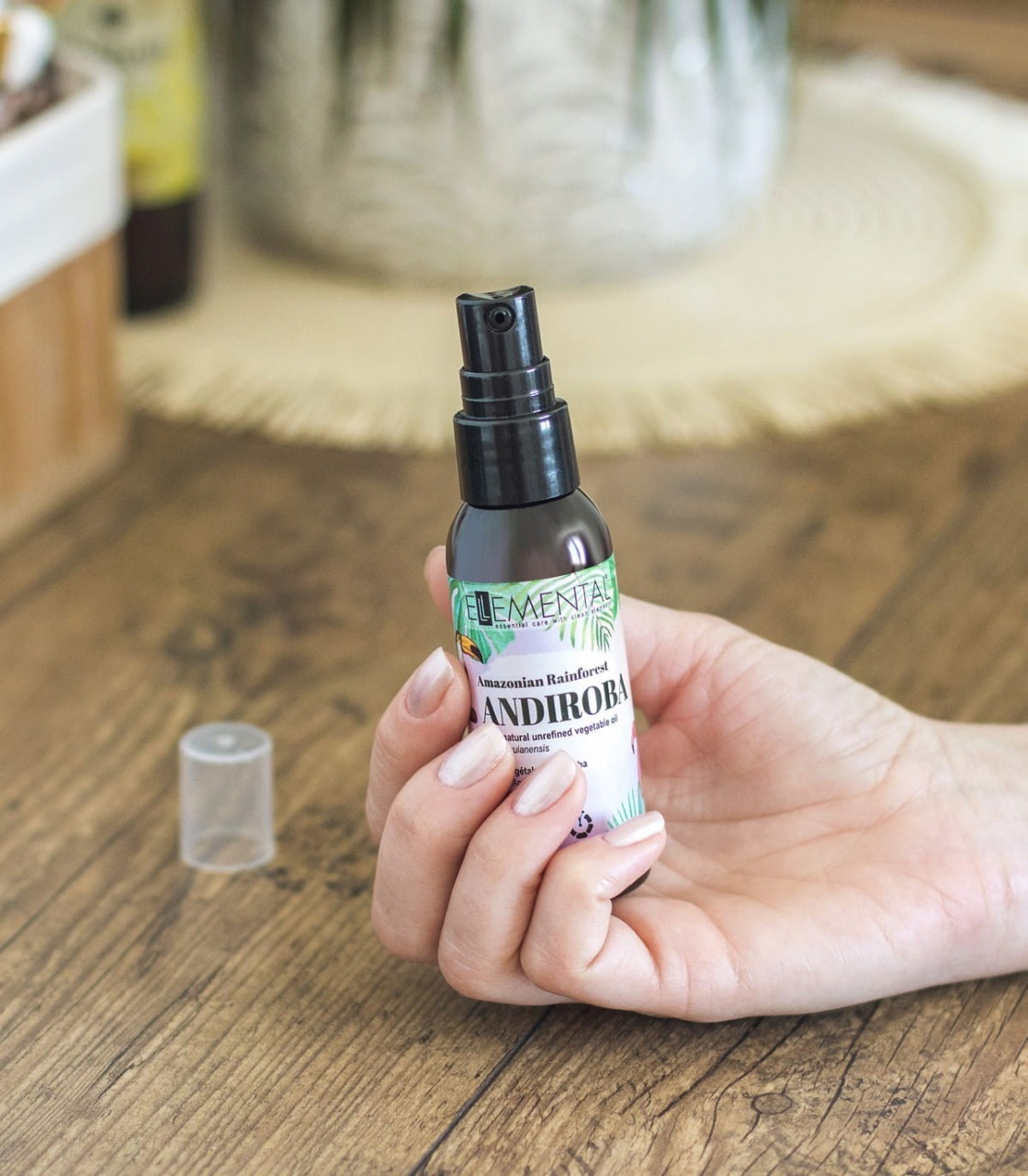
| Product size | Suitable pump | |
| 50 ml, 90 g, 100 ml |
|
|
| 200 g, 250 ml |
|
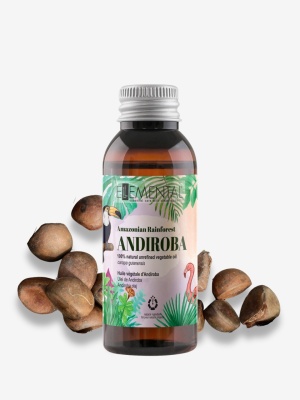
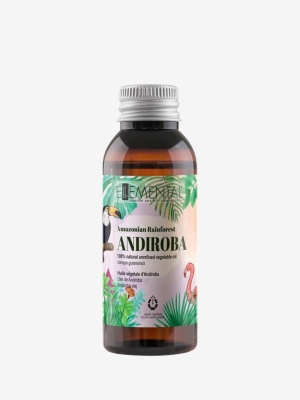
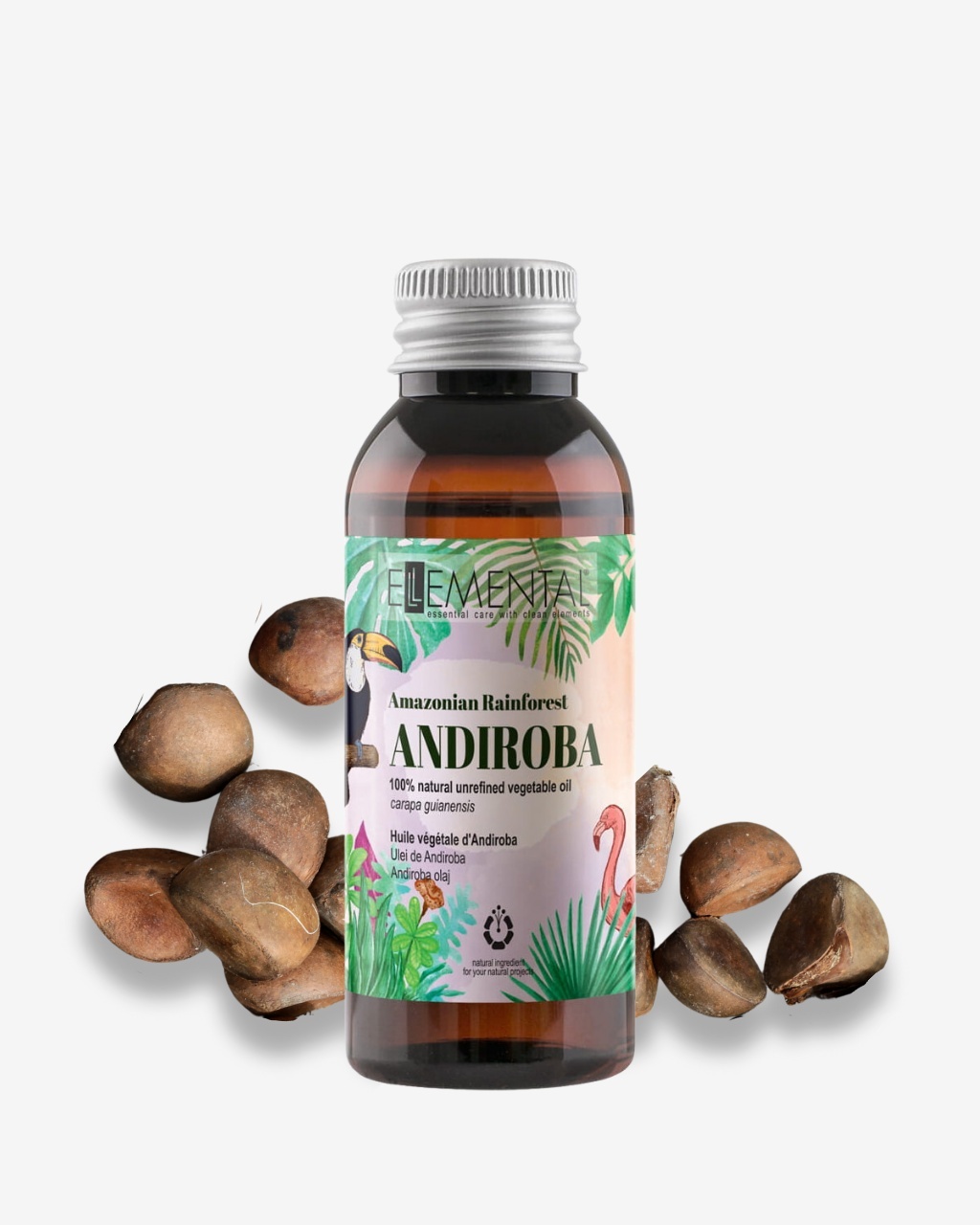
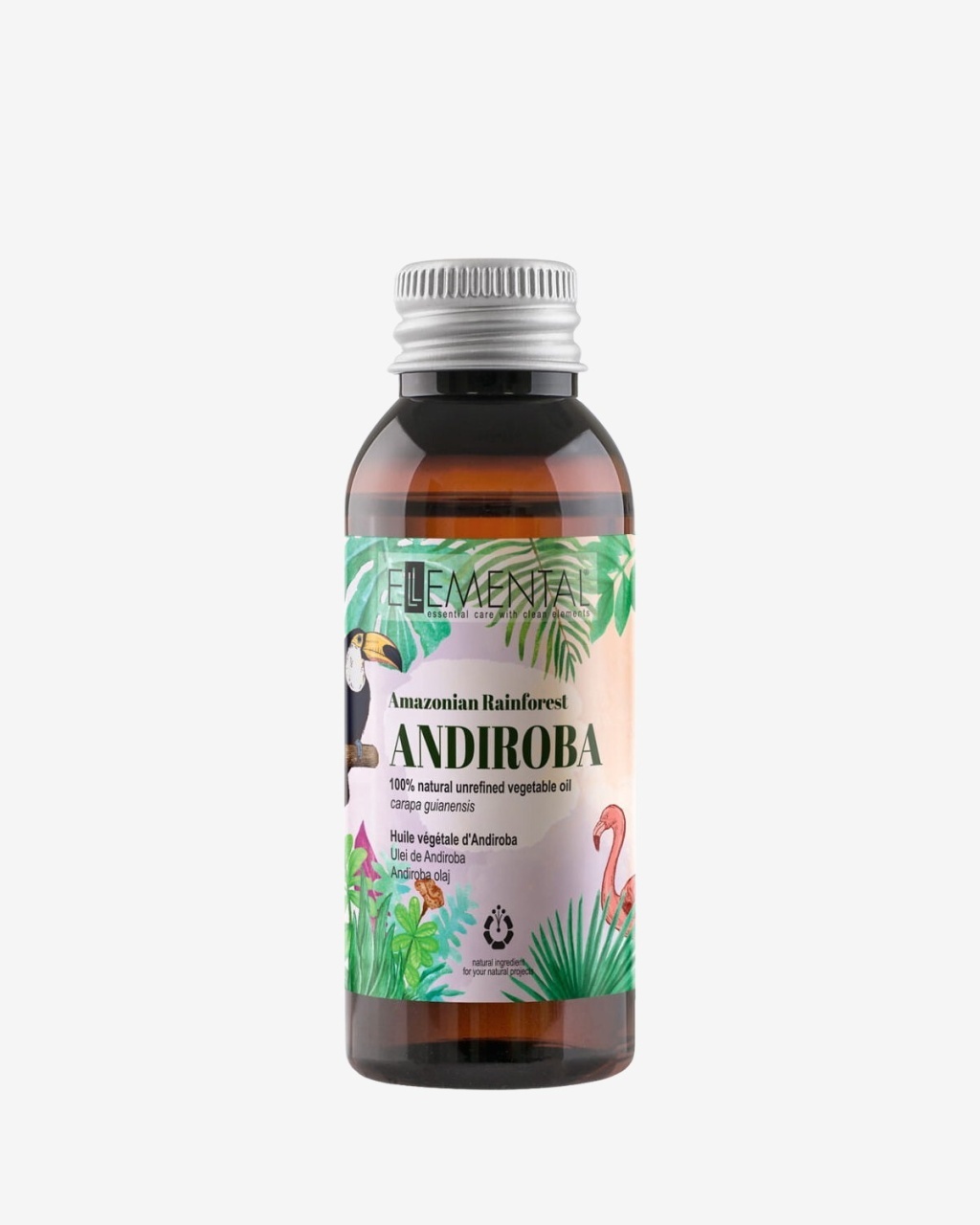
Andiroba Oil (Carapa guianensis) is a rare vegetable oil, cold-pressed from the seeds of the Amazonian Carapa tree, directly from Brazil. What makes it distinctive from other vegetable oils is not its fatty acid profile, which is relatively classic, but the presence of limonoids, rare compounds from the terpenoid family, especially andirobin, with documented anti-inflammatory and antiallergic properties. It is an oil for skin that needs more than basic nutrition: dry and irritated skin with an inflamed appearance or skin prone to cutaneous allergic reactions.
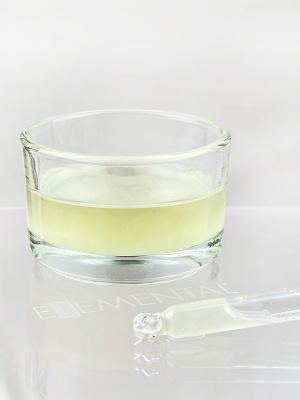
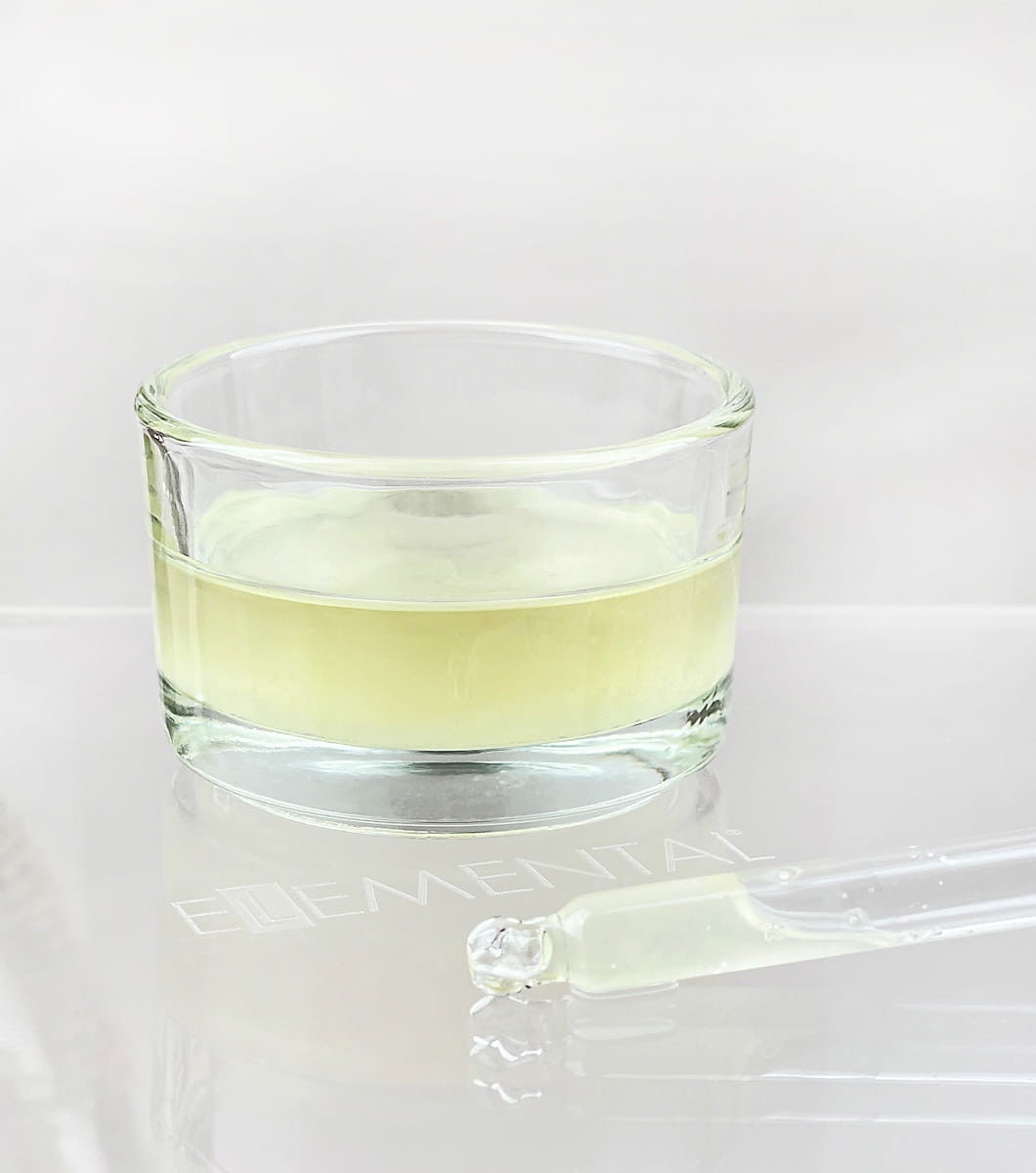
The texture is fluid or slightly pasty depending on the temperature, with a yellowish color and a subtle scent. Absorption is good, without excessive greasy residue. It is a niche ingredient, less known to the general public, but appreciated by formulators working on products intended for sensitive, reactive skin or skin with chronic conditions.
Ingredients: Carapa Guianensis Seed Oil
100% natural, free of preservatives, free of additives.
On the face, Andiroba oil is particularly relevant for sensitive, reactive skin, or skin prone to rashes and redness. It is not an ingredient for oily or acne-prone skin in large doses (the oleic acid content might not be ideal), but in moderate concentrations, the anti-inflammatory effect is welcome on skin with irritation or sensitivity issues.
For a soothing serum intended for sensitive skin, the synergy with Bisabolol and Calendula Oil is complementary and well tolerated. As an anti-redness ingredient, it associates well with Organic Camellia Oil and Olive-Silicone for a pleasant texture and a cumulative soothing effect.
At the body level, Andiroba oil is utilized in massage oils with an anti-inflammatory effect and in products intended for dry, cracked skin or chronic skin discomfort. It is an optimal ingredient for very dry skin on hands and feet, or for areas with thickened skin. It can be used pure or in a blend.
For a massage oil with an anti-inflammatory and soothing effect, the synergy with Calendula or Milk Thistle Oil and Chamomile Essential Oil is efficient. For products intended for dry or atopic skin, the association with Oat Oil and Ceramides completes the care spectrum of the skin barrier.
On the hair, Andiroba oil is less commonly used as a main ingredient, but it can contribute to the care of a dry or irritated scalp, where anti-inflammatory properties are relevant. It is not an ingredient for smoothing the hair fiber; it is rather a soothing active for the scalp.
As a soothing active for the scalp, the synergy with Aloe Vera Oil and Eucalyptus Lemon Essential Oil provides a balanced treatment.
What differentiates it from other anti-inflammatory oils?
The presence of limonoids, specific compounds of the Meliaceae family to which the Carapa tree belongs, makes it unique. Andirobin, in particular, is a rare compound, non-existent in common vegetable oils. This explains why Andiroba oil is valued by formulators specializing in products for sensitive skin or chronic skin conditions.
Why has the oil solidified in the bottle?
Solidification at temperatures below 24°C is normal and attests to the purity of the oil. This is a normal phenomenon with no effect on quality. It liquefies easily by warming it in a warm water bath before use.
Does it have an unpleasant scent?
The scent is specific, earthy, bitter, and sometimes described as unpleasant.
Safety in use
Cosmetic product for external use only. Do not ingest. Avoid contact with eyes.
Storage, preservation
Keep the container tightly closed, in a cool place, away from direct light. Storage at low temperatures can cause cloudiness or partial solidification, which is remedied by gentle warming.
Write a valid review and earn loyalty points worth €0.40