




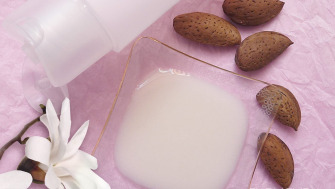
Formula: 81006 Difficulty level: medium Shelf life: min 3 months pH optimal: 5.5-6.0 Phase Ingredients Dosage % Total 150 gr A Emulsifier Alpha 6 9 gr A Almond oil 10 15 gr A Safflower oil 10 15 gr B...

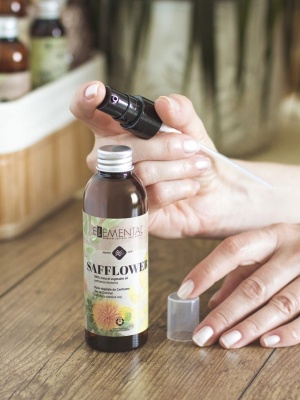
| Product size | Suitable pump | |
| 50 ml, 90 g, 100 ml |
|
|
| 200 g, 250 ml |
|
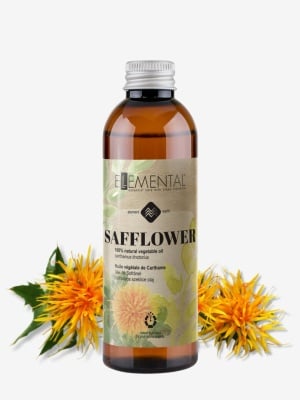
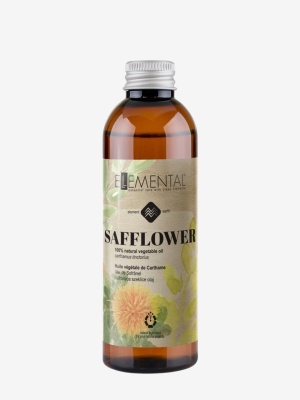
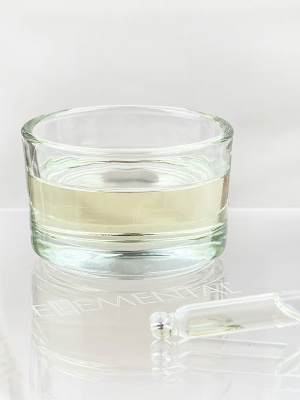
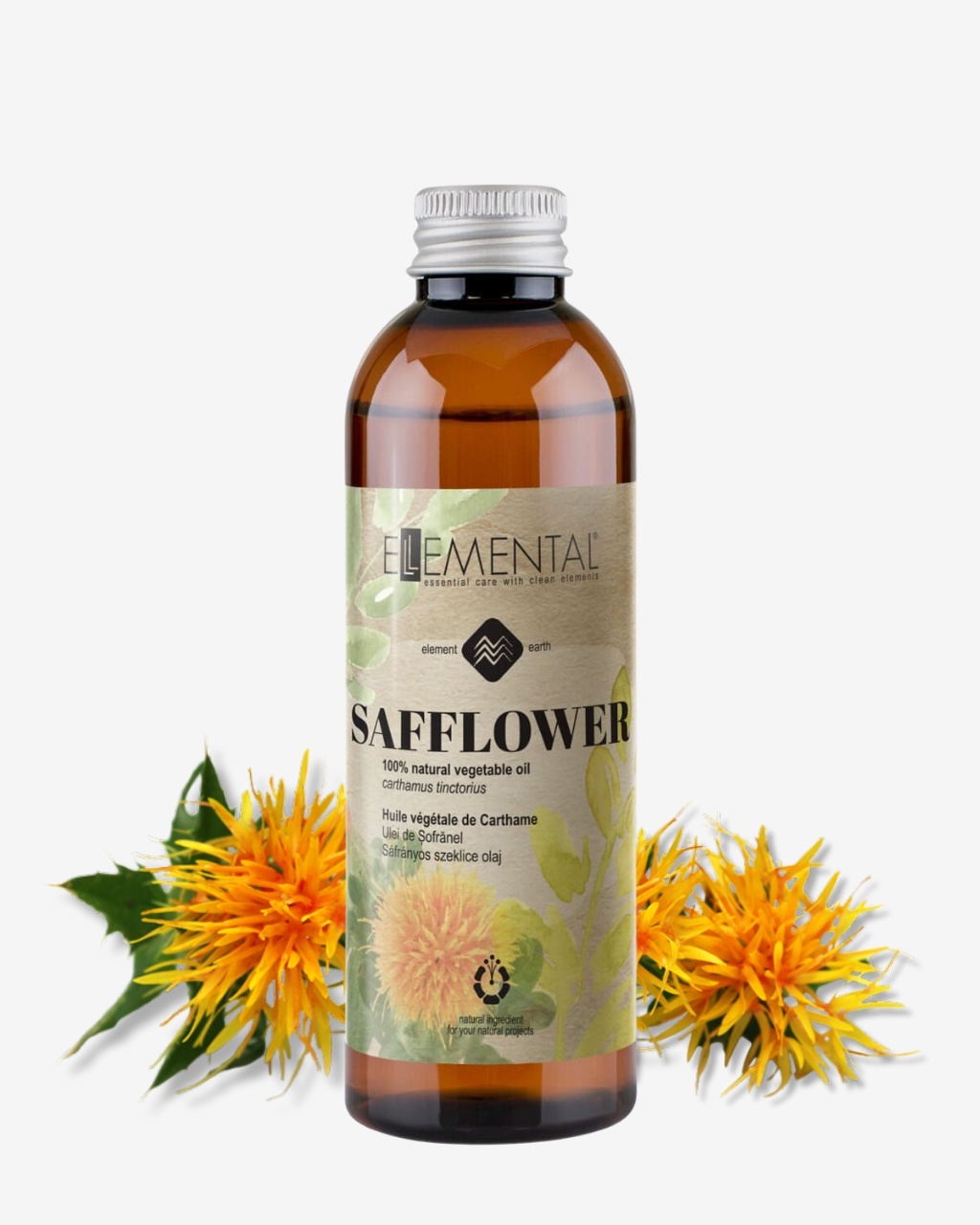
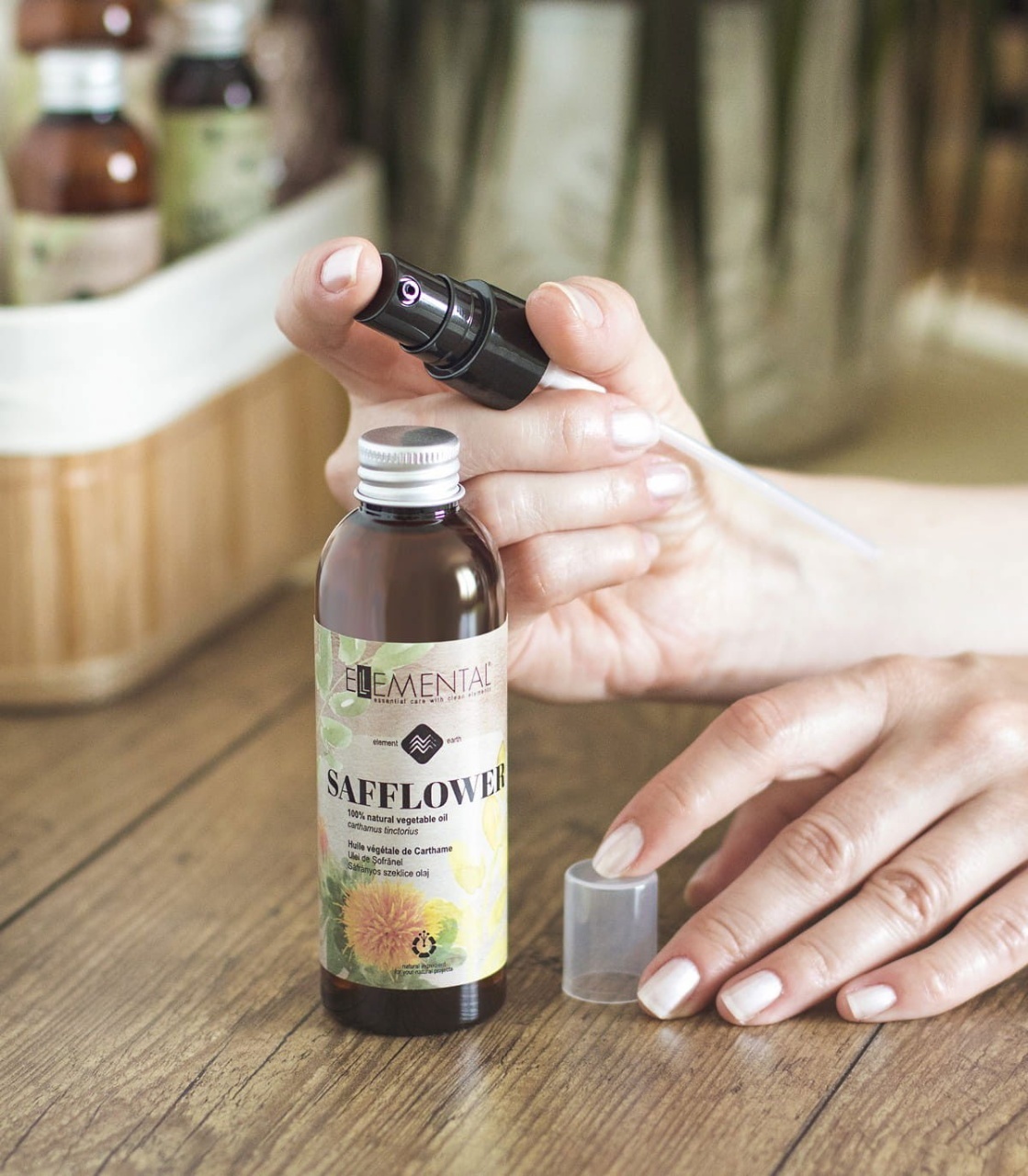
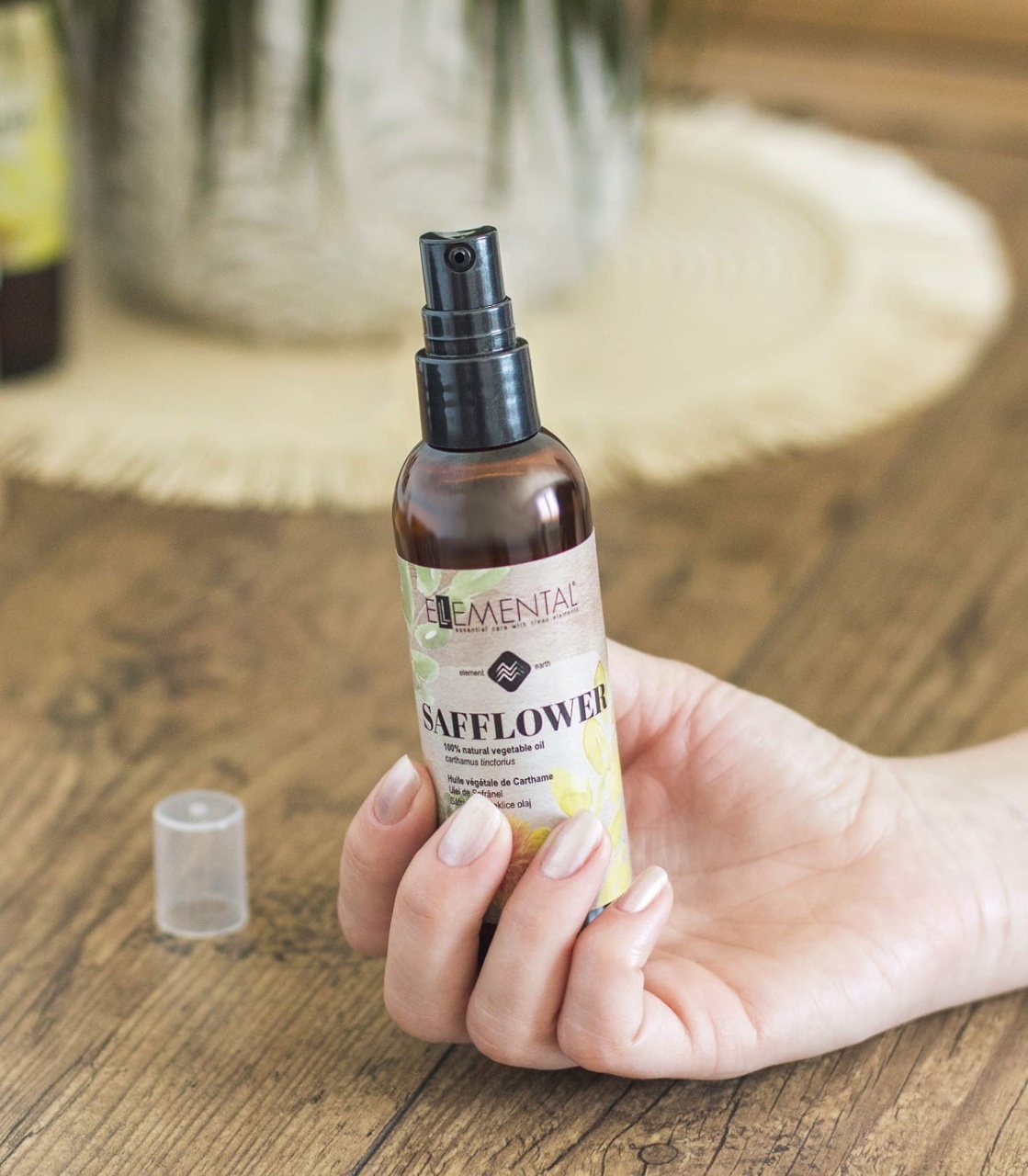
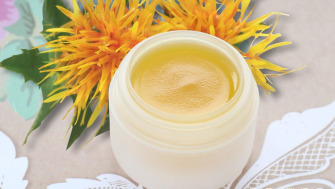
Safflower Oil (Carthamus tinctorius), valued for its restructuring and skin barrier protection properties, is recommended for all skin types and excels in the care of mature skin, dehydrated complexions, and skin prone to redness, offering immediate emollience and a sensation of comfort. It contains a high concentration of linoleic acid (Omega-6), which contributes to maintaining cellular cohesion and restoring intercellular cement.
It is used as an ingredient or as a carrier oil in a wide range of products, from serums for mature or dehydrated skin to eye contour creams and massage oils. It is primarily used in applications for skin barrier repair, sebum balancing, and soothing diffuse redness or couperose. In cosmetic applications, this oil is integrated into formulas intended for skin prone to redness, serving to soothe and protect the upper layers of the epidermis.
Ingredients: Carthamus Tinctorius Seed Oil
100% natural, free of preservatives, free of additives.
Safflower Oil is a good choice for the care of couperose, redness-prone, weathered skin with reduced elasticity. It is included in the composition of serums and creams for the dark circle area and in blends intended for facial massage for skin lacking tone.
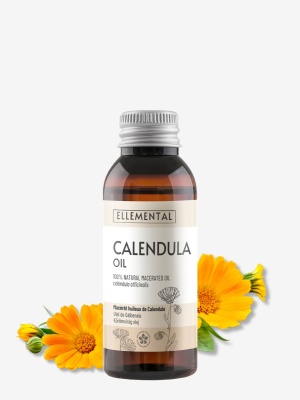
For skin with redness or couperose, it associates well with Rice Bran Oil, Calendula Oil, and Bisabolol. For anti-aging care, it combines well with Rosa Mosqueta Oil, Pomegranate Oil, and Sea Buckthorn Oil.
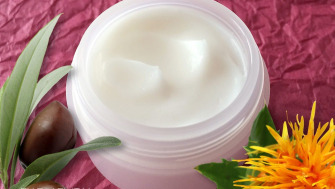
It is an oil with an optimal texture for body oils, and can be used as an emollient base in body creams and milks, or as an ingredient for preparing rich, nourishing body butters.
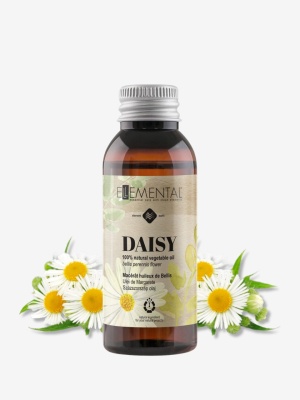
As a lightweight body oil, the synergy with Grape Seed Oil and Triheptanoin offers a silky, light texture. For rich body creams and nourishing body butters, it associates well with Shea Butter, Mango Butter, Almond Oil, Sesame Oil, and Daisy Oil.
On hair, Safflower oil is suitable for a seborrheic scalp and as an ingredient in leave-in conditioners for fine hair.
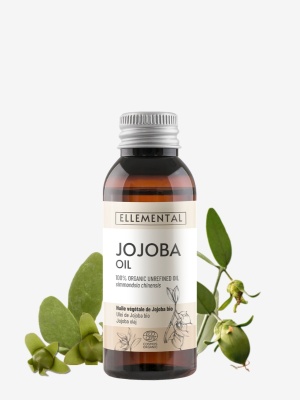
As a balancing ingredient for an oily scalp, the synergy with Organic Jojoba Oil and Clary Sage Essential Oil supports rebalancing. For hair strand applications, it associates well with Phyto-silicone.
Why is it recommended for skin prone to redness?
Safflower oil contains a high amount of linoleic acid (Omega-6) and antioxidant compounds that help protect and soothe the epidermis. It contributes to diminishing the sensation of discomfort and supports the integrity of reactive skin.
Is it the same thing as culinary saffron?
No. Saffron is a spice (Crocus sativus) and Safflower (Carthamus tinctorius) is a completely different plant, with distinct uses. The confusion stems from the similar name.
Safety in use
Cosmetic product for external use only. Do not ingest. Avoid contact with eyes.
Storage, preservation
Keep the bottle closed, in a cool place, away from direct light.
Write a valid review and earn loyalty points worth €0.40