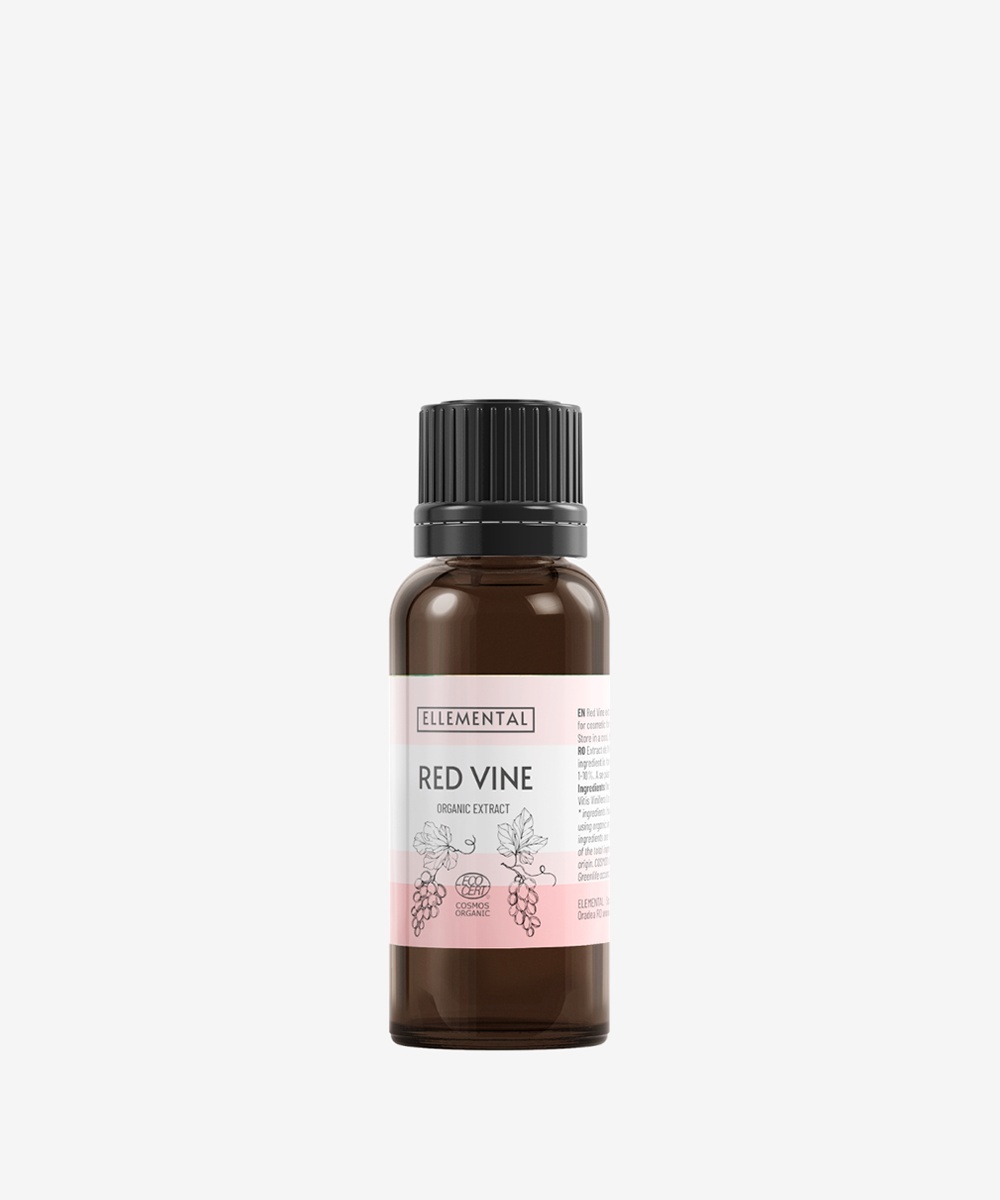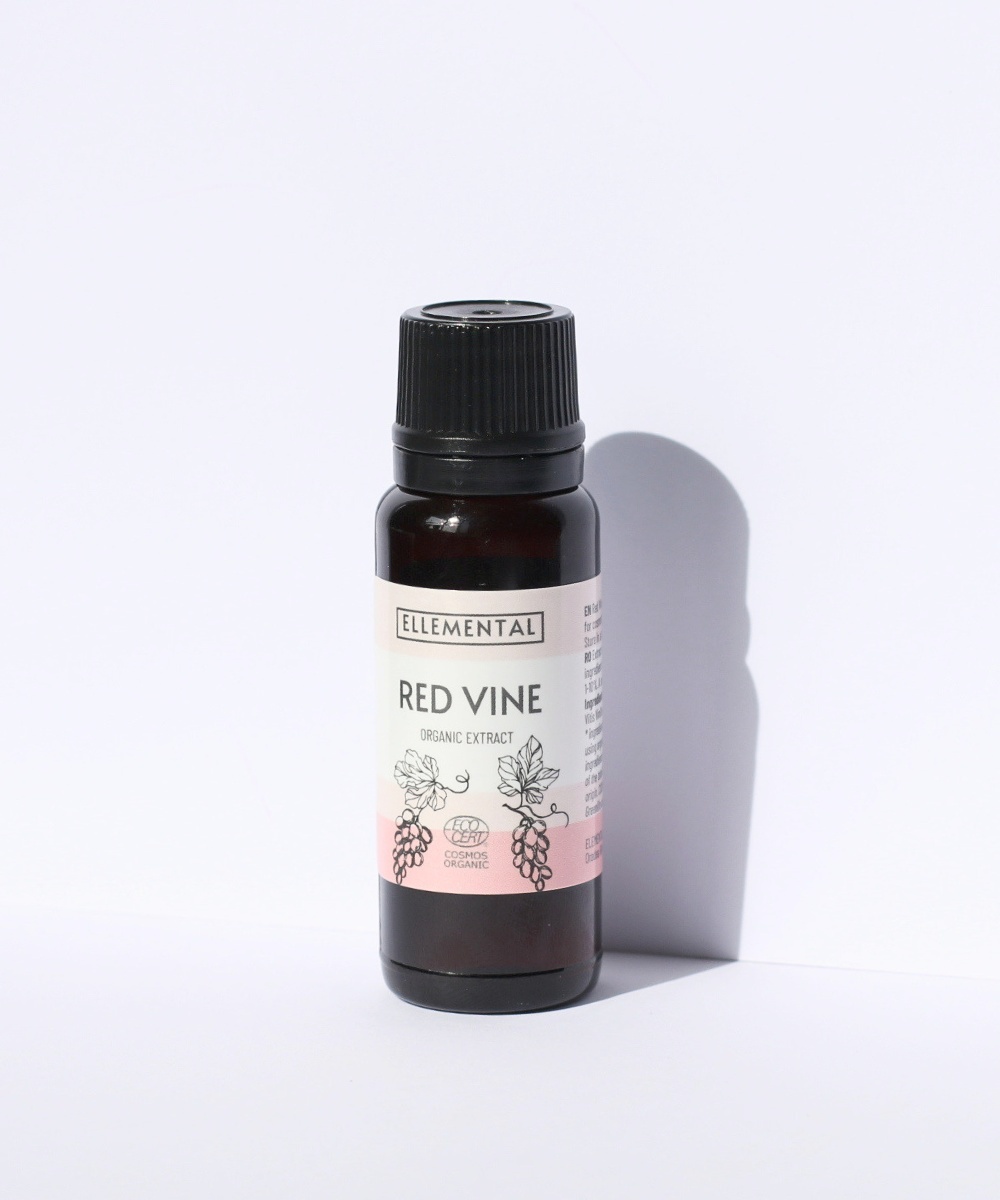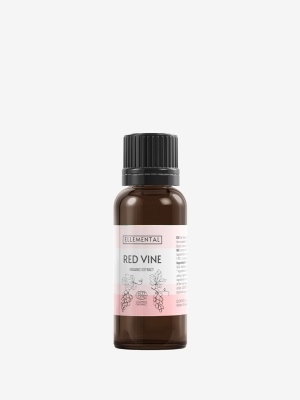
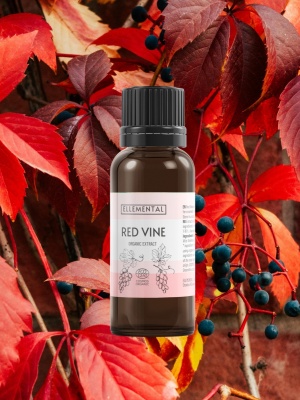
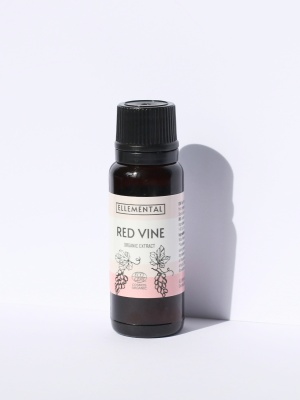
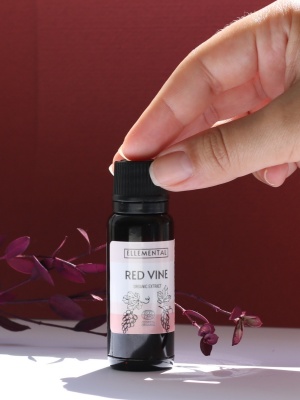
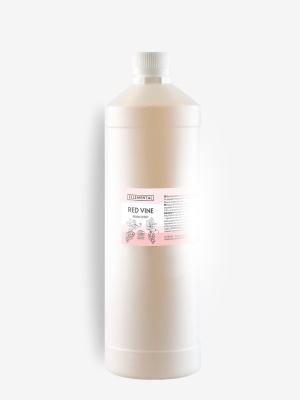
Red Vine extract Organic
Description
Organic Red Vine Extract – Antioxidant Protection and Toning through the Power of Polyphenols
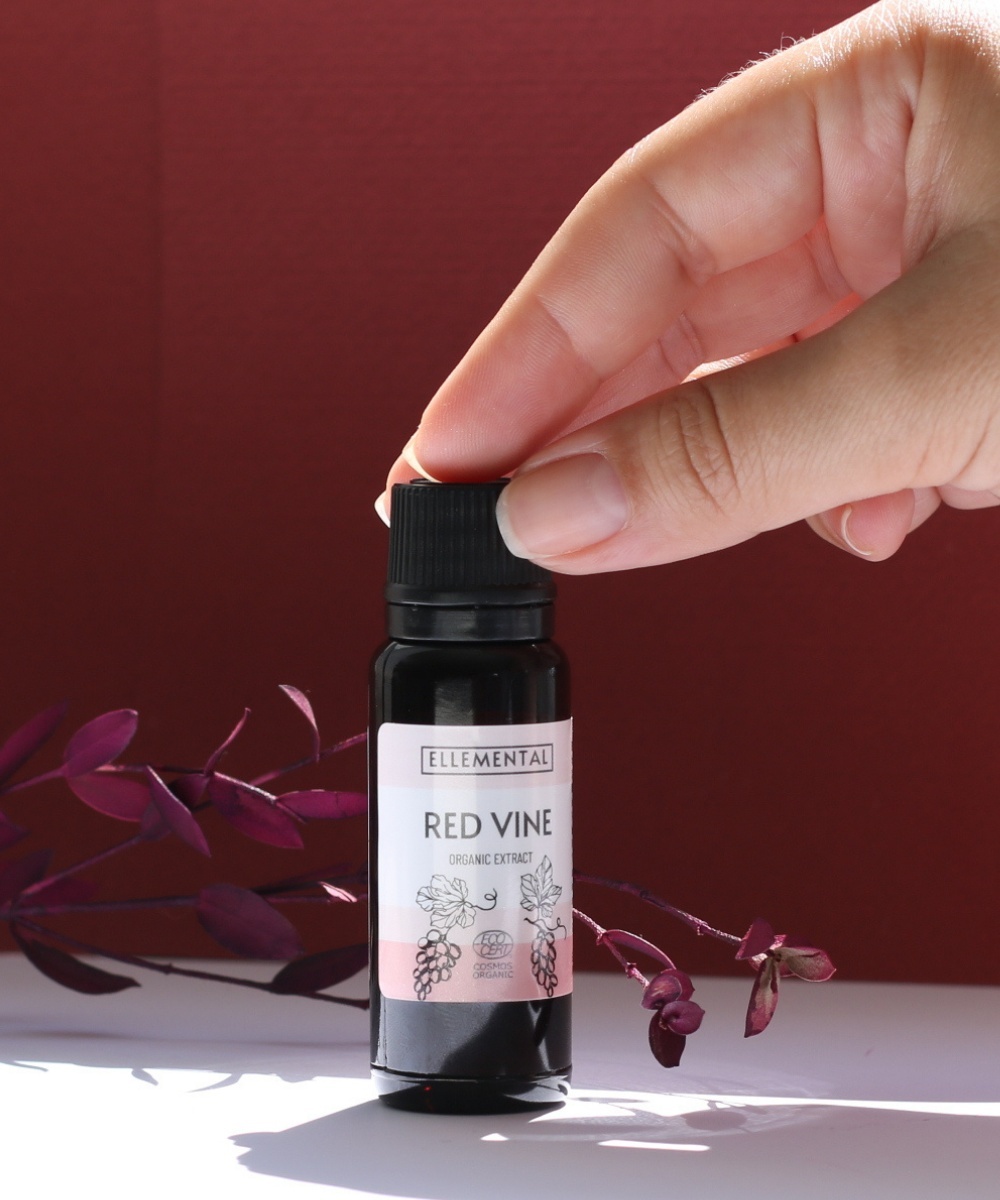
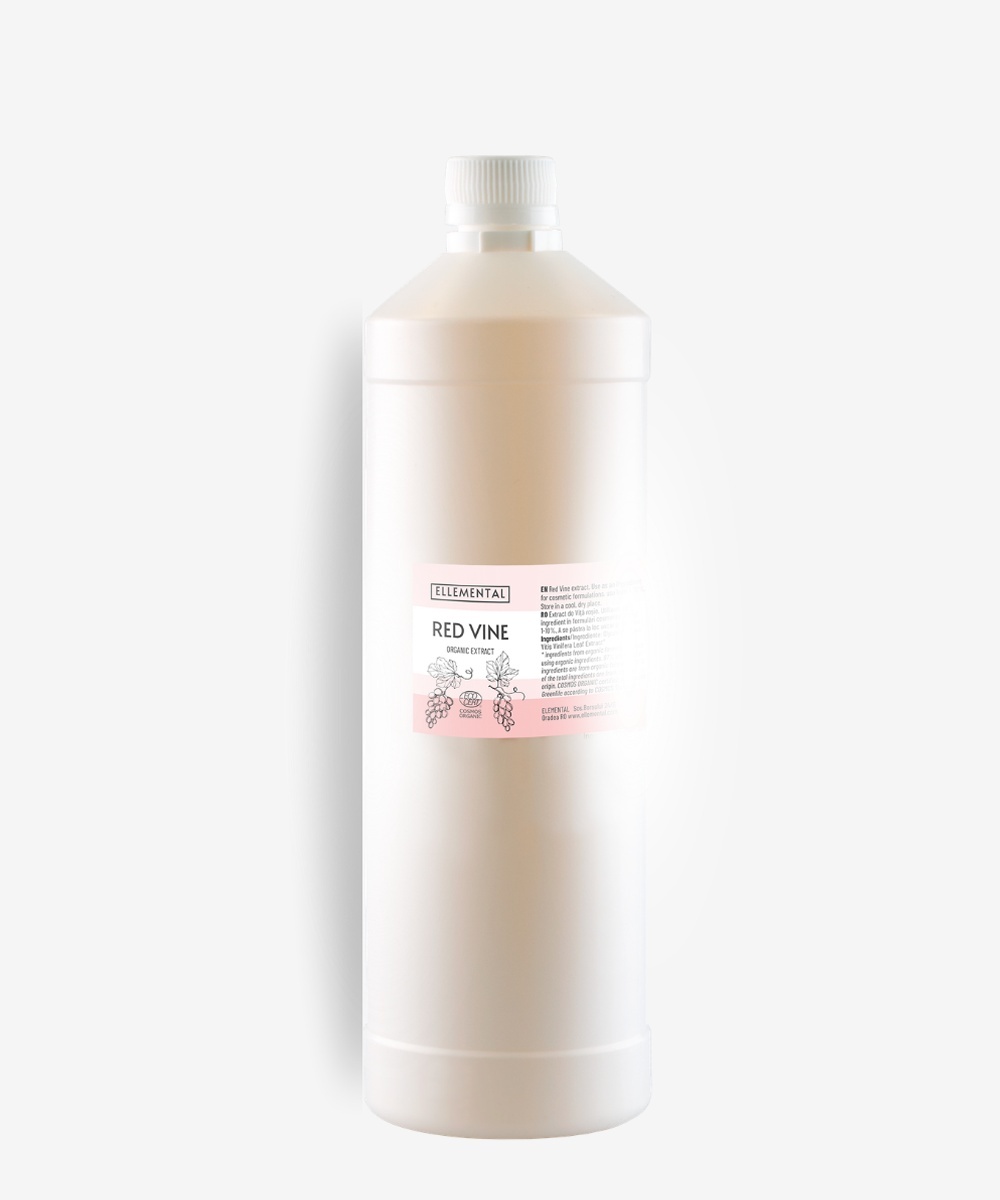
Red Vine Extract is a valuable botanical ingredient, obtained by macerating the leaves of Vitis vinifera in a vegetable glycerin base. Known especially for its richness in anthocyanins and polyphenols including resveratrol, red vine is traditionally used in natural cosmetics to support skin vitality and to provide protection against oxidative stress. This certified organic extract is an excellent conditioning agent, being ideal for formulations intended to tone tired legs, improve the appearance of redness-prone skin, and prevent signs of premature aging.
Ingredients (INCI): Glycerin*, Aqua, Vitis Vinifera Leaf Extract*.
*Ingredient from organic farming.
Characteristics
- Method of production: Glycerin extract made from red vine leaves sourced from organic crops.
- Quality: Natural and organic cosmetic product, free from synthetic preservatives, alcohol, or artificial colorants.
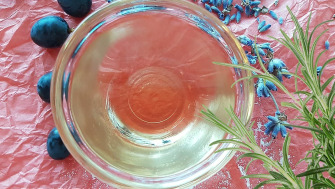
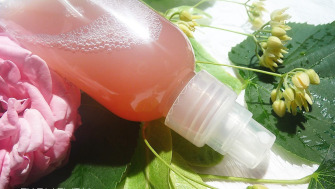
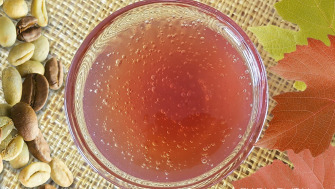
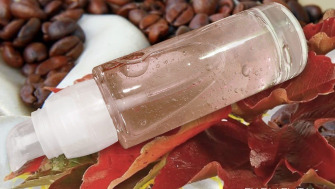
- Appearance: Viscous liquid, reddish-brown in color, with a faint characteristic odor.
- Solubility: Completely water-soluble (added to the aqueous phase).
- Recommended dosage: 1% - 10%.
Botanical Profile and Composition
The cosmetic value of red vine leaves lies in the high concentration of active compounds that protect and revitalize tissues:
- Anthocyanins: Natural pigments that give the leaves their characteristic red color and act as powerful antioxidants.
- Resveratrol and Flavonoids: Phenolic compounds known for their ability to neutralize free radicals.
- Tannins: Substances with an astringent role that help tone the skin structure.
- Vitamins and Organic Acids: Contribute to maintaining the brightness and freshness of the complexion.
Main Properties
- Powerful Antioxidant: Helps protect collagen and elastin from degradation caused by external factors (pollution, UV radiation).
- Toning Agent: Improves skin tone, being a key ingredient in gels intended for massaging tired legs.
- Astringent and Revitalizing: Refines skin texture and improves the appearance of dull or devitalized skin.
- Soothing for Reactive Skin: Helps reduce discomfort and the appearance of redness in sensitive skin.
Applications
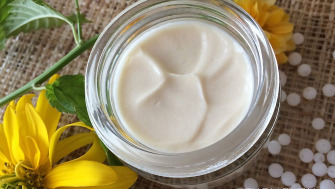
- Gels and lotions for toning the legs, relieving the sensation of heavy legs.
- Anti-aging creams and serums for wrinkle prevention.
- Toning lotions for skin prone to redness or couperose.
- After-sun products to combat oxidative stress.
- Facial masks with brightening and revitalizing effects.
Formulation Guide
- Procedure: Add to the aqueous phase or at the final stage of the preparation.
- Temperature: It is recommended to add at temperatures below 40°C, however, depending on the formula, it can withstand short-term heating.
- pH range: Compatible with a pH between 4.0 and 7.5.
- Technical tip: Take into account the high glycerin content of this extract.
Frequently Asked Questions (FAQ)
Does it have a beneficial effect on microcirculation?
In cosmetics, red vine extract is appreciated for its toning effect on the skin, being often used in massage creams to induce a feeling of lightness and comfort in tired legs.
Can it be used on sensitive skin?
Yes, it is a gentle extract, and the polyphenols in its composition are particularly beneficial for soothing and protecting skin that shows redness or sensitivity to environmental factors.
Safety in Use
Profile: Cosmetic product for external use.
Precautions: Keep out of reach of children. Do not ingest. Follow the recommended dosage.
Storage: Store in the original packaging, tightly closed, in a cool place away from direct light.
Scientific Reference Literature
- Nassiri-Asl, M., & Hosseinzadeh, H. (2016). Review of the Pharmacological Effects of Vitis vinifera (Grape) and its Bioactive Constituents. Phytotherapy Research.
- Wittenauer, J., et al. (2015). Inhibitory effects of polyphenols from grape leaves (Vitis vinifera L.) on collagenase and elastase activity. Fitoterapia.
- Sagar, S., et al. (2018). Phytochemical and pharmacological profile of Vitis vinifera L. (Grape): An Overview. Journal of Pharmacognosy and Phytochemistry.
- Carini, M., et al. (2011). The antioxidant activity of Vitis vinifera L. leaves in preventing lipid peroxidation and protecting skin cells. Journal of Cosmetic Science.
- Gaur, R., et al. (2020). Role of Anthocyanins from Vitis vinifera in Skin Health and Photoprotection. International Journal of Molecular Sciences.
Details
Related Recipes and Articles
You'll like these too
Reviews
Write a valid review and earn loyalty points worth €0.40