Description
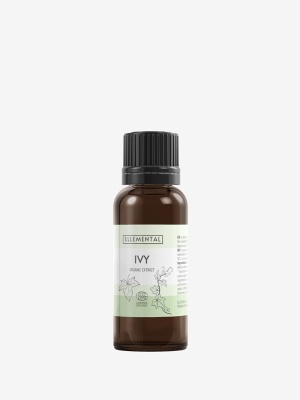
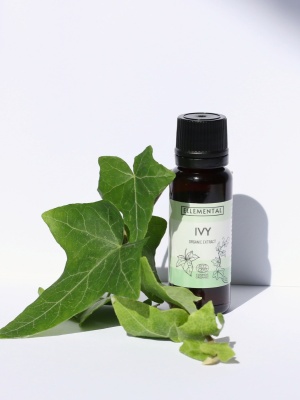
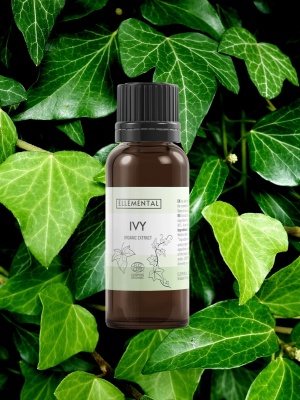
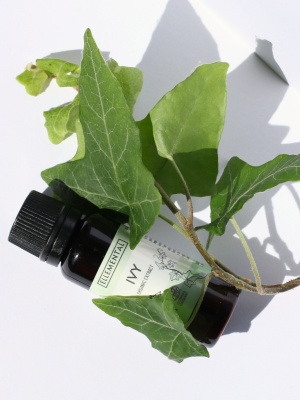
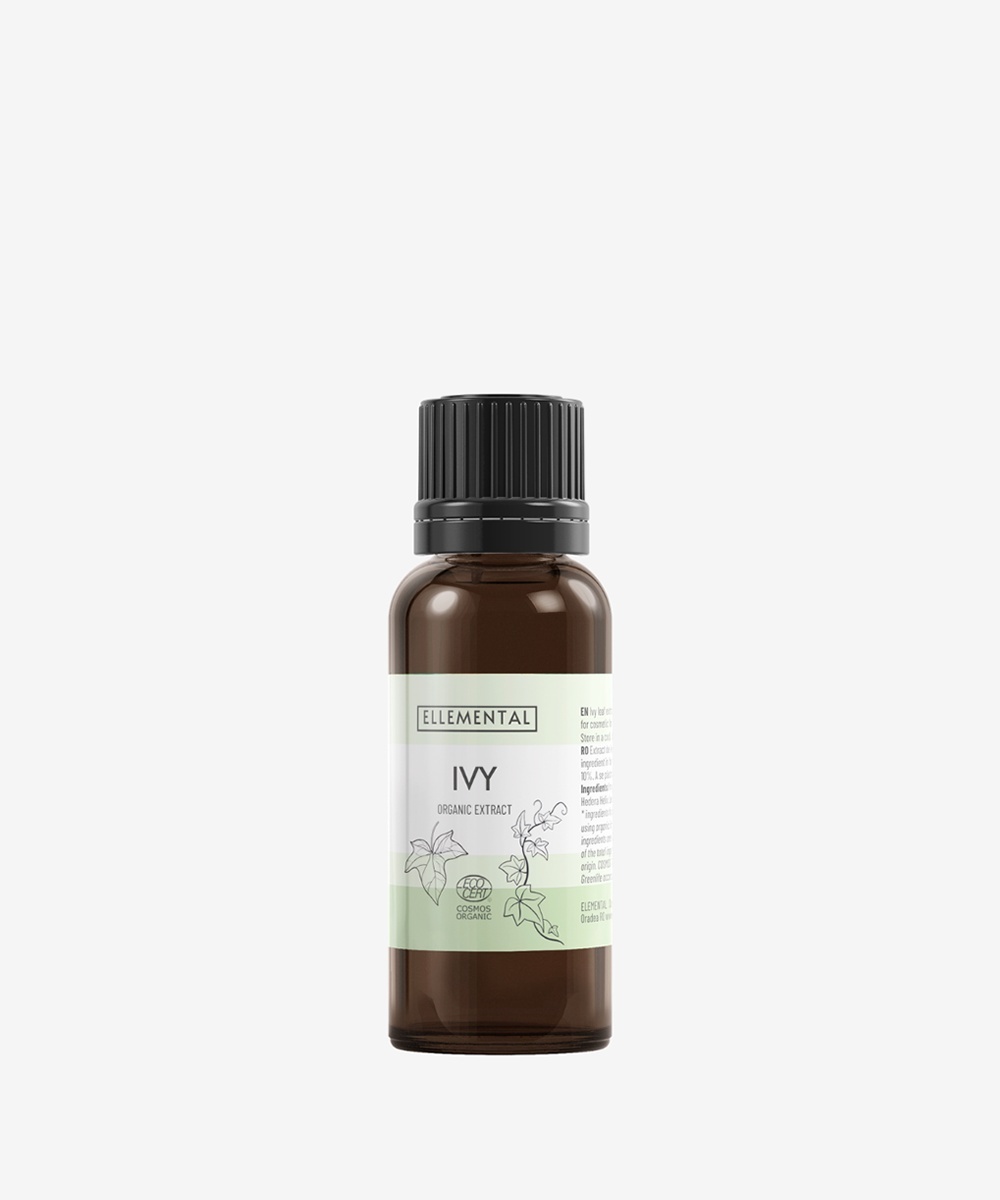
Organic Ivy Extract – Supporting Skin Firmness and Toning "Orange Peel" Areas
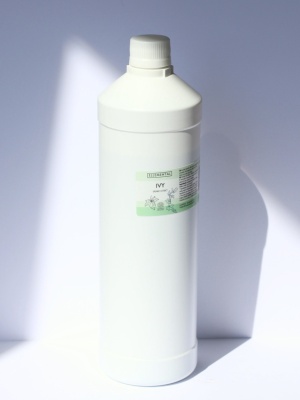
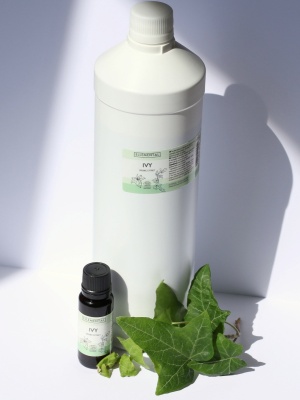
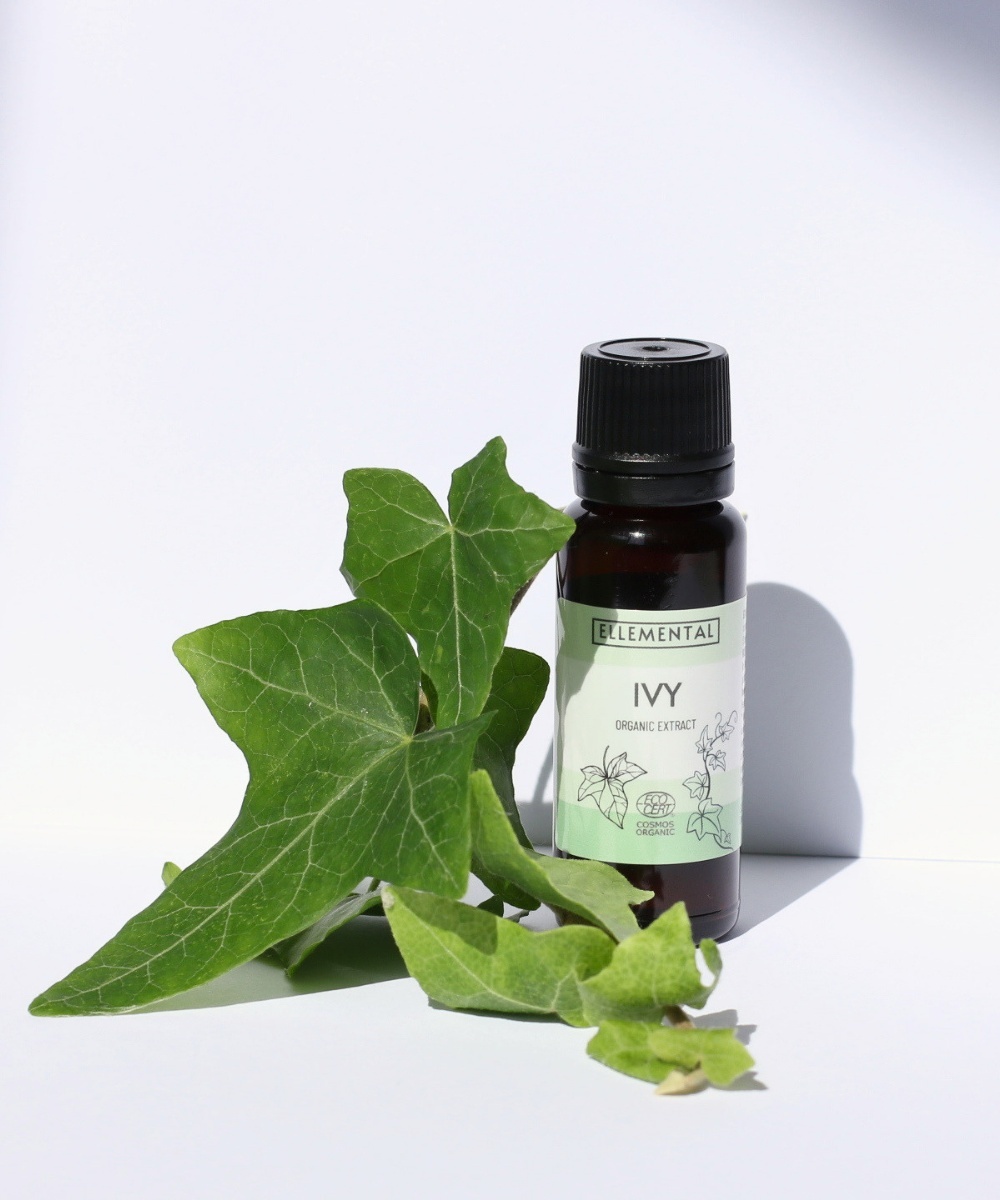
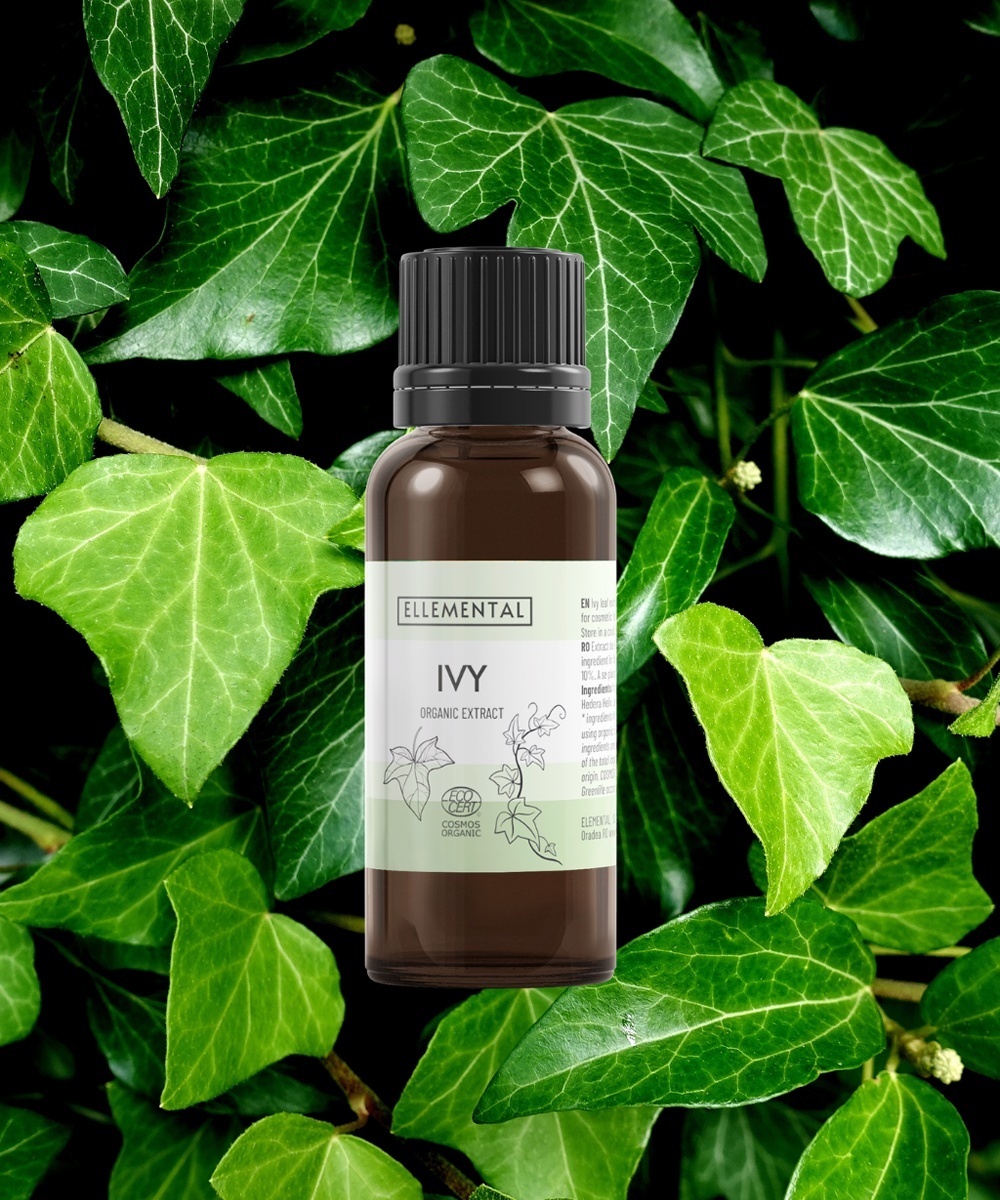
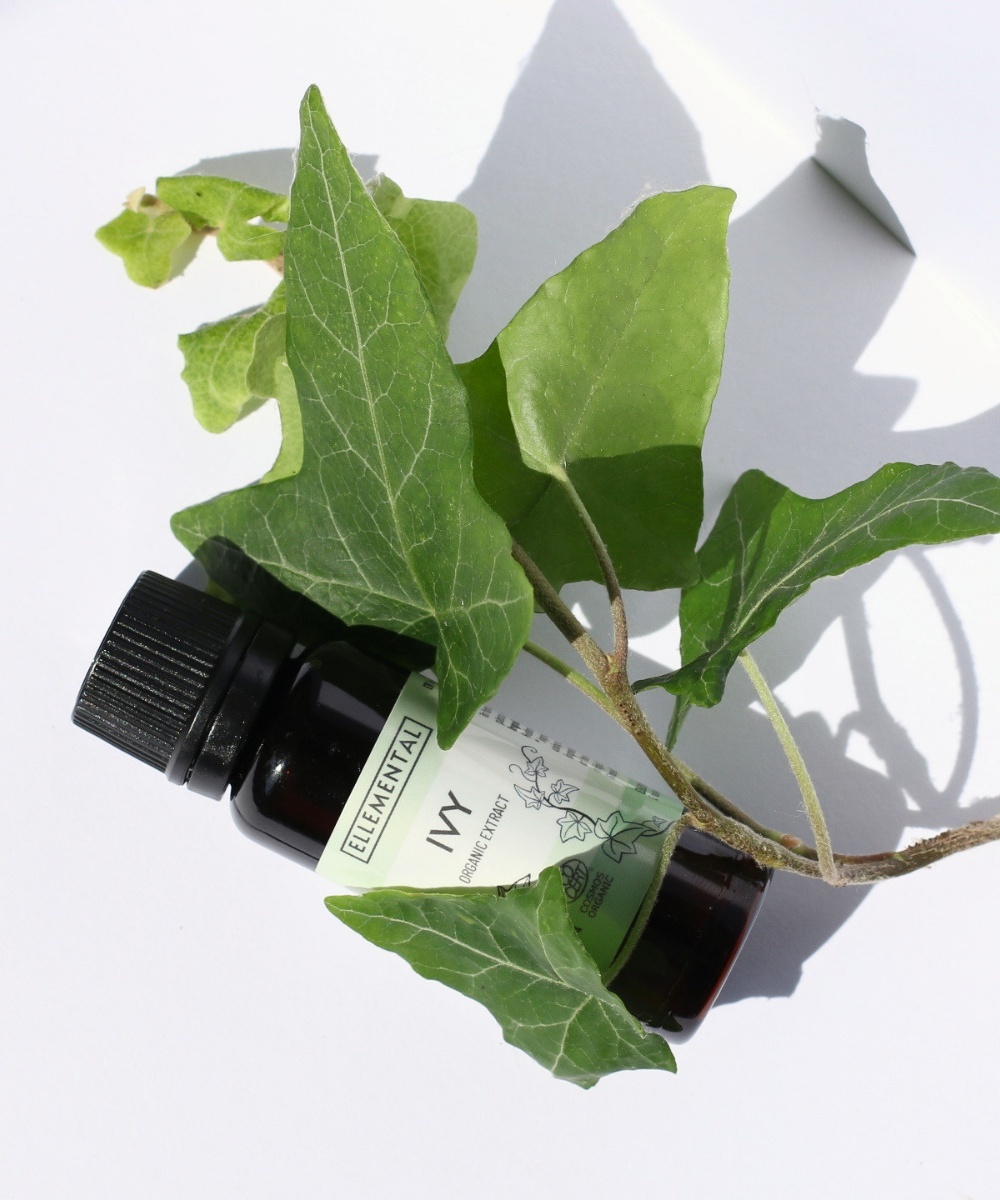
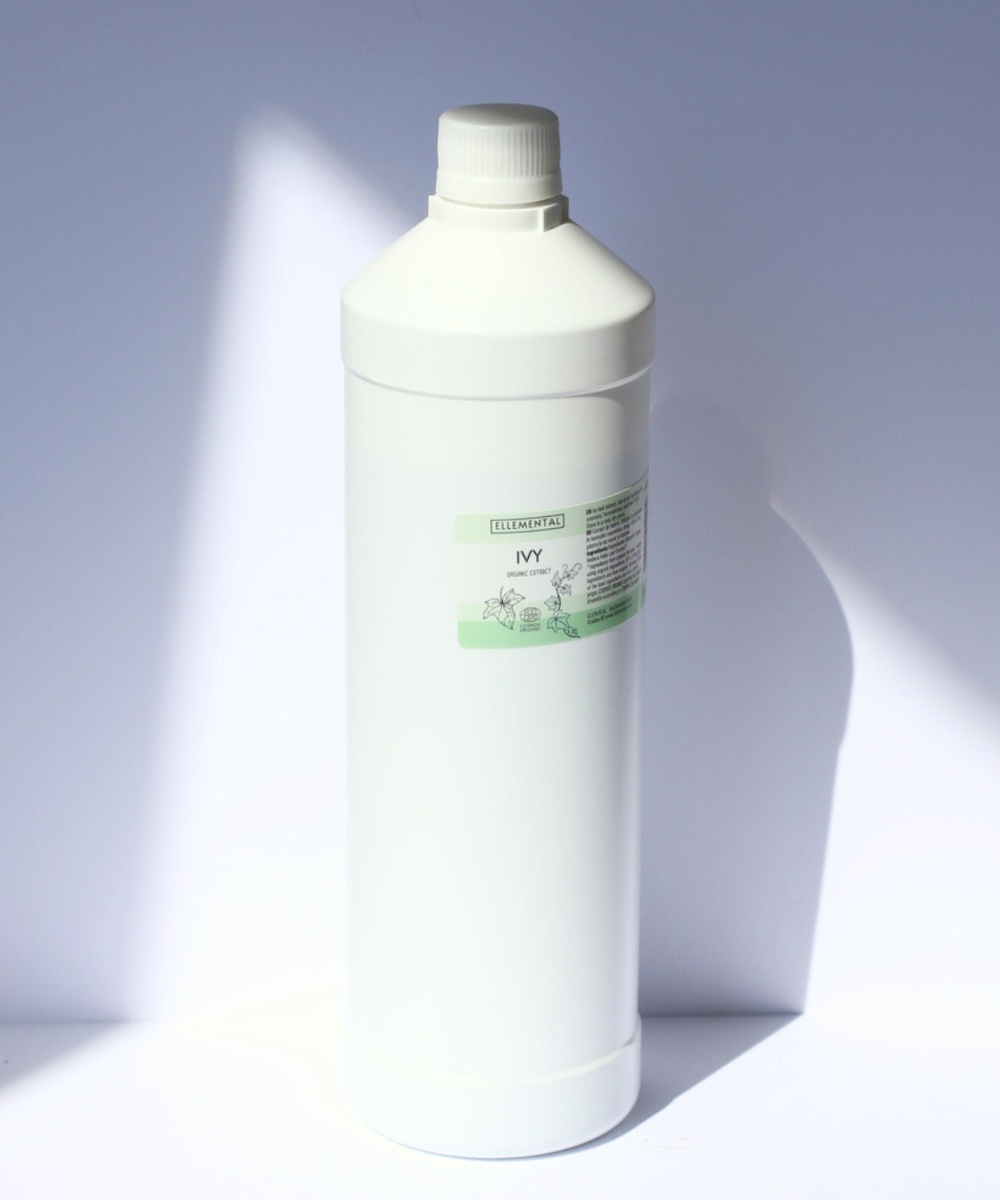
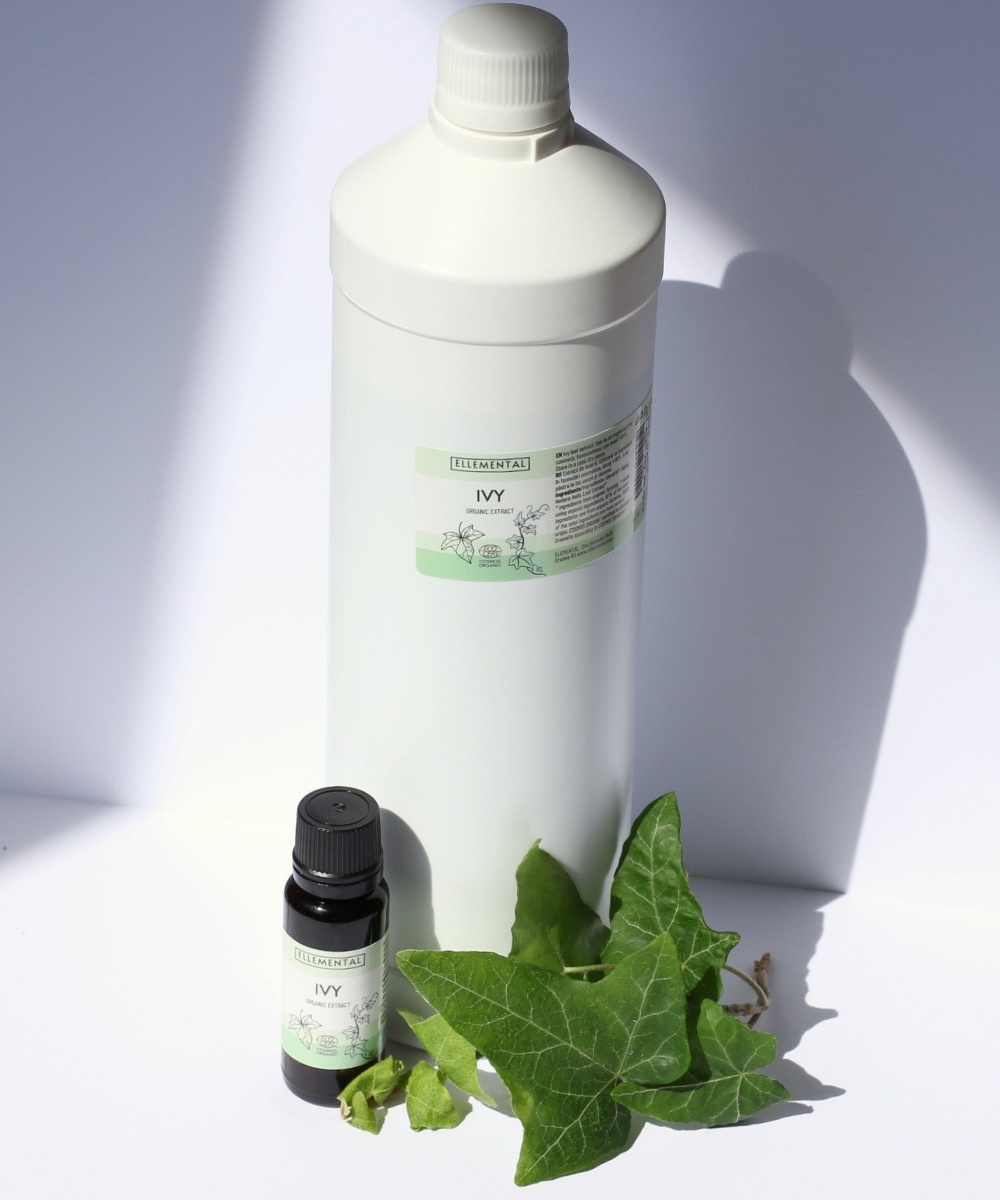
Ivy Extract is a botanical ingredient recognized in body cosmetics for its skin toning and conditioning properties, obtained by macerating Hedera helix leaves in a vegetable glycerin base. Due to its natural content of saponins (hederacosides), this certified organic extract is traditionally used as an adjuvant in products destined for areas prone to cellulite and water retention. It is a versatile solution for giving the skin a firmer, smoother, and more defined appearance, while simultaneously acting as a gentle hydrating agent thanks to its glycerinic base.
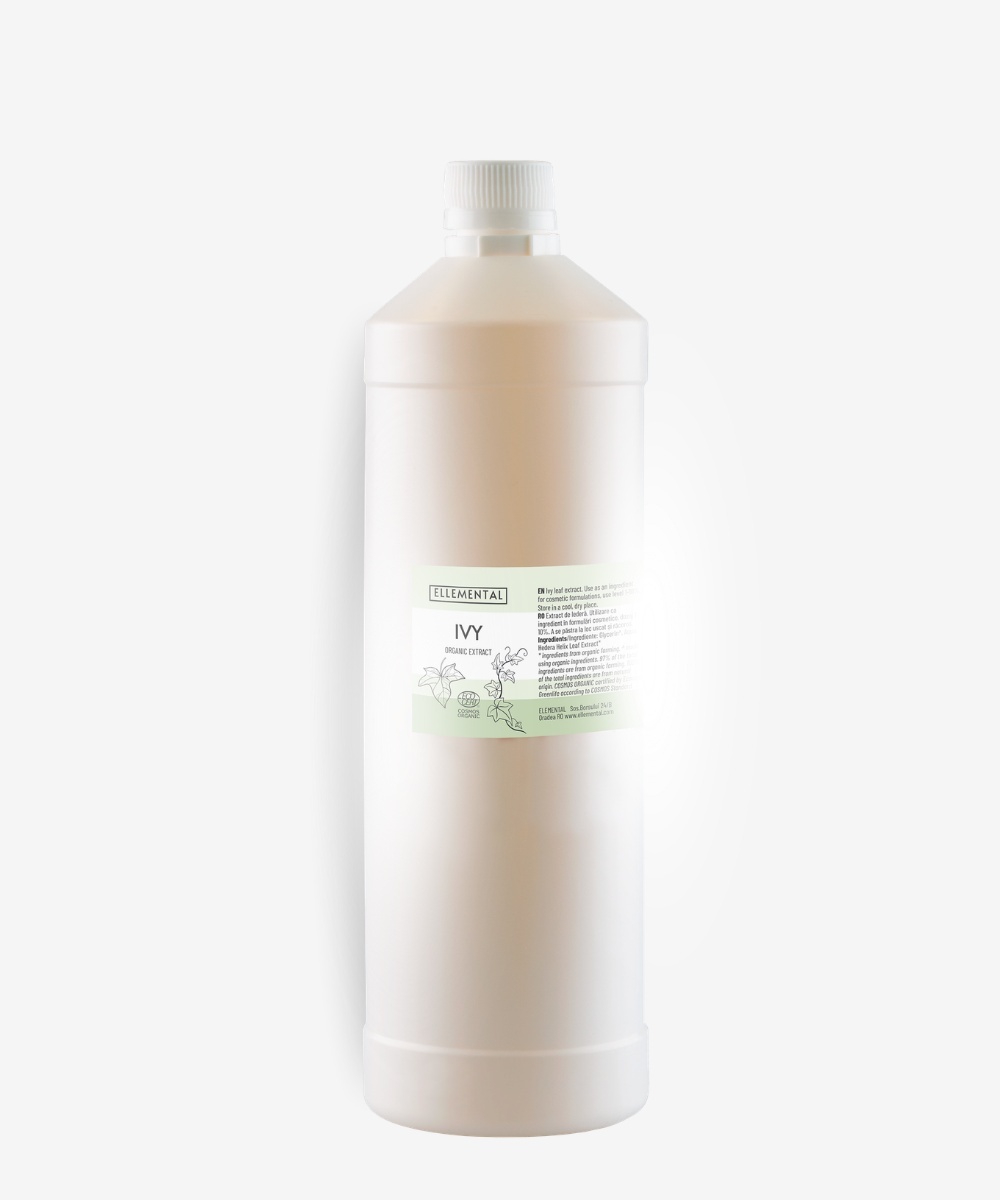
Ingredients (INCI): Glycerin*, Aqua, Hedera Helix Leaf Extract*.
*Ingredient from organic farming.
Characteristics
- Obtaining method: Glycerinic extract made from the leaves of the Hedera helix plant, originating from organic crops.
- Quality: Natural and organic cosmetic product, without preservatives, alcohol, or fragrance.
- Appearance: Viscous liquid, brown in color, with a faint vegetal odor.
- Solubility: Completely water-soluble.
- Recommended dosage: 1% - 10%.
Botanical Profile and Composition
Ivy is a perennial plant whose value in cosmetics comes from the phytocompounds found in its leaves, which interact harmoniously with the skin structure:
- Saponins (Hederacoside C and Hederin): The main active compounds responsible for the toning effect and the improvement of the skin's micro-relief.
- Flavonoids: Provide antioxidant protection and help maintain skin elasticity.
- Tannins: Contribute to the astringent effect and the refining of the epidermal texture.
- Polyacetylenes: Compounds that provide support in maintaining a healthy scalp and skin.
Main Properties
- Toning Agent: Contributes to restoring the firm appearance of the skin, especially on problematic areas (thighs, buttocks, abdomen).
- Texture Improver: Helps visibly smooth "orange peel" skin through its conditioning properties.
- Astringent and Purifying: Refines the skin surface and helps control areas prone to oiliness.
- Revitalizing: Offers a sensation of freshness and lightness to tired legs through massage with formulas containing this extract.
Applications
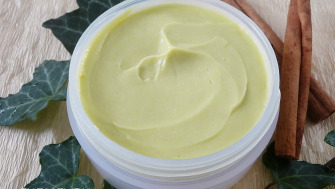
- Gels and creams intended for anti-cellulite massage.
- Body lotions and creams for firmness.
- Products for tired legs and cosmetic drainage.
- Shampoos and capillary tonics for oily scalp or scalp prone to dandruff.
- Toning and revitalizing shower gels.
Formulation Guide
- Procedure: Introduced into the aqueous phase or the final phase of the preparation.
- Temperature: Recommended addition at temperatures below 40°C; however, depending on the formula, it can withstand short-term heating.
- pH Interval: Compatible with a pH between 4.0 and 7.5.
- Technical tip: Take into account the high glycerin content of this extract.
Frequently Asked Questions (FAQ)
Does this extract eliminate cellulite?
It is not a miracle product. Ivy extract is a supportive ingredient that, through consistent use and massage, visibly improves the firmness and appearance of skin affected by cellulite.
Can it be used on the face?
Although it is mainly used in body products, it can be integrated in small dosages (1-2%) into products for mixed or oily skin due to its astringent properties.
Safety in Use
Profile: Cosmetic product for external use.
Precautions: Keep out of reach of children. Do not ingest. Respect the recommended dosage.
Storage: Keep in the original container, tightly closed, in a cool place away from direct light.
Reference Scientific Literature
- Gheorghe, L., et al. (2023). Phytochemical Profile and Evaluation of Bioactive Compounds in Hedera helix L. Leaf Extracts for Cosmetic Applications. Journal of Cosmetic and Dermatological Sciences and Applications.
- Sierocinski, E., et al. (2021). Hedera helix L. - A review of its traditional uses, phytochemistry and biological activities in skincare. Molecules and Phytotherapy Research.
- Özkan, E. E., et al. (2020). Botanical Origin and Bioactivity of Common Ivy (Hedera helix L.) in Topical Formulations. International Journal of Plant Biology.
- Al-Snafi, A. E. (2018). The pharmacological importance of Hedera helix - A review. Indo American Journal of Pharmaceutical Sciences.
- Facino, R. M., et al. (1995). Anti-elastase and anti-hyaluronidase activities of saponins and sapogenins from Hedera helix, Aesculus hippocastanum, and Ruscus aculeatus: Factors contributing to anti-edematous activity. Archiv der Pharmazie.