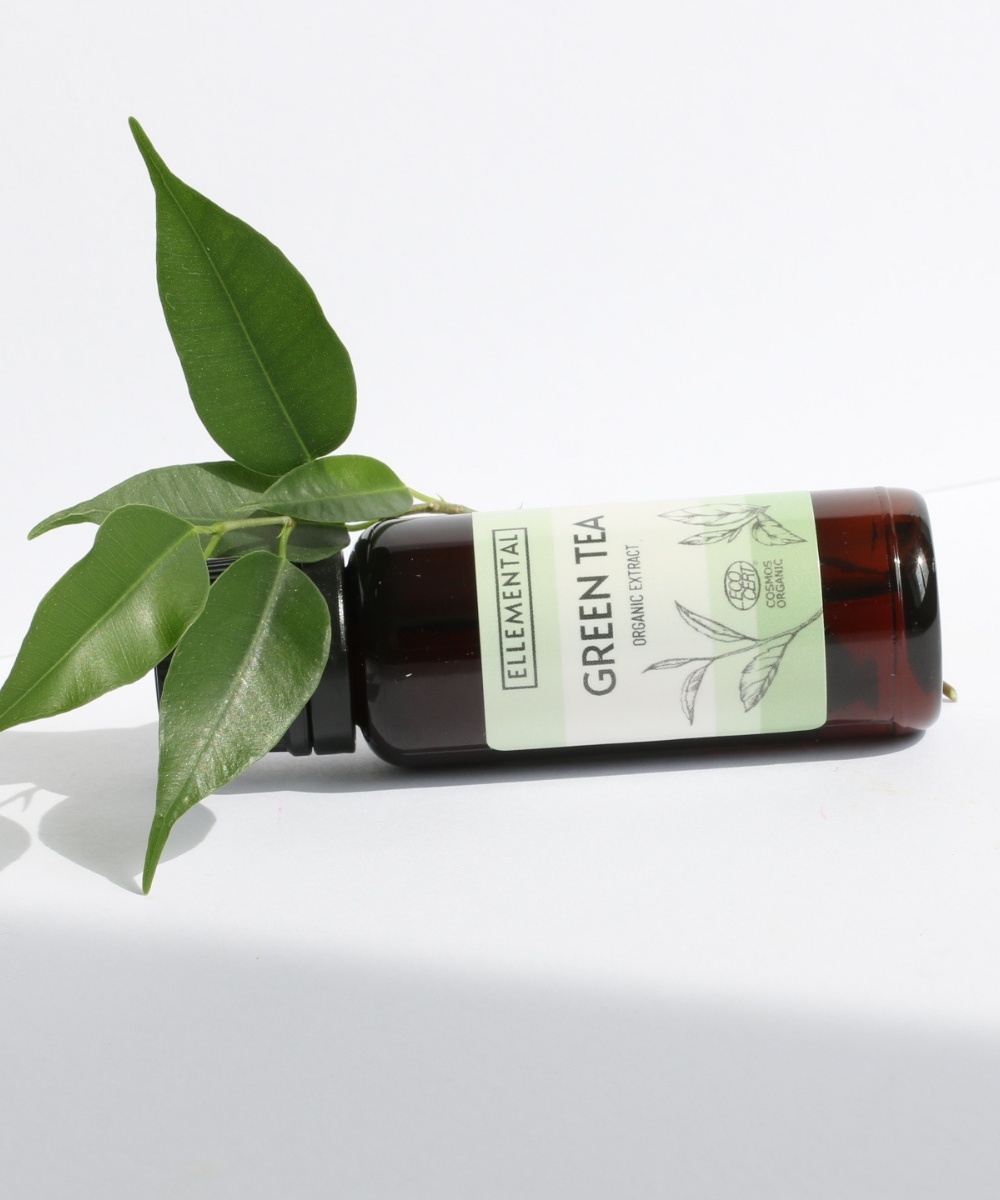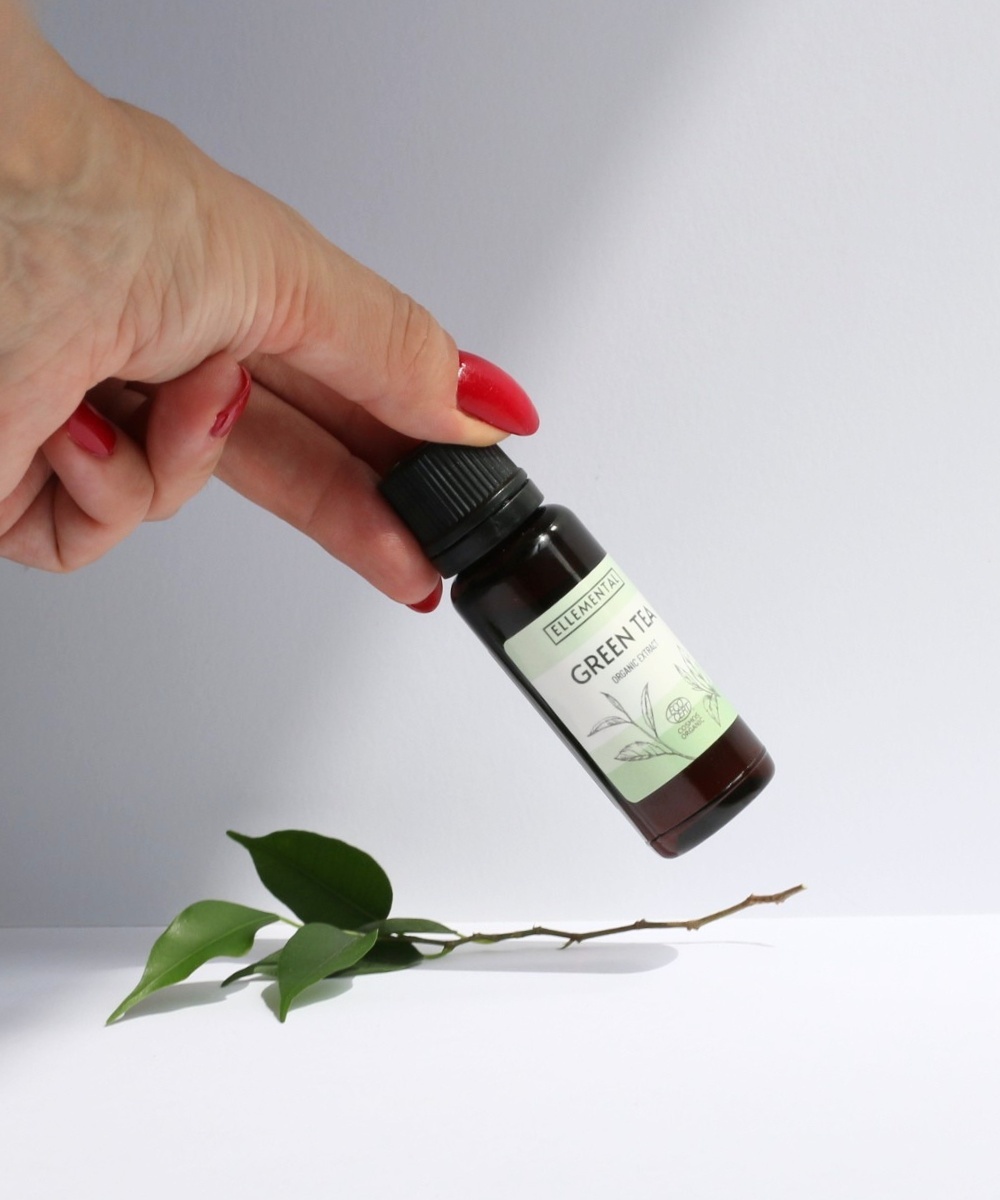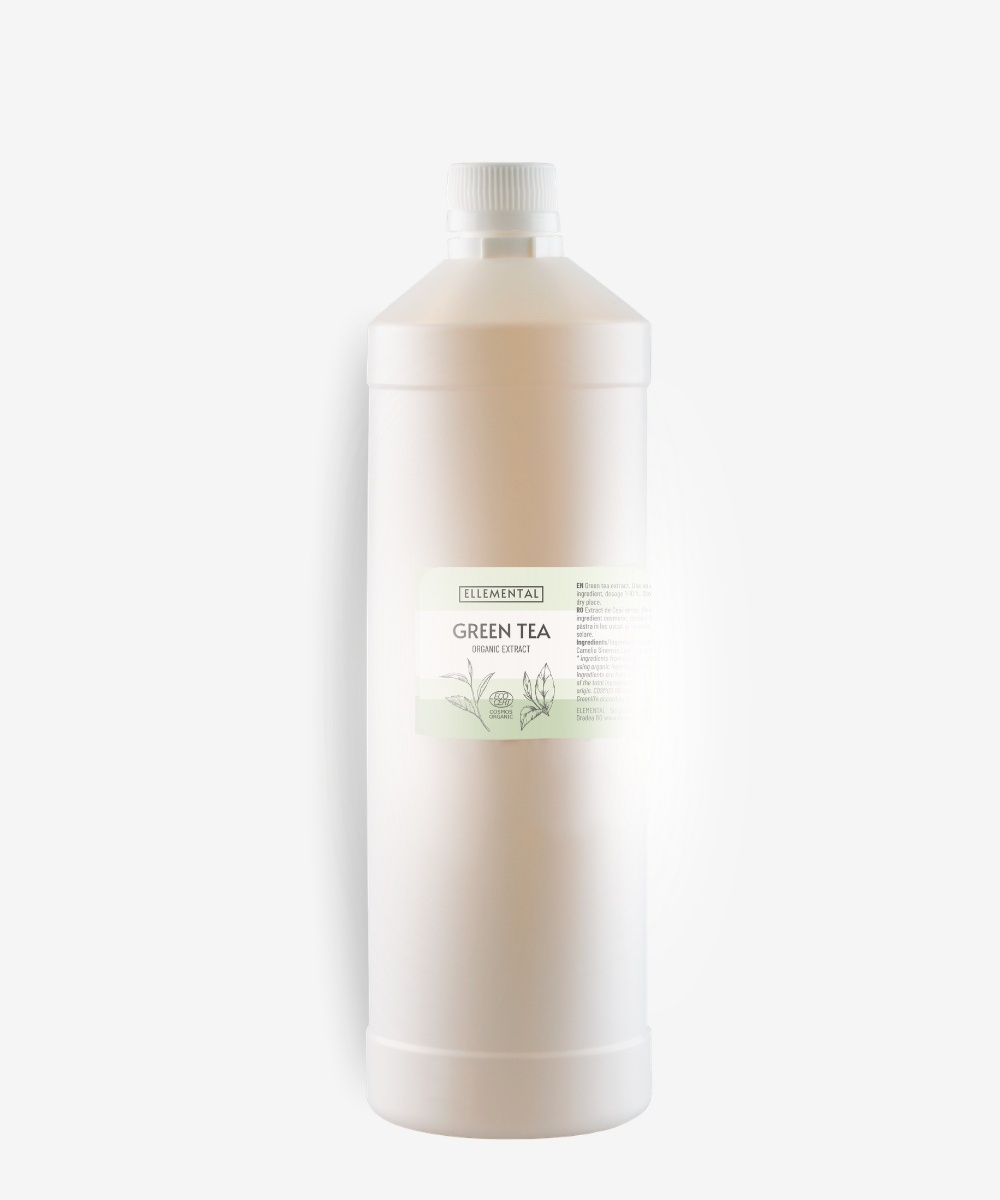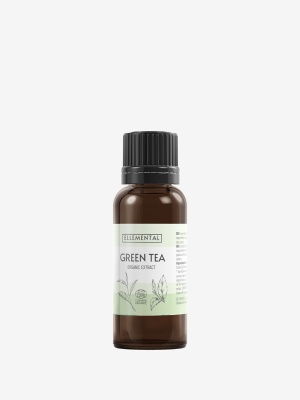
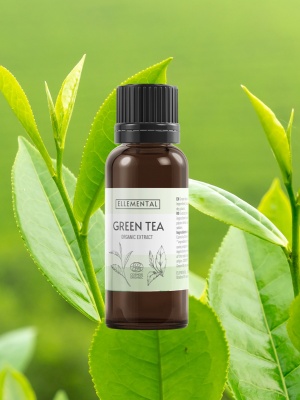
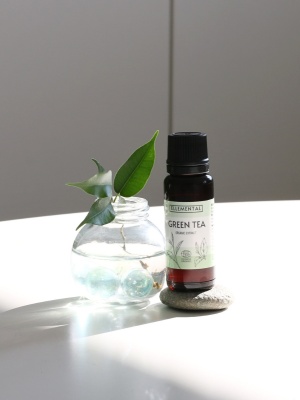
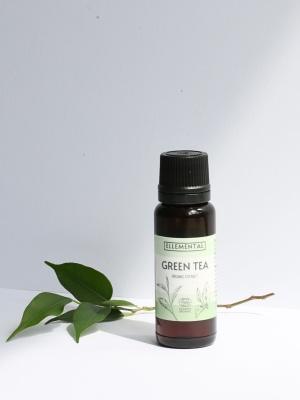
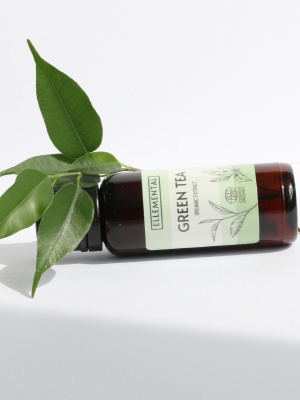
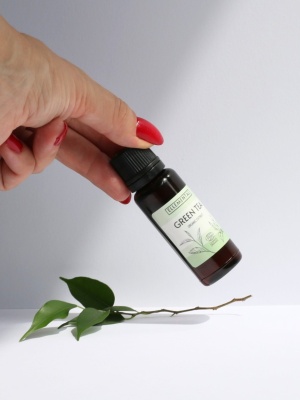
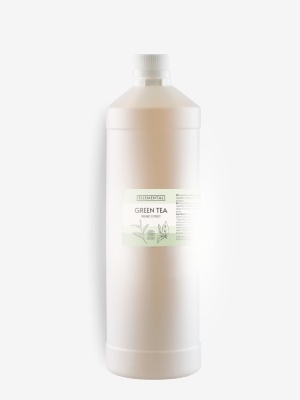
Green Tea extract Organic
Description
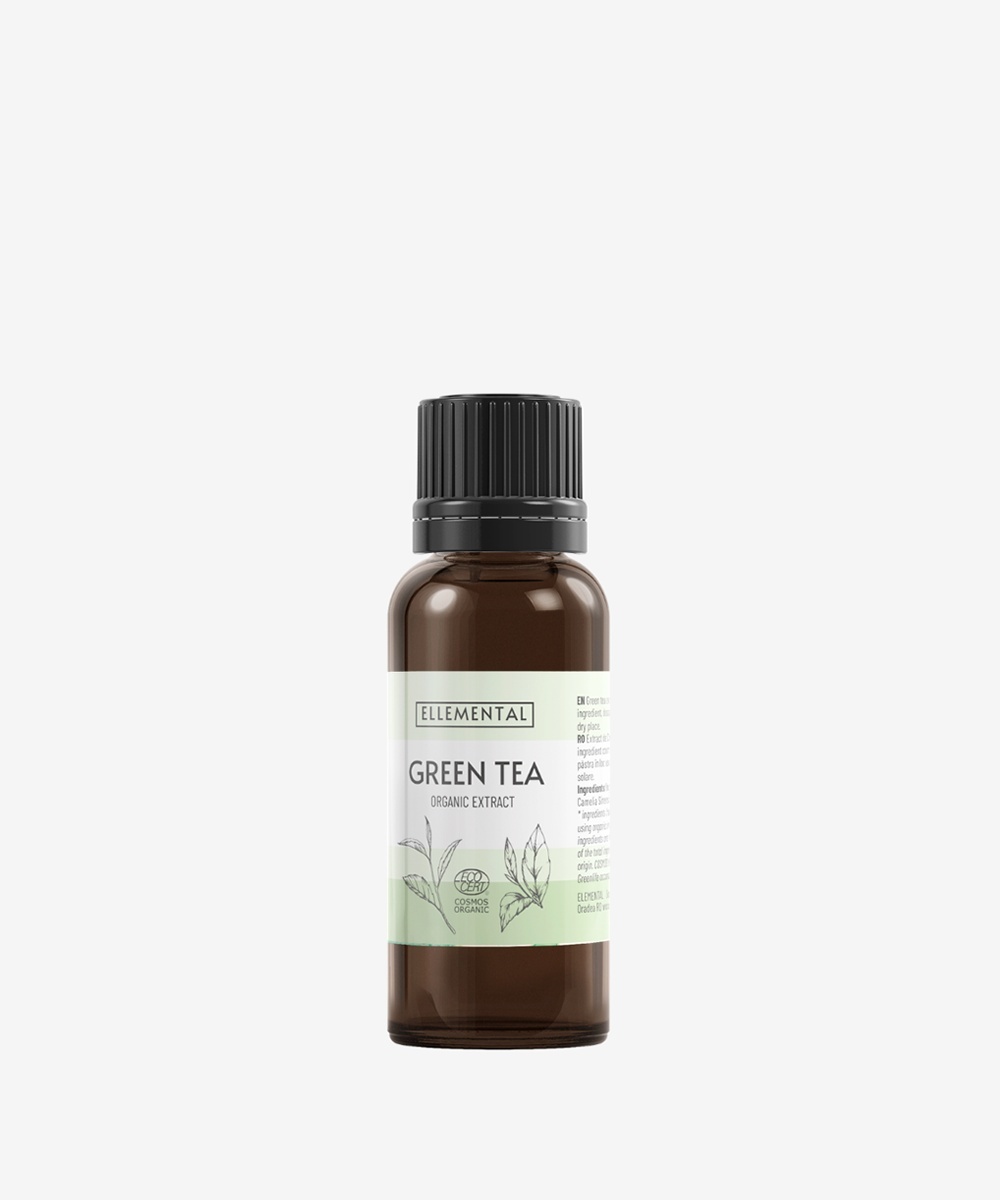
Organic Green Tea Extract – Antioxidant Protection and Revitalization through the Power of Polyphenols
Green Tea Extract is one of the most studied and appreciated botanical actives, obtained by macerating Camellia sinensis leaves in a vegetable glycerin base. Recognized for its remarkable concentration of catechins (EGCG) and caffeine, this certified organic extract is a top ally against oxidative stress and the signs of premature aging. It is a versatile ingredient, ideal for providing skin with protection, toning, and a fresh appearance, while also being an excellent conditioning agent for skin exposed to urban pollution.
Ingredients (INCI): Glycerin*, Aqua, Camellia Sinensis Leaf Extract*.
*Ingredient from organic farming.
Characteristics
- Obtaining method: Glycerinic extract made from green tea leaves originating from organic crops.
- Quality: Natural and organic cosmetic product, without synthetic preservatives, alcohol, or fragrance.
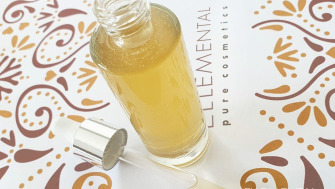
- Appearance: Viscous liquid, amber-brown in color, with a faint characteristic odor.
- Solubility: Completely water-soluble (add to the aqueous phase).
- Recommended dosage: 1% - 10%.
Botanical Profile and Composition
The therapeutic value of green tea lies in its complex of phytonutrients that support the integrity of the skin barrier:
- Polyphenols (Catechins/EGCG): Extremely powerful antioxidants that help neutralize free radicals generated by UV radiation and pollution.
- Caffeine: Known for its toning role and for its ability to improve the appearance of dull skin.
- Tannins: Offer natural astringent properties, helping to refine skin texture.
- Vitamins (B2, E, C): Contribute to maintaining skin elasticity and natural luminosity.
Main Properties
- Powerful Antioxidant: Protects cellular structures from oxidative degradation, slowing down aging processes.
- Tonic and Revitalizing: Gives the skin a firmer and more vital appearance.
- Astringent and Purifying: Helps control excess sebum and visually minimize enlarged pores.
- Soothing: Contributes to reducing skin discomfort caused by aggressive external factors.
Applications
- Anti-aging creams and serums for wrinkle prevention.
- Eye contour care products (gels or creams).
- Toning lotions and micellar waters for mixed or oily skin.
- After-sun products to combat photo-aging.
- Shampoos and capillary lotions for scalp prone to oiliness.
Formulation Guide
- Procedure: Introduced into the aqueous phase or the final phase of the preparation.
- Temperature: Recommended addition at temperatures below 40°C; however, depending on the formula, it can withstand short-term heating.
- pH Interval: Compatible with a pH between 4.0 and 7.5.
- Technical tip: Take into account the high glycerin content of this extract.
Frequently Asked Questions (FAQ)
Can I use green tea extract instead of sunscreen?
No. Although the polyphenols in green tea help the skin fight against sun-induced oxidative stress, this extract does not have a sun protection factor (SPF) and does not replace creams with UV filters.
Is it suitable for sensitive skin?
Yes, it is a well-tolerated extract; however, due to the presence of tannins, testing on a small area is recommended for extremely reactive skin.
Safety in Use
Profile: Cosmetic product for external use.
Precautions: Keep out of reach of children. Do not ingest. Respect the recommended dosage.
Storage: Keep in the original container, tightly closed, in a cool place away from direct light.
Reference Scientific Literature
- Prasanth, M. I., et al. (2019). A Review of the Role of Green Tea (Camellia sinensis) in Antiphotoaging of the Skin. Nutrients.
- Koch, W., et al. (2019). Applications of Tea (Camellia sinensis) and its Active Compounds in Cosmetics. Molecules.
- Roh, E., et al. (2017). Molecular Mechanisms of Green Tea Polyphenols with Protective Effects against Skin Photoaging. Critical Reviews in Food Science and Nutrition.
- Oyetakin White, P., et al. (2013). Protective mechanisms of green tea polyphenols in skin. Oxidative Medicine and Cellular Longevity.
- Pazyar, N., et al. (2012). Green tea in dermatology: A review of current research. Skinmed (Focus on Caffeine and EGCG benefits).
Details
Related Recipes and Articles
You'll like these too
Reviews
Write a valid review and earn loyalty points worth €0.40