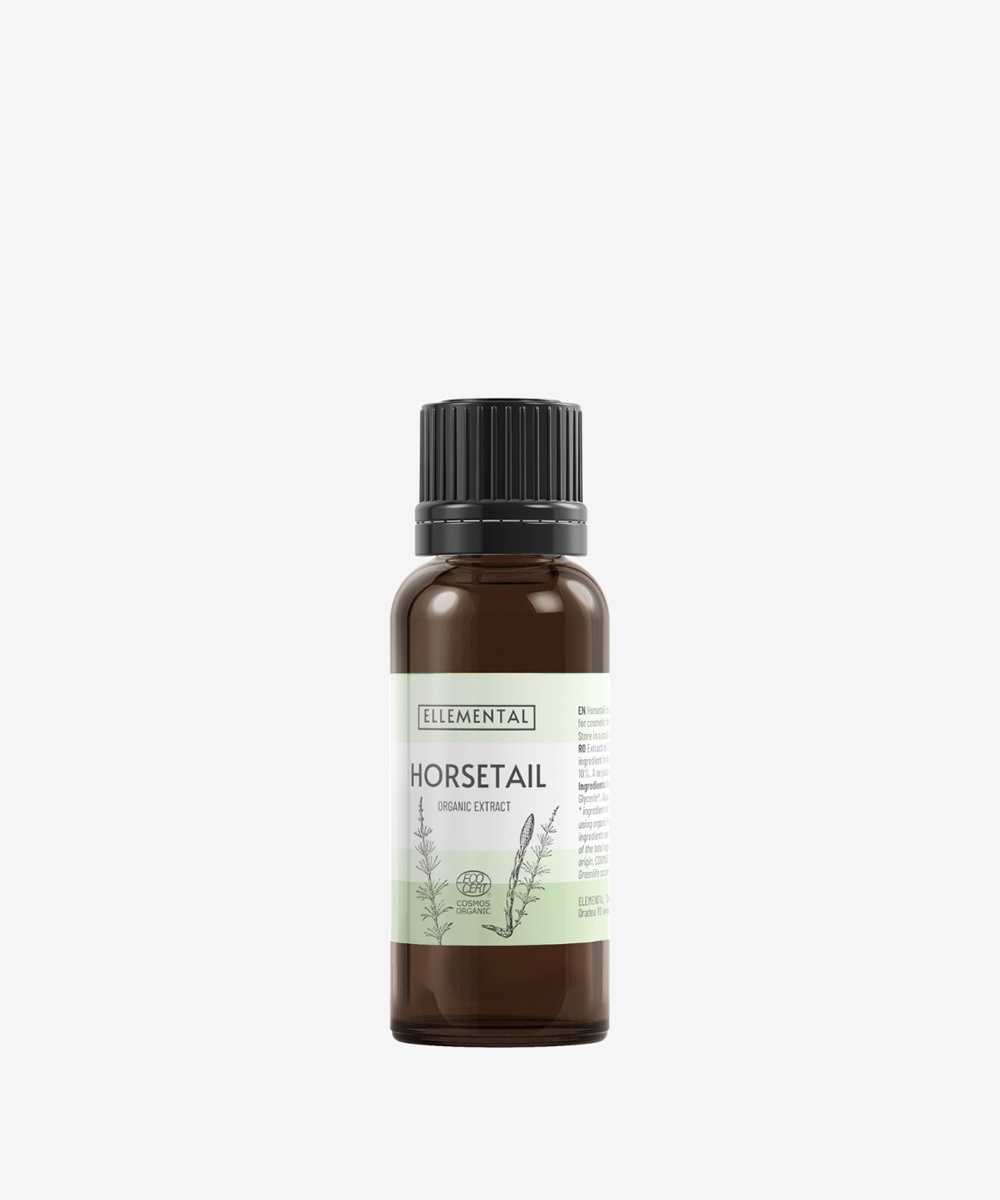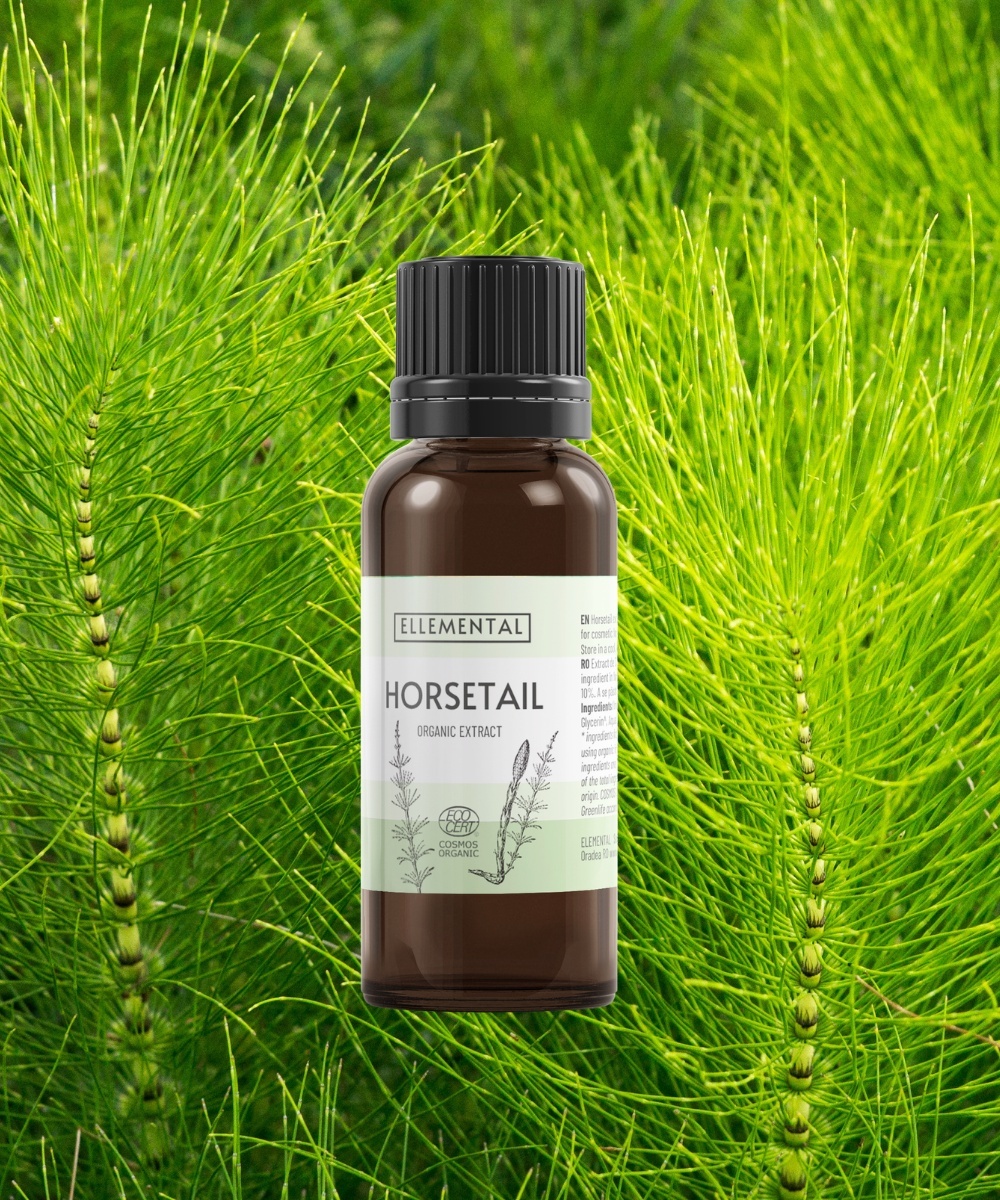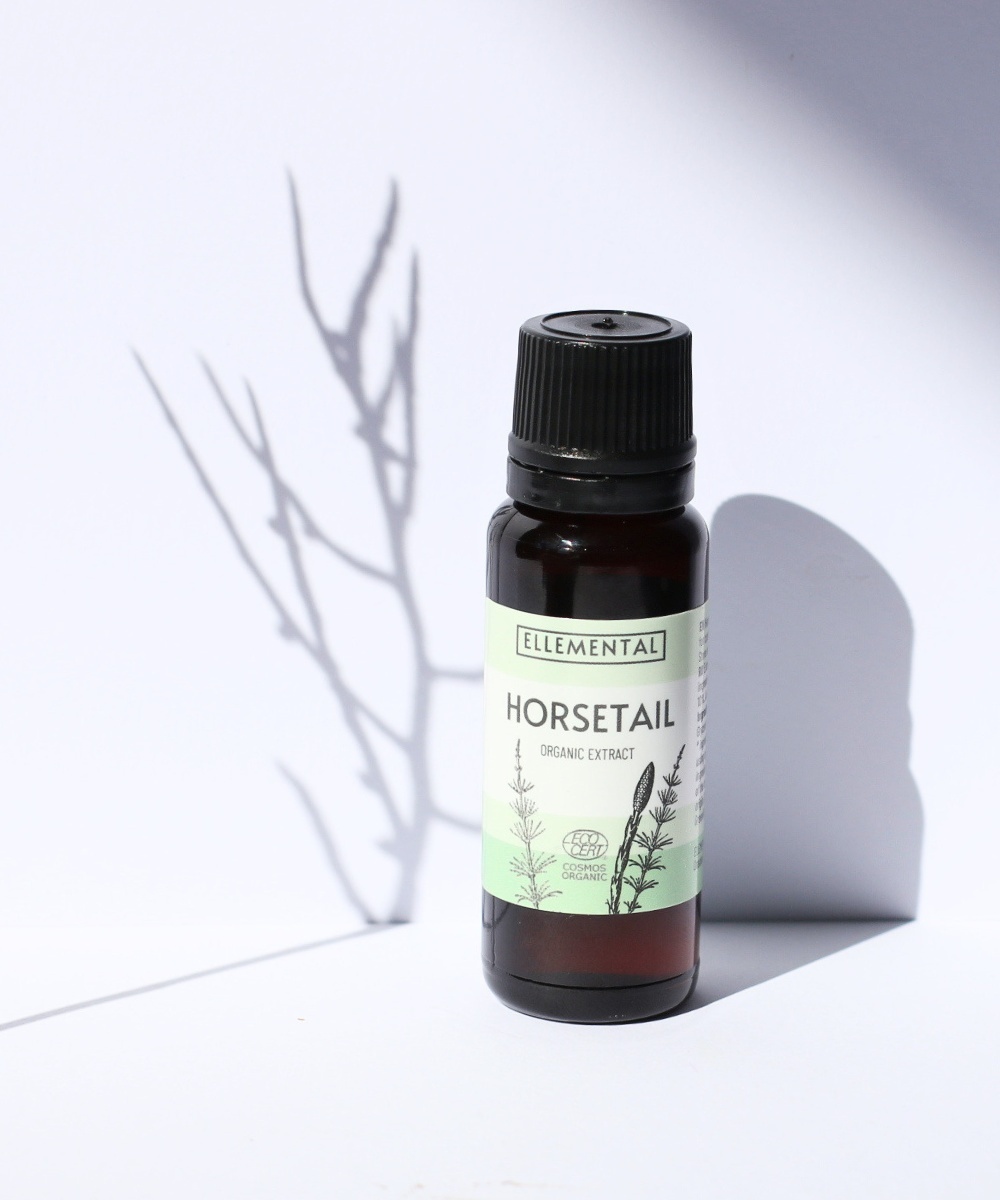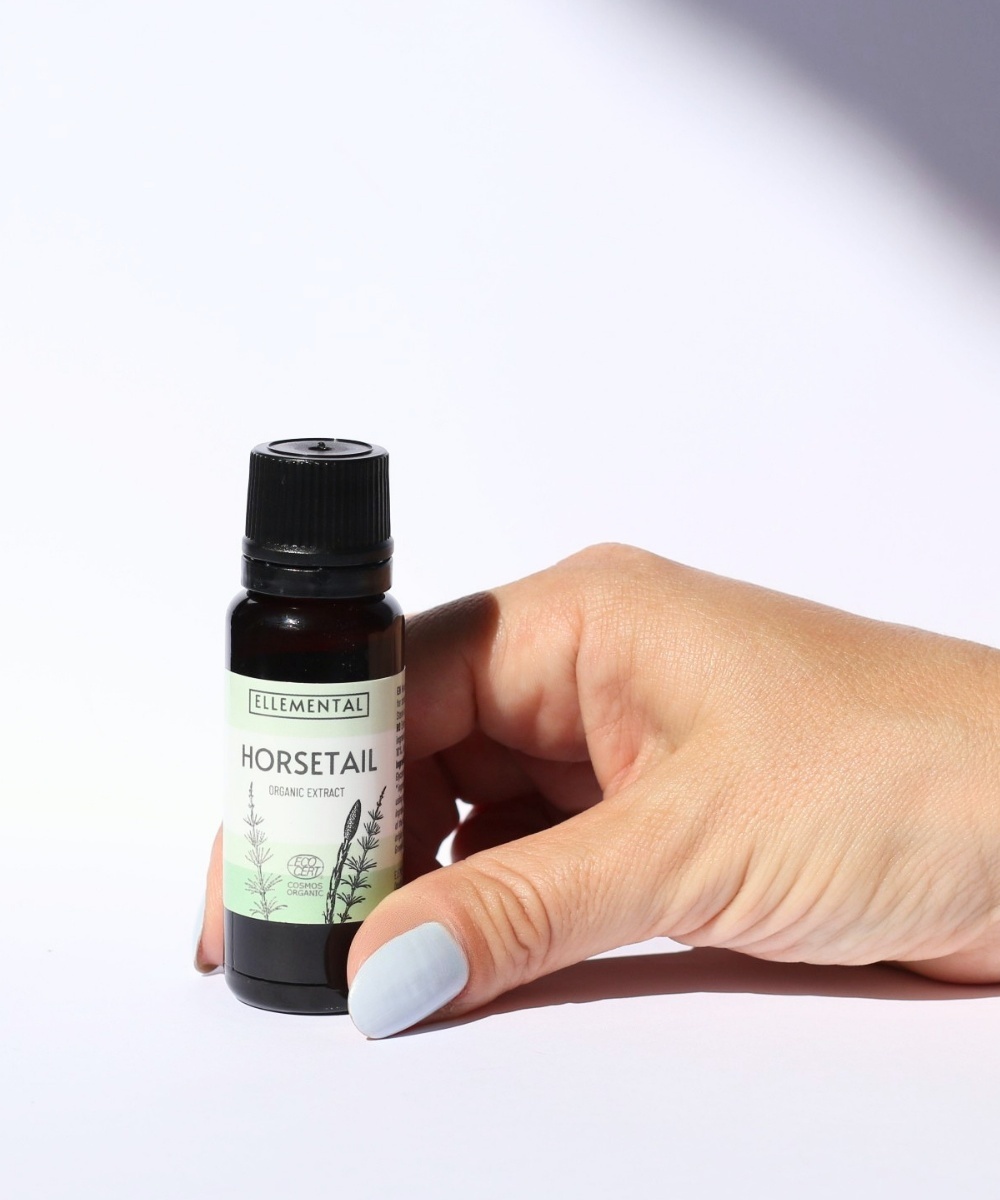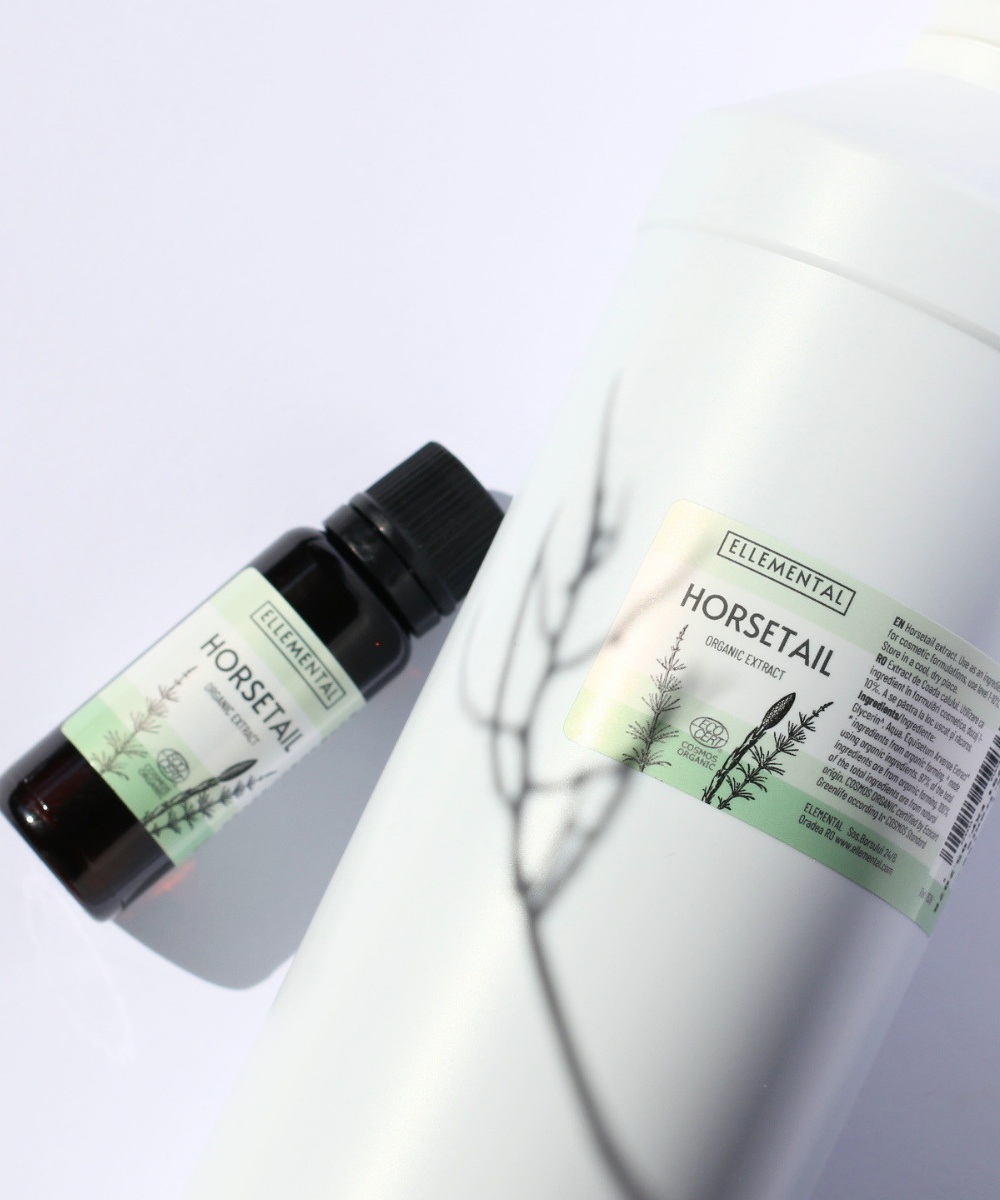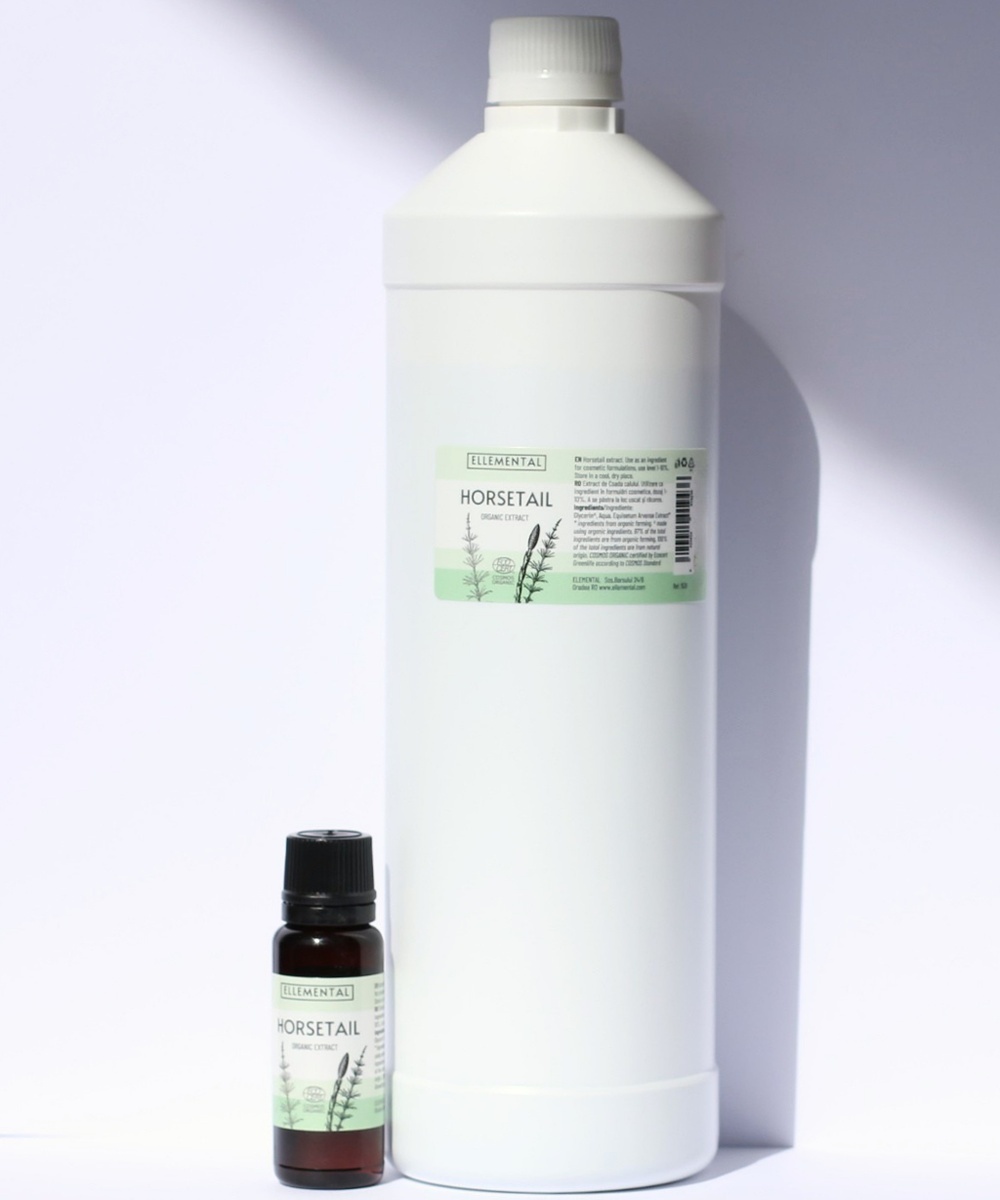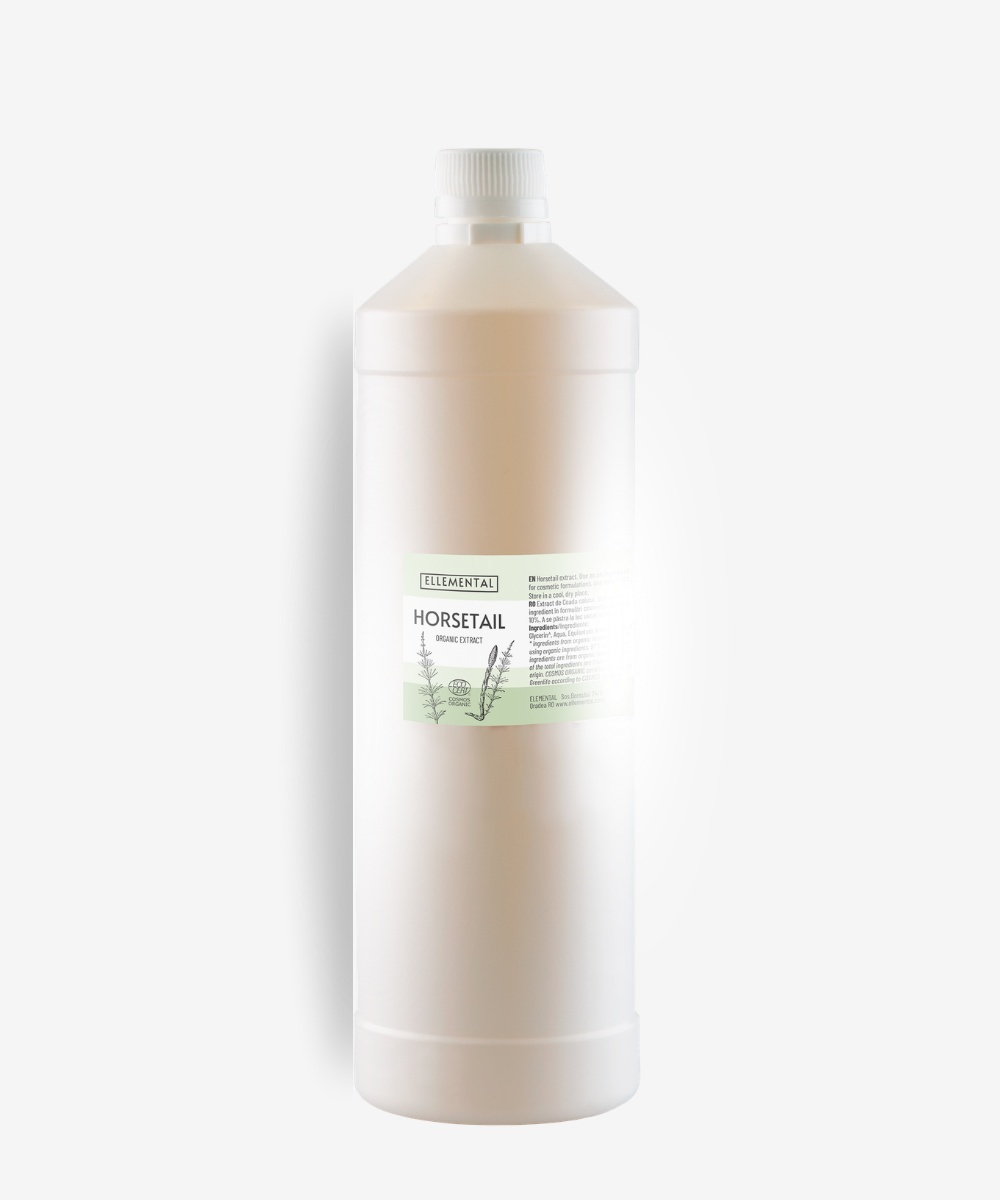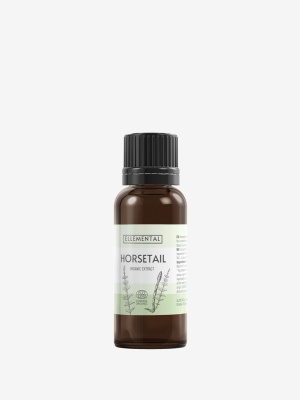
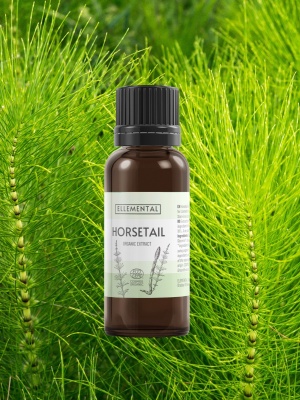
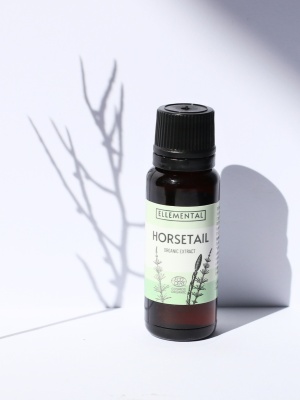
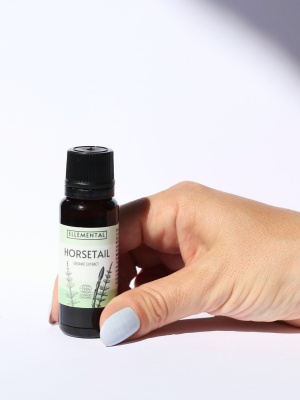
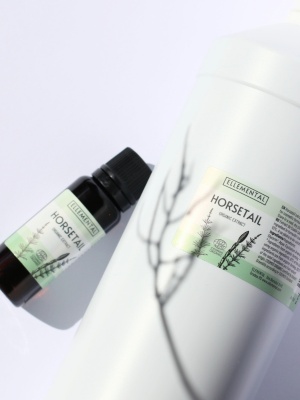
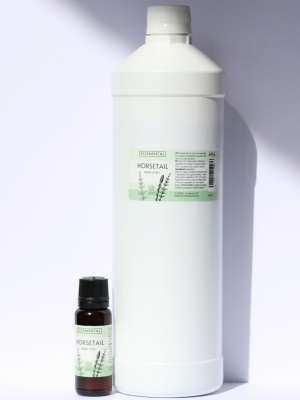
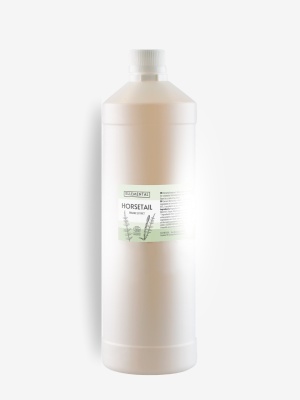
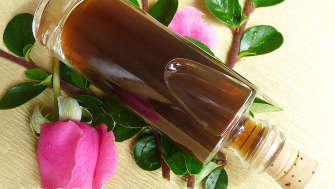
Horsetail extract organic
Description
Organic Horsetail Extract - Supporting Skin Structure and Strengthening Hair through Silica Intake
Horsetail Extract is a botanical ingredient obtained by macerating the Equisetum arvense plant in an organic glycerin base, being appreciated in natural cosmetics especially for its high content of organic silica and phenolic compounds. This certified organic extract acts as a conditioning and toning agent, helping to improve the appearance of skin lacking firmness and to strengthen fragile hair strands. It is a simple but effective solution for integrating the benefits of a plant traditionally used in preparations intended for skin maintenance and scalp health.
Ingredients (INCI): Glycerin*, Aqua, Equisetum Arvense Extract*.
*Ingredient from organic farming.
Characteristics
- Obtaining method: Glycerinic extract made from the aerial parts of the plant.
- Quality: Natural and organic cosmetic product, without preservatives or alcohol.
- Appearance: Viscous liquid, brownish-brown in color, with a faint characteristic odor.
- Solubility: Water-soluble.
- Recommended dosage: 1% - 10%.
Botanical Profile and Composition
Horsetail (Equisetum arvense) is considered a "living fossil," a very ancient plant. Its value in cosmetics comes from the complex of substances naturally found in the plant's tissues:
- Organic Silica: An essential element involved in supporting the structural proteins of the skin.
- Saponins and Flavonoids: Compounds with an antioxidant role and skin-soothing properties.
- Organic Acids: Contribute to the mild astringent effect and the refining of skin texture.
Main Properties
- Toning Agent: Visibly improves skin tone and provides support to areas that have lost their elasticity.
- Astringent and Purifying: Helps balance mixed or oily skin and reduce the appearance of enlarged pores.
- Capillary Fortifier: Provides resistance to thin and fragile hair strands, being a useful ingredient in scalp massage lotions.
- Skin Conditioning: Due to the glycerinic base, the extract helps maintain an optimal level of hydration during application.
Applications
- Toning lotions and serums for mixed/oily skin.
- Creams and emulsions for body firmness.
- Shampoos and hair masks for regeneration and shine.
- Treatments for strengthening fragile nails.
- After-shave products or facial cleansing lotions.
Formulation Guide
- Procedure: Introduced into the aqueous phase or the final phase of the preparation.
- Temperature: Recommended addition at temperatures below 40°C; however, depending on the formula, it can withstand short-term heating.
- pH Interval: Compatible with a pH between 4.0 and 7.5.
- Technical tip: Take into account the high glycerin content of this extract.
Frequently Asked Questions (FAQ)
Does this extract have a strong anti-wrinkle effect?
It is not an intensive anti-wrinkle treatment, but through the intake of silica, it helps maintain elasticity and prevent skin sagging, being an excellent supporting ingredient in day creams.
Can it change the color of my cream?
Yes, due to the natural pigments in the plant, this extract can give emulsions a light cream or beige shade, depending on the dosage used.
Safety in Use
Profile: Cosmetic product for external use.
Precautions: Keep out of reach of children. Do not ingest. Respect the recommended dosage.
Storage: Tightly closed, away from light and heat.
Reference Scientific Literature
- Pallag, A., et al. (2018). Equisetum arvense L. Extract Induces Antibacterial Activity and Modulates Oxidative Stress, Inflammation, and Apoptosis. Oxidative Medicine and Cellular Longevity.
- Asgarpanah, J., & Roohi, E. (2012). Phytochemistry and pharmacological properties of Equisetum arvense L. Journal of Medicinal Plants Research.
- Gründemann, C., et al. (2014). Equisetum arvense (horsetail) modulates the function of inflammatory immunocompetent cells. BMC Complementary and Alternative Medicine.
- Dragos, D., et al. (2017). Phytochemical Profile and Biological Activities of Equisetum arvense L. Extracts. Plants (Basel).
- Araújo, L. A., et al. (2016). Use of silicon for skin and hair care: an approach of chemical forms available and efficacy. Anais Brasileiros de Dermatologia.
Details
Related Recipes and Articles
You'll like these too
Reviews
Write a valid review and earn loyalty points worth €0.40