




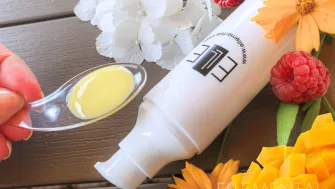
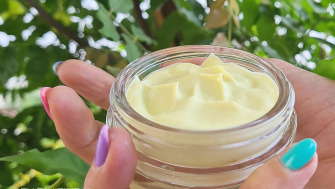
Formula: 45089 Difficulty Level: medium Shelf life: min 3 months Optimal pH: 5.0-6.0 Phase Ingredients Dosage % Total 150 g A Raspberry Seed Oil 15 22.5 g A Tricaprilyn 7 10.5 g A SunFlow Emulsifier...
| Product size | Suitable pump | |
| 50 ml, 90 g, 100 ml |
|
|
| 200 g, 250 ml |
|
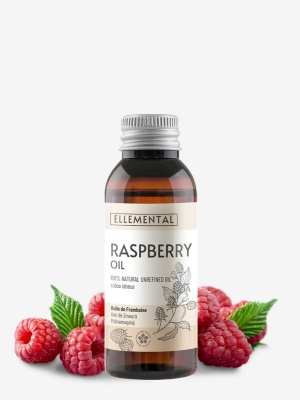
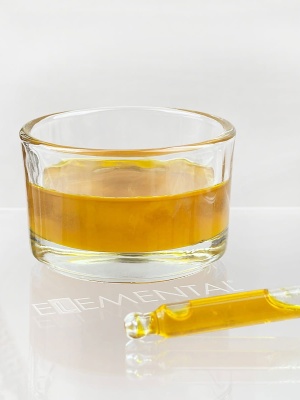
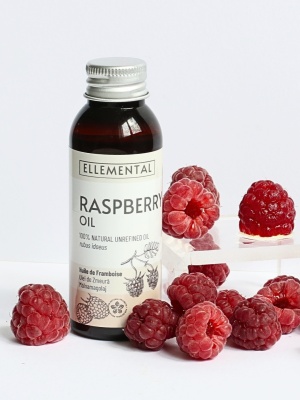
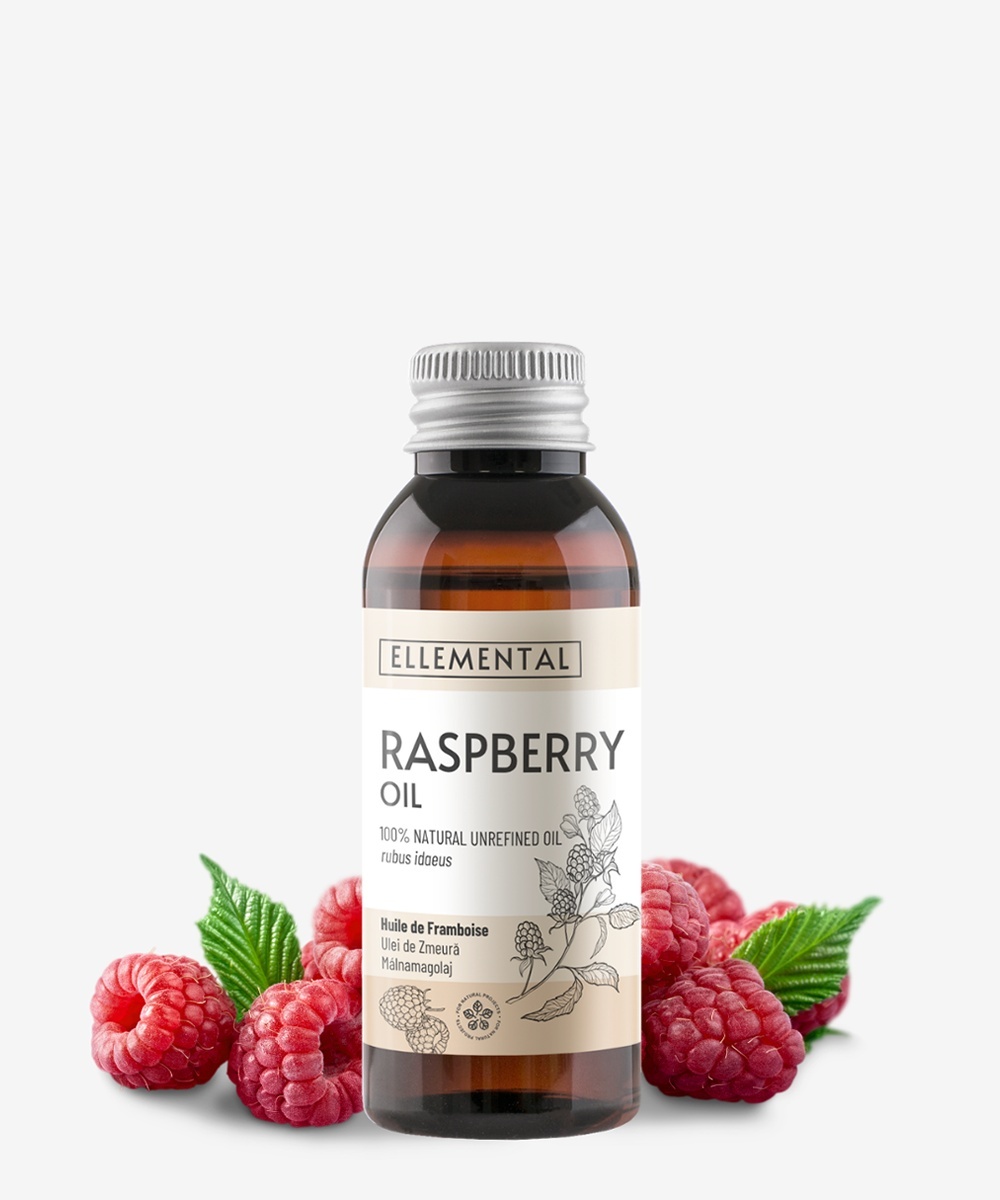
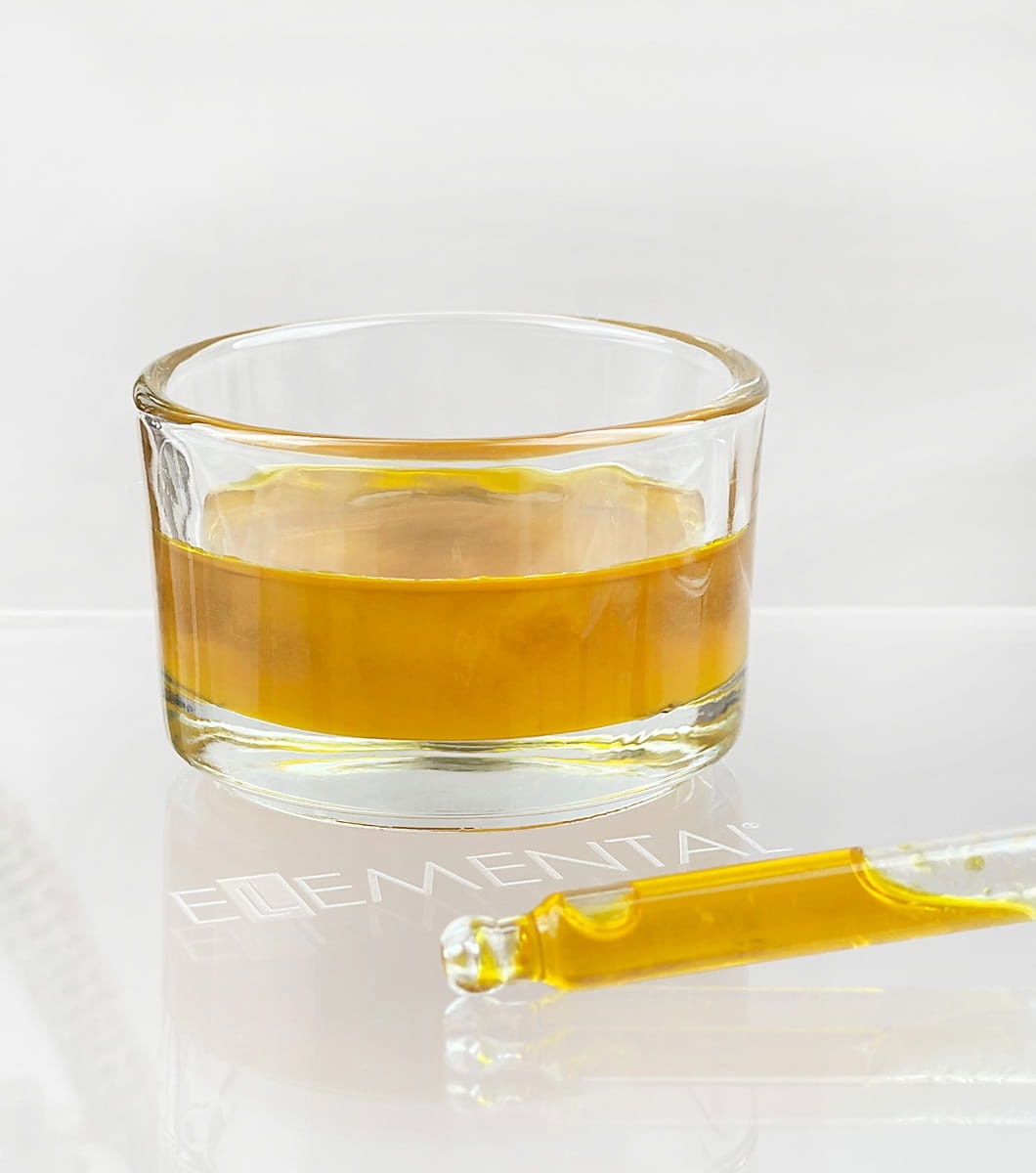
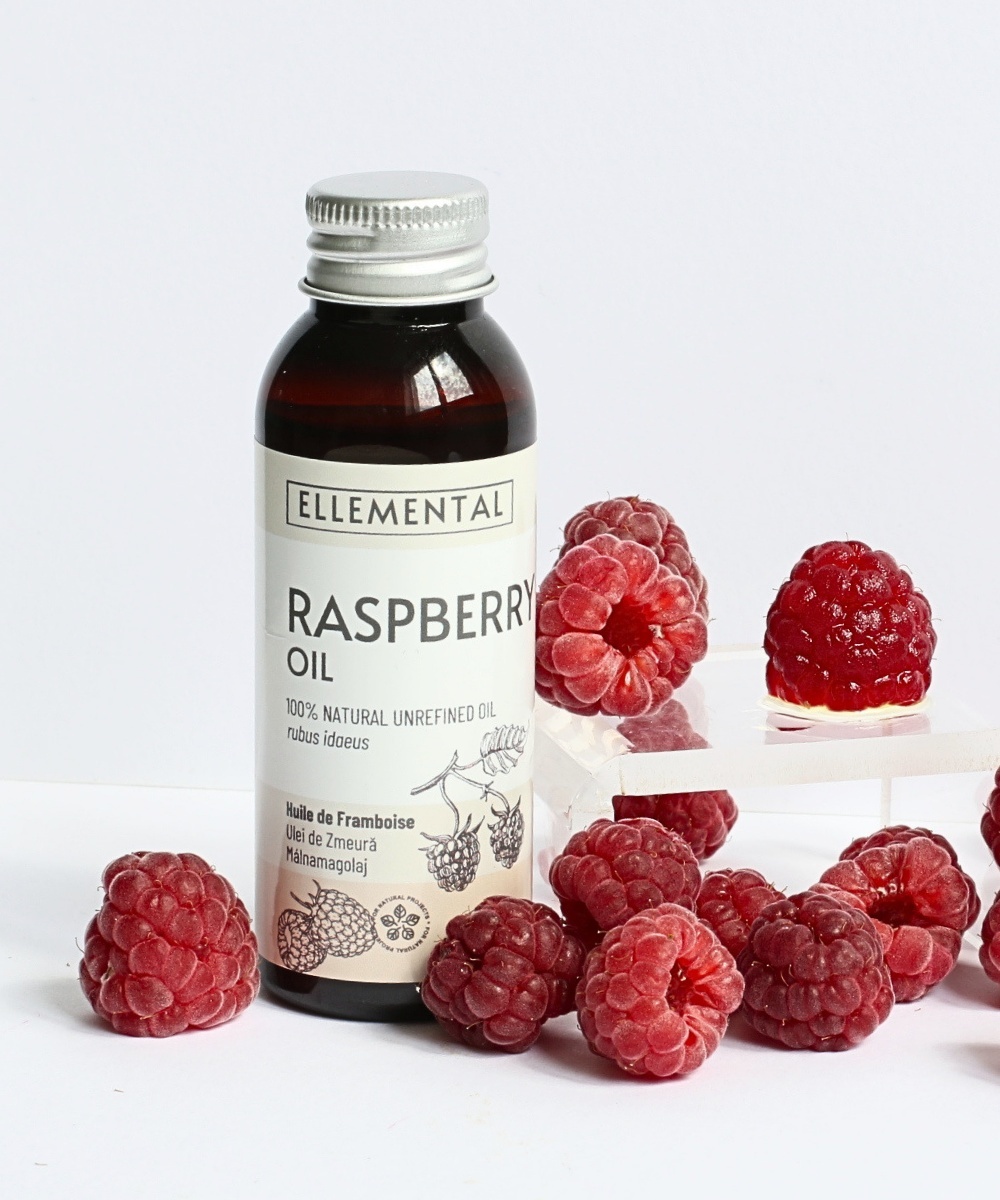
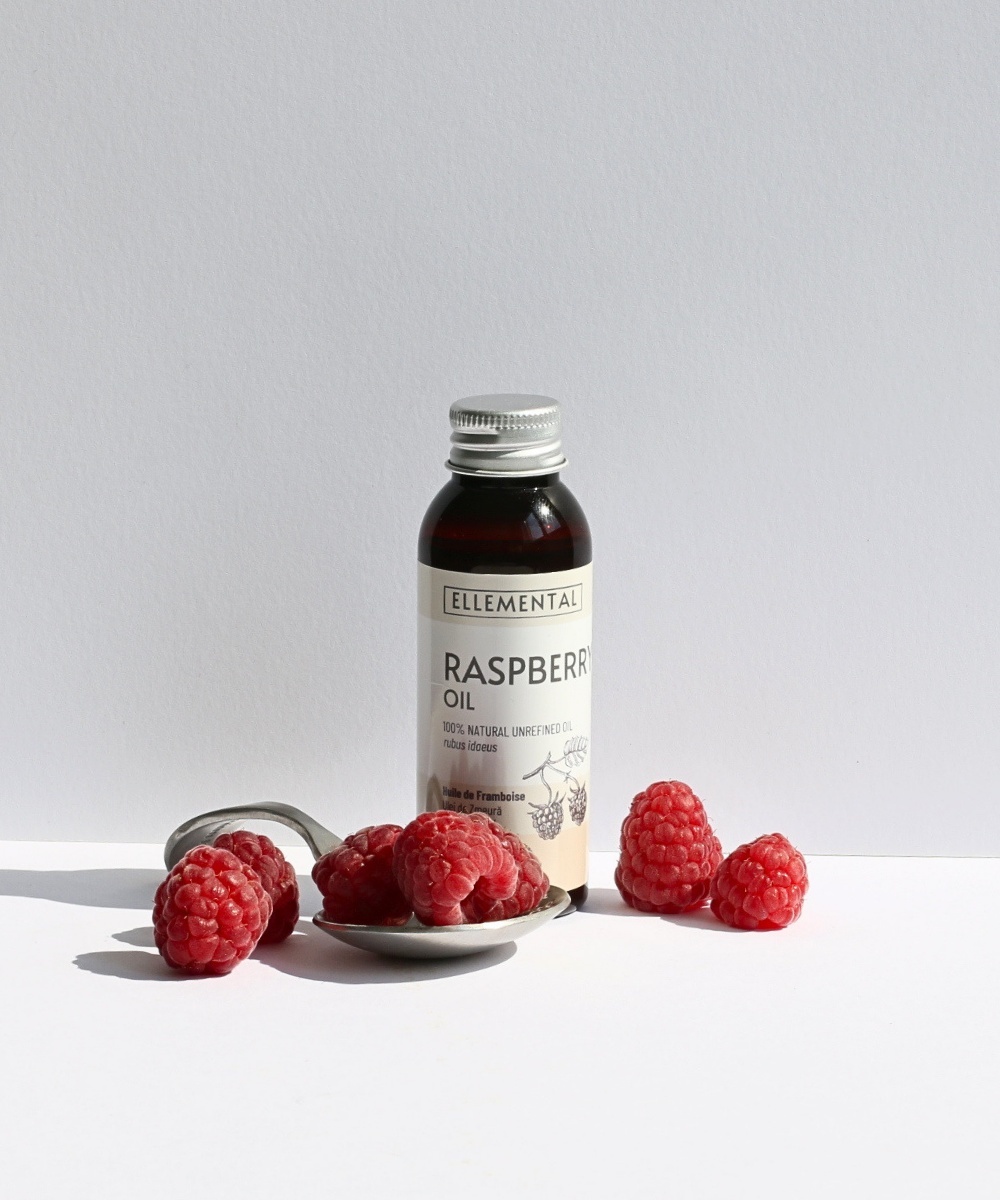
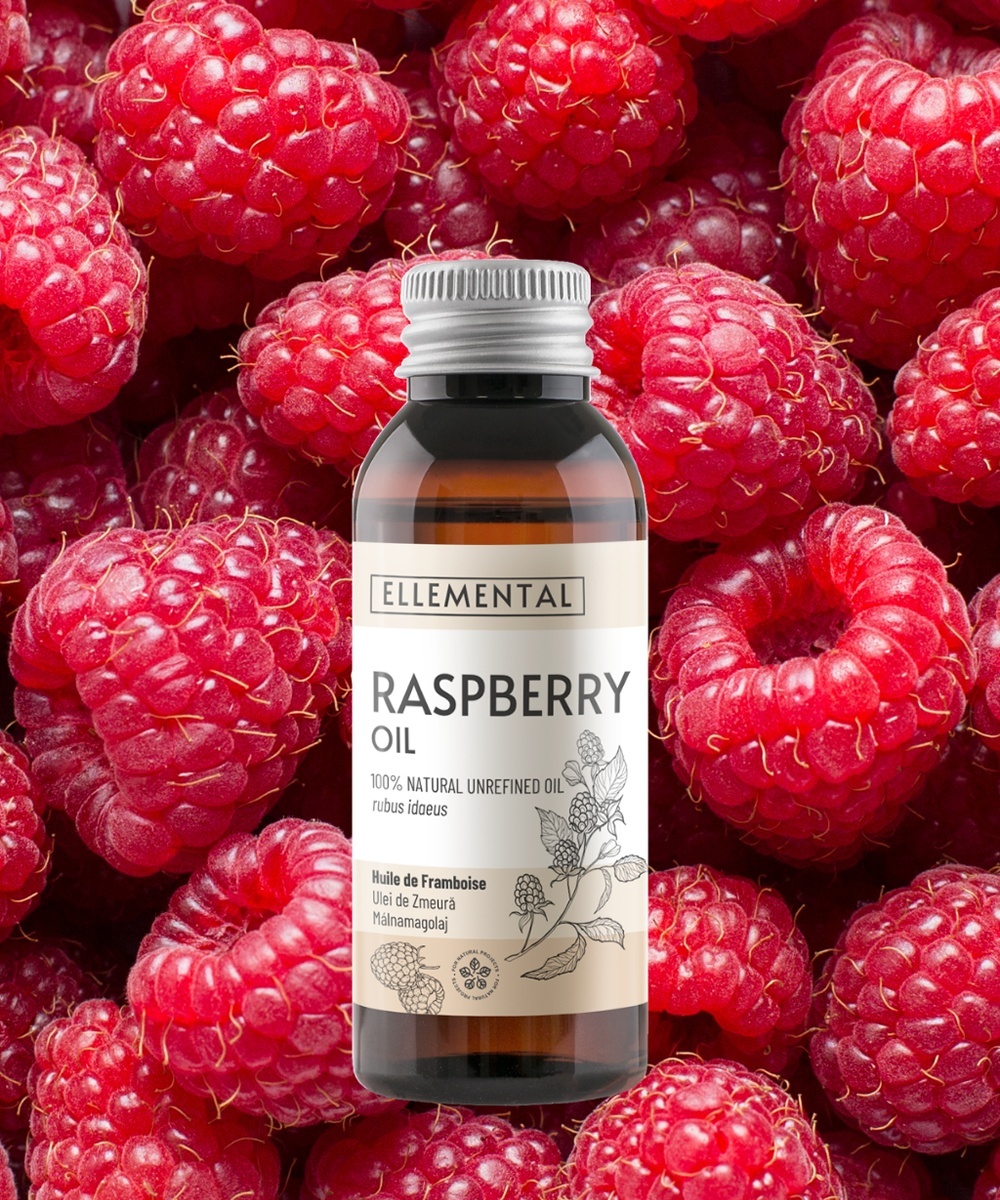
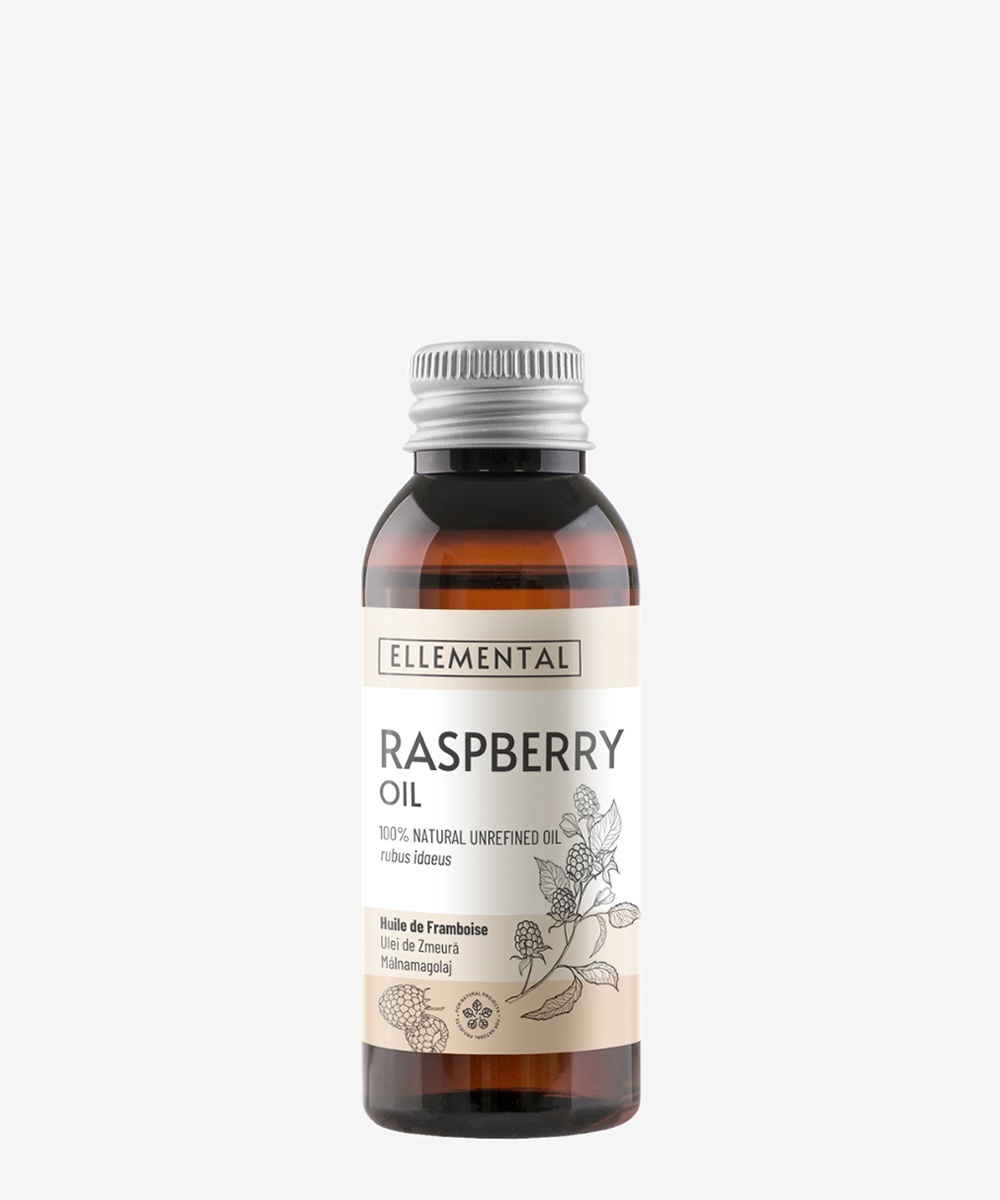
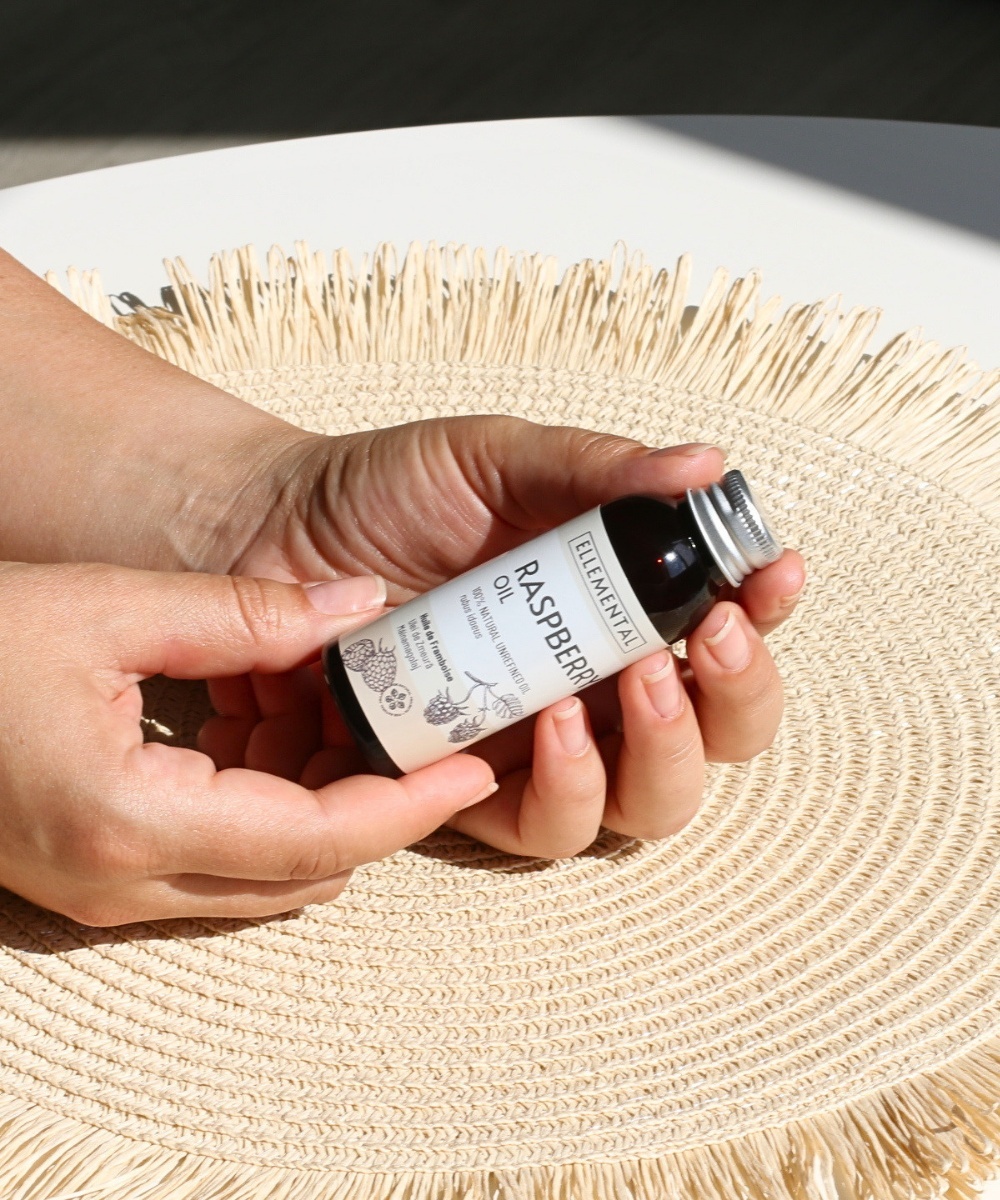
Raspberry Seed Oil (Rubus idaeus) is a precious vegetable oil applied in cosmetics primarily for the care of mature skin and for preparing the skin for sun exposure. It is an excellent choice for all skin types, offering benefits even to sensitive, reactive, or environmentally stressed skin. Its native wealth of powerful antioxidants, such as tocopherols, carotenoids, and gallic acid, turns raspberry seed oil into an ally for combating the signs of premature aging and protecting cells against oxidative stress.
Thanks to its rich antioxidant content, it can make a valuable contribution to a sun protection formula. Furthermore, its soothing and restructuring properties help reduce skin discomfort and maintain the protective barrier function of the epidermis, making it a frequent inclusion in formulas destined for after-sun care or post-sun exposure. It brings added value to brightening facial serums and daily protective preparations.
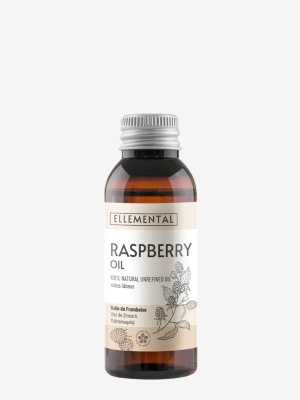
Ingredients: Rubus Idaeus Seed Oil
100% natural, free of preservatives, free of additives.
Raspberry Seed Oil is generally suitable for all skin types and is well tolerated even by the oiliest. For acne-prone skin, it is best used in small percentages as a supporting ingredient, rather than as a primary base.
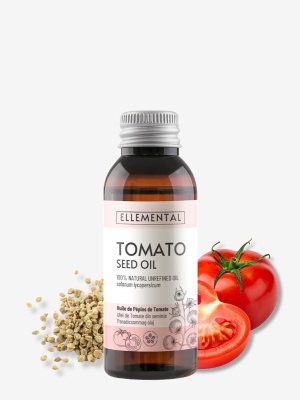
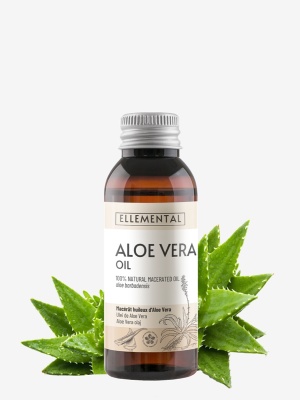
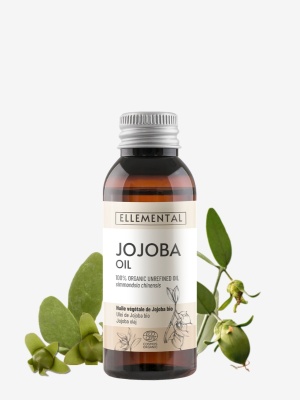
For an anti-aging serum with adjuvant sun protection effects, the synergy with Carrot Extract, Tomato Seed Oil and Coenzyme Q10 rounds out the antioxidant and regenerating profile. On combination skin, the association with Organic Jojoba Oil keeps the texture balanced. As a soothing ingredient for UV-affected skin, combining it with Aloe Vera Oil and Bisabolol supports regeneration.
At the body level, Raspberry Seed Oil is useful in pre-sun preparation formulas and in after-sun products, due to its antioxidant and repairing profile. It is also successfully used in anti-aging body applications.
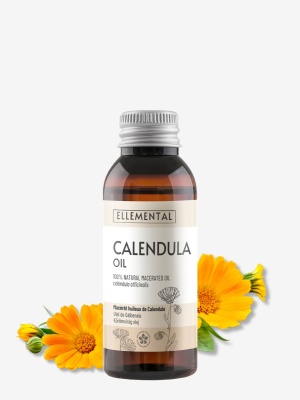
As a tanning oil, the synergy with Karanja Oil, Urucum Macerated Oil and Tomato Seed Oil completes the natural protection profile. It can also be combined with Cocoa Butter and Zinc Oxide to prepare a tanning balm. As an after-sun treatment, the association with Calendula Oil supports the soothing of exposed skin.
On hair, it contributes to fiber protection and a healthier appearance of the strands, serving as a supporting ingredient in hair formulations.
For preparations applied to the hair, the synergy with Monoï Oil, Açai Oil and Karanja Oil completes the protection profile.
Does it have an SPF (sun protection factor)?
No, an official SPF has not been determined for this oil. It contributes an antioxidant boost and partial UV-absorbing capacity, which is useful as an adjuvant (booster) in a sun protection formula, but it does not replace an approved sun filter.
Is it comedogenic?
For normal or combination skin, it is a safe oil, but for very oily, acne-prone skin or skin susceptible to microcysts it may present issues; therefore, it shouldn't be used pure, but rather as a moderately dosed ingredient.
Safety in use
Cosmetic product for external use only. Do not ingest. Avoid contact with eyes.
Storage, preservation
Keep the bottle closed, in a cool place, away from direct light.


Write a valid review and earn loyalty points worth €0.40